

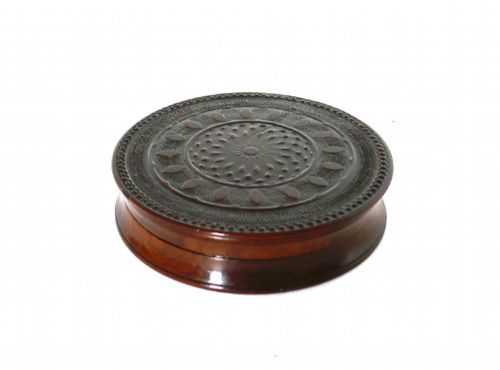


Antique Laburnum Wood
Antique laburnum wood pieces are dense, heavily figured items built from a notoriously difficult timber that rewards the eye with rich, concentric patterns.
Antique Laburnum Wood
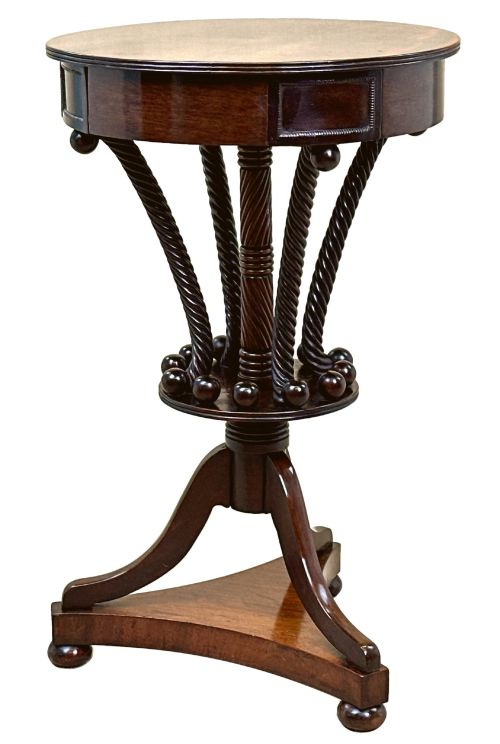
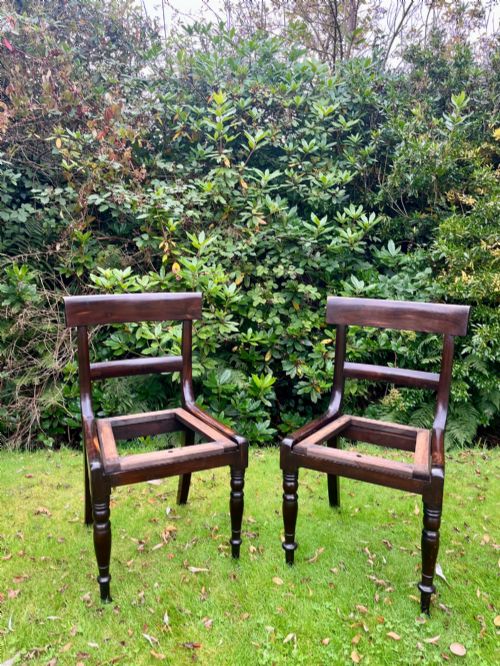
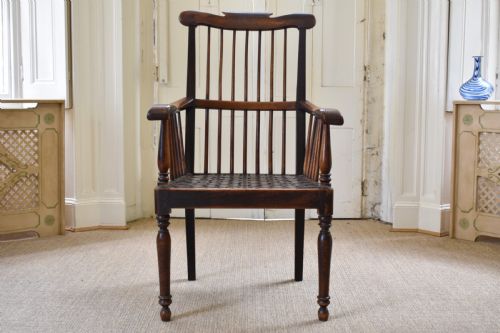
When you search for antique laburnum wood, you encounter everything from sturdy country armchairs to intricate small treen and highly decorative chests of drawers. The timber is naturally small-diameter and crooked, which dictates the scale and form of the objects fashioned from it.
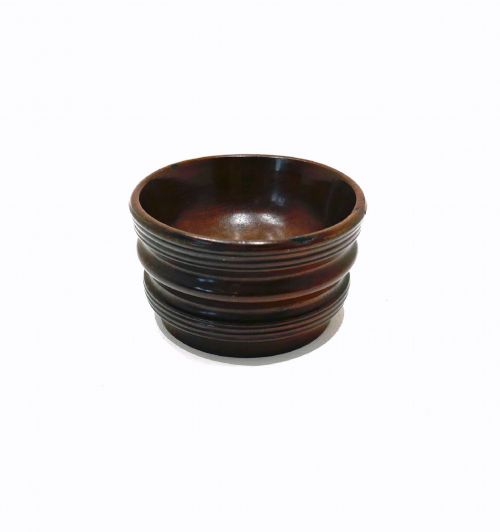
You are most likely to meet smaller items such as snuff boxes, salt cellars, carpet bowls, and decorative boxes alongside larger seating and table furniture. The material lends itself equally to turned treen and to ambitious veneering projects.
The objects span multiple centuries, appearing in vernacular primitive styles as well as more formal William and Mary, Georgian, and Regency designs. Makers utilised the wood's natural colour contrasts to create striking visual impact across domestic items.
How they were made
Makers cut the small laburnum branches and trunks across the grain to produce circular slices known as oysters, which they then laid down in geometric patterns across drawer fronts and tabletops. This technique required immense skill to prevent the brittle wood from cracking during preparation.
Solid sections of the timber underwent turning on a lathe to create symmetrical treen pieces, including salt cellars, snuff boxes, and bowls. Craftsmen frequently combined laburnum with secondary timbers such as elm, walnut, and boxwood to provide structural stability or contrasting borders.
Antique Laburnum Wood Retail Price Guide 2026
Typical asking prices for laburnum wood among the pieces listed under this phrase on Sellingantiques today, from the lower quarter to the upper quarter. They describe what is for sale here now, not the wider market.
Object forms span functional seating, gaming equipment, storage boxes, and small turned treen, demonstrating the wood's versatility despite its small trunk size.
What varies in quality
Quality rests chiefly on the preservation and tightness of the figuring within the grain, as well as the ambition of the original design. Finely matched oyster veneers that cover large surfaces without interruption represent a higher order of craftsmanship than simple turned items.
The integrity of the surface polish and the retention of the wood's original honey-and-dark brown tones dictate the visual success of the piece. Lesser examples suffer from heavy past restoration or excessive dryness that obscures the natural contrast of the heartwood and sapwood.
The Antique Laburnum Wood Glossary
- Oyster veneering
- A method of cutting branches or small trunks diagonally across the grain to produce small, circular or oval veneers resembling oysters. Cabinet makers laid these closely together to create intricate, repeating patterns.
- Treen
- Small, functional wooden household objects made by turning on a lathe or hand-carving. The category includes items such as salt cellars, snuff boxes, and bowls.
- Carpet bowls
- Heavy wooden balls rolled across indoor carpets in games related to lawn bowls. Scottish makers frequently turned these from dense native timbers.
- Vernacular primitive
- Furniture built by local tradesmen using available regional materials without adherence to high-style metropolitan fashions. These pieces prioritise utility and direct construction methods.
Antique Laburnum Wood: Frequently Asked Questions
What is laburnum wood?
Laburnum is a small deciduous tree that yields a hard, heavy timber featuring a stark contrast between dark brown heartwood and bright yellow sapwood. Because the trunks grow twisted and narrow, craftsmen typically utilised the wood for small decorative objects or sliced it thinly for veneers.
In antique pieces, this distinctive grain pattern creates a striking decorative surface that resembles tortoiseshell or dark ripples. Its inherent hardness made it an ideal choice for items subject to frequent handling, such as treen and chair parts.
How do I care for laburnum furniture?
Keep wooden pieces away from direct sunlight and sudden temperature shifts to prevent the dry timber from splitting or warping. Regular, gentle dusting with a soft cloth maintains the surface without requiring heavy chemical polishes.
Apply a microcrystalline wax sparingly if the wood appears dry, buffing it gently to preserve the natural lustre of the grain. Avoid placing damp items directly onto antique surfaces, particularly on veneered tabletops.
How can I date oyster veneered furniture?
Oyster veneering appears most frequently on pieces from the late seventeenth century, particularly during the William and Mary period, as well as occasional later revivals. Examine the construction methods of the carcase and drawer linings to determine whether the piece belongs to the seventeenth century or a later period.
Early carcases generally feature oak or pine construction with hand-cut joints, whereas twentieth-century revivals display different internal timber selection and machine tooling. The backing boards and fixings provide further clues to the actual age of the item.
Were laburnum items made in Scotland?
Scottish makers produced a significant quantity of laburnum treen, including snuff boxes and carpet bowls, often utilising local timber resources. The tradition of turning dense native woods flourished in various Scottish towns during the eighteenth and nineteenth centuries.
These regional items frequently display distinct turning patterns and specific local forms that separate them from English equivalents. Collectors often look for these Scottish pieces due to their specialised functionality and distinct vernacular style.