
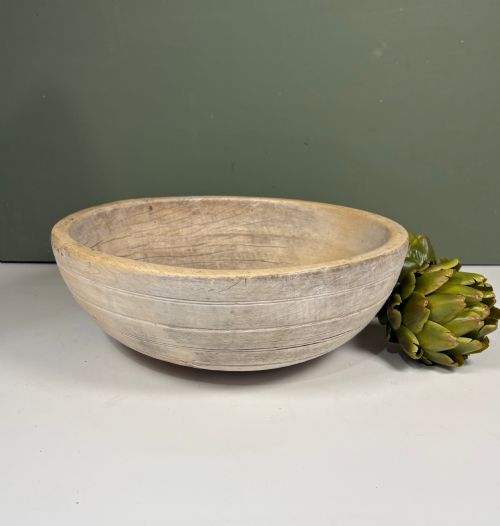

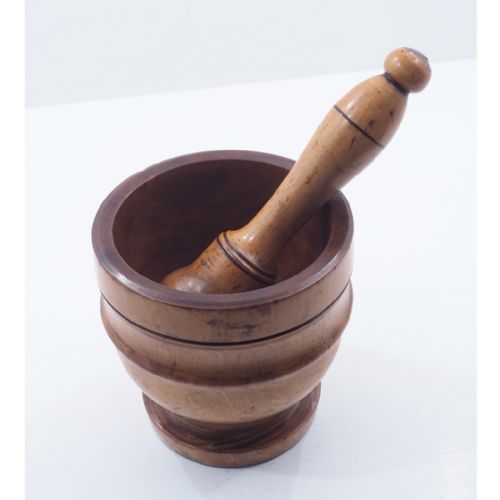


Turned Wooden Bowl
A turned wooden bowl brings domestic history into a room, formed by the lathe from native timbers over centuries.
Turned Wooden Bowl
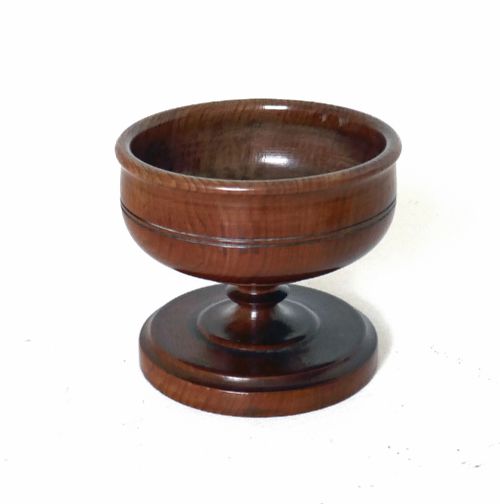
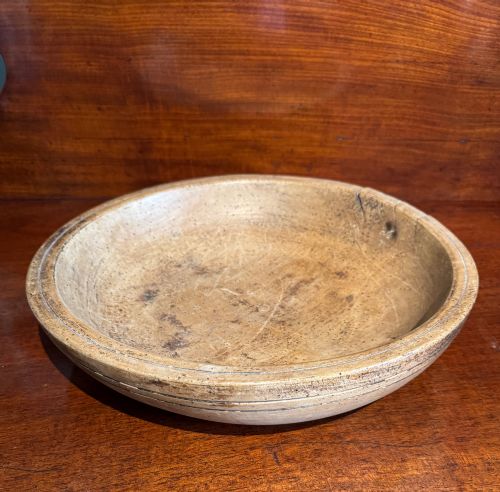
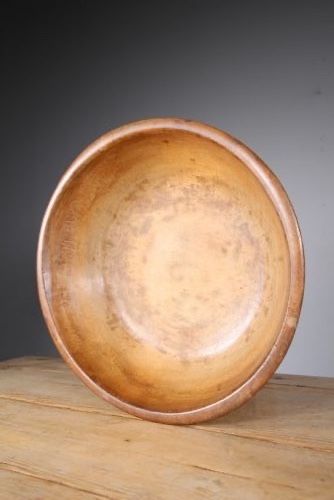
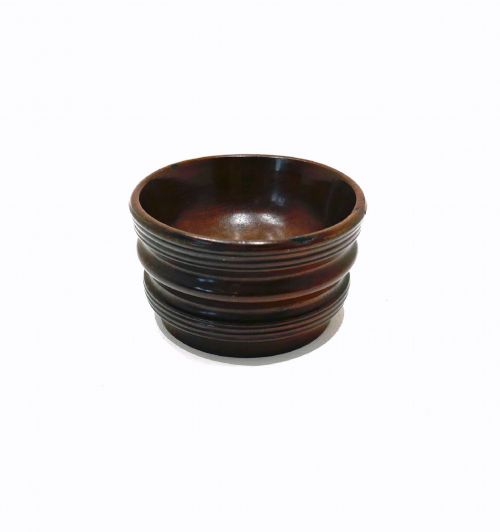
A turned wooden bowl is a domestic or dairy vessel shaped on a lathe, appearing across Georgian, Victorian, and early twentieth-century periods. These objects range from heavy salt cellars and mortars to large sycamore dairy bowls used in farmhouses.
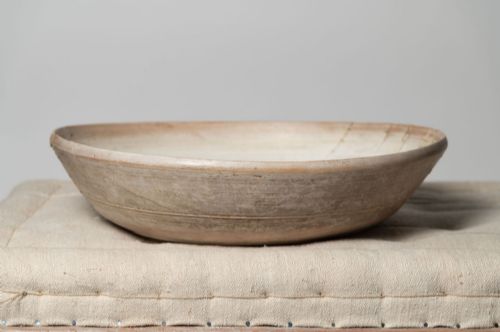
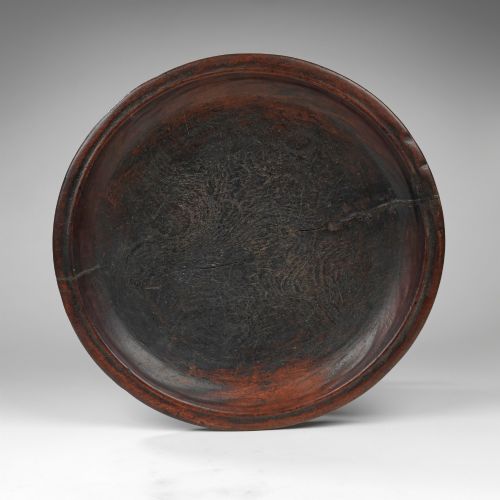
The most common form met here is the dairy bowl, often turned from sycamore or fruitwood in English, Welsh, French, or Scandinavian traditions. These bowls served practical purposes in food preparation before passing into decorative domestic use.
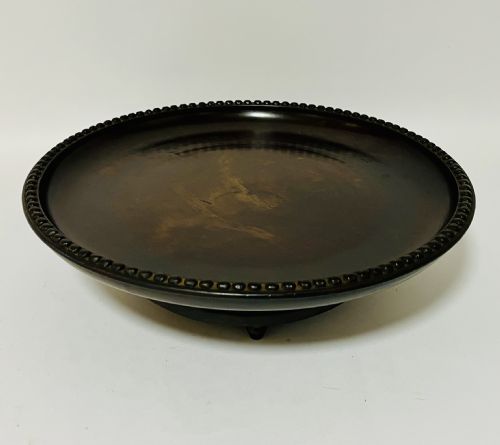
Alongside dairy vessels, the selection encompasses treen items such as spice pots, platters, and footed stands. Each piece demonstrates the simple utility and warm character of turned wood from past centuries.
How they were made
Turned wooden bowls take shape on a lathe from dense hardwoods selected for stability and grain. Craftsmen utilised native timbers including sycamore, fruitwood, walnut, yew, and laburnum to turn green or seasoned wood into symmetrical vessels.
Tool marks left by the gouge or chisel remain visible on many surfaces, recording the physical process of turning. Finishing often involved natural oils or long handling, which builds the warm patination seen on older specimens.
The listings span from the seventeenth century through to the 1930s, featuring sycamore, walnut, yew, laburnum, and fruitwood.
What varies in quality
Quality rests in the balance of the walls, the crispness of the turning lines, and the integrity of the timber. A well-turned bowl maintains an even thickness that allows the wood to age gracefully without distorting its original profile.
Surface patination and the depth of the grain elevate certain examples above standard utility pieces. Rich colour acquired through generations of use and exposure separates ordinary treen from exceptional survivals.
The Turned Wooden Bowl Glossary
- Treen
- Small handmade wooden items for the home. This term covers everything from turned salt cellars to spice pots and platters.
- Dairy bowl
- A wide, shallow vessel used historically for setting milk and skimming cream. These bowls are typically turned from sycamore to resist cracking.
- Lignum-vitae
- A dense, heavy tropical hardwood used for mortars and pestles. Its natural oils make it exceptionally durable.
- Patina
- The surface sheen and colour developed by wood over years of handling and polishing. Good patina shows deep warmth and honest wear.
- Washstand
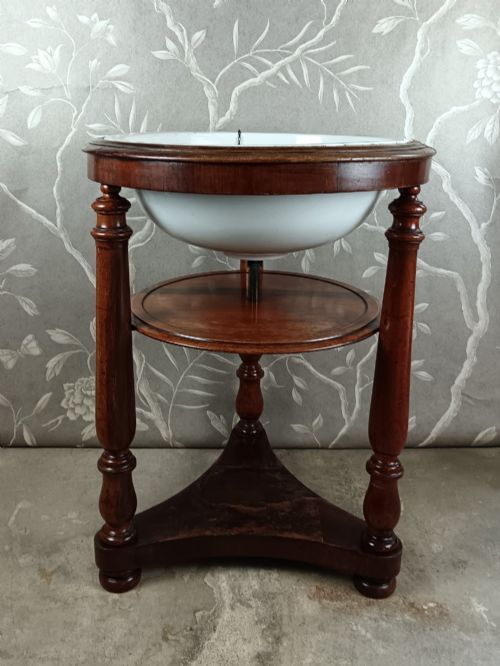
- A piece of furniture holding basin and jug for personal washing. Some examples incorporate turned wooden frames and compartments.
Turned Wooden Bowl: Frequently Asked Questions
What were turned wooden bowls used for?
These bowls served primarily practical functions in rural and domestic life, ranging from dairy work like setting milk to holding salt or food.
Over time, many transitioned from utility items in farmhouses and kitchens to decorative display pieces in the home.
How do I date an antique wooden bowl?
Dating relies on examining the timber species, tool marks, form, and overall wear patterns relative to known historical periods.
Differences in turning techniques and the presence of native hardwoods like sycamore or fruitwood help place a piece within the eighteenth or nineteenth century.
How should I care for a wooden bowl?
Keep wooden vessels away from direct sunlight, central heating, and rapid changes in moisture to prevent the timber from splitting.
Occasional treatment with a neutral food-safe oil helps maintain the surface and preserves the natural warmth of the grain.
What is treen?
Treen refers to small, functional wooden objects made for daily household use before the widespread adoption of ceramics and plastics.
This broad category includes turned bowls, spice containers, mortars, ladles, and platters collected for their tactile qualities.