




Rustic Wooden Salt
These rustic wooden salt containers are honest vernacular pieces designed to keep salt dry in traditional kitchens.
Rustic Wooden Salt
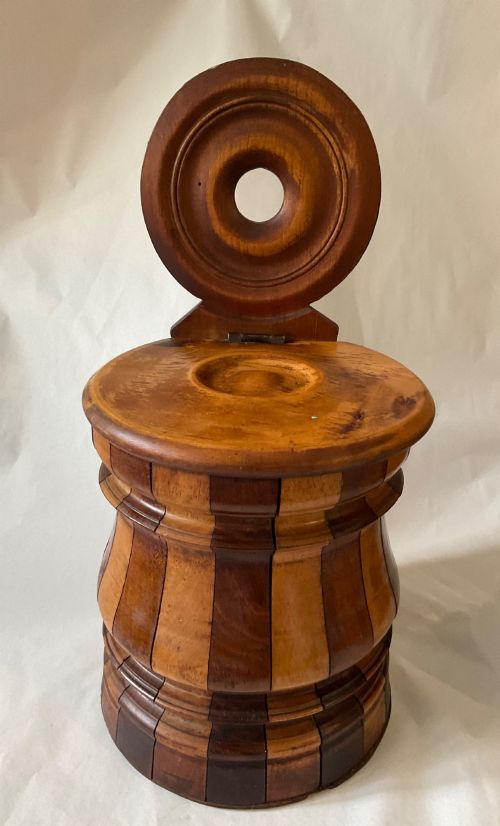
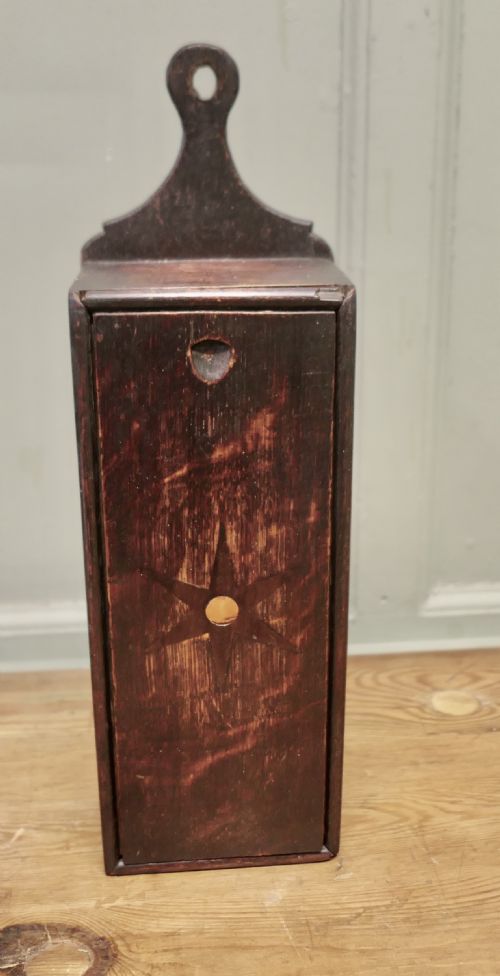
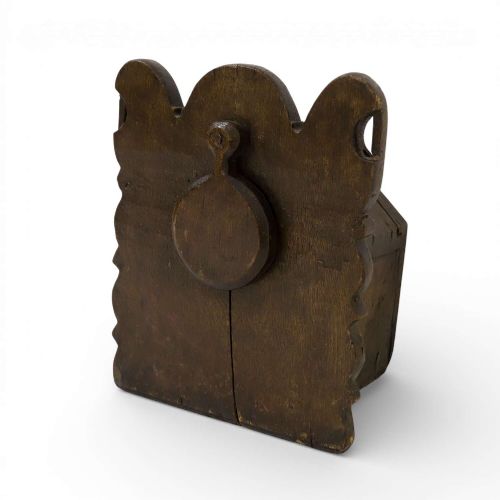
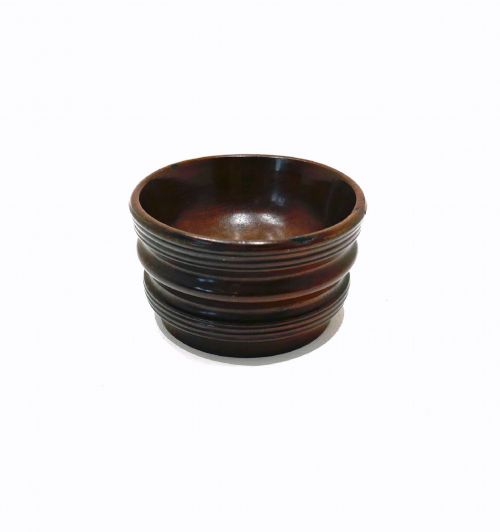
When you search for rustic wooden salt containers, you encounter functional wall-hanging boxes and turned cellars from the seventeenth, eighteenth, and nineteenth centuries. These domestic items formed part of the working kitchen in English and Welsh country houses.
The salt boxes and cellars listed here span Georgian vernacular and Victorian country styles, reflecting everyday rural craftsmanship. They were built to be hung near the hearth or placed on tables for daily culinary use.
You are most likely to meet oak and pine wall-hanging boxes alongside turned laburnum cellars on this page. These forms show the practical storage needs of historical households.
How they were made
Maker-craftsmen utilised solid timbers such as oak, pine, and laburnum, often mixing woods within a single piece. Turned vessels required a lathe, while wall boxes relied on pegged or nailed board construction.
Iron and brass hardware, including original hinges and latches, fastened the lids and hanging brackets. Traces of early red paint sometimes survive on the exterior surfaces of these utilitarian items.
Rustic Wooden Salt Retail Price Guide 2026
Typical asking prices for rustic wooden salt among the pieces listed under this phrase on Sellingantiques today, from the lower quarter to the upper quarter. They describe what is for sale here now, not the wider market.
Current listings feature oak, pine, laburnum, iron, and brass across eighteenth and nineteenth-century periods.
What varies in quality
Quality rests in the integrity of the timber, the presence of original iron hardware, and the survival of early surface treatments like red paint. Pieces with untouched patination and honest wear stand apart from heavily restored examples.
The fineness of turning in laburnum cellars or the structural joinery in oak wall boxes dictates the level of craftsmanship. Simpler pine pieces display a straightforward utility compared to more sculptural Georgian vernacular forms.
The Rustic Wooden Salt Glossary
- Treen
- Small handmade wooden household objects. These items range from turned salt cellars to kitchen boxes.
- Vernacular
- Everyday objects made by local craftsmen for practical use rather than high-style design. These pieces reflect regional traditions and domestic needs.
- Laburnum
- A dense hardwood often used for turned treen because of its rich grain and contrasting heartwood. Craftsmen utilised this timber for decorative yet durable small vessels.
- Salt box
- A wall-mounted container with a sloped lid designed to keep kitchen salt dry and accessible. These boxes hung near hearths in traditional houses.
Rustic Wooden Salt: Frequently Asked Questions
How were salt boxes used?
Salt boxes hung on kitchen walls near the hearth to keep coarse salt dry and within reach for cooking.
The sloped lids protected the contents from kitchen soot and dampness.
How do I date a wooden salt box?
Dating relies on examining the construction methods, timber species, and iron hardware like hinges and latches.
Eighteenth-century examples often display pegged joinery and earlier vernacular styles compared to Victorian pieces.
Where were these salt containers made?
These items originated in English and Welsh country workshops and domestic environments.
Local craftsmen utilised native woods available in their immediate regions.
How do I care for antique treen?
Keep wooden salt boxes and cellars away from direct heat sources and dramatic humidity changes to protect the timber.
Apply a light wax polish occasionally to maintain the dry surface finish.