
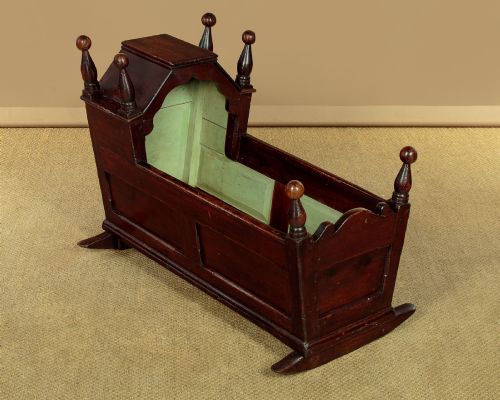
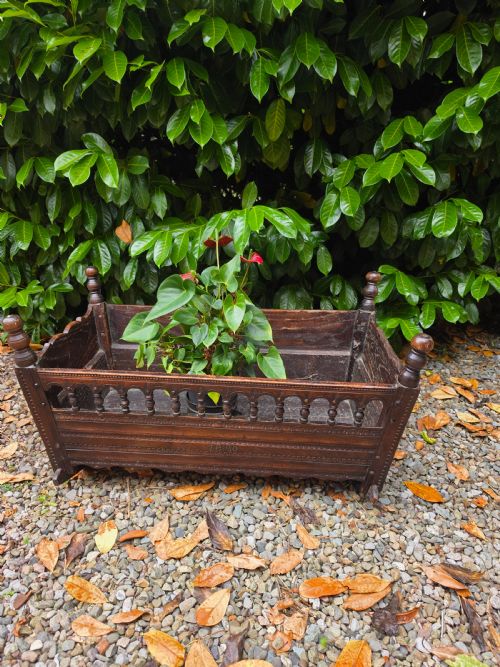
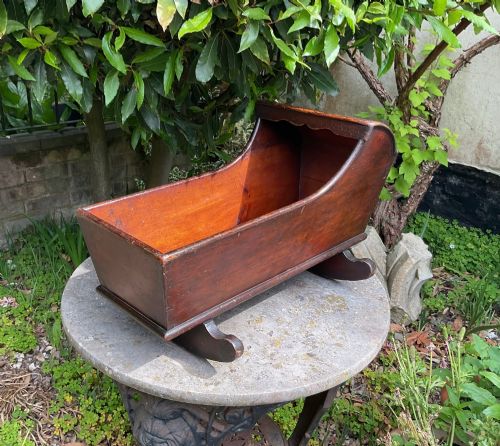


Antique Wooden Rocking Crib
An antique wooden rocking crib offers timeless charm and gentle motion, built from solid hardwoods and softwoods to soothe generations of infants.
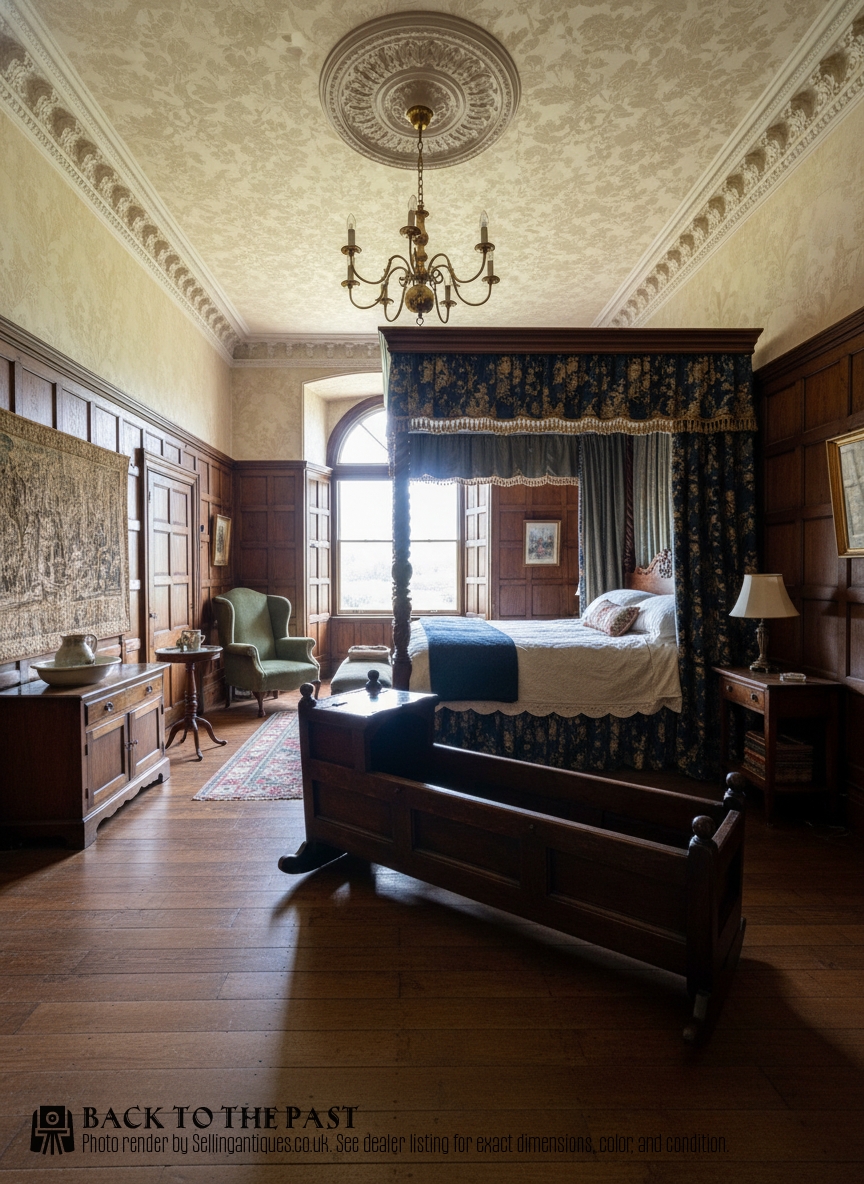
Antique Wooden Rocking Crib
An antique wooden rocking crib serves as a traditional infant bed mounted on curved rockers for gentle motion. When searching for an antique wooden rocking crib, buyers encounter various forms ranging from simple country pine cradles to panelled oak designs and mahogany Victorian styles.
The pieces on this page span several centuries, featuring early examples from the seventeenth century alongside nineteenth-century Victorian and Georgian iterations. Surviving pieces include full-sized infant beds as well as smaller doll furniture versions.
Origins vary from English workshops to Scandinavian country regions, showcasing distinct regional construction methods and timber choices. Hooded canopies, panelled sides, and open rocking frames define the structural diversity within these listings.
How they were made
Cabinet makers and country joiners constructed these cradles primarily using native timbers such as oak, pine, and mahogany. Selected woods provided the structural integrity needed to withstand daily rocking movements and domestic use.
Joinery techniques included traditional panelled construction with pegged joints, alongside carved ornamentation and applied mouldings on formal pieces. Surfaces often retained original paint finishes, natural wax polishes, or rattan cane inserts.
Metal components like brass fixings and iron hardware occasionally reinforced the structural joints and canopy supports on nineteenth-century examples.
Antique Wooden Rocking Crib Retail Price Guide 2026
Typical asking prices for wooden rocking crib among the pieces listed under this phrase on Sellingantiques today, from the lower quarter to the upper quarter. They describe what is for sale here now, not the wider market.
One robust Victorian oak rocking cradle carries a candid dealer suggestion that it would make a good log basket.
What varies in quality
The grade of timber and the sophistication of the joinery set finer pieces apart from utilitarian items. Superior examples display carefully selected oak panels, intricate carved details, and well-executed mouldings that reflect high workshop standards.
Originality of surface finish and hardware dictates the integrity of the piece over time. Cradles retaining their early paint schemes, original rockers, and intact caned panels hold greater historical character than heavily altered or stripped examples.
The Antique Wooden Rocking Crib Glossary
- Panelled crib
- A bed constructed with wooden panels fitted into grooved frames to prevent warping. This traditional method provided robust walls for early infant beds.
- Rockers
- Curved wooden bases attached to the bottom of a cradle. They allow the bed to sway back and forth smoothly.
- Hooded cradle
- A bed featuring a protective canopy or curved wooden hood over the head end. It sheltered drafts away from the infant.
- Fruitwood
- Dense timber harvested from fruit-bearing trees such as pear or apple. Cabinet makers used it alongside oak for contrast and fine detail.
- Metamorphic cot
- A convertible piece of furniture designed to alter its form for different uses. These multifunctional designs adapted as children grew.
Antique Wooden Rocking Crib: Frequently Asked Questions
How do I date an oak cradle?
Examine the construction methods, panel styles, and tool marks visible on the timber surfaces. Seventeenth-century examples often display pegged frame-and-panel assembly and hand-split oak boards.
Later Victorian interpretations incorporate machine-sawn elements and revival styles that reflect nineteenth-century manufacturing techniques.
Were these cribs painted originally?
Many country pine cradles received coats of decorative paint or traditional washes during the eighteenth and nineteenth centuries. Regional pieces from places like Wales and Sweden frequently survive with authentic coloured finishes.
Hardwood pieces like oak and mahogany were typically polished to showcase the natural grain rather than painted.
Can I use an antique crib today?
Modern safety standards for infant sleep differ significantly from historical furniture designs. These pieces serve primarily as decorative items, storage containers, or display objects in contemporary homes.
Many buyers repurpose larger cradles as blanket boxes, toy chests, or distinctive log holders near a fireplace.
What is the difference between a crib and a cradle?
Traditional terminology distinguishes cradles as rocking bed frames suspended or mounted on curved rockers. Cribs often referred to stationary enclosed sleeping quarters, though historical titles frequently interchange the two terms.
Both categories encompass various sizes designed for infant accommodation across different periods.