

Antique Wooden Overmantel
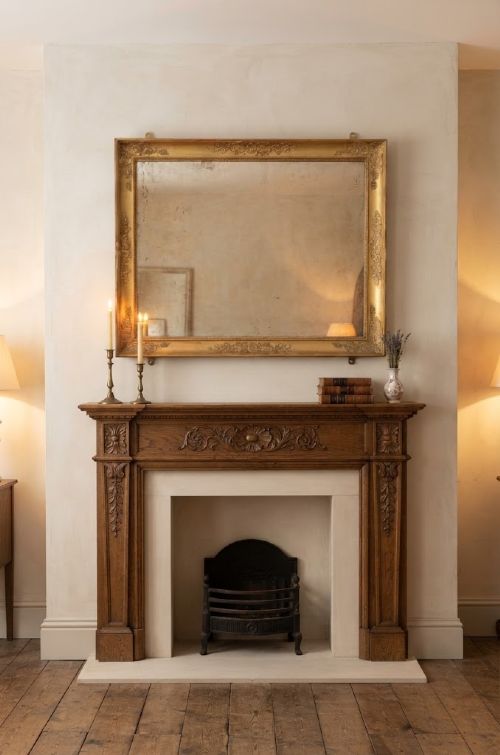
An antique wooden overmantel anchors a room above the fireplace, bringing depth and period character to domestic interiors through substantial timber frames and reflective glass.

Antique Wooden Overmantel
An antique wooden overmantel is a large mirror or architectural panel designed specifically to sit above a mantelpiece, drawing the eye upwards and reflecting light across the room. The selection here leans heavily towards 19th-century Victorian and Edwardian examples alongside earlier stylistic revivals.
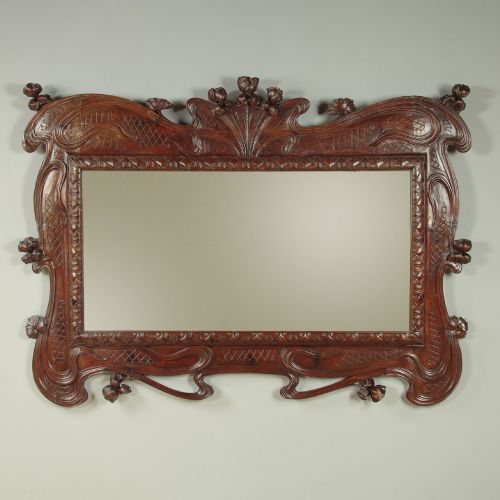
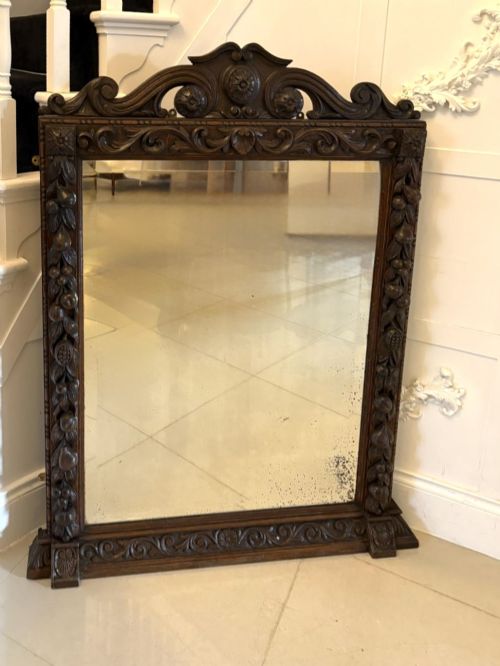
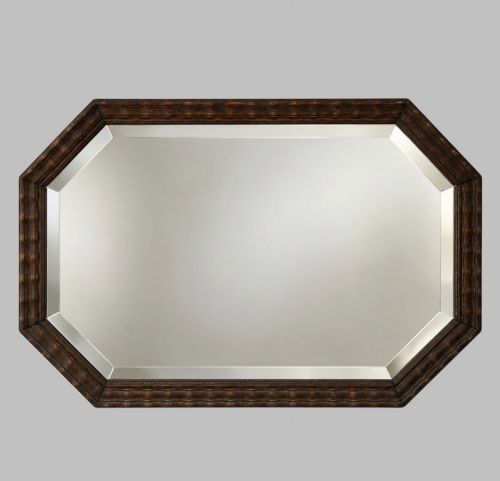
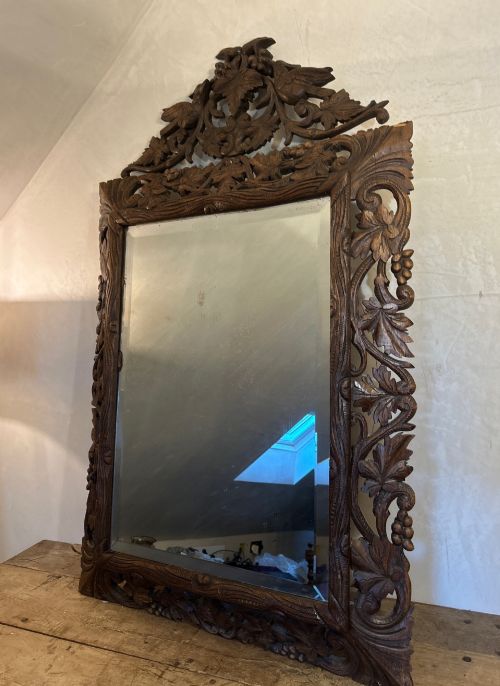
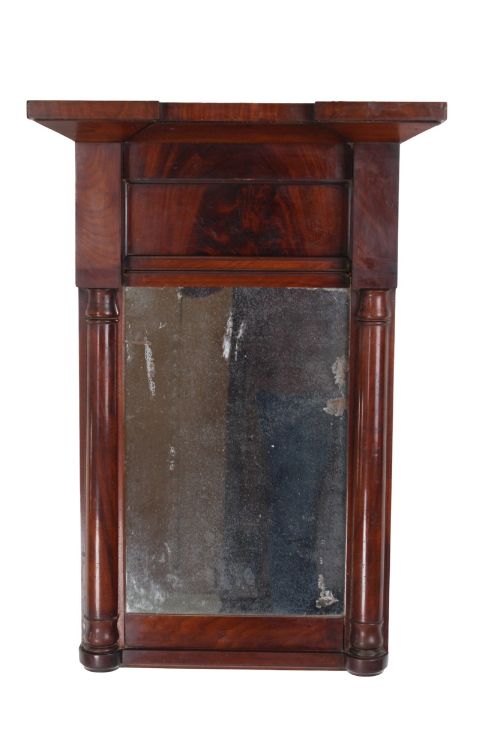
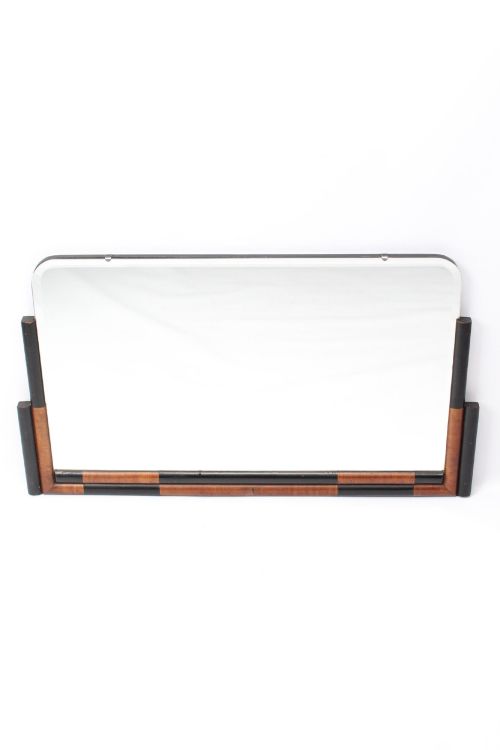
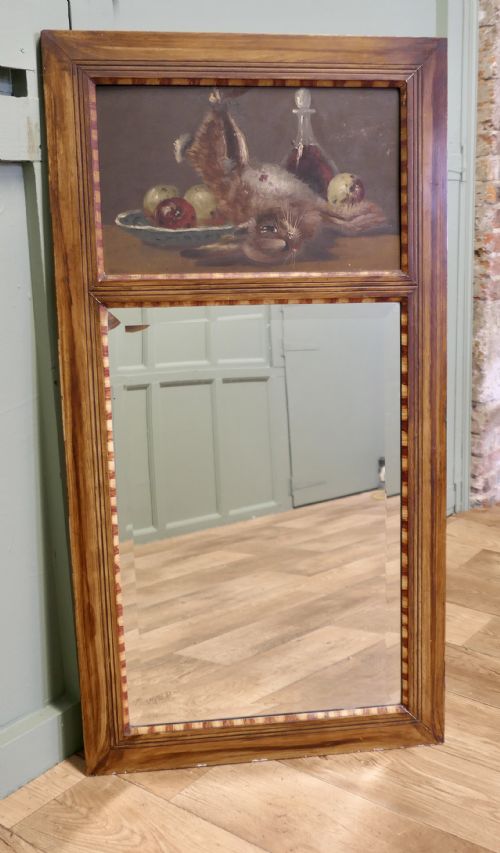
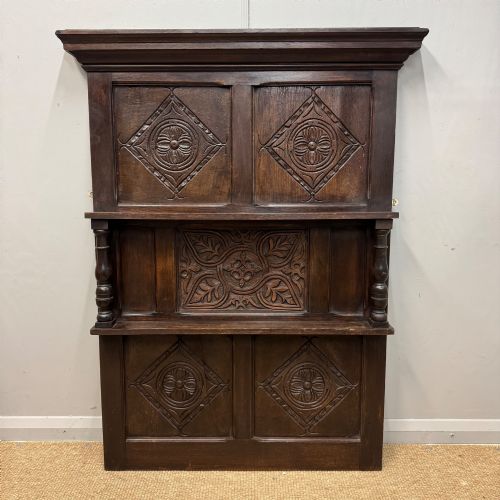
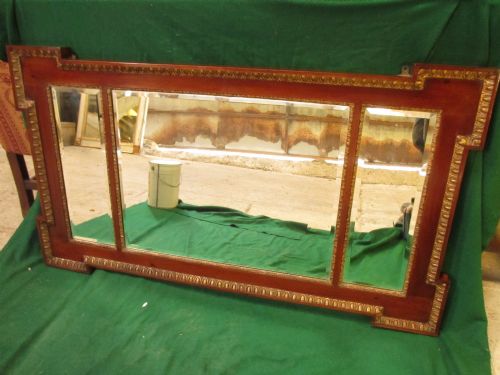
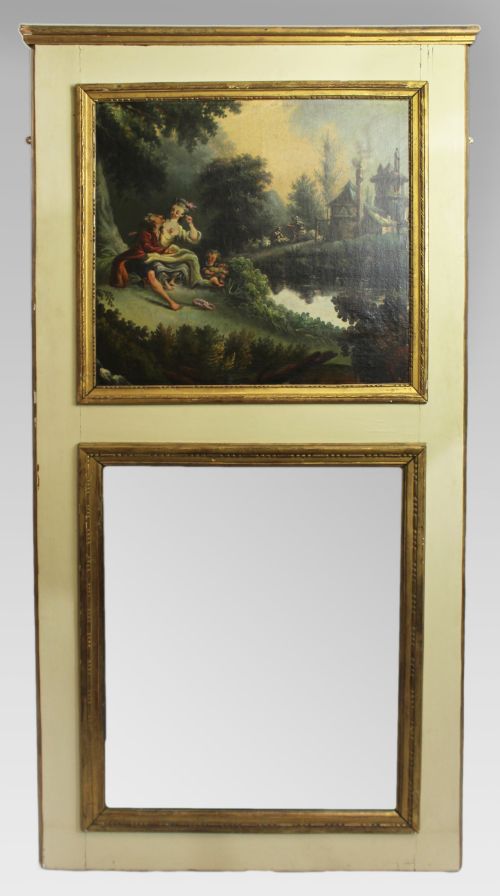
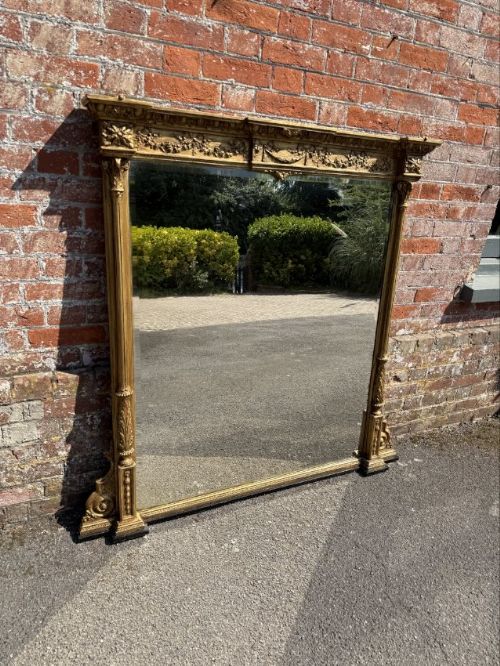
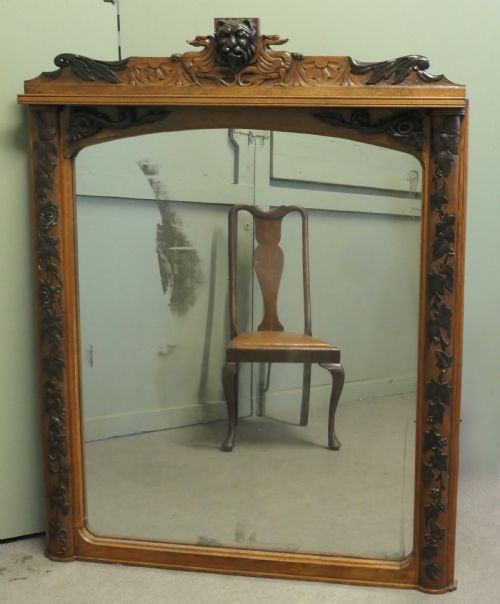
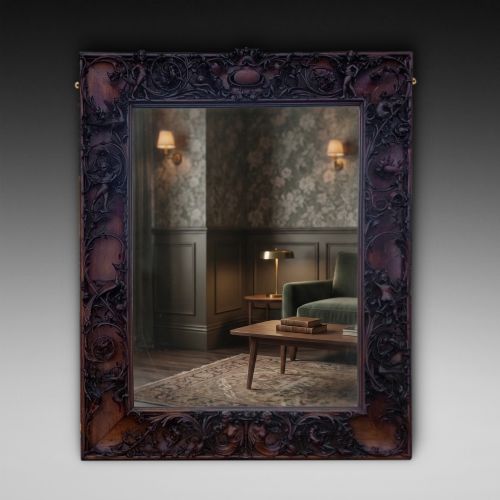
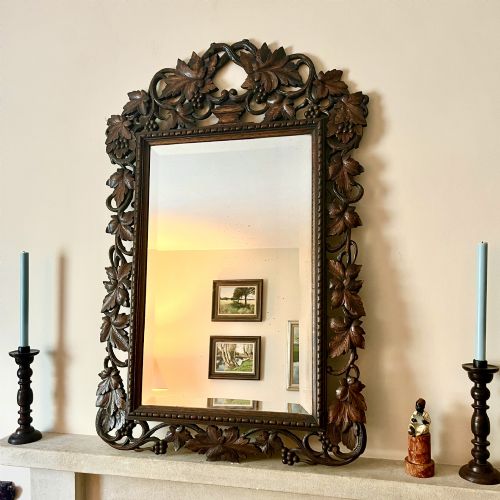
Buyers will encounter heavy oak frames, mahogany structures, and giltwood treatments spanning styles from Gothic and Chippendale revivals to Art Nouveau and French trumeau pieces. Forms range from simple rectangular wooden borders to grand architectural panels with carved details and multiple plates.
How They Were Made
Joiners and cabinetmakers constructed these frames using solid hardwoods like oak, mahogany, and walnut, often employing mortise and tenon joints to bear the considerable weight of the glass. Carved ornamentation, whether linear or deeply relief-sculpted, was worked directly into the timber or built up using gesso over wood.
Gilding techniques applied gold leaf or metallic finishes over prepared gesso surfaces, whilst decorative panels incorporated hand-painted pastoral scenes or marquetry inlay. Glass plates were typically bevelled at the edges and secured within the rear framework using traditional wooden slips.
Design influences range from French Rococo and Art Nouveau to Regency, Edwardian, and Gothic Revival styles.
What Varies in Quality
Quality rests upon the depth and crispness of the carving, distinguishing machine-milled mouldings from hand-chiselled detail executed by skilled hands. The choice of primary timber and the integrity of the original joints dictate structural longevity.
The sophistication of the surface finish - whether the preservation of untouched patination on raw oak or the careful application of historic gold leaf and gesso - separates standard decorative items from finer examples.
Waring and Gillow·Liberty and Co
The Antique Wooden Overmantel Glossary
- Overmantel
- A mirror or decorative panel built to sit directly on top of the mantelpiece against the chimney breast. These pieces visually connect the fireplace to the broader wall elevation.
- Trumeau
- A decorative architectural mirror or panel featuring an oil painting or carved motif set into the upper section above the glass. Originating in France, they often integrated into wall panelling.
- Gesso
- A plaster-like mixture applied to wooden frames as a smooth base for gilding or intricate moulded relief work. It allows for sharp, detailed sculptural ornamentation.
- Pier glass
- A tall, narrow mirror designed specifically to hang on the wall space between windows, though the term frequently overlaps with mantel mirrors in period usage.
- Chippendale Revival
- A late 19th-century decorative style emulating the mid-18th-century designs of Thomas Chippendale. Pieces often feature elaborate fretwork, mahogany grain, and motifs such as Ho-Ho birds.
Antique Wooden Overmantel: Frequently Asked Questions
How do I hang a heavy overmantel?
These pieces require secure fixing directly into masonry or heavy wall studs using substantial brackets due to their considerable weight. Professional installation ensures the timber frame and glass remain stable against the chimney breast.
Resting the weight on the mantel shelf itself while securing the top to the wall provides additional safety and structural support for larger Victorian and Edwardian examples.
Will an overmantel fit my fireplace?
Proportion dictates success when pairing an overmantel with a fireplace, as the frame width should ideally match or sit comfortably within the footprint of the mantel shelf below. Measuring both the horizontal span of the surround and the available vertical height to the ceiling prevents awkward scale clashes.
Low ceilings call for landscape-oriented panels or triptych mirrors, whilst tall chimney breasts accommodate vertical trumeau styles and grand architectural frames.
How do I clean antique mirror glass?
Cleaning requires mild, non-ammonia solutions applied sparingly to a soft cloth rather than directly onto the glass, preventing liquid from seeping behind the silvering or into the wooden rabbet. Gentle wiping preserves the original silver backing and prevents moisture damage.
Historic mirror plates often exhibit foxing or dark age spots, which form part of the authentic patina and should be treated with care rather than scrubbed away.
How do I identify the period?
Dating relies on examining the framing timber, the construction of the rear boards, and stylistic clues such as carving motifs or the bevel of the glass. Victorian pieces frequently use dense oak or walnut with heavy relief, whereas Edwardian and later examples introduce lighter marquetry or simpler geometric lines.
Screws, backboards, and fixings visible on the reverse offer further physical clues to the era of manufacture, often corroborating the stylistic cues of the front facade.