
Antique Wooden Ottoman
An antique wooden ottoman brings solid timber and textured upholstery together, offering practical seating or storage with undeniable historical character.
Antique Wooden Ottoman
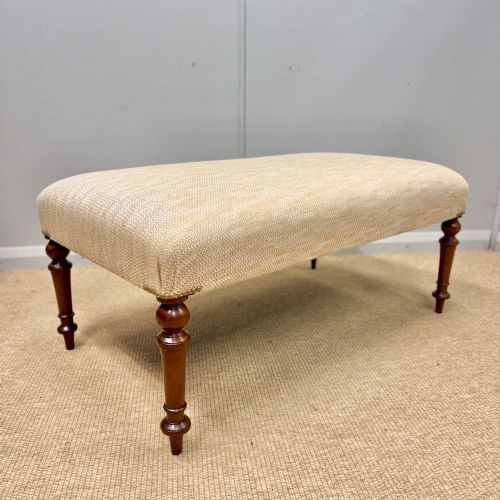
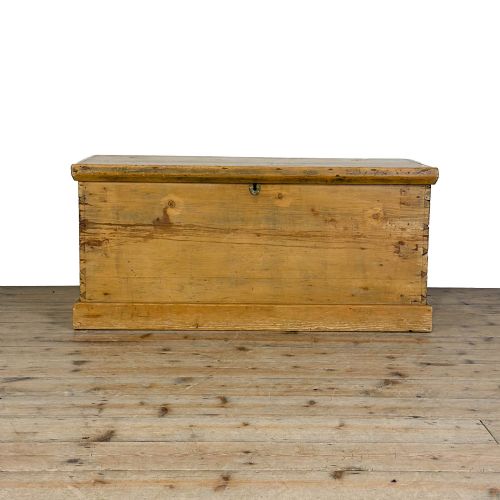
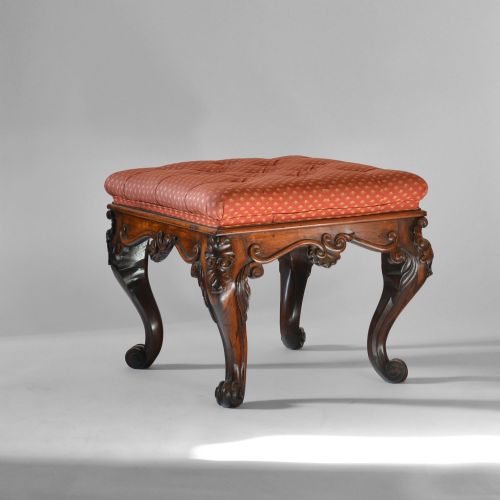
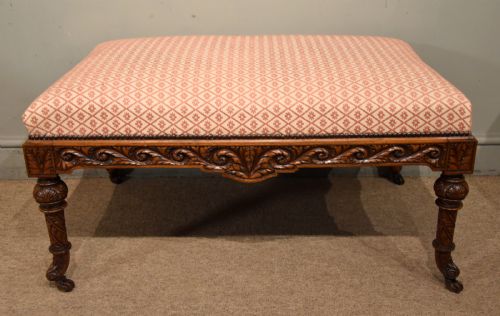
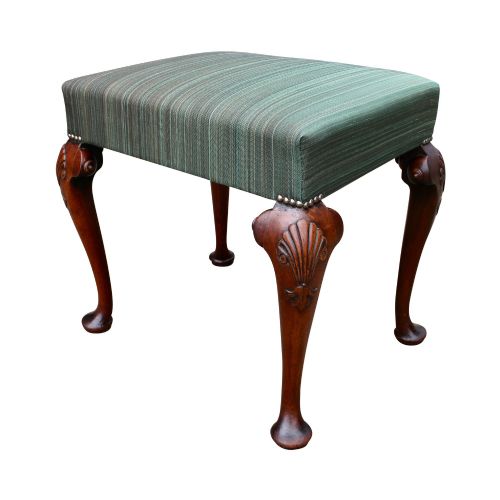
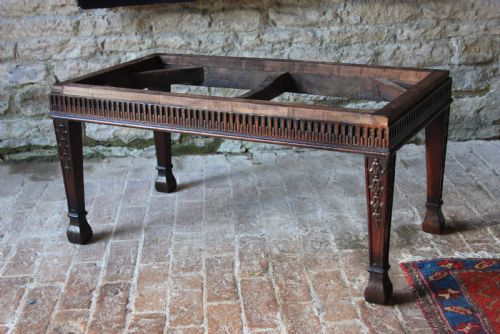
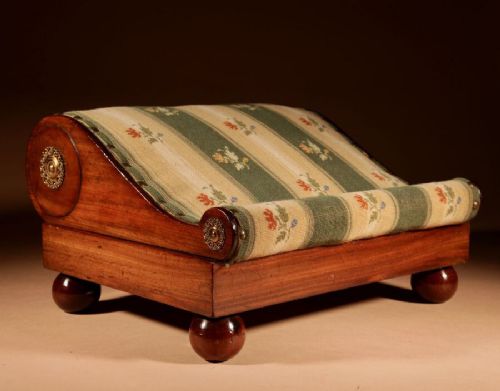
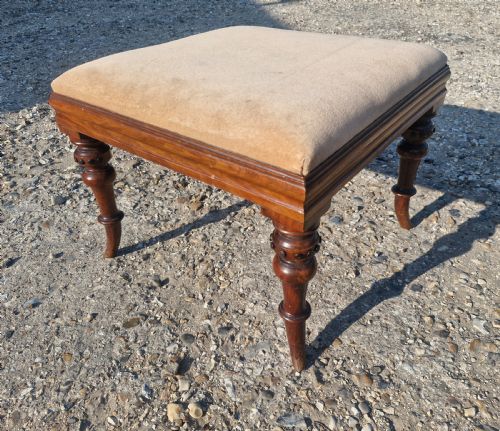
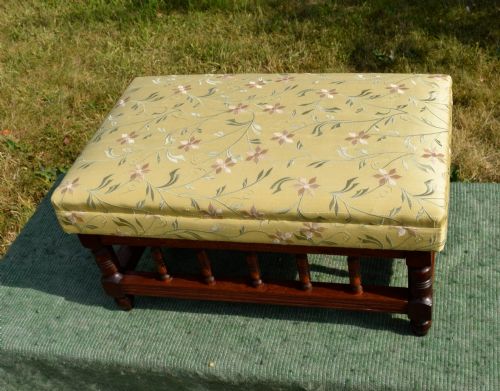
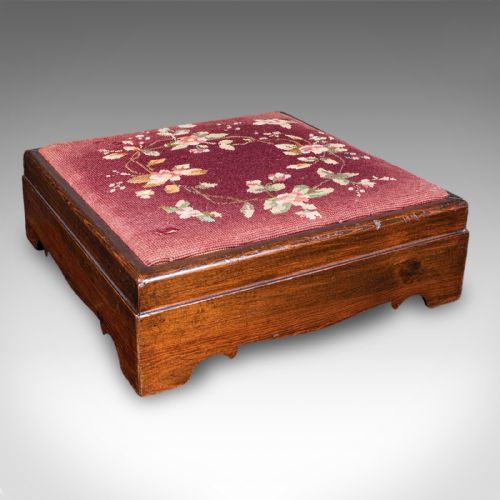
An antique wooden ottoman encompasses sturdy footstools, low benches, and carved storage trunks made from solid timber. These items serve both functional and decorative purposes within traditional and contemporary rooms.
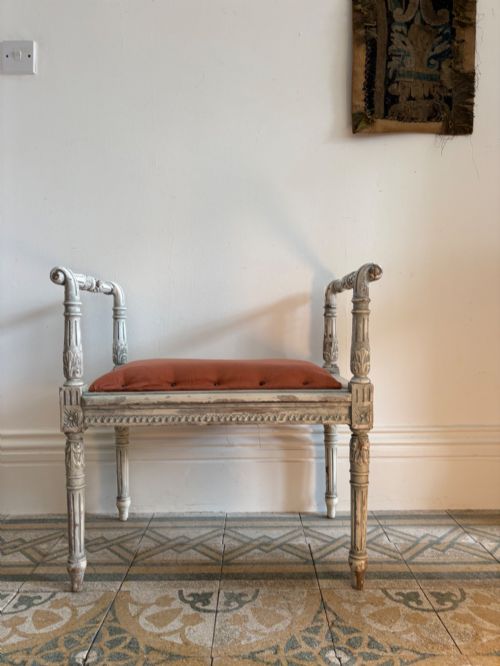
The selections span the nineteenth century and the early twentieth century, including styles such as Victorian, Moorish Revival, and various regional European designs. Buyers will frequently encounter walnut, mahogany, and pine frames alongside heavily inlaid or upholstered surfaces.
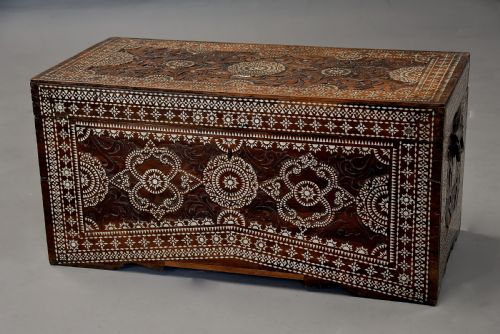
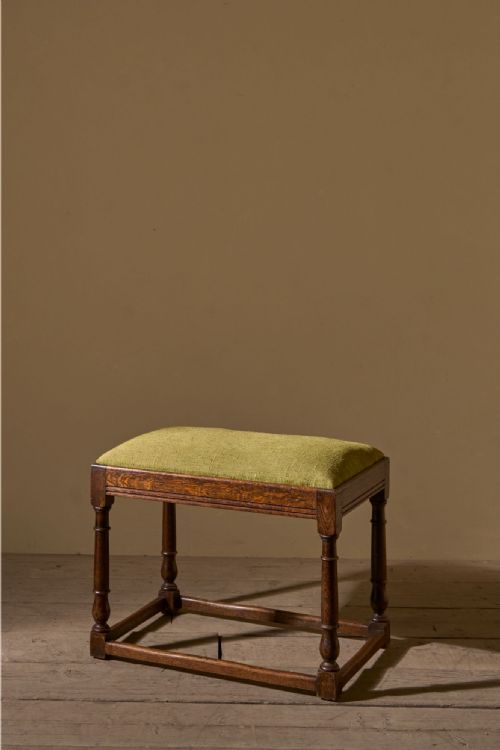
Forms range from simple footstools and blanket boxes to elaborate Syrian and Anglo-Indian inlaid chests. Each piece reflects the domestic habits and craftsmanship of its respective period.
How they were made
Carpenters utilised durable native and exotic timbers including oak, walnut, mahogany, and pitch pine to construct the foundational frames. Joinery techniques such as mortise and tenon ensured structural longevity for items subject to daily weight and movement.
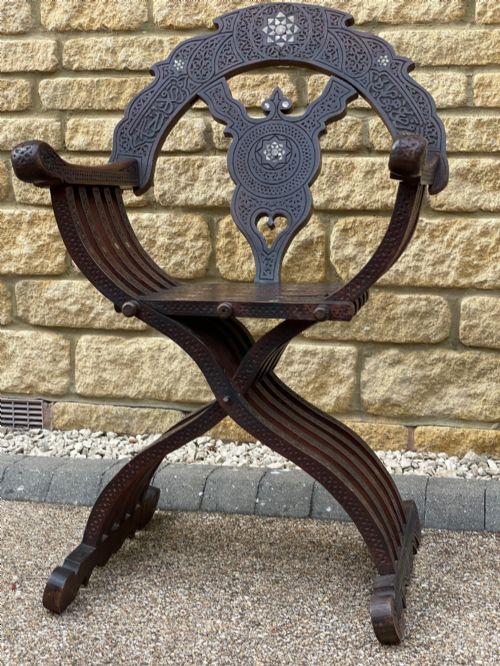
Decorative surfaces often incorporated intricate inlays of bone and mother-of-pearl, particularly on pieces originating from the Middle East. Skilled artisans also applied detailed hand-carving directly into the solid wood before finishing the exterior with wax, paint, or polish.
Listings feature items constructed from walnut, mahogany, pine, oak, bone, and mother-of-pearl across the Victorian and Edwardian periods.
What varies in quality
The standard of timber selection and the complexity of hand-carving or inlay work dictate the upper tiers of quality. Pieces featuring dense hardwoods like walnut and intricate geometric mother-of-pearl patterns demonstrate superior workshop execution.
The integrity of the underlying frame and the quality of the textile or linen upholstery dictate durability and historical fidelity. Items retaining original structural joinery and sympathetic surface treatments command greater regard among collectors.
Miles & Edwards
The Antique Wooden Ottoman Glossary
- Ottoman
- A low upholstered seat or footstool typically lacking arms or a back. It often doubles as a storage box when constructed with a hinged lid.
- Inlay
- A decorative technique where small pieces of contrasting materials such as bone or mother-of-pearl are embedded into the wooden surface. This creates flat, ornate patterns across tables, chairs, and chests.
- Curule
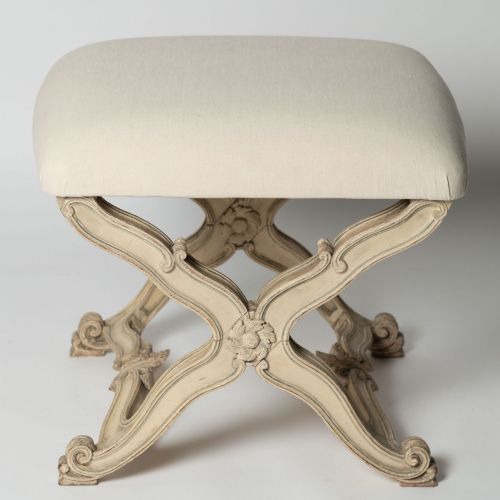
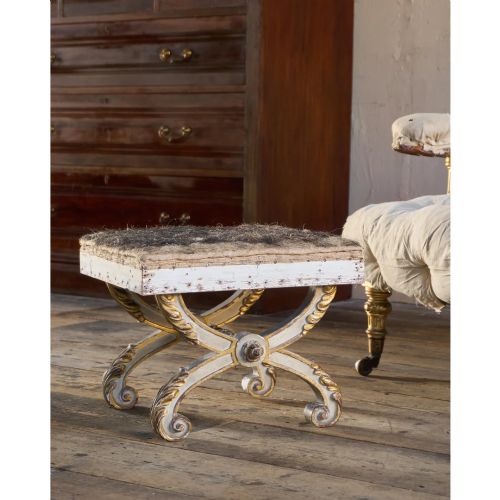
- An ancient chair shape featuring intersecting curved legs that form an X-frame. This design appears in nineteenth-century adaptations.
- Mashrabiya
- An architectural window screen or woodwork element characterised by intricate lattice patterns. It frequently influences the decorative panels found on Syrian and Middle Eastern furnishings.
- Trunk
- A large rectangular box used for transporting or storing personal belongings. Wooden variants often feature hinged lids and sturdy iron or brass hardware.
Antique Wooden Ottoman: Frequently Asked Questions
What is an antique wooden ottoman?
An antique wooden ottoman is a historic seating or storage piece constructed from timbers such as walnut, mahogany, pine, or oak. These items range from simple nineteenth-century footstools to elaborately inlaid chests.
They reflect the domestic utility and decorative tastes of periods spanning the Victorian era through the early twentieth century. Their solid construction allows them to continue functioning in modern interiors.
How were these pieces used originally?
These items functioned primarily as footstools, fireside seats, or storage chests for blankets and personal belongings in period homes. Elaborate inlaid tables and trunks also served as display surfaces for lamps and decorative objects.
In larger houses, low stools provided flexible seating around reception rooms. Storage trunks kept textiles safe from dust while doubling as casual benches.
How do I care for wooden ottomans?
Maintain the timber by applying appropriate natural waxes and avoiding direct placement near heat sources or strong sunlight. Protect inlaid surfaces by dusting gently with a dry, soft cloth.
Upholstered sections benefit from regular light vacuuming and professional cleaning when necessary to preserve fragile historic textiles. Proper humidity control prevents the wood from warping and keeps inlay secure.
How do I identify the period?
Period identification relies on examining the timber species, joinery methods, decorative carving styles, and hardware. Victorian pieces often feature heavy walnut or rosewood, whereas Edwardian items frequently utilise pitch pine.
Stylistic markers such as Moorish inlay or Neoclassical proportions help narrow down the decade of manufacture. Comparing these elements against known historical designs clarifies the timeline.