


Antique Wooden Headboard
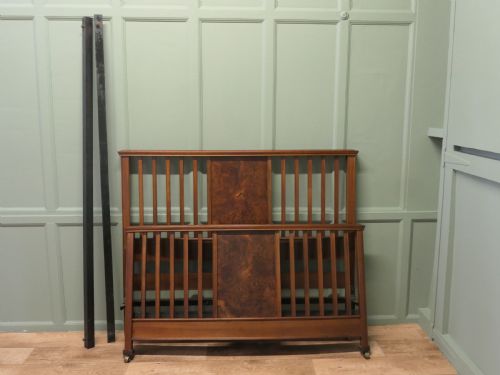
An antique wooden headboard brings architectural presence to a bedroom, offering a grounding backdrop of carved timber or figured veneer.
Antique Wooden Headboard
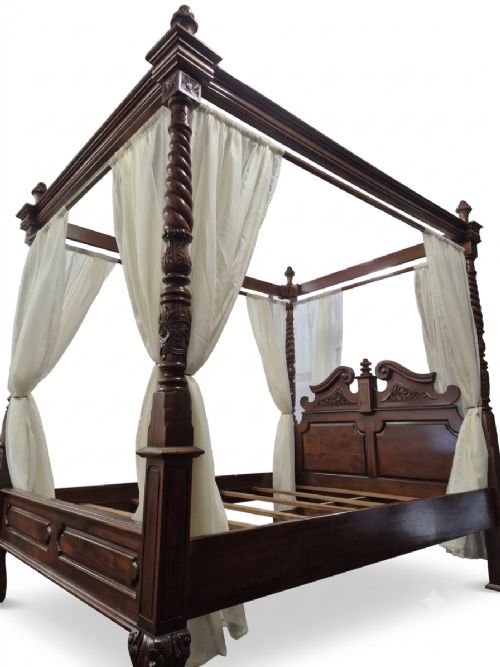
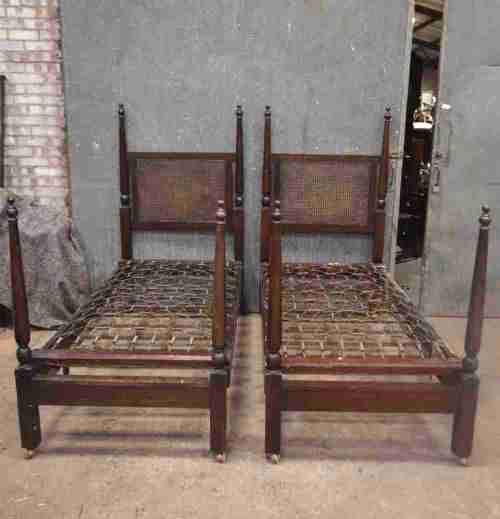
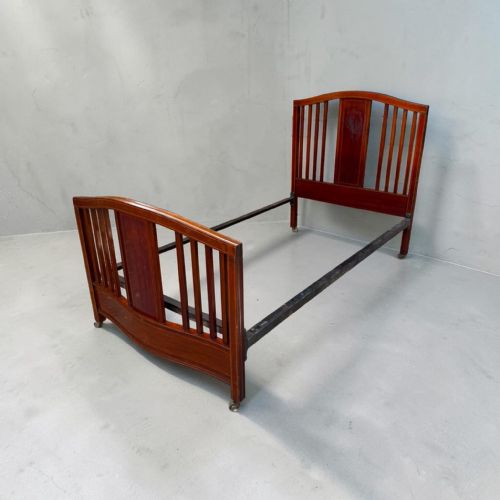
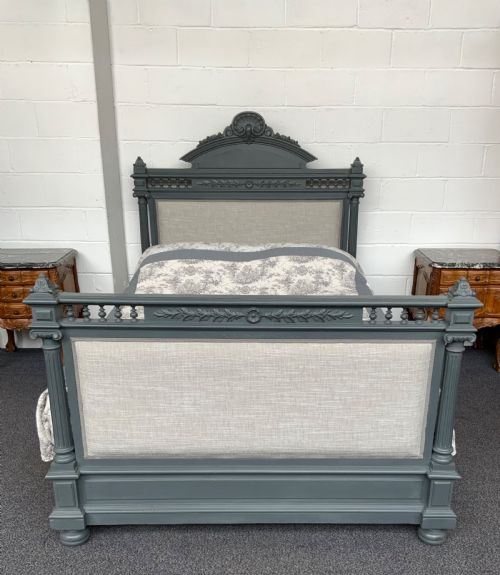
An antique wooden headboard often derives from larger bed frames, four-posters, or panelled bedsteads catalogued across various historical periods.
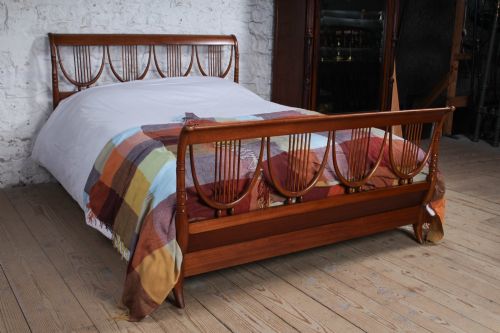
Buyers encountering this search phrase find single, double, and king-sized examples spanning the seventeenth century through to the Art Deco era.
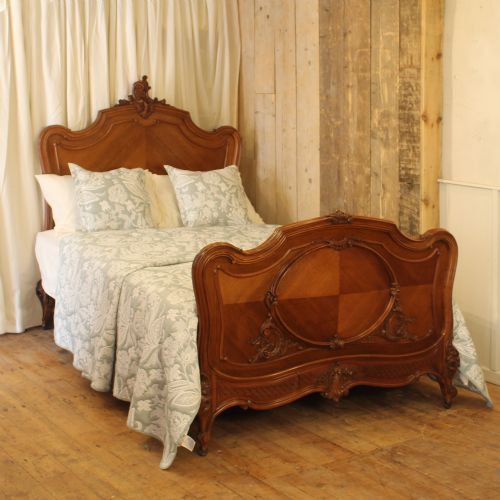
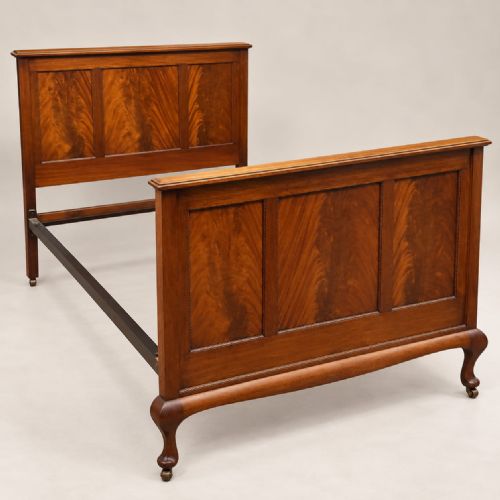
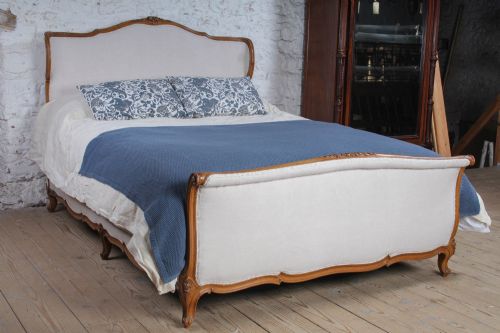
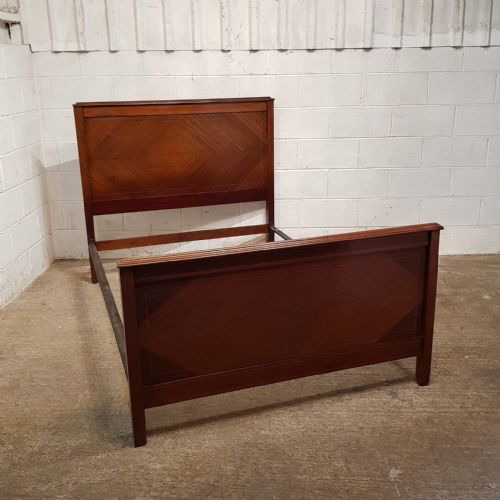
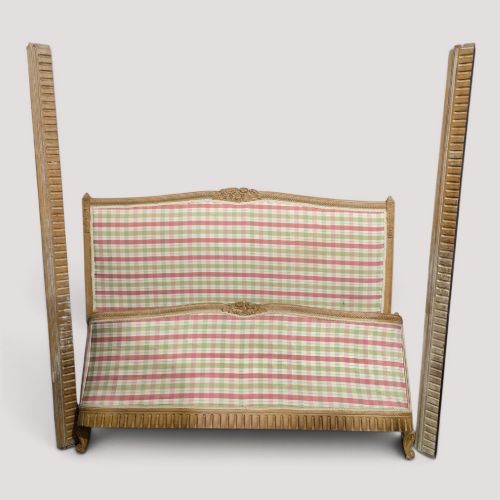
The selection ranges from robust oak panels and Edwardian mahogany frames to French walnut and burl veneers shaped in distinct historical styles.
What varies in quality
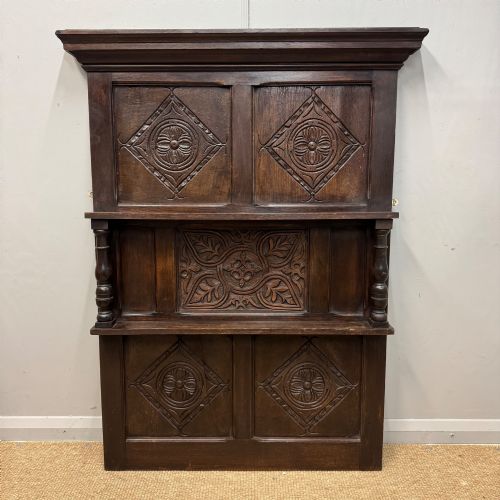
The depth and precision of hand carving distinguish superior examples from simpler production pieces, particularly on Edwardian and Victorian frames.
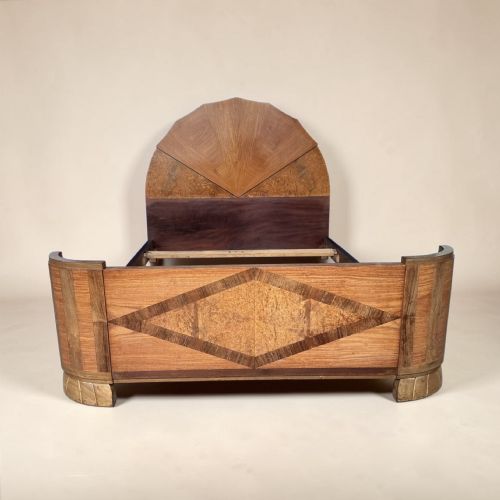
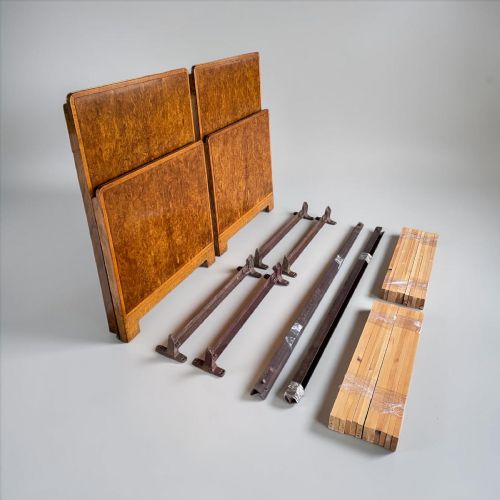
Selection of timber grain, such as heavily figured walnut or matched burr veneers, dictates the visual impact of the finished piece.
Listings span from seventeenth-century English oak to Art Deco blonde maple, incorporating French walnut, mahogany, and brass.
Waring & Gillow England
The Antique Wooden Headboard Glossary
- Bedstead
- A framework of a bed supporting the mattress and springs. It encompasses the headboard, footboard, and side rails.
- Bergere
- A closed upholstered armchair or bed frame component featuring cane panelling. This technique provides a light, textured surface.
- Tester
- A wooden canopy over a bed, supported by posts or attached to a wall. It is frequently seen on seventeenth-century English oak examples.
- Quarter-veneered
- A method of arranging four matching veneer slices cut from the same log to create a symmetrical pattern. This technique highlights the natural grain of walnut.
- Inlay
- A decorative technique where contrasting woods or materials are inserted into recesses in the primary timber. Satinwood is commonly utilised for this purpose.
Antique Wooden Headboard: Frequently Asked Questions
How do I mount an antique wooden headboard?
Many older pieces form part of an integrated bedstead with side rails and a footboard rather than standing alone as a bolt-on panel. Adapting a separate panel to modern divan bases requires bespoke wall mounting or custom brackets.
Assessing the weight of solid oak or walnut frames is essential before installation to ensure the wall fixings can bear the load safely.
Are these pieces standard modern bed sizes?
Older bed frames frequently deviate from contemporary metric dimensions. Single, double, and king-size categorisations applied to nineteenth and early twentieth-century furniture often require custom mattress sourcing.
Checking exact internal width and length measurements prevents fitting issues when pairing historical timber frames with modern bedding.
How do I care for antique wood finishes?
Maintaining French polished or waxed timber requires minimal moisture and regular dusting with a soft cloth. Avoiding direct sunlight prevents the walnut and mahogany veneers from fading over time.
Applying a traditional beeswax feed periodically helps nourish the dry grain of older woods without building up synthetic residues.
How do I distinguish Edwardian from Victorian pieces?
Victorian bed frames often display heavier proportions, dark mahogany or walnut timbers, and deep button-backed upholstery. Edwardian designs frequently introduce lighter satinwood inlays, cleaner lines, and brighter polished surfaces.
Examining the construction methods and hardware behind the frame often clarifies the manufacturing decade when stylistic cues overlap.