


Nineteenth Century Bed
A nineteenth century bed brings substantial presence to a bedroom, offering heavy timber frames or gleaming metal work that anchor the room entirely.
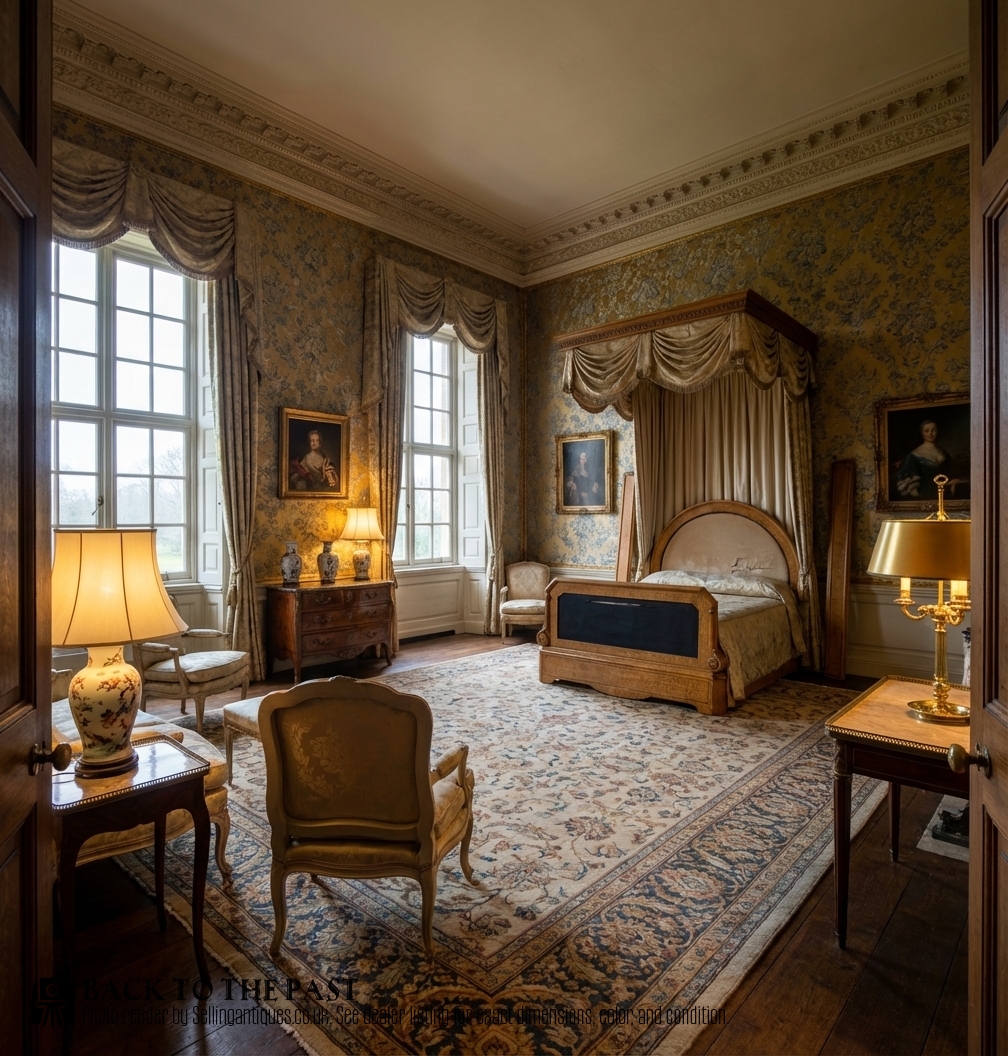
Nineteenth Century Bed
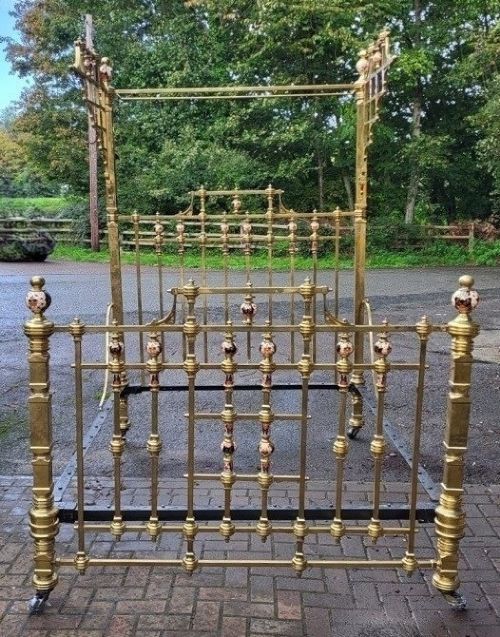
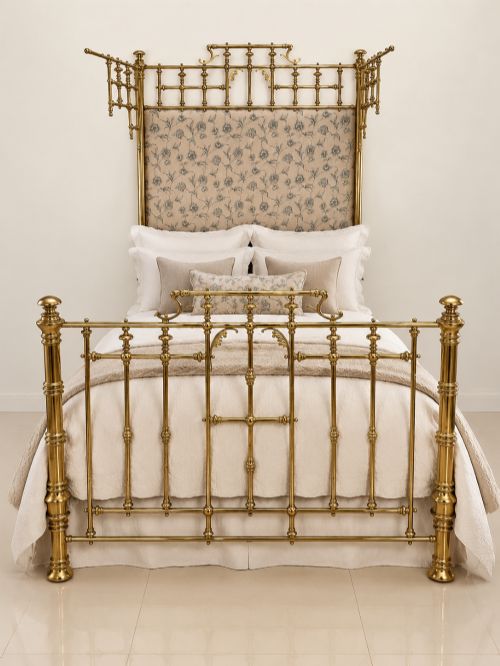
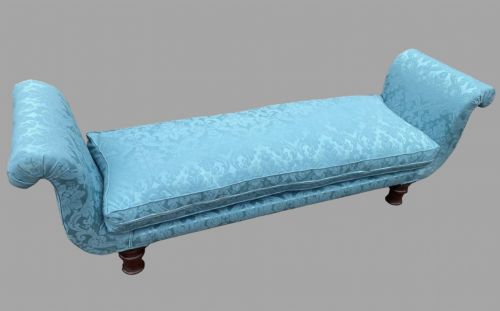
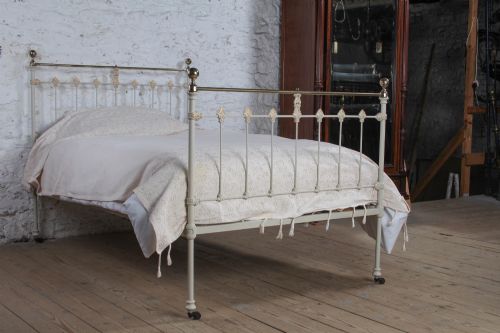
A nineteenth century bed spans robust iron and brass frames alongside substantial mahogany and walnut bedsteads shaped by Victorian, Regency, and Georgian design traditions. Buyers searching this phrase meet full bed frames, half testers, and daybeds originating from British and French workshops.
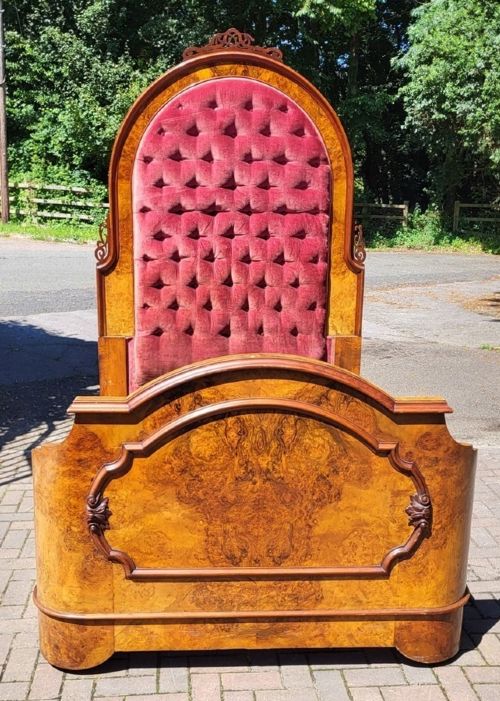
The selection frequently includes heavy brass half tester beds alongside timber bedsteads built from flame mahogany and burr walnut. Alongside full size frames, smaller single variations and daybeds appear regularly across the inventory.
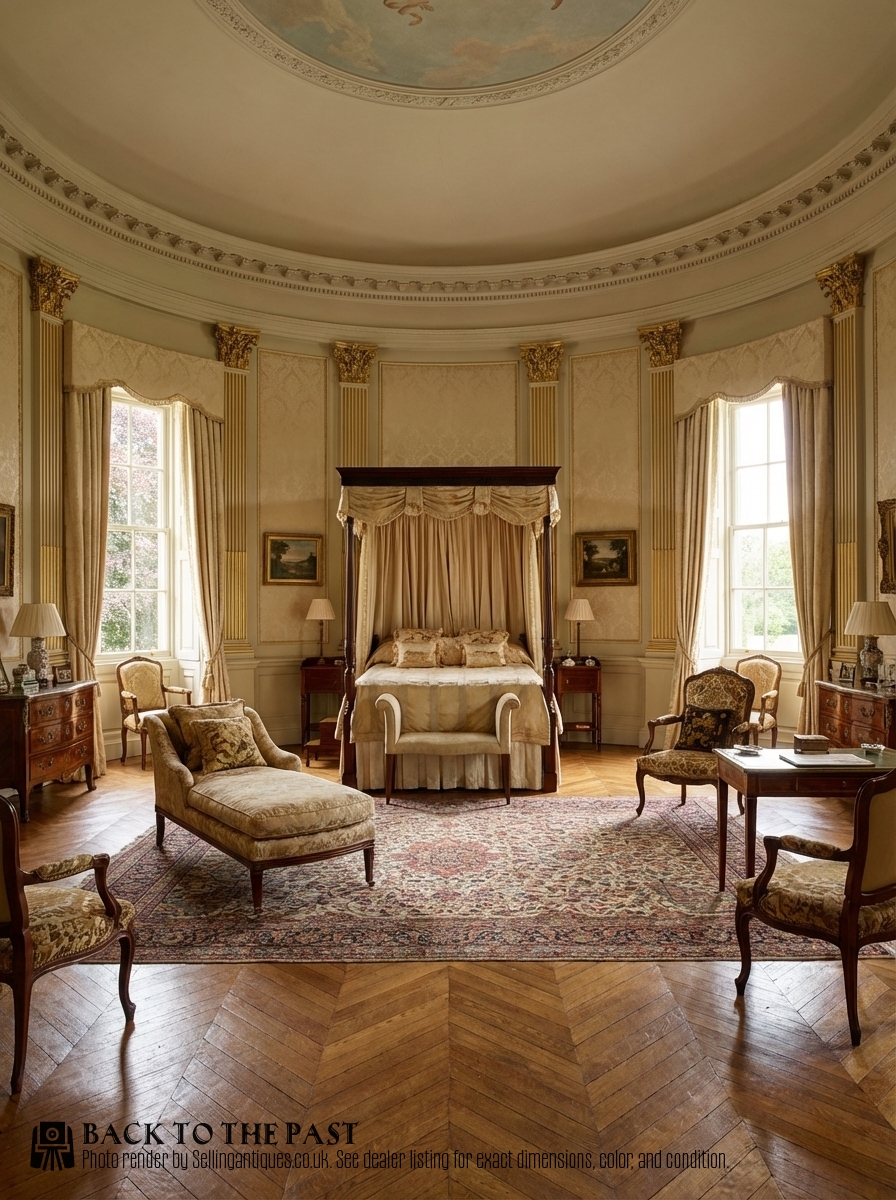
How they were made
Constructed primarily from solid timber and cast metals, these pieces combine heavy mahogany, walnut, and ash with cast iron and solid brass components. Woodwork relies on deep grains, flame veneers, and hand-carved panels assembled with traditional joinery.
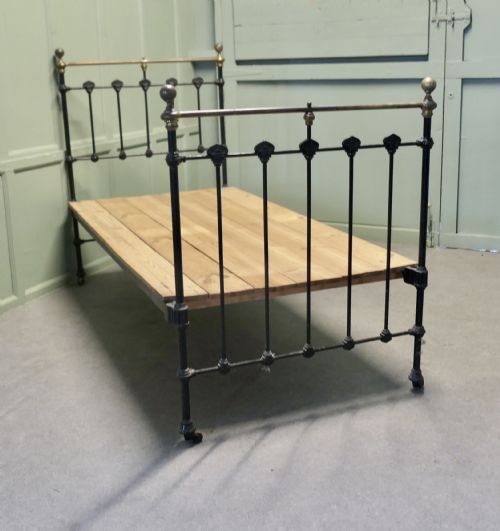
Metal frames utilise cast iron and brass tubing, frequently enhanced with ormolu details or button-backed upholstery in fabric and velvet. Structural stability depends on heavy side rails and iron fixings designed to support substantial mattresses.
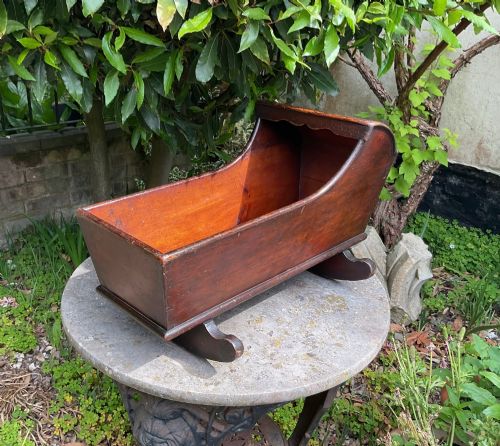
At least one nineteenth century bed was built specifically for a dog.
What varies in quality
Quality rests in the crispness of metal casting and the depth of timber grain, distinguishing standard production frames from exhibition pieces with intricate brass work. Superior examples display carefully matched veneers and heavier gauge metals that maintain structural integrity.
The weight of the brass, the complexity of the turned woodwork, and the preservation of original side rails separate standard utility pieces from high-status bedroom furniture.
Holland and Sons·Shapland and Petter·Willian Trotter
The Nineteenth Century Bed Glossary
- Half tester
- A bedstead featuring a partial canopy extending only partway over the head of the mattress rather than covering the full length.
- Lit Bateau
- A French bed style featuring curved head and footboards resembling the sweeping hull of a boat.
- Ormolu
- Gilded bronze ornamentation applied to furniture frames to provide decorative metallic contrast against dark woods.
- Bedstead
- The complete supporting framework of a bed, including headboard, footboard, and side rails.
Nineteenth Century Bed: Frequently Asked Questions
Will a nineteenth century bed fit modern mattresses?
Many nineteenth century bed frames were built to historical dimensions rather than standard modern sizing. Measuring the internal gap between side rails ensures a contemporary mattress will drop securely into place.
Some frames require custom mattress dimensions or minor interior adjustments to accommodate modern widths and lengths safely.
How do I assemble a brass and iron bed?
Most metal bedsteads utilise slot-in corner brackets and heavy side rails that wedge securely into the headboard and footboard posts. Gravity and the weight of the components lock the structure rigid once assembled.
Using a rubber mallet helps seat iron wedges firmly without damaging the surrounding brass or painted iron surfaces.
How should I care for antique wood bed frames?
Maintaining timber surfaces requires avoiding direct sunlight and maintaining stable room humidity to prevent veneer cracking. Regular dusting with a soft cloth preserves the polish on mahogany and walnut.
Applying microcrystalline wax periodically protects the grain without building up heavy residues over time.