
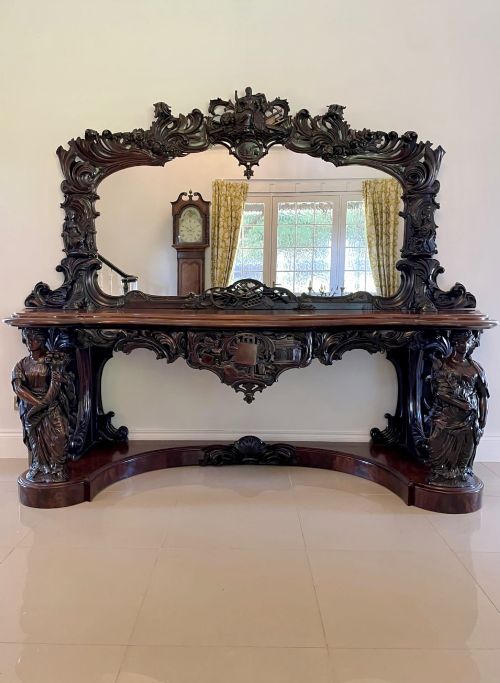
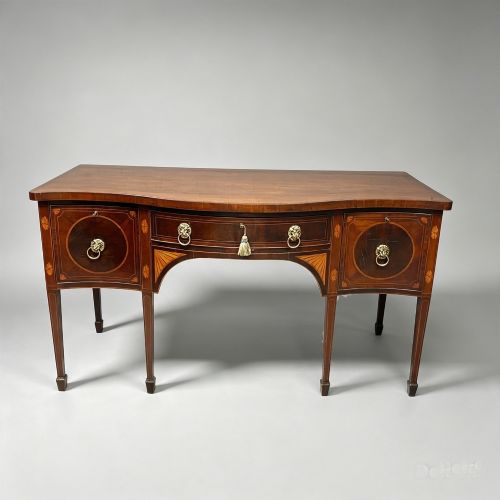
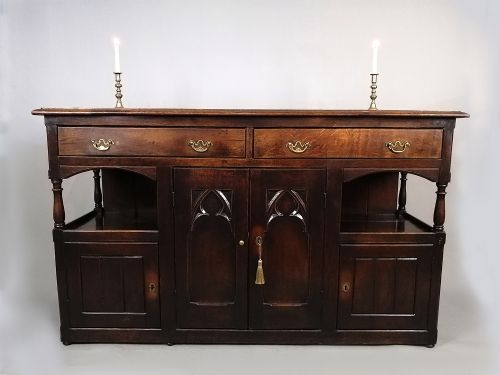
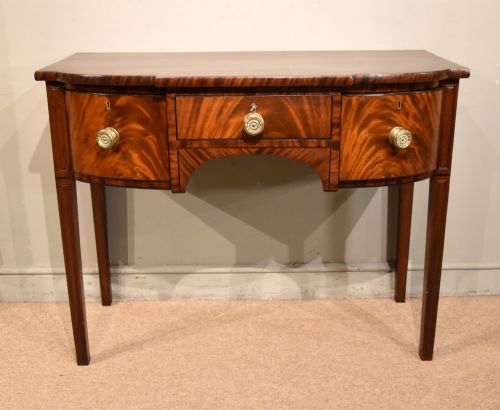
Antique Wooden Buffet Table
An antique wooden buffet table brings heavy timber utility and formal dining presence into a room, spanning periods from George III to Edwardian oak and mahogany designs.
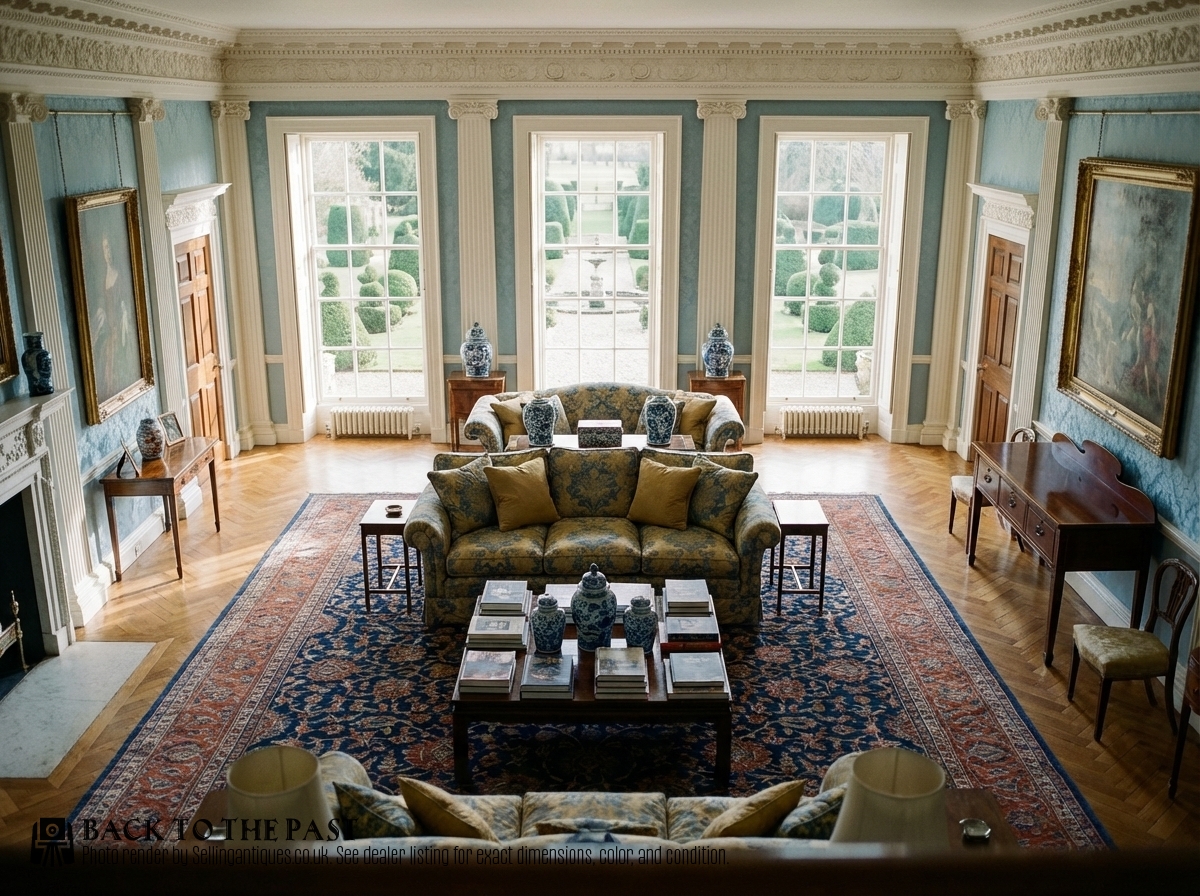
Antique Wooden Buffet Table
When you search for an antique wooden buffet table, you encounter a wide selection of dining room furniture including sideboards, servers, dressers, and console tables. These pieces serve primarily to store tableware, display serving dishes, and anchor a formal dining space.
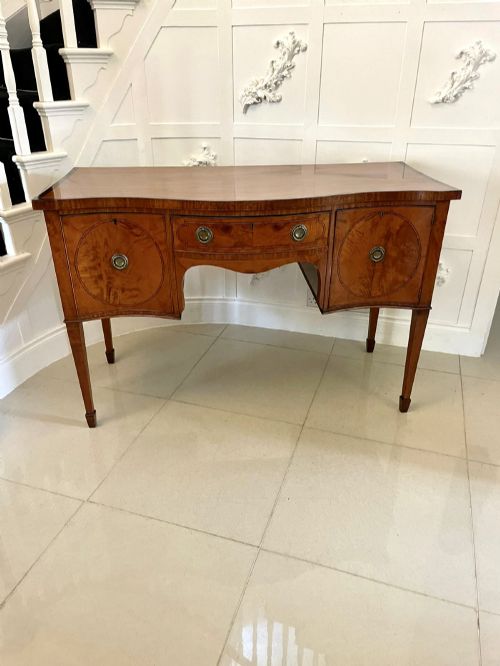
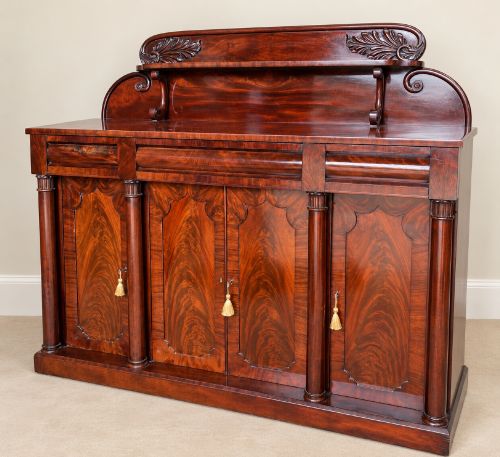
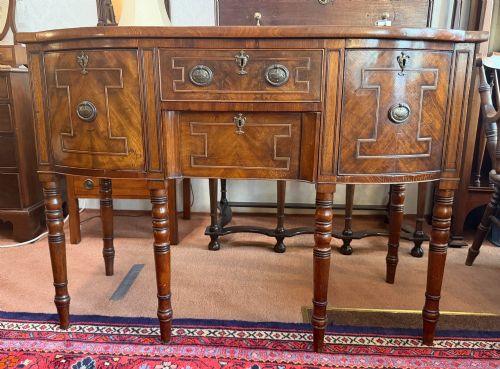
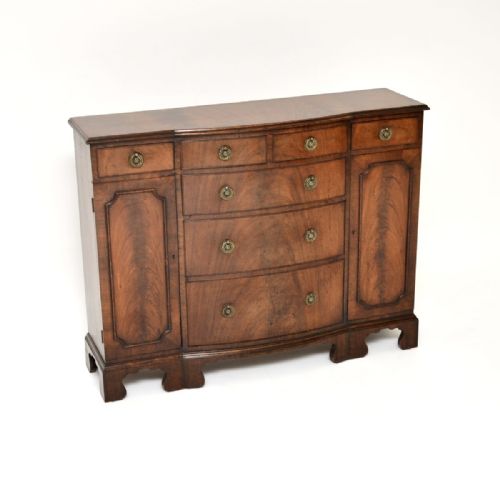
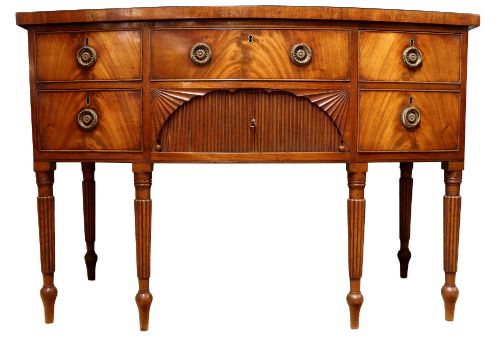
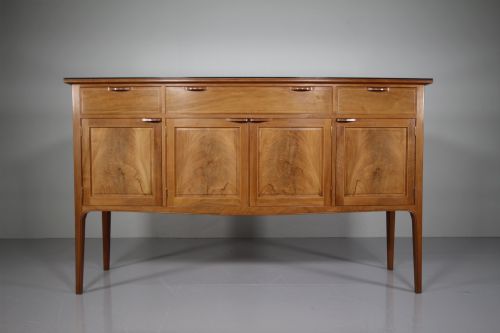
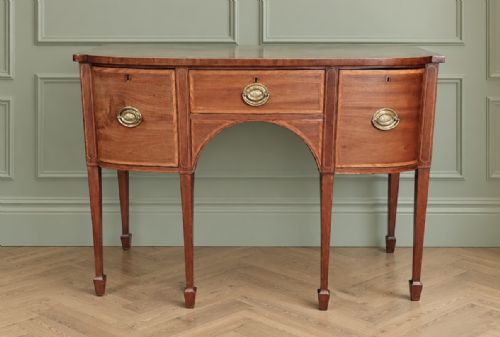
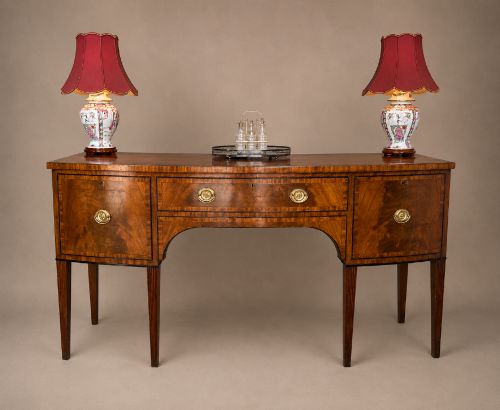
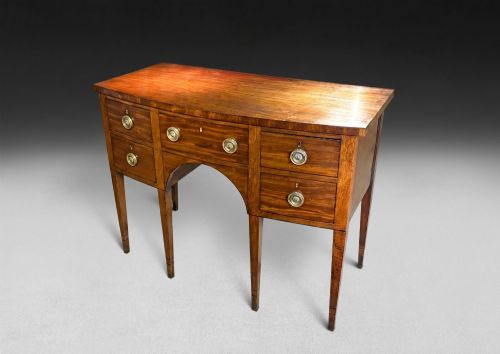
The versions you meet most frequently on this page belong to the Georgian, Victorian, and Edwardian periods. They appear predominantly in mahogany and oak, taking forms such as bow-fronted sideboards, serpentine cabinets, and multi-tiered serving furniture.
Makers and workshops across England, Scotland, and France produced these items to suit domestic dining habits of the eighteenth, nineteenth, and early twentieth centuries. The category encompasses both formal urban dining furniture and heavier regional country pieces.
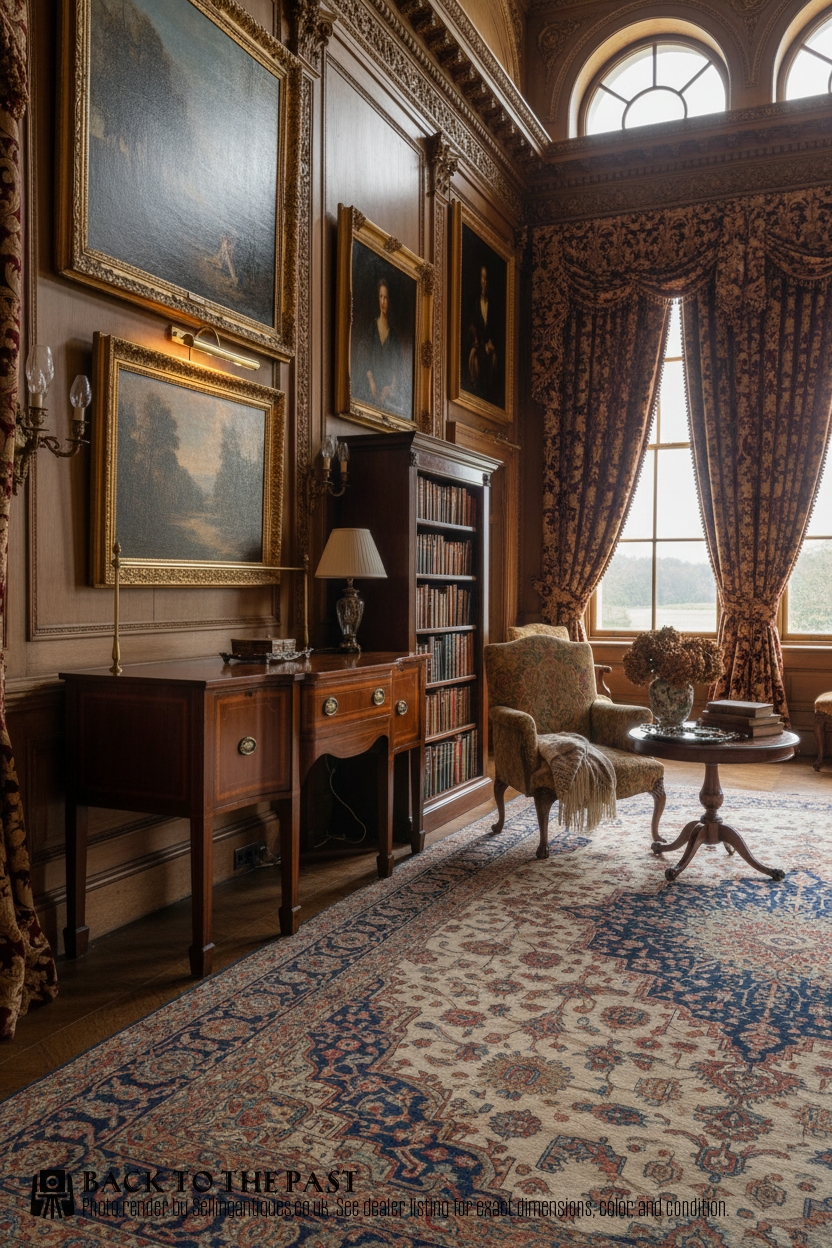
What determines quality
Quality rests upon the selection of timber figures and the precision of the cabinet-making. Superior examples display book-matched veneers, harmonious grain alignment across drawer fronts, and crisp, restrained inlay work rather than heavy applied decoration.
The structural integrity of the piece and the retention of original brass hardware or period-appropriate fittings separate finer formal dining items from simpler utilitarian equivalents. Proportions and the grace of curved fronts further distinguish master workshop production.
Antique Wooden Buffet Table Retail Price Guide 2026
Typical asking prices for wooden buffet table among the pieces listed under this phrase on Sellingantiques today, from the lower quarter to the upper quarter. They describe what is for sale here now, not the wider market.
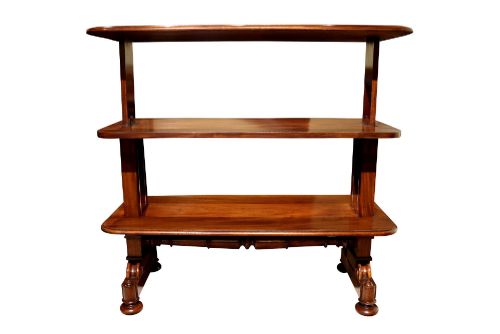
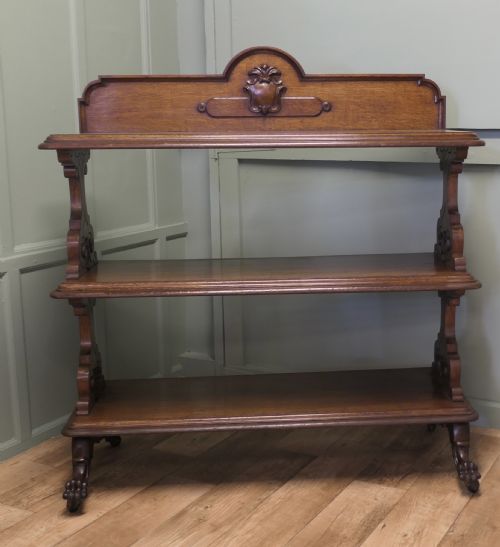
One unexpected Victorian piece combines a rise-and-fall mechanism with three tiers, proving that nineteenth-century dining came with serious engineering.
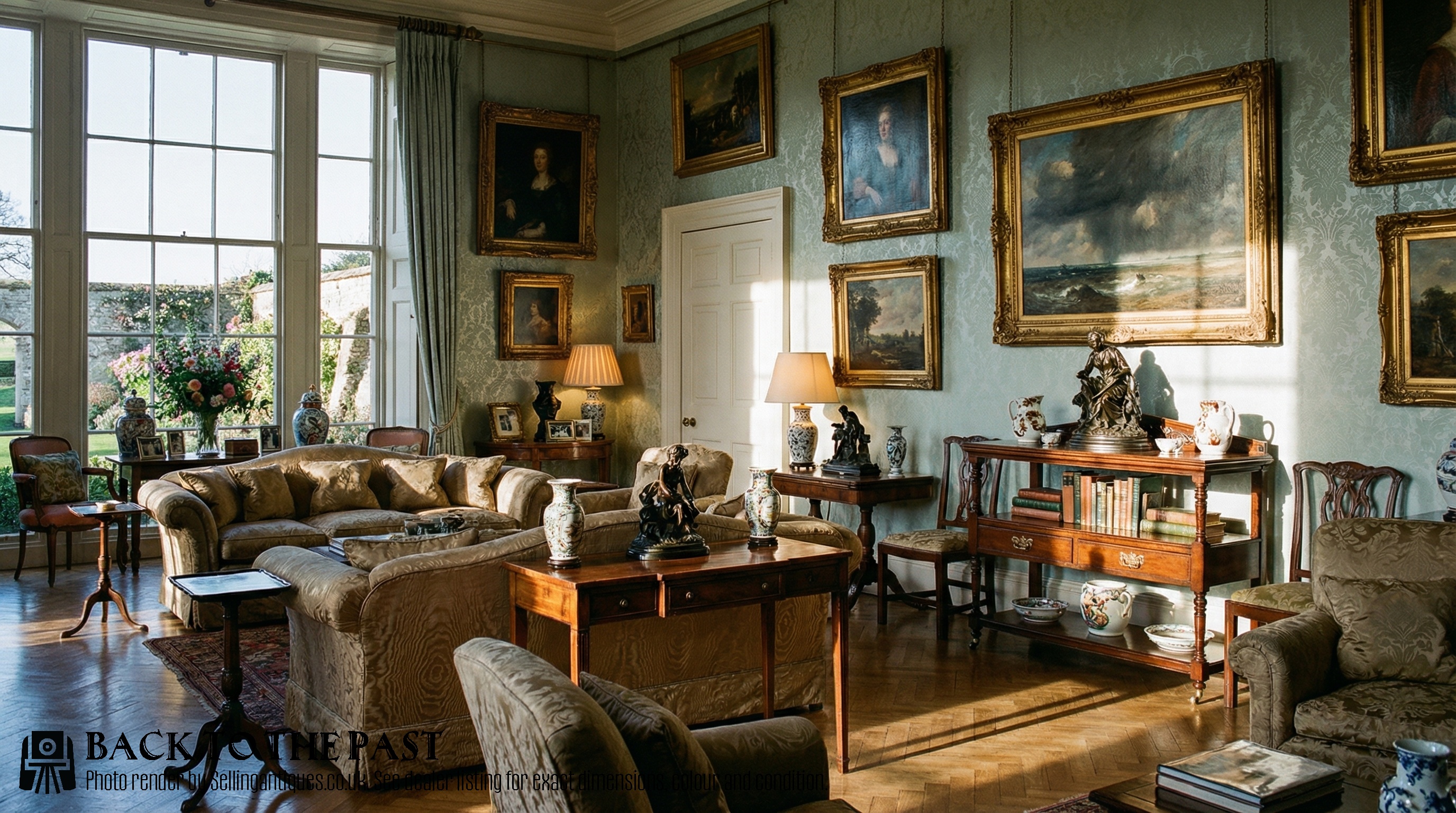
M. D. Miller & Sons
The Antique Wooden Buffet Table Glossary
- Bow-front
- A convex, curved front on a cabinet or sideboard that swells outward in the centre. This shape gained popularity during the Georgian and Regency periods to soften rigid room angles.
- Serpentine
- A shaped furniture front featuring a convex centre flanked by concave curves, forming a continuous wave line. It requires exceptional skill from the cabinet-maker to execute successfully.
- Crossbanding
- A strip of veneer applied to the border of a furniture surface so the grain runs perpendicular to the main panel. It creates a neat framing effect common on finer mahogany and walnut pieces.
- Potboard
- An open slatted lower shelf fitted beneath a dresser base or serving table, traditionally used for storing pots and heavy earthenware. It forms a practical base tier on rural oak furniture.
- Breakfront
- A cabinet design where the central section projects forward from the flanking outer sections. This architectural arrangement adds depth and shadow to large sideboards and serving tables.
Antique Wooden Buffet Table: Frequently Asked Questions
What is an antique wooden buffet table?
An antique wooden buffet table is a dining room storage and serving piece, encompassing sideboards, servers, and dresser bases made from materials like mahogany and oak.
These items range from formal Georgian serpentine designs to utilitarian Victorian oak servers, built to hold tableware and display food during meals.
How do I date a wooden sideboard?
Dating relies on identifying timber choices, stylistic markers, and construction methods. Georgian pieces often show restrained mahogany veneers and bow fronts, while Victorian items introduce heavier carved oak or mirror backs.
Changes in hardware styles and decorative techniques like satinwood inlay or boxwood stringing also help pinpoint the manufacturing period.
Where were these pieces used?
These tables and sideboards served principally in dining rooms, country kitchens, and formal halls of houses across Britain and Europe. They functioned as central staging areas for serving meals before the widespread use of fitted dining furniture.
Today, they transition easily into modern living spaces as hallway consoles, media units, or dining room storage.
What is the difference between a sideboard and a buffet?
A sideboard generally refers to a longer cabinet featuring drawers and cupboards designed specifically for dining room storage. A buffet or serving table often emphasises surface space for dishing up meals, sometimes incorporating multiple tiers.
In practice, the terms overlap considerably across different nineteenth and twentieth-century makers.