


Antique Wood Writing Desk
When you choose an antique wood writing desk, you acquire a practical workspace shaped by centuries of cabinet-making traditions and domestic design.

Antique Wood Writing Desk
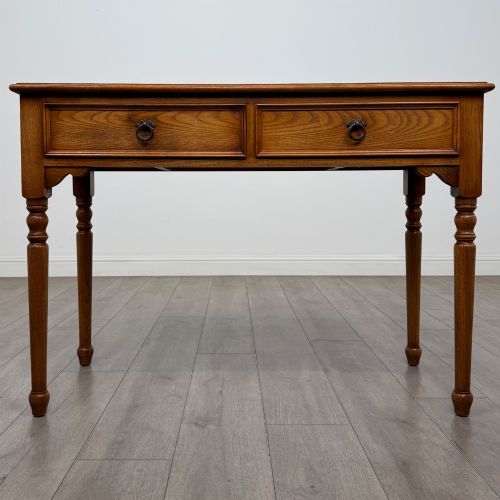
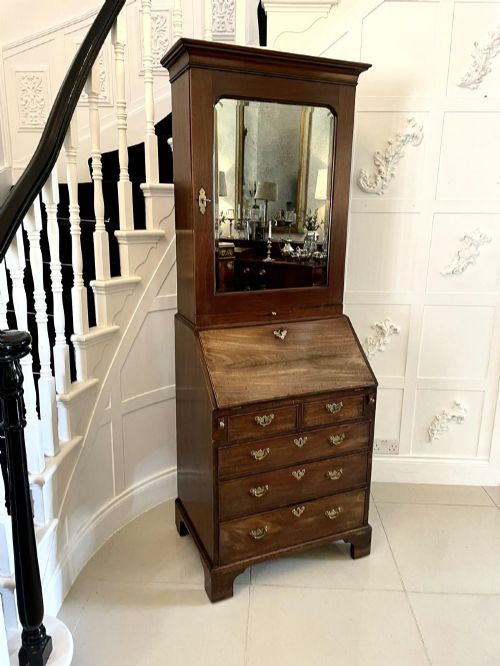
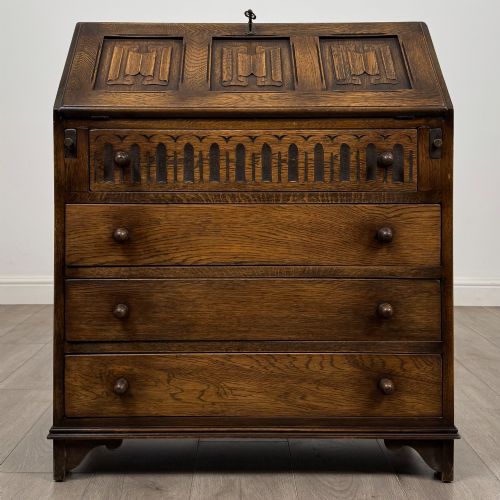
An antique wood writing desk encompasses various domestic forms designed for correspondence, study, and estate management across several centuries. The selection ranges from compact writing tables and davenports to elaborate bureau bookcases and secretaire chests originating in Georgian, Victorian, and Edwardian eras.
Buyers frequently encounter mahogany, rosewood, and oak examples shaped by regional British craftsmanship, alongside marquetry-inlaid satinwood and walnut pieces from the nineteenth and early twentieth centuries. These writing surfaces often incorporate fitted drawers, pigeonholes, and leather inserts to support daily administrative tasks.
The domestic workspace evolved from heavy oak and walnut bureau desks in the eighteenth century into lighter, freestanding satinwood and mahogany writing tables by the Edwardian period. Each style reflects the social habits of its era, shifting from secure document storage to open, decorative study furniture.
Materials and Technique
Cabinet-makers constructed these desks using dense hardwoods like mahogany, oak, and walnut, often applying decorative veneers of satinwood, rosewood, and burr walnut across primary surfaces. Dovetail joints secured the drawer construction, while brass handles, escutcheons, and hinges provided durable functional hardware.
Writing surfaces frequently utilised inset panels of tooled leather to provide a smooth, resilient plane for ink and quill work. Secondary timbers such as pine or oak lined the drawer interiors and backingboards, demonstrating traditional workshop joinery.
Antique Wood Writing Desk Retail Price Guide 2026
Typical asking prices for wood writing desk among the pieces listed under this phrase on Sellingantiques today, from the lower quarter to the upper quarter. They describe what is for sale here now, not the wider market.
The listings feature traditional woods including mahogany, oak, walnut, rosewood, satinwood, camphor wood, and yew.
Craftsmanship and Proportion
Quality in these pieces depends on the selection of figured timber, the precision of cabinet joinery, and the integrity of internal fittings such as secret drawers and pigeonholes. Finer examples display balanced proportions, symmetrical veneer matching, and original brass hardware.
The refinement of carved details, such as bracket feet or inlaid marquetry panels, distinguishes standard utility furniture from exceptional commission pieces. Original leather inserts and well-preserved secondary woods further elevate the standing of a desk.
Trollope And Sons·Edwards And Roberts·Maple And Co·Druce And Co
The Antique Wood Writing Desk Glossary
- Bureau
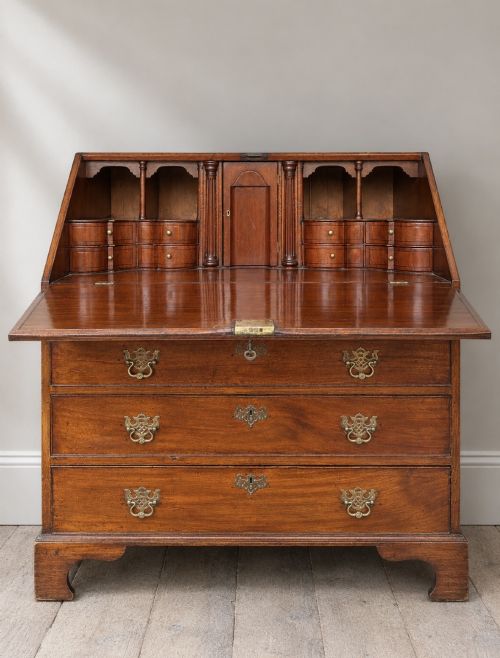
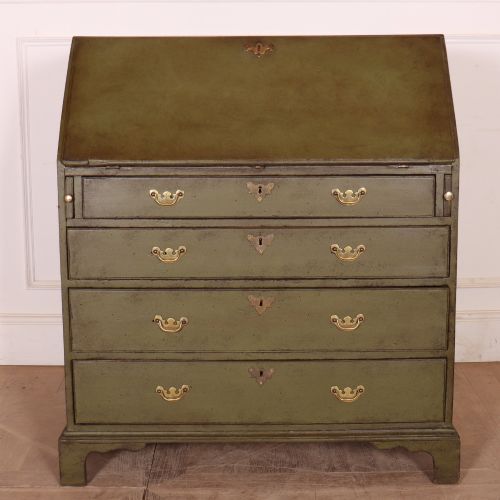
- A sloping writing flap enclosing fitted interior pigeonholes and small drawers above a chest of drawers. This form became popular during the Georgian period for secure document storage.
- Davenport
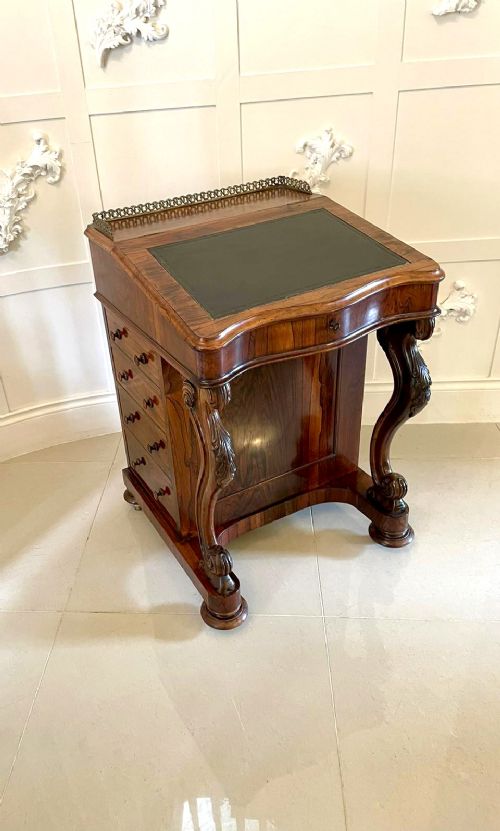
- A compact pedestal desk featuring a sloping, sliding writing surface and a set of drawers opening to the side. Victorian ladies frequently used these portable writing cabinets in private drawing rooms.
- Secretaire
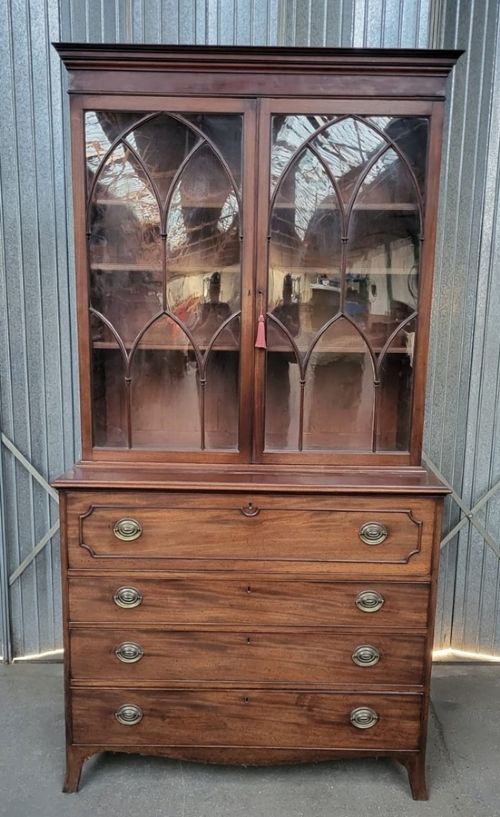
- A cabinet or chest incorporating a pull-down drawer front that serves as a writing surface. These versatile pieces concealed utilitarian workspaces behind formal library bookcase doors.
- Marquetry
- The art of forming decorative patterns using thin veneers of different coloured woods and organic materials. Cabinet-makers applied these intricate floral or geometric designs to Edwardian and Victorian satinwood surfaces.
- Tambour
- A flexible sliding shutter formed of narrow vertical strips of wood glued to canvas backing. This mechanism allowed makers to enclose cylinder desks without swinging doors.
Antique Wood Writing Desk: Frequently Asked Questions
What is a Davenport desk?
A Davenport is a compact Victorian desk featuring a sloped writing surface with a leather insert above a bank of side drawers.
Cabinet-makers designed these small pieces to occupy minimal floor space while offering secure internal storage for stationery and correspondence.
How do I identify Georgian desks?
Georgian desks typically feature dense mahogany or oak construction with hand-cut dovetail joints, bracket feet, and brass swan-neck handles.
Their interiors often include arranged pigeonholes and small secret compartments designed for private documents.
Were these desks used by women?
Many smaller writing tables, satinwood Carlton House desks, and rosewood davenports served as ladies' writing desks in private withdrawing rooms.
These pieces prioritized compact proportions and decorative marquetry inlay over heavy administrative storage.
What is a secretaire bookcase?
A secretaire bookcase combines a shelved upper library cabinet with a lower section containing a pull-down writing drawer.
This hybrid form allowed owners to store books above while maintaining a concealed, fold-down writing surface below.