


Victorian Side Table Desk
When you search for a victorian side table desk, you find versatile nineteenth-century furnishings designed for writing and display.
Victorian Side Table Desk
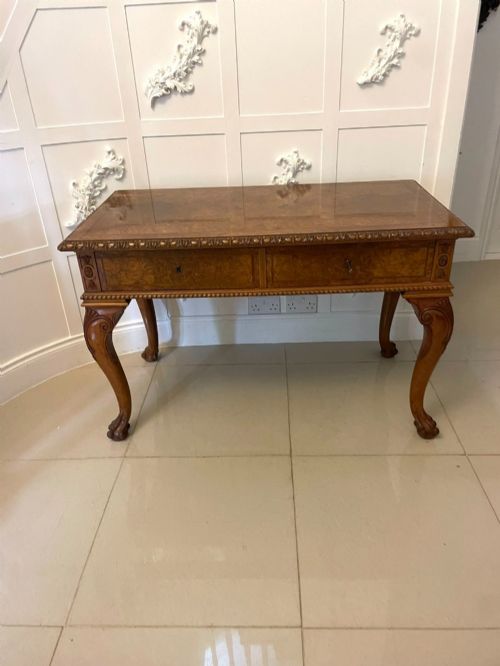
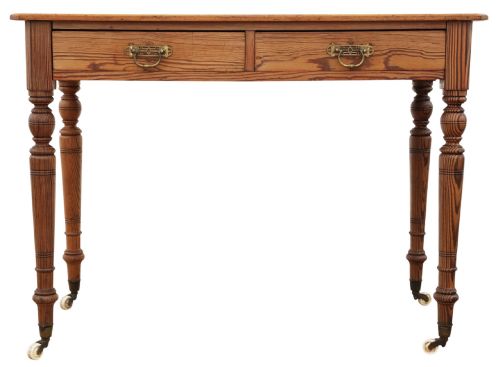
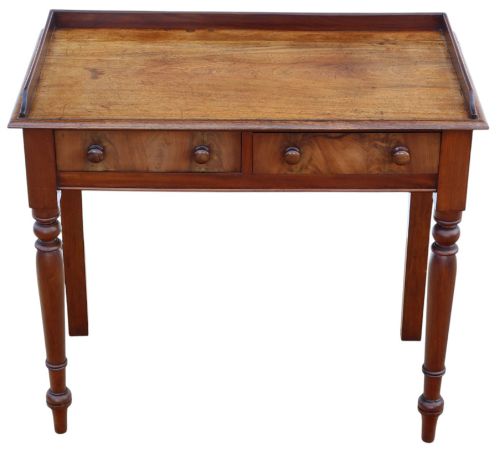
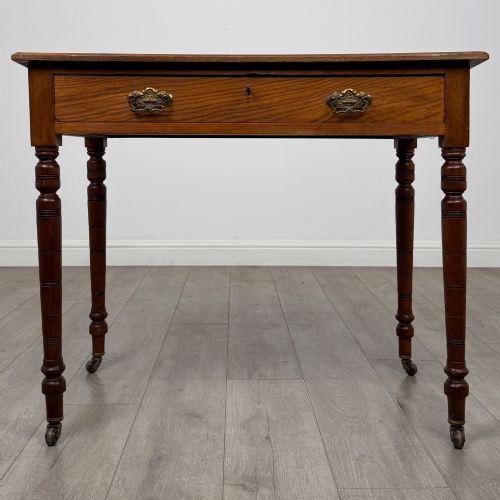
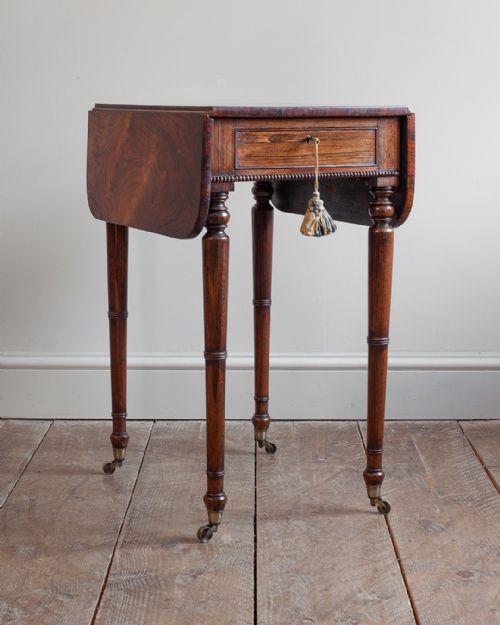
A victorian side table desk combines the surface utility of a compact serving ledge with the fitted drawers of a writing bureau. These dual-purpose pieces appear frequently in mahogany, walnut, and pine across this selection.
Makers produced these tables for parlours, bedrooms, and studies during the nineteenth century. They function equally well today as hallway consoles or slimline workspaces.
How they were made
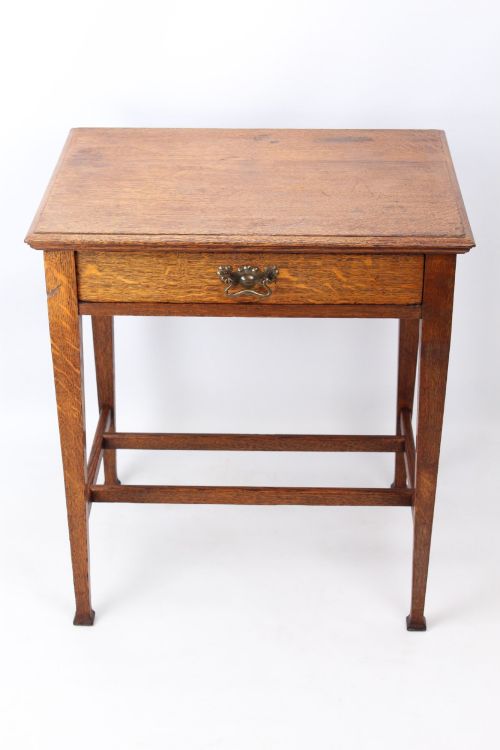
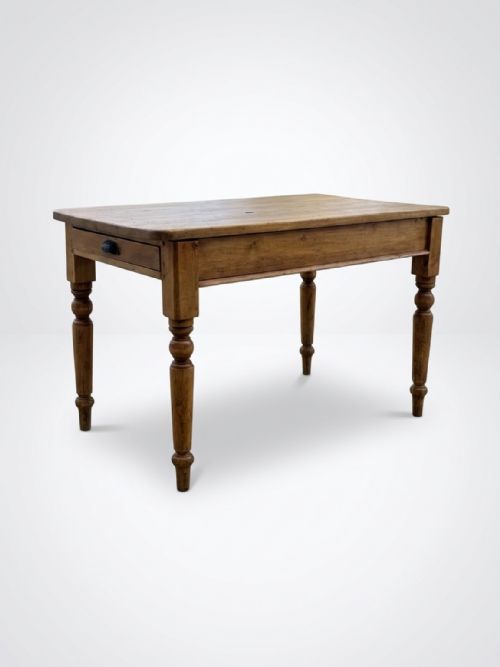
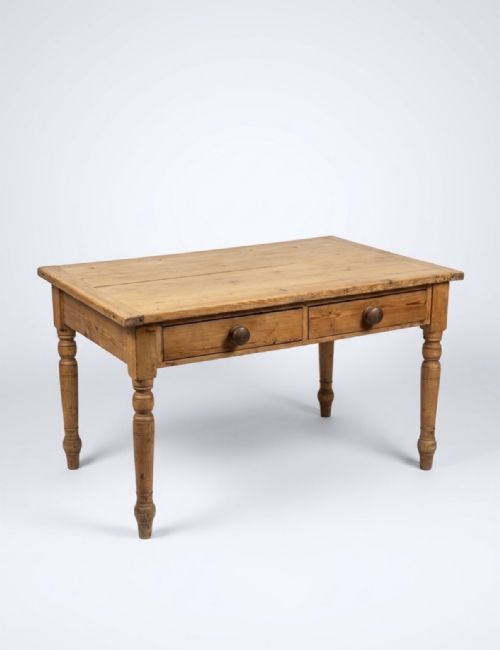
Cabinet makers utilised dense hardwoods such as mahogany and walnut for formal reception rooms, alongside robust softwoods like pitch pine and deal for utility spaces. Joinery relied on dovetailed drawer construction and turned or tapered legs.
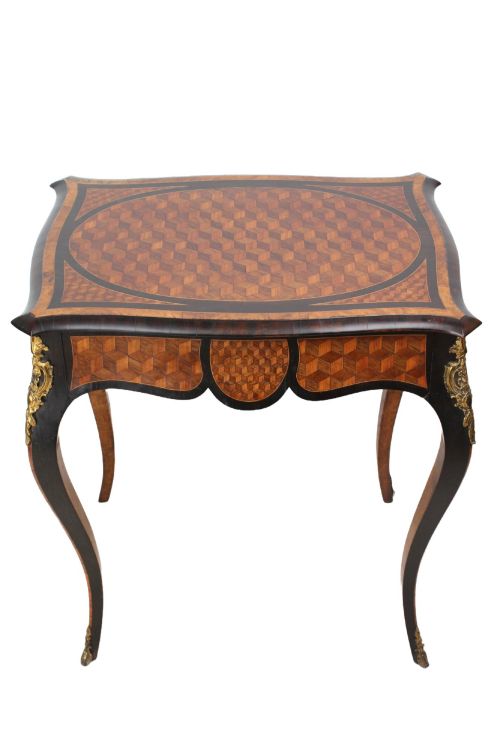
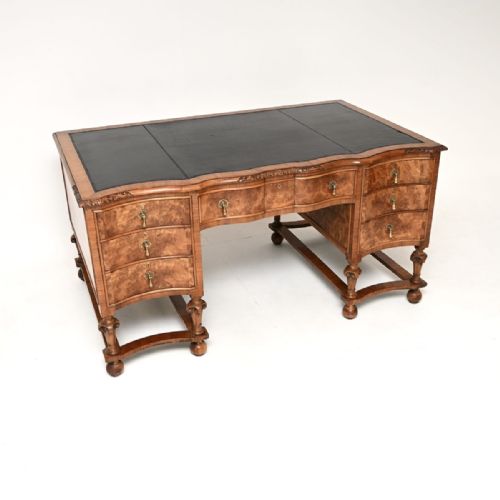
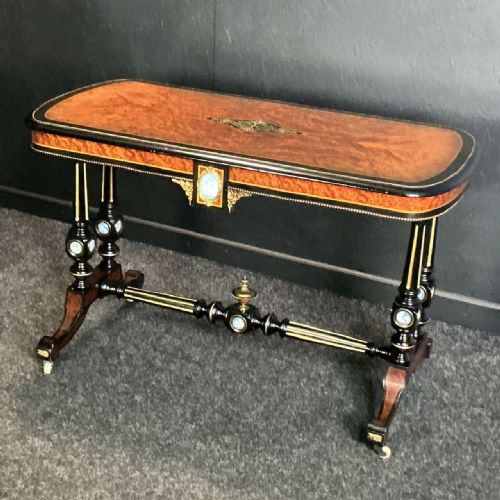
Surfaces often featured inset leather writing panels, hand-carved Gothic motifs, or delicate marquetry and parquetry inlay. Brass pulls and key escutcheons provided functional hardware accents.
Listings feature pieces spanning the mid-nineteenth century through the early twentieth century, constructed from mahogany, walnut, oak, and pine.
What varies in quality
Construction standards separate straightforward utilitarian washstands from high-end cabinet work produced by major workshops. Timber selection drives value, with figured flame mahogany and burr walnut commanding greater attention than plain pine.
Fine craftsmanship shows in the crispness of carved details, the smoothness of drawer runners, and the retention of original brass fittings. Pieces attributed to documented firms demonstrate superior structural integration.
JAS Shoolbred·Mappin and Webb·Maple and Co·Edward and Roberts·Charles Andrea Nosotti·Gillows
The Victorian Side Table Desk Glossary
- Partners desk
- A large freestanding desk designed for two people to work opposite one another. These often incorporate drawers and cupboards on both long sides.
- Parquetry
- Geometric wood-mosaic work used for decorative surface patterns. Craftsmen arranged contrasting timber veneers to form interlocking shapes.
- Escutcheon
- A protective plate surrounding a keyhole. Brass examples are standard on nineteenth-century furniture.
- Marquetry
- The art of applying pieces of veneer to a structure to form decorative designs. Floral and pictorial motifs are common in nineteenth-century revivals.
Victorian Side Table Desk: Frequently Asked Questions
How do I use a side table desk today?
These pieces fit neatly into modern home offices as compact laptop stations. They also serve effectively as dressing tables or hallway drop zones.
The shallow depth allows them to sit comfortably against walls in narrow corridors without obstructing walkways.
Were these tables meant for writing or display?
Many examples served both functions interchangeably during the nineteenth century. The inclusion of a leather insert usually indicates dedicated correspondence use.
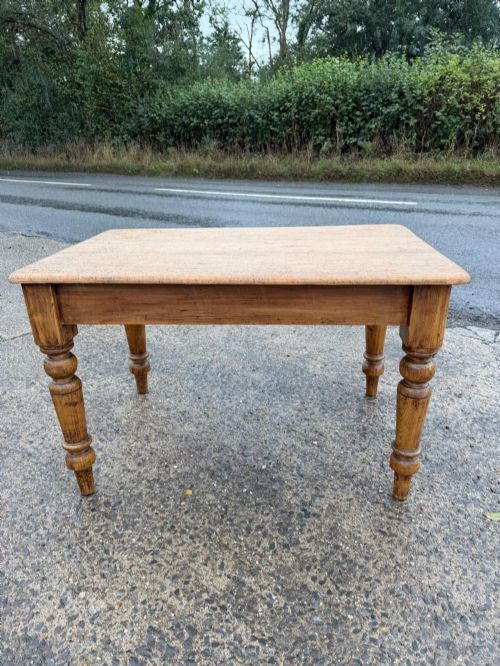
Simpler wood-topped variants functioned as serving tables, washstands, or general hall furniture.
How do I date a nineteenth-century desk?
Construction methods and timber choices help narrow down the decade of production. Early examples often utilise solid mahogany, whilst later Victorian pieces frequently employ walnut veneers or pitch pine.
Drawer linings and secondary woods also provide clues regarding the period of manufacture.
What is the difference between oak and pine versions?
Oak and walnut models were typically destined for principal reception rooms and studies. Pine variants were generally built for less formal domestic spaces or country houses.
Both woods received similar levels of structural care from period joiners.