


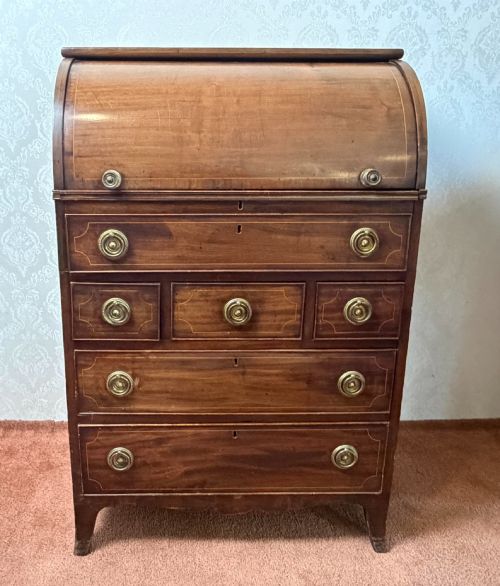
Antique Wood Writing Bureau
An antique wood writing bureau offers a fall-front desk space combined with drawers, designed for correspondence and storage.
Antique Wood Writing Bureau
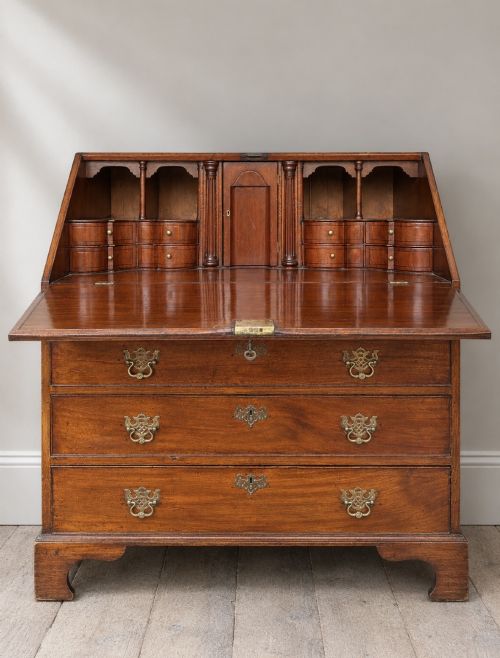
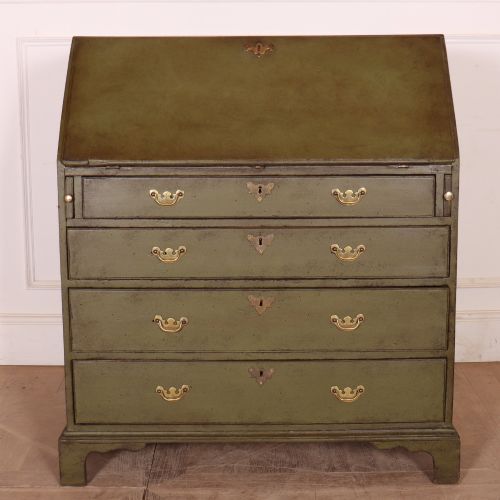
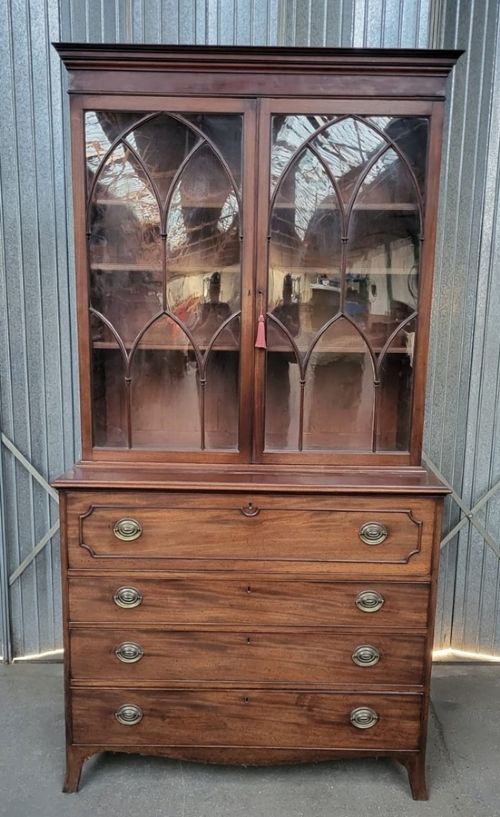
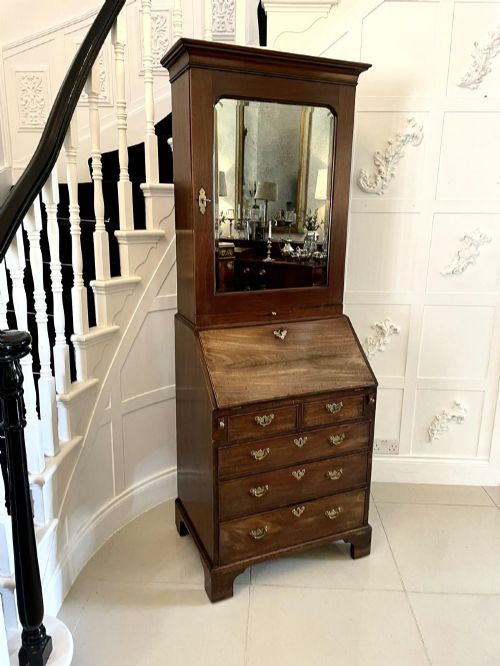
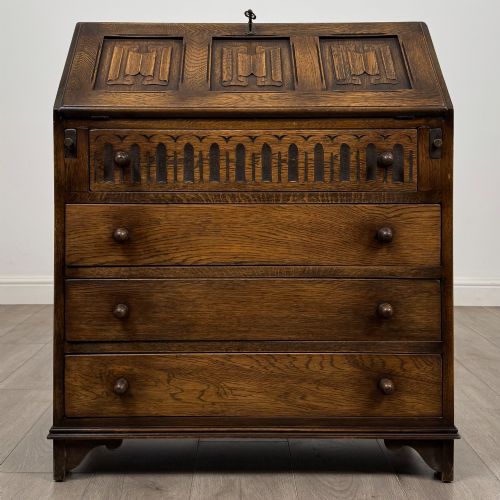
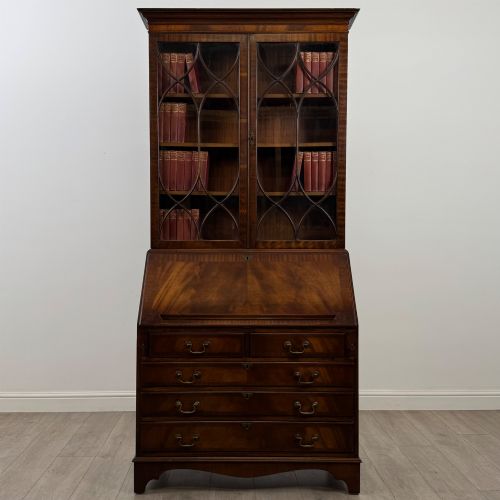
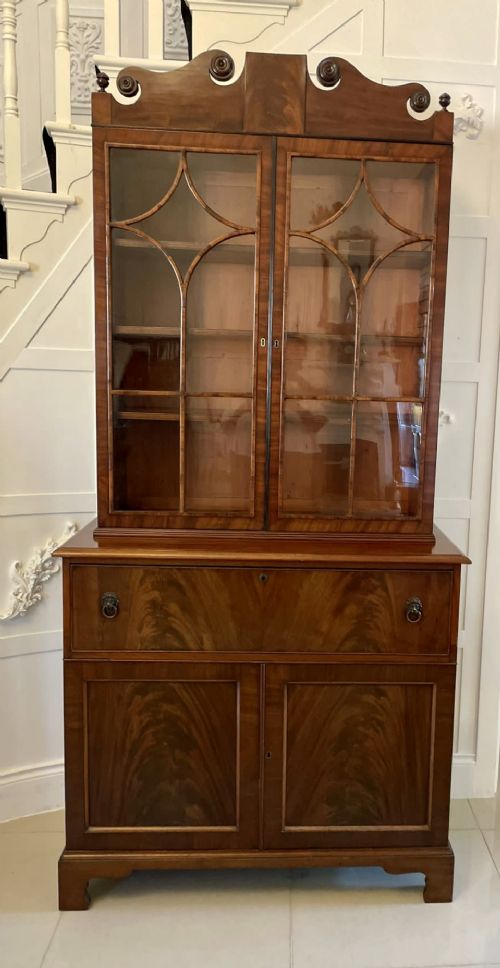
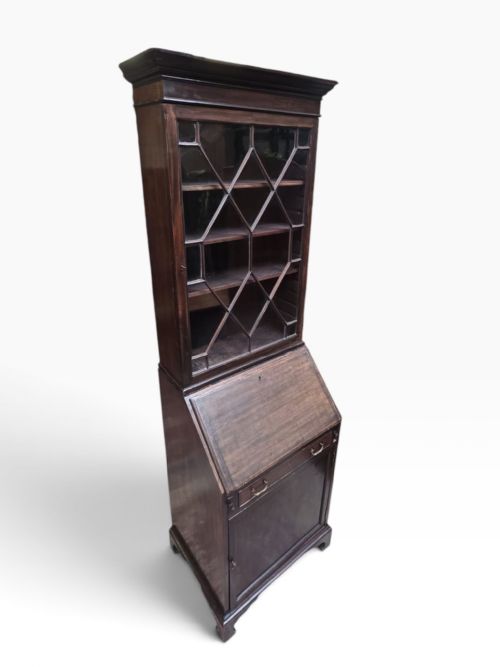
When you search for an antique wood writing bureau, you encounter pieces that function as private writing desks while concealing interior compartments behind a sloping front. The form encompasses simple fall-front cabinets on bracket feet as well as grander bureau bookcases topped with glazed shelving.
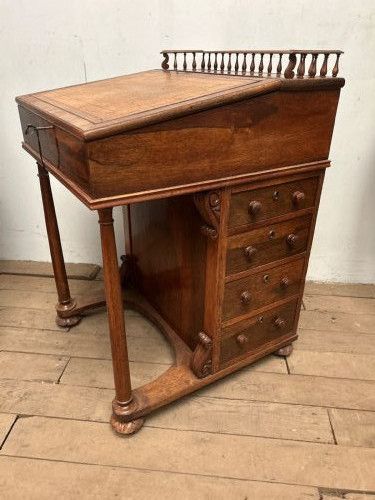
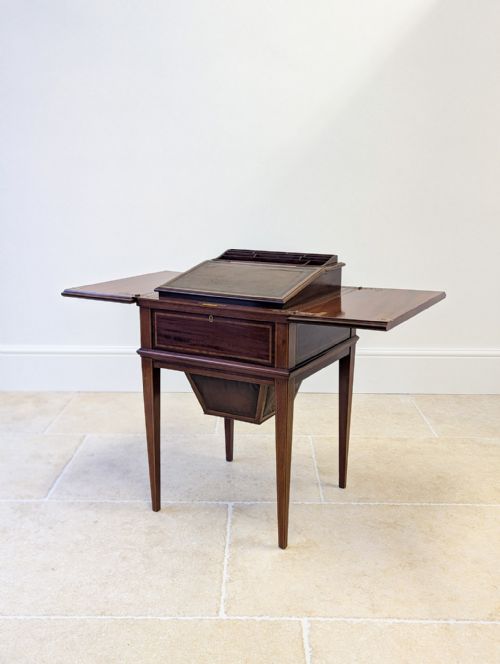
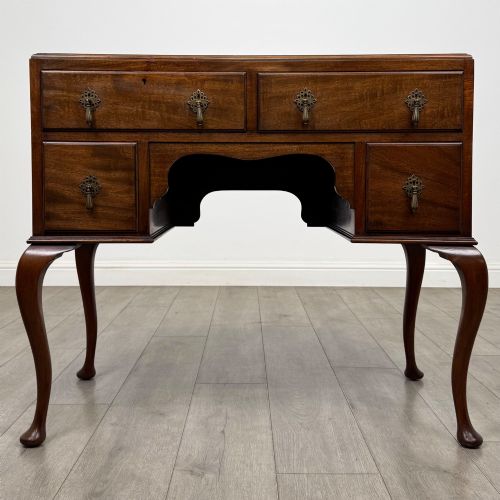
The versions you meet most frequently on this page date from the Georgian and Edwardian periods, constructed in mahogany, oak, or walnut. Alongside traditional freestanding desks, the listings include compact items on stands, kneehole configurations, and tall bookcase combinations.
Materials and construction methods
Cabinet makers utilised dense hardwoods including mahogany, oak, walnut, rosewood, and yew wood, often applying figured veneers such as burr elm or satinwood to drawer fronts and writing flaps. Secondary timbers like pine or oak appear internally for drawer linings and carcases.
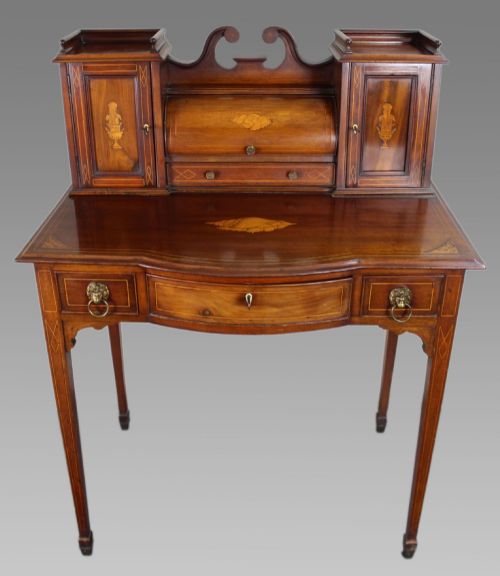
Joinery techniques relied upon dovetailed drawer construction, bracket feet, and panelled doors, complemented by brass handles, escutcheons, and leather writing inserts. Decorative treatments incorporated marquetry, inlaid stringing, carved linenfold panels, and painted finishes.
Secret compartments hidden behind sliding pigeonhole partitions in bureau interiors allowed owners to secure private letters from prying eyes.
What separates the finest examples
Quality rests upon the selection of timber veneers and the intricacy of the fitted interior, where small drawers and pigeonholes reveal the cabinet maker's precision. Secondary woods, original brass hardware, and the crispness of inlaid stringing or carving distinguish superior workshops from standard production.
Proportion and structural integrity dictate the standing of a piece within its period, particularly where fall-front hinges and writing surfaces endure regular weight. Retaining original feet, handles, and leather inserts preserves the historic character that defines a superior survival.
George Oakley·Maison Krieger
The Antique Wood Writing Bureau Glossary
- Bureau
- A desk featuring a sloping fall-front that opens to reveal a fitted interior of small drawers and pigeonholes above base drawers.
- Secretaire bookcase
- A tall cabinet combining a writing drawer or fall-front desk section with upper shelving enclosed by glazed or panelled doors.
- Bracket foot
- A simple foot supporting cabinet furniture, formed by two mitred pieces meeting in a corner beneath a shaped or plain profile.
- Escutcheon
- A protective brass plate surrounding a keyhole, designed to prevent wear to the surrounding wood.
- Dovetail
- A joint formed by interlocking wedge-shaped fingers, utilised extensively in traditional drawer construction for strength.
Antique Wood Writing Bureau: Frequently Asked Questions
How do I use a bureau?
Lower the hinged fall-front panel to create a horizontal writing surface supported by automatic wooden lopers or hinges.
Store stationery and paperwork within the internal pigeonholes and small drawers, leaving the lower chest drawers for larger items.
What wood are bureaus made from?
Bureaus are constructed from solid hardwoods and decorative veneers such as mahogany, oak, walnut, yew wood, and rosewood.
Makers frequently paired these primary display timbers with secondary woods like pine or oak for internal drawer construction.
How do I tell periods apart?
Georgian pieces display clean proportions with bracket feet and rich mahogany or walnut figures, often featuring fitted pigeonholes inside.
Edwardian examples tend to show lighter satinwood stringing, inlaid decoration, or carved oak details reflecting revival interests.
Where should I place it?
Position the bureau against a sturdy wall in a study, living room, or hallway where the fall-front can drop safely without obstruction.
Keep the timber away from direct heat sources and strong sunlight to protect the polish and prevent veneer shrinkage.