

Georgian Mahogany Vanity
A georgian mahogany vanity brings warmth and functional elegance to a room, offering timeless timber and practical surfaces for daily grooming.
Georgian Mahogany Vanity
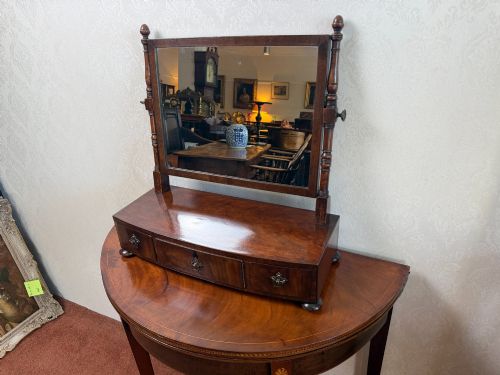
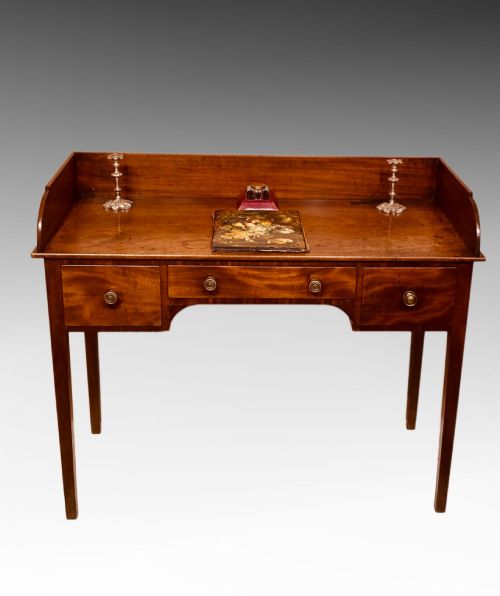
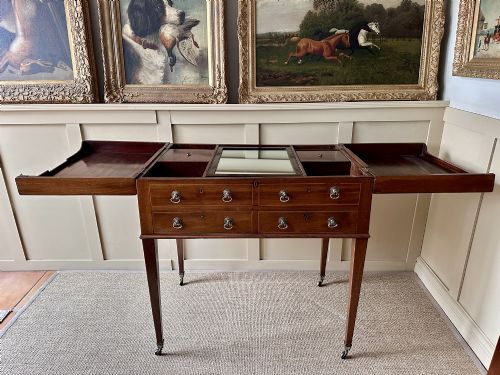
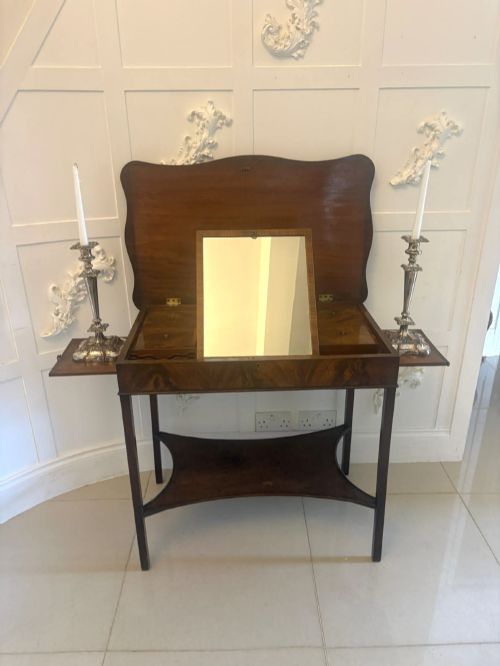
When searching for a georgian mahogany vanity, buyers typically encounter table mirrors, washstands, and complete dressing tables originating from the eighteenth and nineteenth centuries. These pieces serve practical functions through fitted drawers, adjustable swing mirrors, and compact fold-away designs intended for bedrooms and dressing rooms.
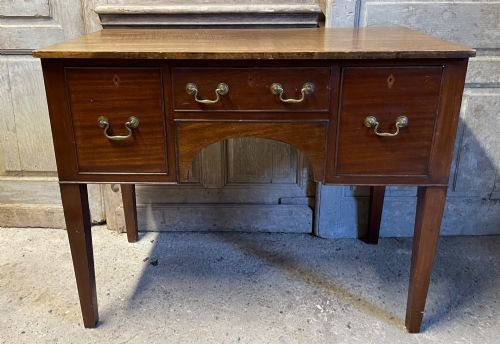
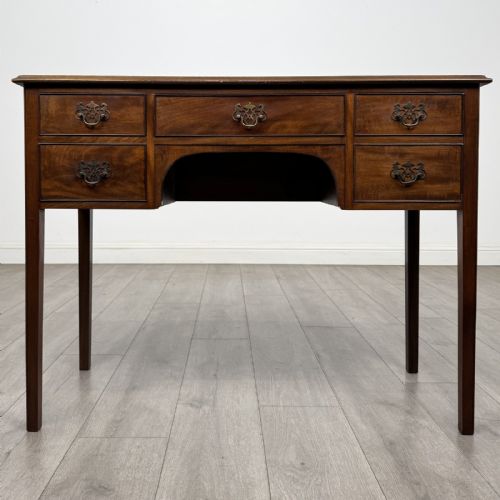
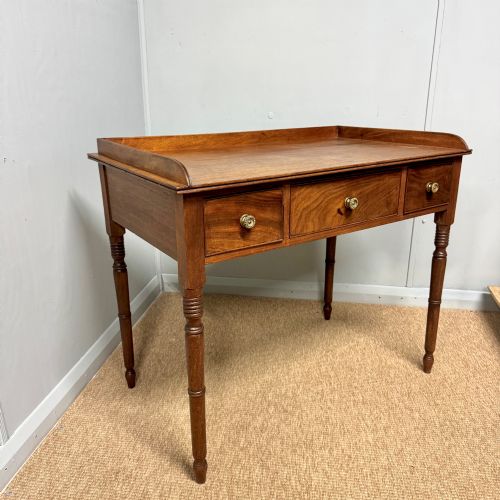
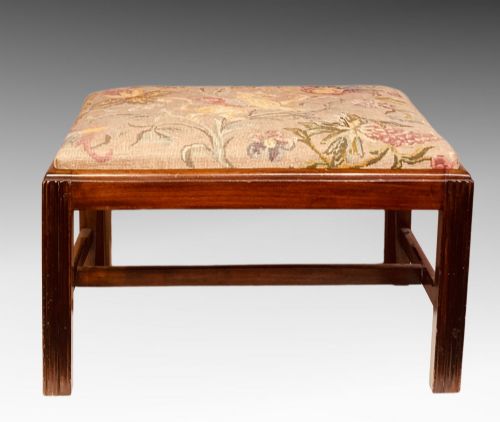
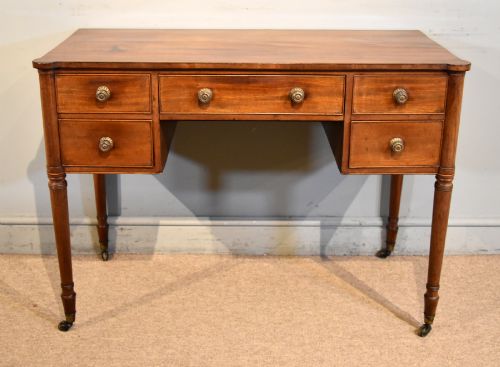
The selection on this page ranges from small toilet mirrors placed upon chests to larger kneehole dressing tables and gentleman's chests. Many items exhibit classic regional cabinet-making traditions from the Georgian and Regency periods, utilising rich native and imported timbers.
Materials and Construction
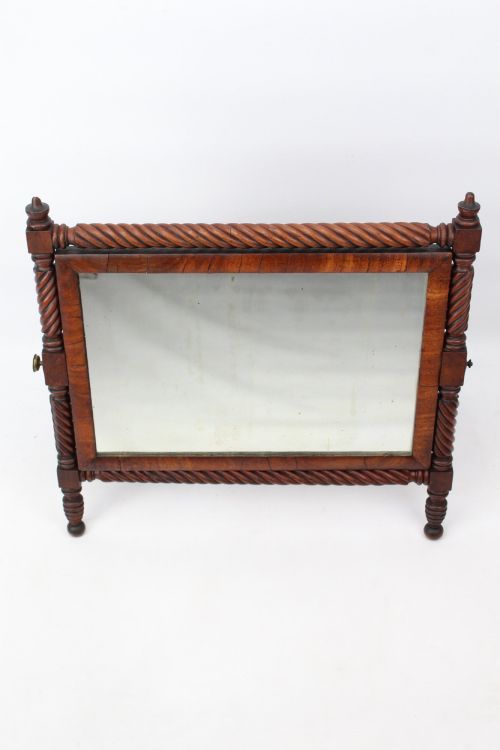
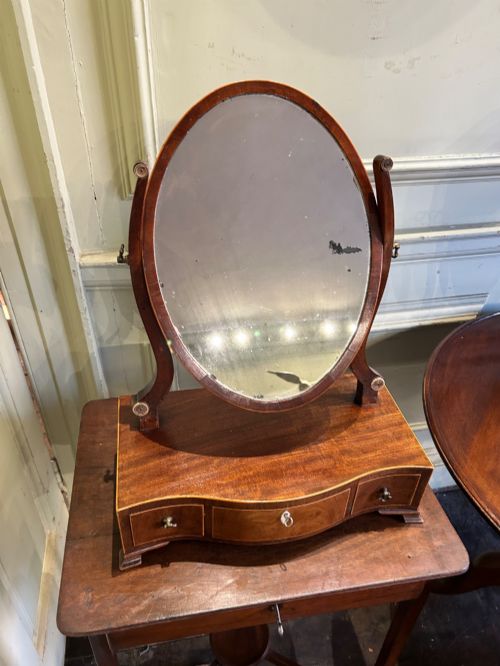
Makers constructed these pieces primarily using solid mahogany and flame mahogany veneers, often enhanced with subtle boxwood inlay or brass handles and mountings. Mirror glass sits within pivoted frames, while ancillary details incorporate leather, bone, and giltwood.
Cabinetmakers employed traditional joinery techniques, shaping timber into curved serpentine fronts, bow fronts, and fret-cut frames. Structural support relies on square tapering legs, cross stretchers, and sturdy framework designed to hold heavy mirrors and washing basins.
Georgian Mahogany Vanity Retail Price Guide 2026
Typical asking prices for georgian mahogany vanity among the pieces listed under this phrase on Sellingantiques today, from the lower quarter to the upper quarter. They describe what is for sale here now, not the wider market.
Listings feature mahogany, brass, glass, and bone across Georgian, Regency, and Edwardian periods, spanning dressing tables, washstands, and desks.
Assessing Craftsmanship
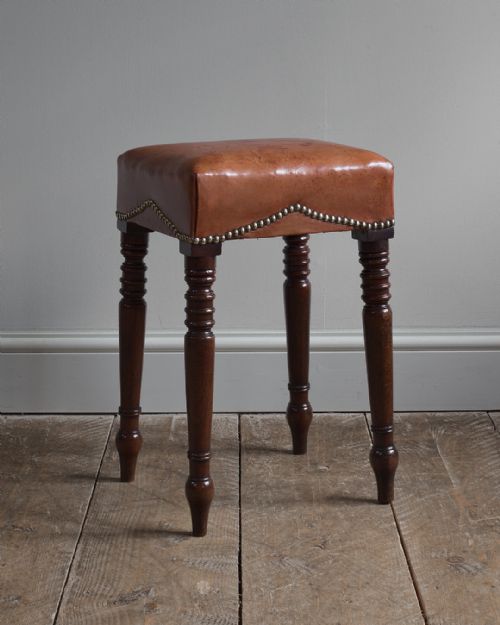
Quality in these items depends upon the selection of timber figures, such as rich flame mahogany grain, and the crispness of carved details like fret-cut frames or bracket feet. Superior examples display refined proportions, original brass hardware, and undisturbed patination on the polished wood surfaces.
Lesser pieces may exhibit replaced mirror plates, generic hardware replacements, or mismatched secondary woods. The integration of functional elements, such as smooth-running drawers and securely pivoting mirror screws, separates standard utilitarian items from finer cabinetwork.
The Georgian Mahogany Vanity Glossary
- Mahogany
- A durable tropical hardwood prized for its deep reddish-brown colour and stability in cabinetmaking. It forms the primary structural material for the vast majority of these pieces.
- Toilet mirror
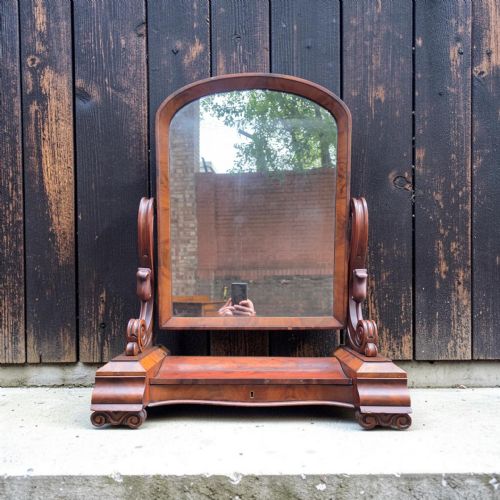
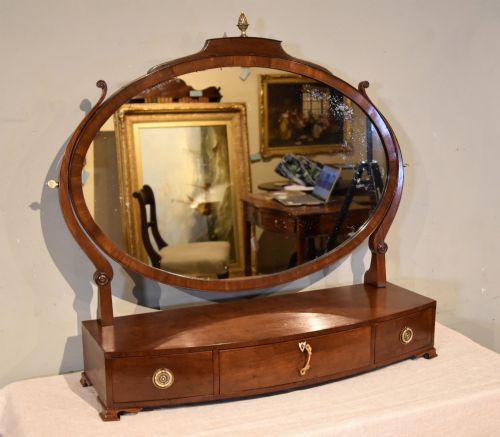
- A portable tabletop glass supported on uprights above a small drawer base. These mirrors were essential components of Georgian dressing furniture.
- Lowboy
- A small side table featuring one or more rows of drawers, frequently utilised as a compact dressing surface or writing desk. They typically stand on slender cabriole or straight legs.
- Washstand
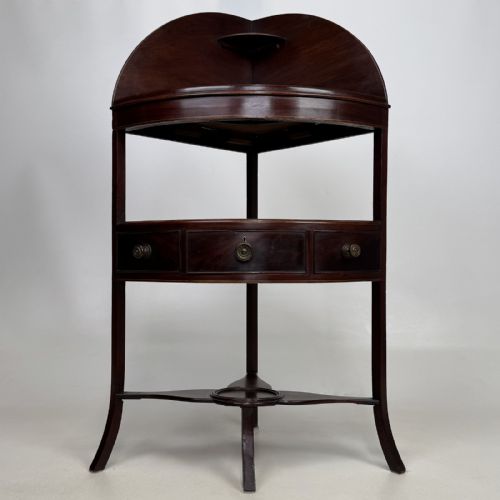
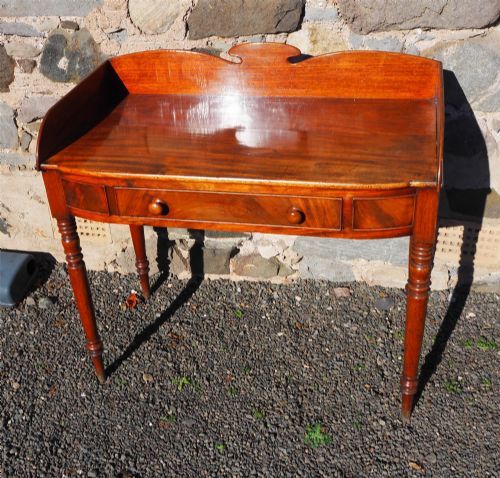
- A specialised piece of furniture designed to hold a washing basin and water jug, sometimes built with fold-away tops. Some examples include enclosed compartments for toiletries.
- Fret-cut
- A decorative woodworking technique involving pierced patterns cut through thin boards. This method frequently adorns the crests of Georgian mirror frames.
Georgian Mahogany Vanity: Frequently Asked Questions
How do I date a georgian mirror?
Dating relies on examining the construction methods of the frame, the thickness and bevelling of the mirror glass, and the presence of original backing boards. Earlier pieces often display hand-cut screws and secondary pine or oak timbers.
Secondary indicators include the style of fretwork, brass side screws, and the natural ageing of the wood patina. Comparing the overall proportions to documented eighteenth-century forms helps confirm the period.
Are these pieces suitable for daily use?
Most of these tables and mirrors remain robust enough for everyday placement in a modern bedroom or hallway. Compact toilet mirrors fit easily onto modern chest tops without requiring significant floor space.
Care should be taken to protect polished mahogany surfaces from excessive moisture and direct heat. Regular dusting and occasional waxing help preserve the timber finish over time.
What is the difference between a vanity and a lowboy?
A vanity or dressing table generally includes an attached or matching mirror along with compartments designed for cosmetics and grooming tools. These pieces prioritize personal care and seating clearance.
A lowboy functions primarily as a small drawer table without built-in superstructure, serving multi-purpose roles as a desk or side table. Both share similar eighteenth-century cabinet-making proportions and materials.
Did washstands change during the regency period?
Regency washstands introduced lighter, more refined geometric lines compared to earlier heavy Georgian forms. Makers frequently utilised brass inlay, reeded legs, and fold-away compartments to conceal basins.
These adjustments reflected changing interior fashions that favoured neoclassical simplicity and multi-functional furniture. Cuban mahogany remained a favoured timber choice for these later iterations.