

Antique Wood Storage Sideboard
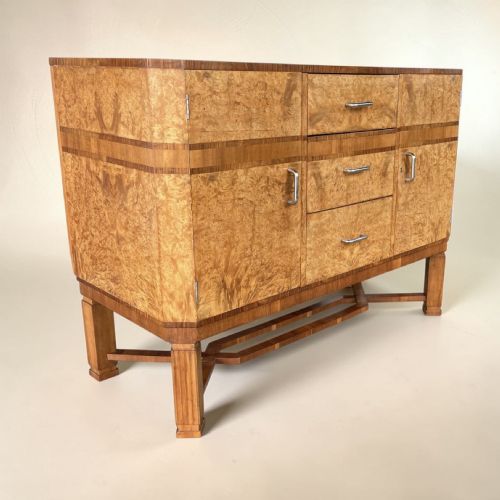
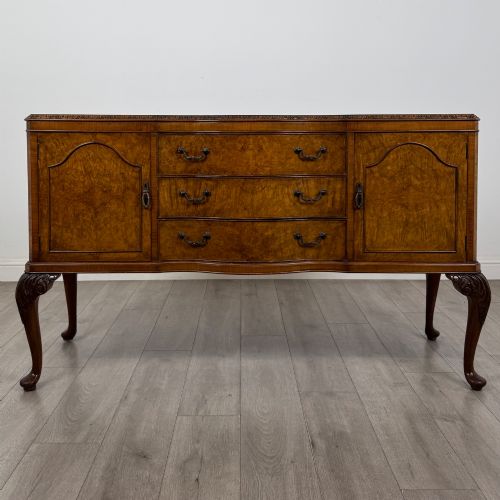
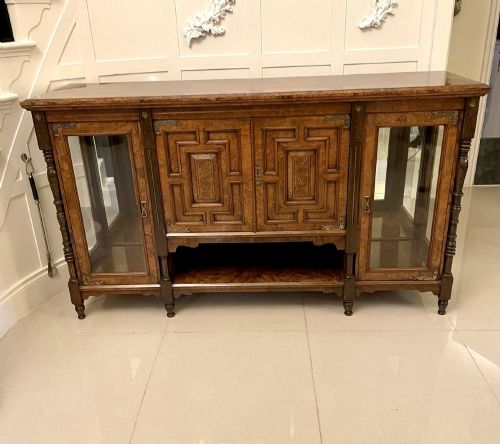
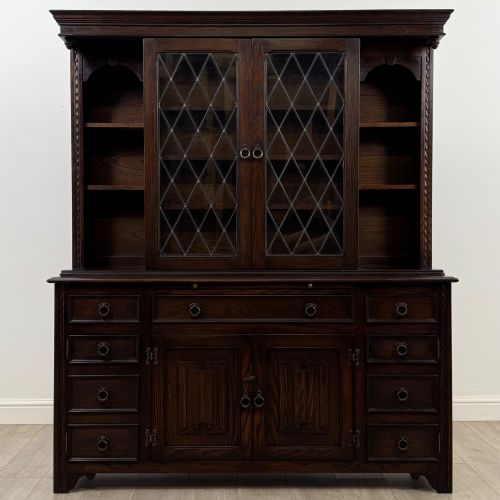
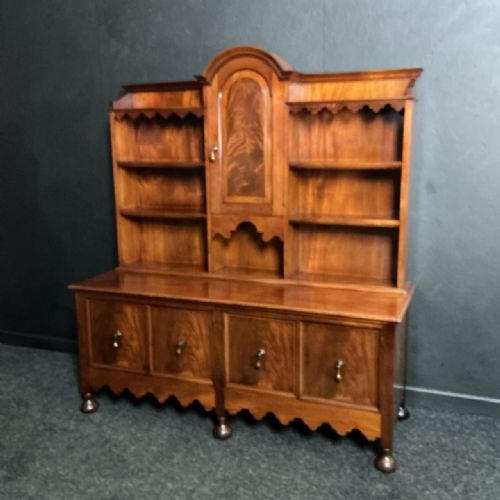
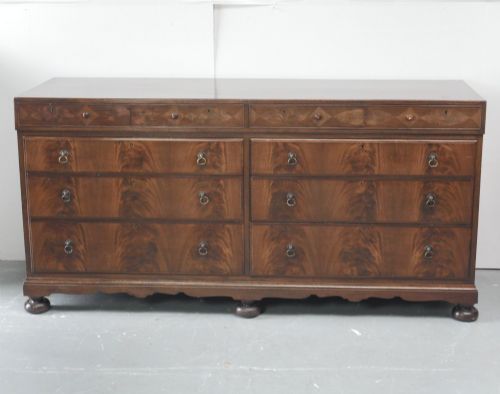
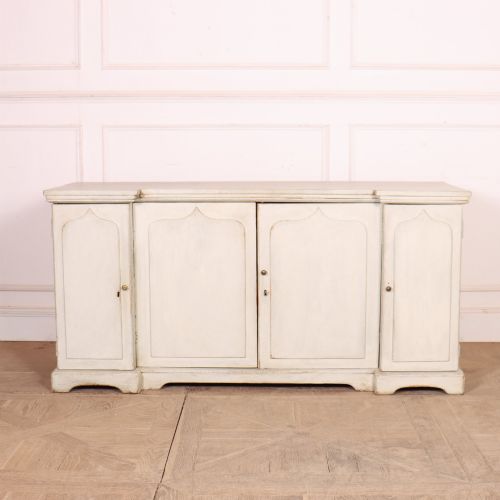
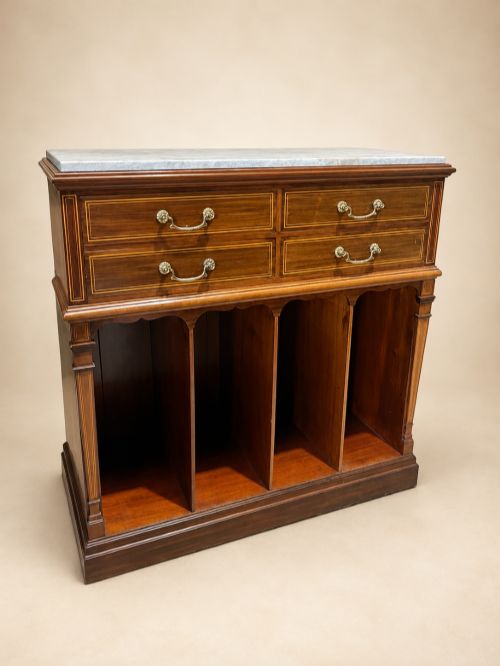
An antique wood storage sideboard provides deep interior capacity while anchoring a dining room or hall with rich timber grain and period presence.
Antique Wood Storage Sideboard
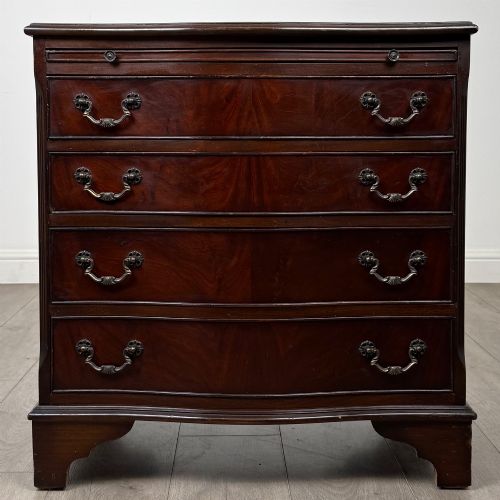
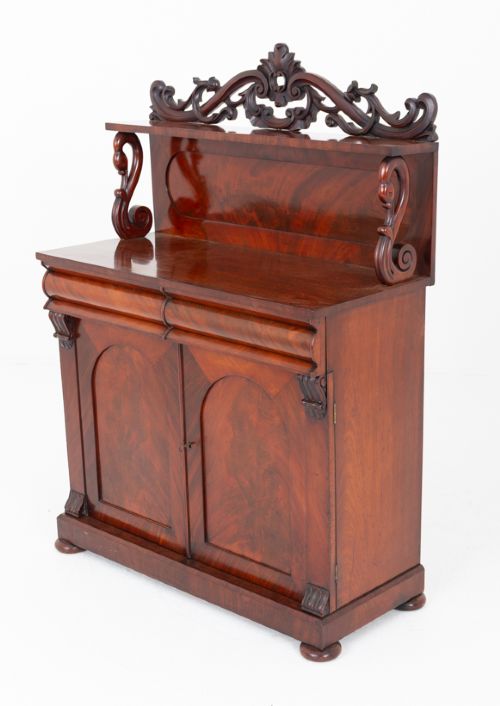
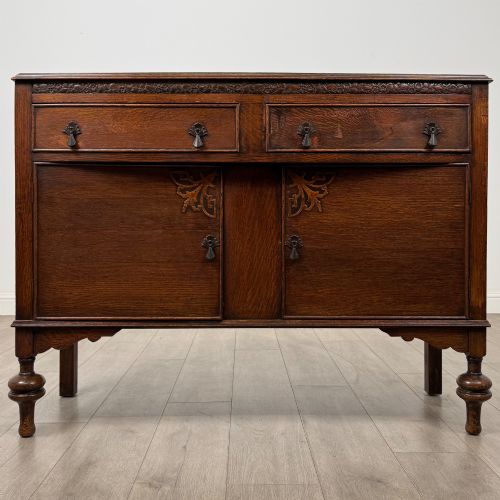
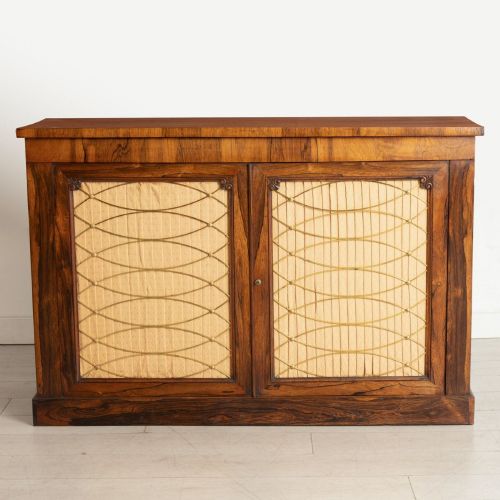
An antique wood storage sideboard encompasses large dining room servers, chiffoniers, side cabinets, and cupboards spanning the nineteenth and early twentieth centuries. Buyers search for these pieces to gain practical shelving and drawer space concealed behind period timber doors.
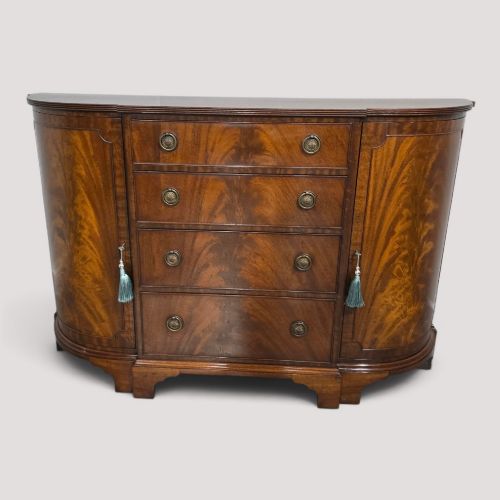
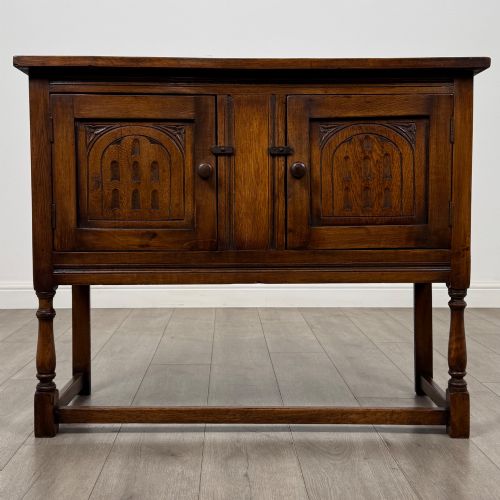
The selection ranges from early nineteenth-century Regency rosewood and mahogany chiffoniers to Edwardian oak sideboards and twentieth-century dressers. Mahogany, oak, and rosewood appear most frequently across the listed forms.
Regional and stylistic variations include Georgian breakfront bases, French provincial fruitwood cupboards, and Scottish chests, giving diverse architectural profiles to domestic storage.
Materials and construction methods
Cabinetmakers utilised solid hardwoods such as mahogany, oak, and rosewood, frequently pairing them with secondary pine linings and decorative veneers like burr walnut. Brass hardware, glass panels, and iron fittings complete the structural assembly of these storage pieces.
Joinery techniques rely on traditional hand-cut dovetails for drawer construction and pegged mortise and tenon frames for heavy carcases. Surface finishes involve polished shellac French polish or painted treatments such as simulated rosewood and chinoiserie.
Object forms span sideboards, chiffoniers, dressers, chests of drawers, and side cabinets across diverse regional workshops.
Distinctions in construction and timber selection
The distinction between standard utility storage and exceptional cabinetwork rests in the choice of timber and the precision of the joinery. Figured veneers, book-matched grains, and dense primary hardwoods elevate a piece significantly above plain secondary timbers.
Original hardware, intact internal shelving, and untouched patination determine the architectural integrity of a sideboard. Secondary alterations or replaced structural elements alter the historical standing of the furniture.
Whytock and Reid
The Antique Wood Storage Sideboard Glossary
- Chiffonier
- A low sideboard or cabinet featuring enclosed shelving below, frequently surmounted by a raised superstructure with a mirror or small shelf. Originating in the early nineteenth century, it served dining rooms for glassware storage.
- Breakfront
- A cabinet or sideboard whose central section projects forward from the recessed outer sections. This architectural form creates visual depth and generous internal capacity.
- Goncalo Alves
- A dense exotic hardwood with striking contrasting dark brown and golden-brown figuring. Cabinetmakers utilised this timber during the Regency period for high-status side cabinets.
- Demi Lune
- A half-moon shape applied to tables and side cabinets designed to sit flat against a wall. This profile maximises floor space in narrow hallways and reception rooms.
- Chinoiserie
- European decorative imitation of Chinese artistic styles, typically executed in lacquered paintwork with metallic detailing. It appears on early twentieth-century cupboards.
Antique Wood Storage Sideboard: Frequently Asked Questions
What is the difference between a sideboard and a chiffonier?
A sideboard is typically a long, low dining room piece designed for serving food and storing large platters behind multiple doors. A chiffonier is a more compact variant, often featuring a raised shelf or mirror on top.
Both pieces provide enclosed shelving, but chiffoniers generally date from the Regency and Victorian eras as smaller room alternatives.
How do I identify a Regency period storage piece?
Regency storage furniture relies on architectural symmetry, classical proportions, and rich dark timbers such as rosewood and mahogany. Brass inlay, reeded columns, and brass lion-paw feet frequently mark this era.
Construction details include hand-cut dovetails and heavy carcase frames built without modern fasteners.
Where should I place a side cabinet at home?
Side cabinets suit dining rooms for tableware storage, hallways for linens, or living rooms as media and general utility consoles. Their shallow depth allows them to sit against walls without obstructing pathways.
Ensure placement avoids direct sunlight to protect sensitive rosewood and mahogany veneers from fading.
How do I care for antique wood surfaces?
Maintain polished timber surfaces using a microfibre cloth and traditional beeswax polish applied sparingly to nourish the shellac. Avoid silicone sprays and excess moisture which damage antique polish.
Keep storage pieces away from direct heat sources to prevent timber shrinkage and veneer splitting.