
Dark Wood Dining Sideboard
A dark wood dining sideboard provides stately storage for dining rooms, uniting practicality with period craftsmanship.
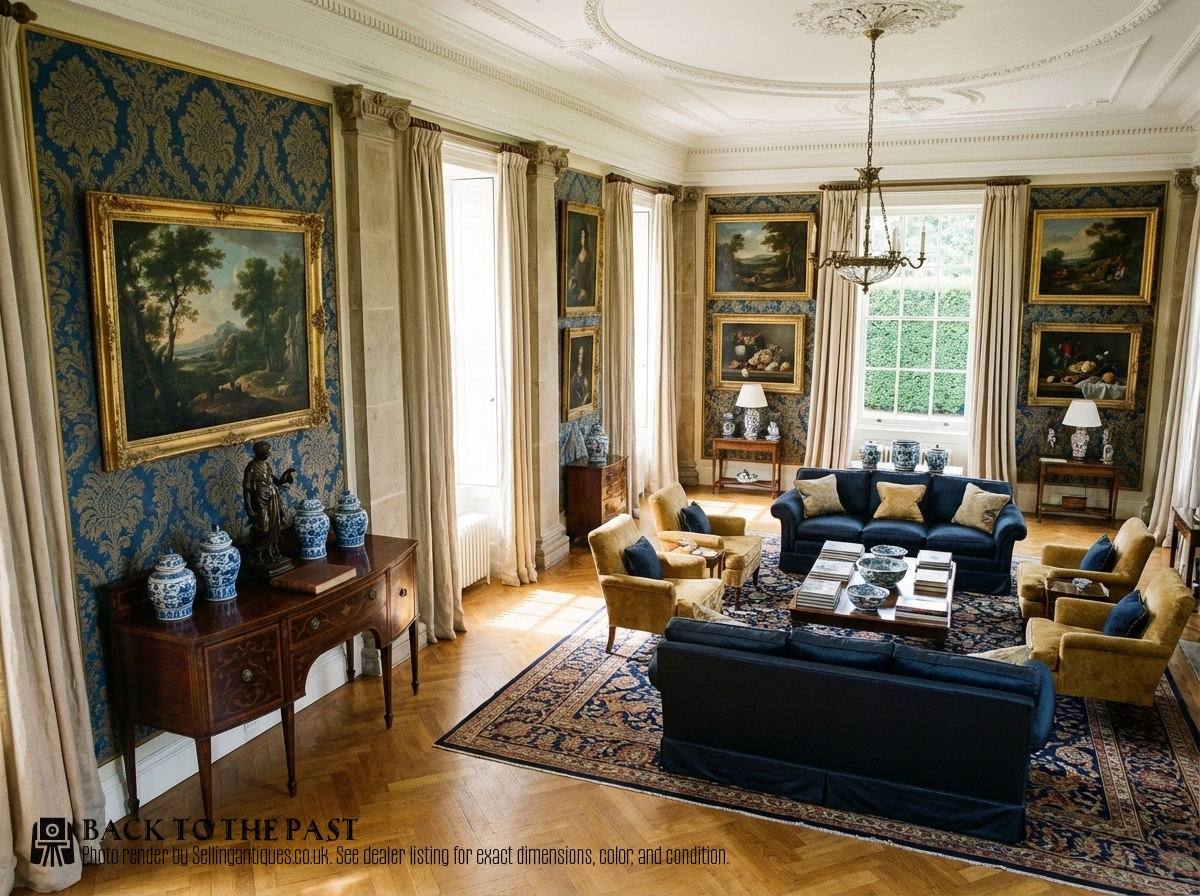
Dark Wood Dining Sideboard
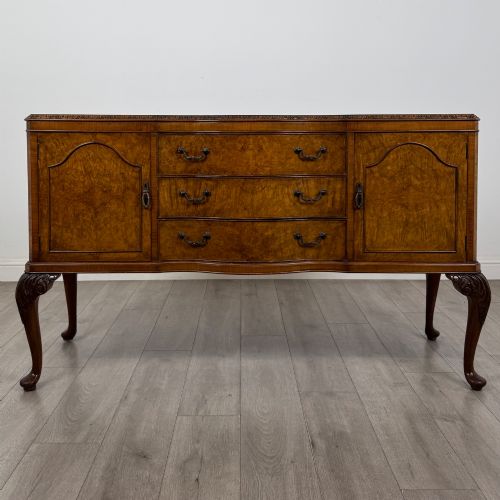
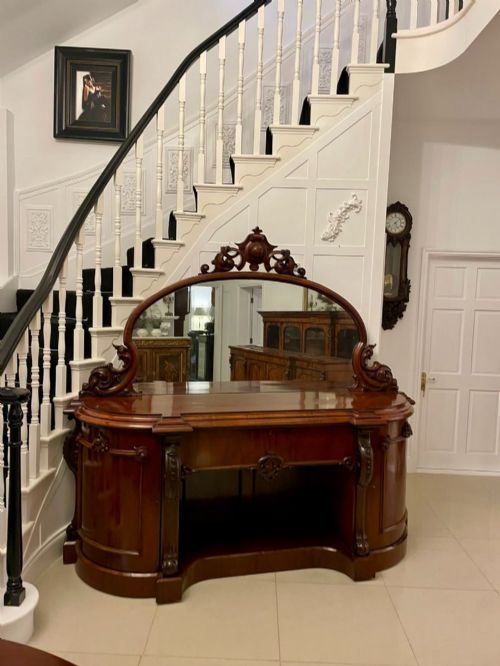
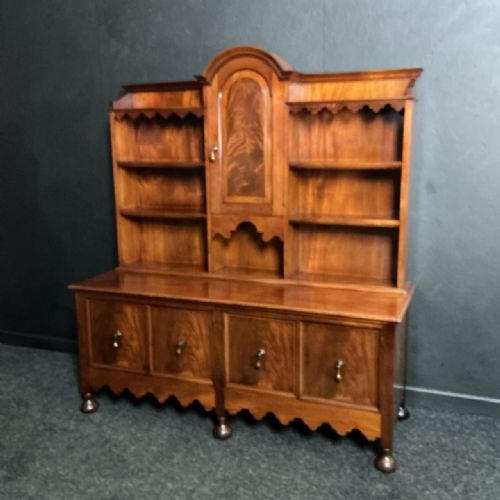
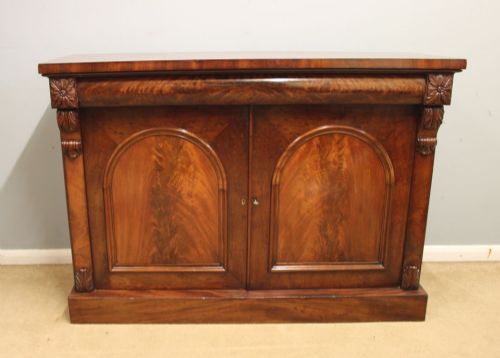
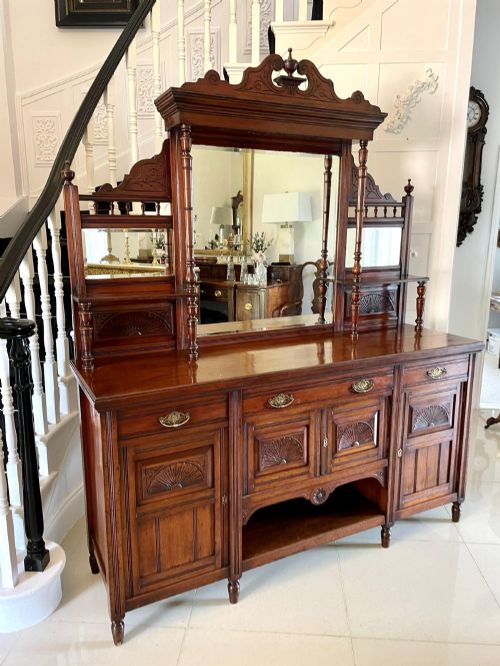
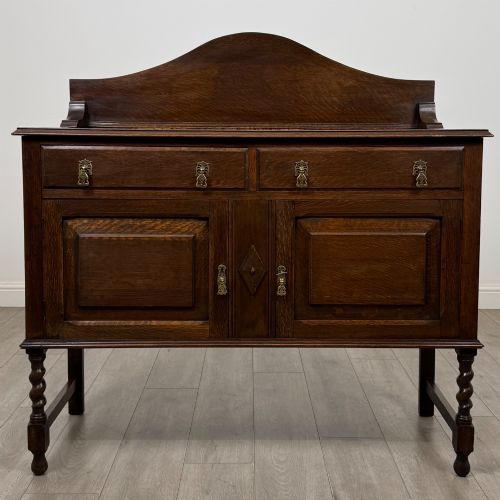
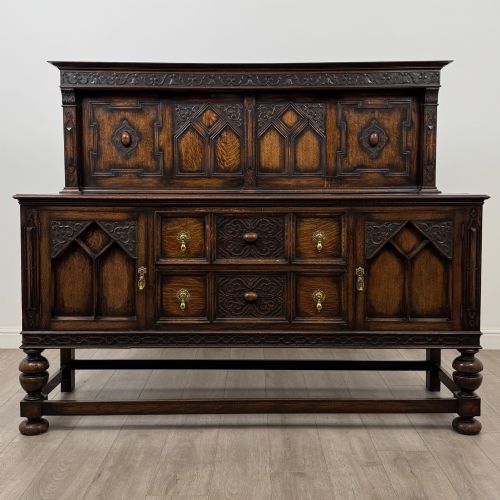
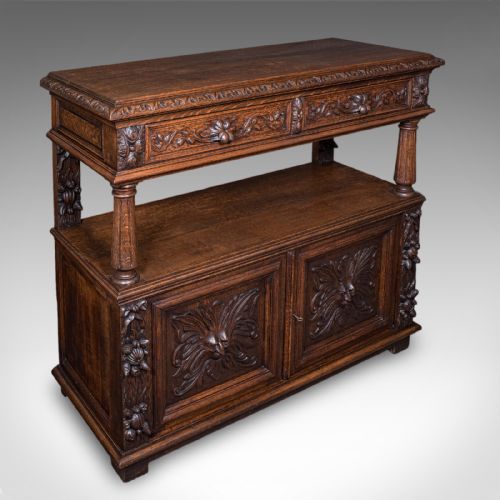
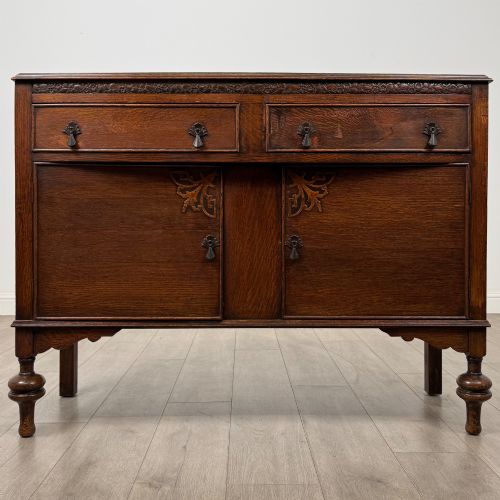
A dark wood dining sideboard serves as a substantial focal point in a dining room, designed to hold china, cutlery and glassware. These pieces range from Georgian serving tables to elaborate Victorian mirror back sideboards and Edwardian oak cupboards.
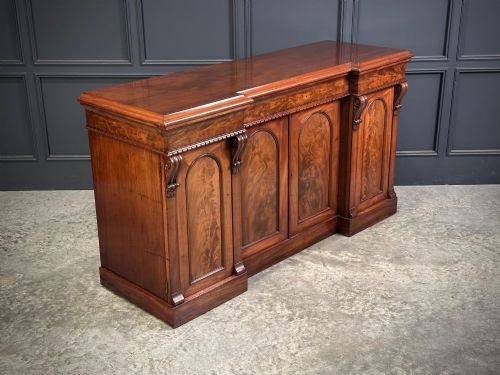
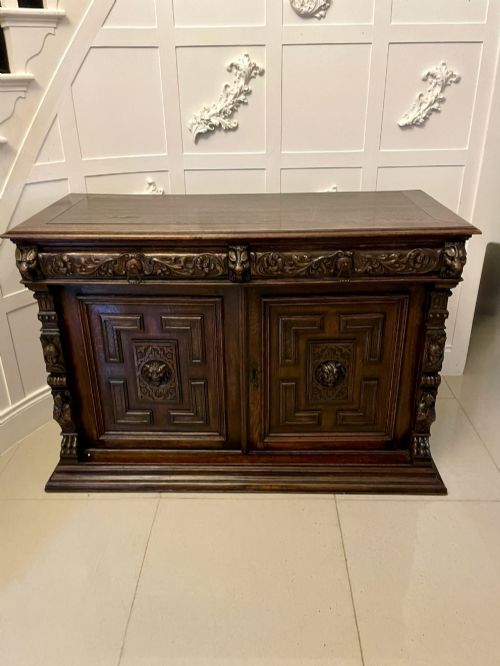
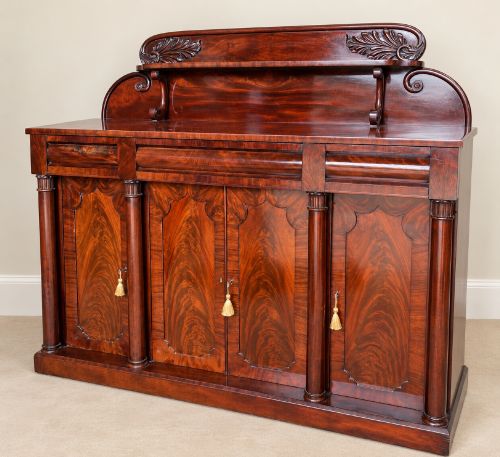
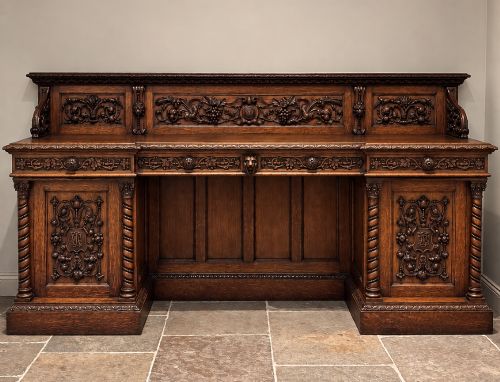
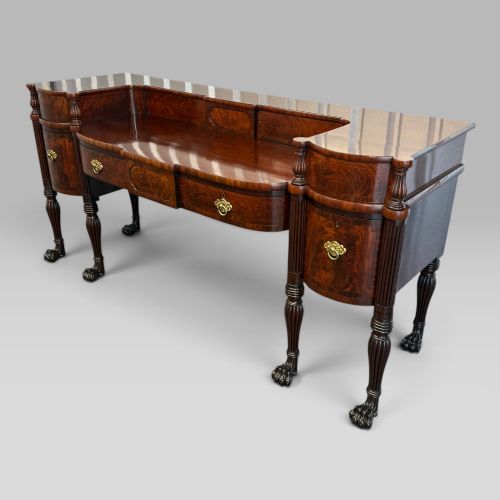
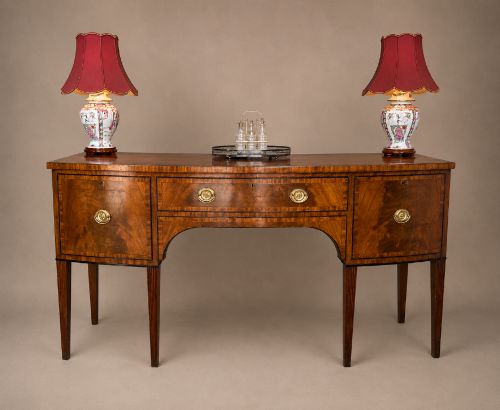
The versions most commonly met on this page include mahogany, oak and rosewood examples spanning the Georgian, Victorian and Edwardian periods. Forms vary from simple serpentine servers to large breakfront cabinets fitted with lion paw feet and carved details.
Materials and Technique
Makers utilised solid timbers alongside figured veneers such as flame mahogany and burr walnut to create rich surface patterns. Brass mounts, boxwood stringing and glass panels frequently accent the dark wood structures.
Construction techniques include hand-carving, barley twist turnings and precise inlay work. Carved mirror backs, panelled doors and robust dovetail joints define the structural integrity of these dining pieces.
Lion paw feet stand ready to pounce on crumbs beneath many a grand Victorian dining feast.
Craftsmanship and Proportion
Quality rests in the selection of timber, where symmetrical flame mahogany veneer or deeply figured oak shows superior cabinet-making. Subtle details such as crisp hand-carving and well-executed brass hardware elevate a piece above standard production.
Proportion and architectural balance dictate the standing of a sideboard, particularly in larger breakfront or mirror back designs. Pieces displaying integrated detailing, such as carved paw feet or fine inlay, demonstrate heightened execution.
The Dark Wood Dining Sideboard Glossary
- Chiffonier
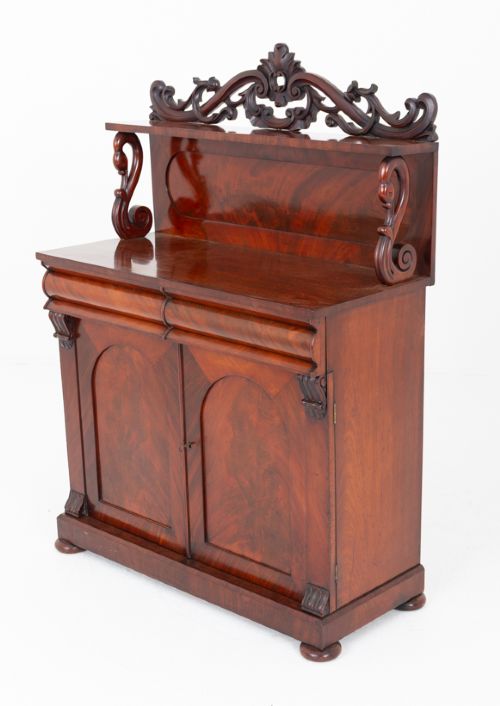
- A compact cabinet related to the sideboard, typically featuring shelves or a mirror superstructure. These pieces became popular during the Regency and Victorian eras.
- Flame Mahogany
- A wood veneer showing a distinct torch-like grain pattern. Cabinet-makers selected this timber for prominent drawer fronts and doors.
- Serpentine
- A curved furniture front characterised by a convex centre flanked by concave curves. This contour requires precise carpentry.
- Breakfront
- A piece of furniture where the central section projects forward from the flanking wings. It creates architectural depth in large dining cabinets.
Dark Wood Dining Sideboard: Frequently Asked Questions
Where should a sideboard sit?
A sideboard traditionally stands against the main dining room wall, positioned to allow easy access during meals.
Sufficient clearance around the piece ensures cabinet doors and drawers open fully without obstruction.
How do I clean mahogany?
Dust mahogany surfaces regularly with a soft, dry cloth to prevent dirt accumulation.
Apply quality beeswax periodically to nourish the timber and maintain a deep, natural lustre.
What is a mirror back sideboard?
A mirror back sideboard incorporates an upright wooden frame holding a glass mirror above the serving surface. Victorian makers favoured this design to reflect light and display decorative objects.
These superstructures often feature carved crests and small shelves.