

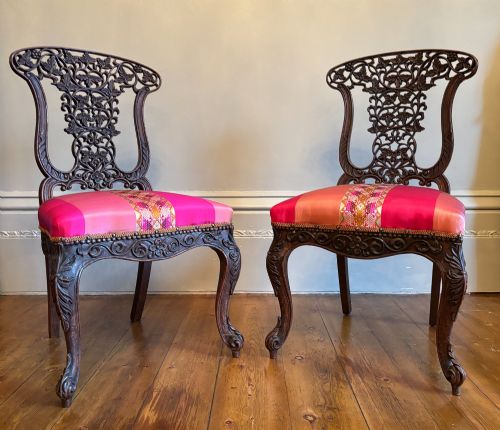
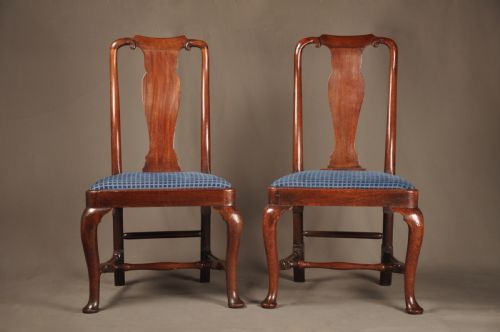
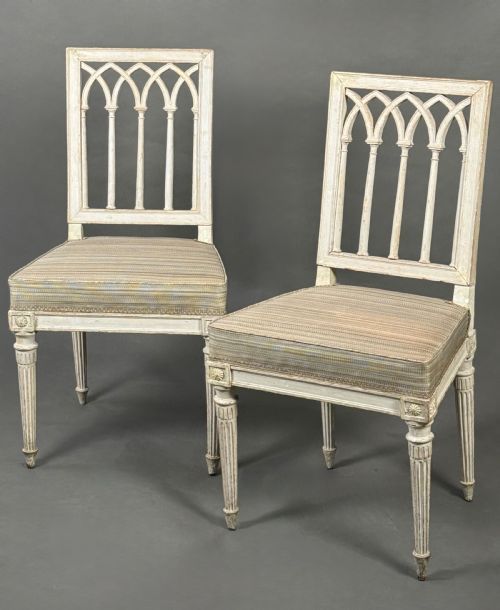
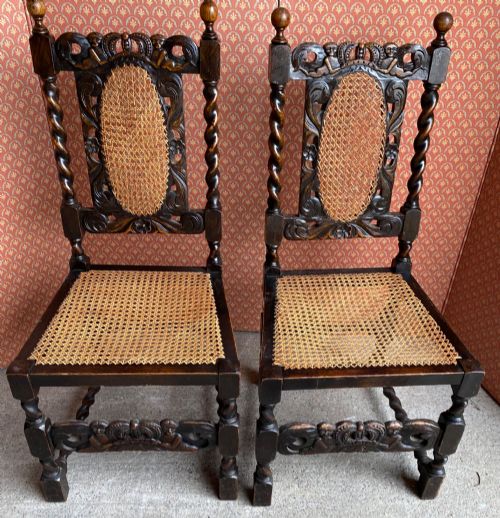
Antique Wood Side Chairs
Solid timber frames built for daily use, antique wood side chairs bring centuries of regional craftsmanship and formal dining history directly into modern rooms.
Antique Wood Side Chairs
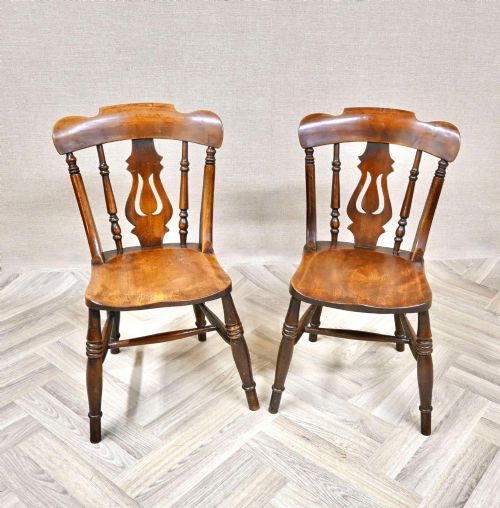
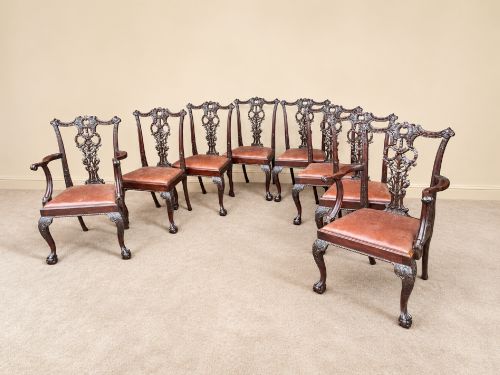
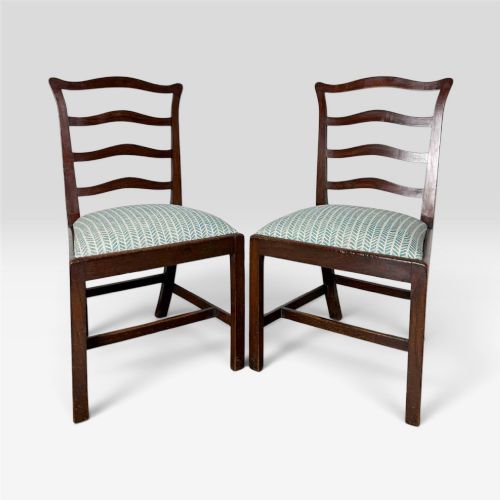
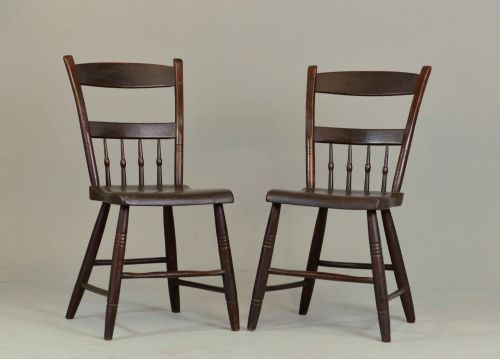
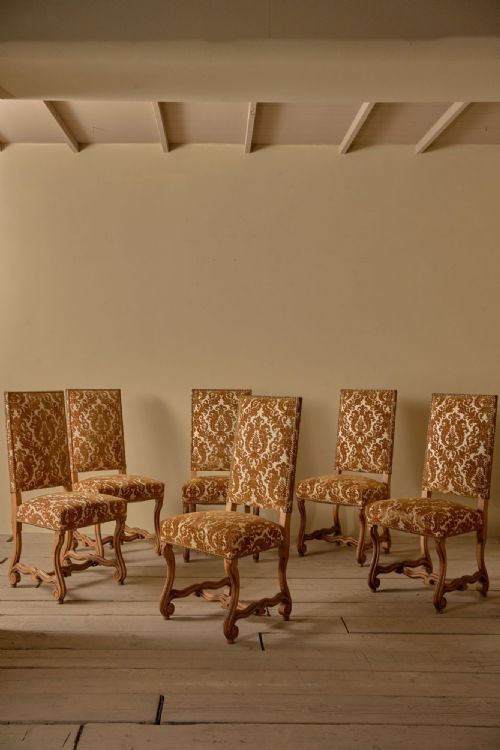
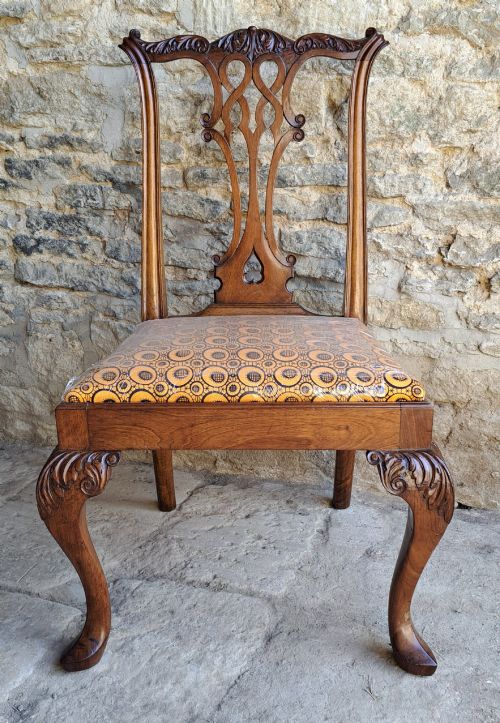
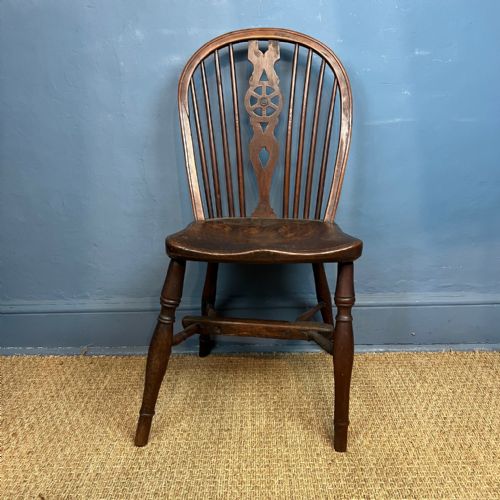
When searching for antique wood side chairs, buyers encounter everything from modest elm kitchen Windsors to formal mahogany dining sets designed across the eighteenth, nineteenth, and early twentieth centuries. These seats served multiple domestic roles, functioning as parlour seating, reception furniture, and dining additions.
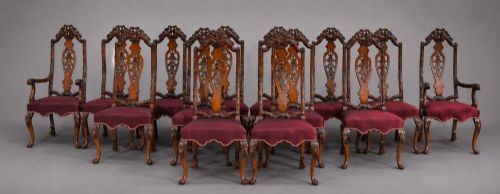
The options span distinct regional tastes, including solid oak country pieces, walnut reception seats, and refined rosewood or satinwood designs echoing Georgian and Victorian cabinetmaking traditions. Sets ranging from pairs up to twelve or twenty pieces appear alongside individual hall chairs and occasional seating.
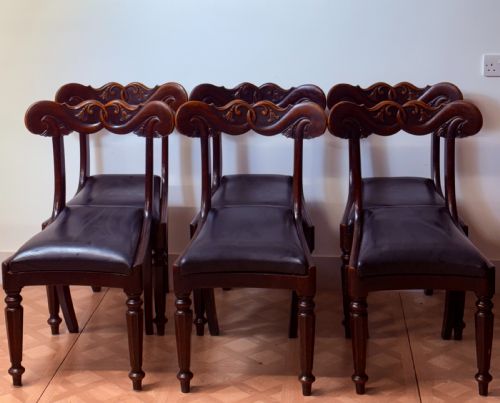
The most frequent encounters on this page involve nineteenth-century mahogany dining chairs and robust elm kitchen designs, reflecting the durable woods preserved from domestic and rural English settings.
Materials and Construction
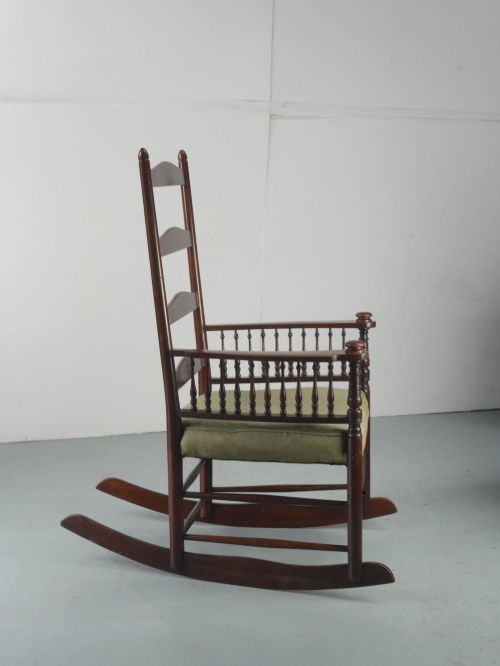
Makers relied on dense hardwoods such as mahogany, rosewood, oak, beech, and elm, selecting each timber for its specific structural capacity and grain pattern. Mahogany and rosewood provided stability for carved dining sets and inlaid parlor pieces, while elm and beech offered the necessary flexibility for bentwood components and spindle Windsor construction.
Joinery techniques combined traditional mortise and tenon joints with turned elements, bobbin turnings, and steam-bent parts. Surface ornamentation frequently incorporated hand carving, applied veneer marquetry, cane seating inserts, and fabric upholstery fixed over webbing and stuffing.
Antique Wood Side Chairs Retail Price Guide 2026
Typical asking prices for wood side chairs among the pieces listed under this phrase on Sellingantiques today, from the lower quarter to the upper quarter. They describe what is for sale here now, not the wider market.
Object forms range from formal dining sets and salon suites to Windsor kitchen chairs, hall seats, and nursing chairs.
Evaluating Construction and Material Quality
Quality reveals itself in the density of the primary timber, the crispness of hand-carved details like shield backs or balloon frames, and the structural integrity of the joints. Finer examples display carefully matched grain patterns across sets and precise joinery that maintains rigidity without excessive metal reinforcement.
The distinction between standard utility furniture and high workshop production lies in the depth of the carving, the quality of secondary timbers used in hidden frame parts, and the retention of original finish and surface patination.
Gillows·Maple & Co
The Antique Wood Side Chairs Glossary
- Windsor chair
- A wooden chair constructed with a solid elm or hardwood seat into which the legs and back spindles are directly joined. These vernacular pieces often feature steam-bent bows and sculpted saddle seats.
- Shield back
- A chair back design shaped in the outline of a heraldic shield, popularised during the Georgian period by designers like Hepplewhite. This form frequently incorporates pierced splats and delicate carving.
- Balloon back
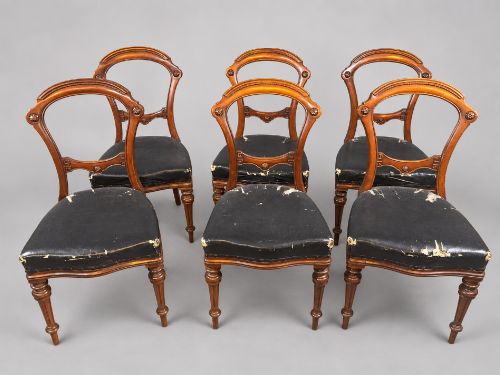
- A rounded, continuous wooden backrest resembling a balloon, characteristic of Victorian dining chairs. The flowing curve provides ergonomic support while displaying figured mahogany veneer.
- Hall chair
- A rigid, often unpadded wooden seat intended for transient use in entrance halls or corridors. They frequently display carved family crests, plain wooden panels, or shaped solid seats.
- Cane seat
- A seating surface woven from peeled rattan or cane strips in an open mesh pattern. This technique provides lightweight resilience and appears frequently on Regency and Victorian lighter frames.
Antique Wood Side Chairs: Frequently Asked Questions
How do I date an antique wood side chair?
Dating relies on examining the timber species, construction methods, tool marks left by saws or lathes, and stylistic markers such as cabriole legs, balloon backs, or Regency reeding. Secondary woods hidden underneath often provide clearer evidence of the period of manufacture than the primary display surfaces.
Matching the overall proportions and decorative vocabulary to known historical periods, from Georgian mahogany to Edwardian satinwood, narrows the timeframe. Expert attribution also considers workshop practices and regional carpentry traditions recorded in the piece's assembly.
Can I mix antique side chairs with a modern table?
Mixing older wood side chairs with a contemporary table creates a striking contrast that highlights the natural grain and historic craftsmanship of the timber. Ensuring the seat heights allow comfortable clearance beneath the table surface remains the primary practical consideration.
Selecting chairs with complementary wood tones or shared structural lines helps unify the arrangement across different eras. The variety of available styles, from rustic elm Windsors to formal rosewood dining seats, permits flexible pairings in contemporary spaces.
What is the difference between a side chair and an armchair?
Side chairs are built without armrests, designed primarily to slide neatly beneath dining tables or stand compactly against walls when not in use. Armchairs include integrated arm supports, offering a more substantial profile suited for reception rooms or carver positions at the head of a table.
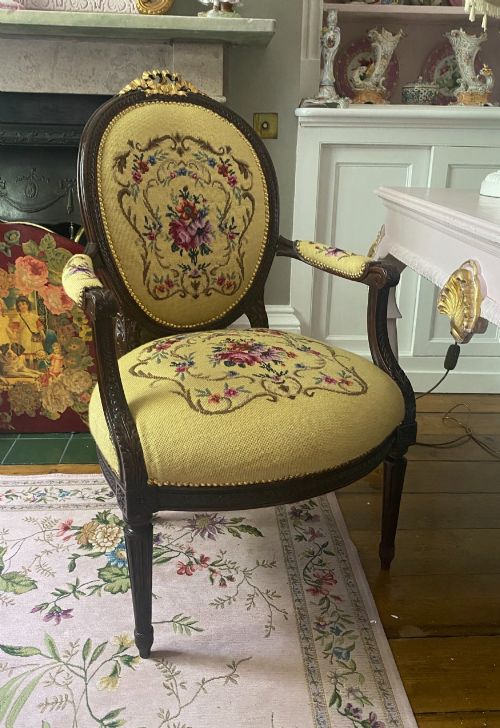
Sets of dining chairs historically included a pair of armchairs, known as carvers, accompanied by several matching armless side chairs. Construction methods remain similar, but the presence of arms changes the visual weight and placement within a room.
How should I care for antique wood chairs?
Maintaining antique wooden frames involves keeping them away from direct heat sources and rapid humidity changes that can cause timber to split or veneer to lift. Dusting regularly with a soft, dry cloth preserves the finish without introducing moisture or harsh chemical residues.
Applying microcrystalline wax occasionally helps protect exposed hardwood surfaces and maintains the historic patination without sealing the wood permanently. Checking joints periodically for stability ensures the original glue and pegs remain secure during everyday use.