


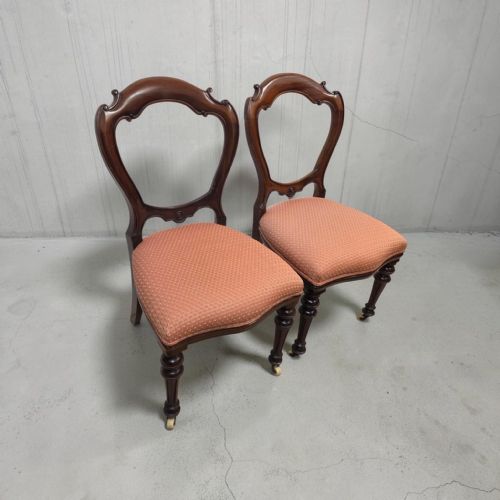
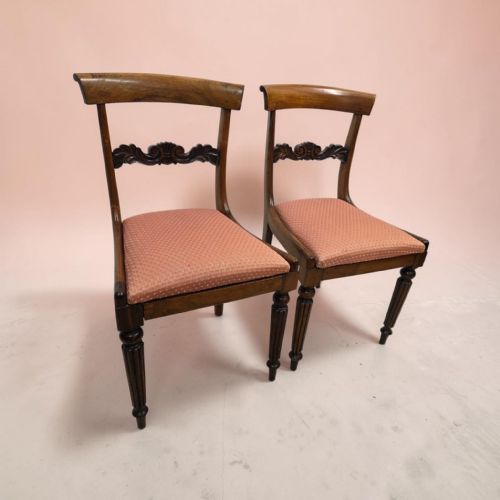
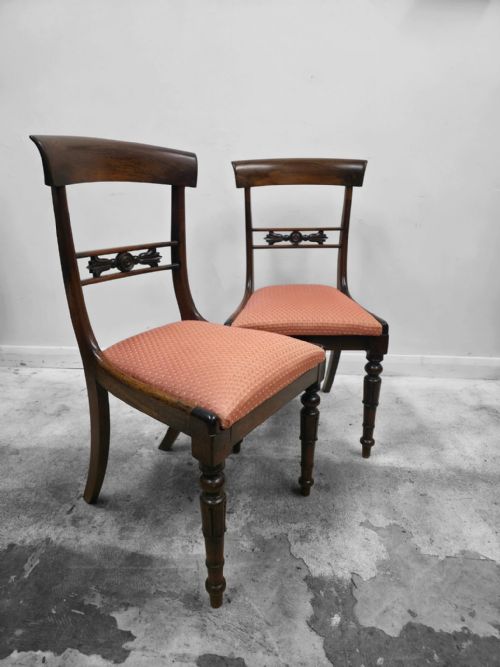
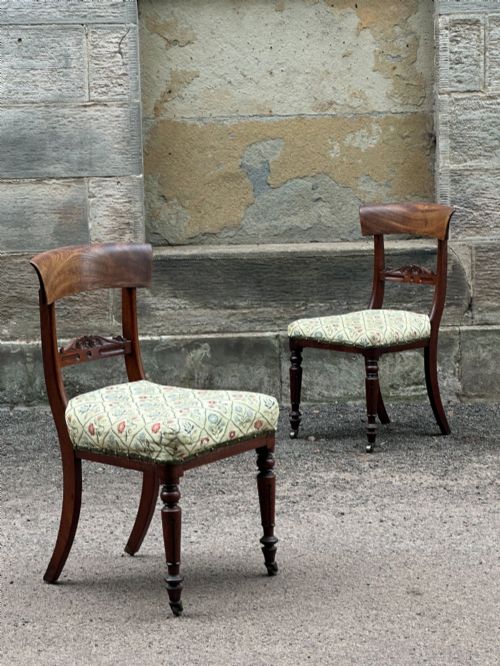
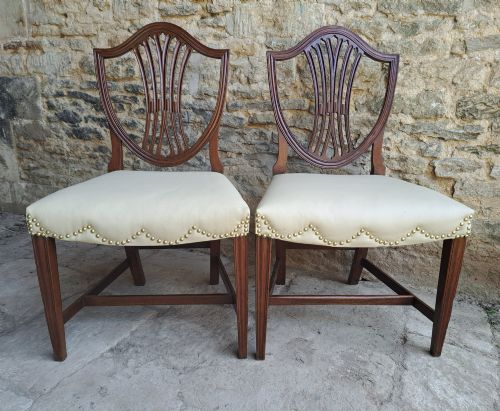
Pair Carved Dining Chairs
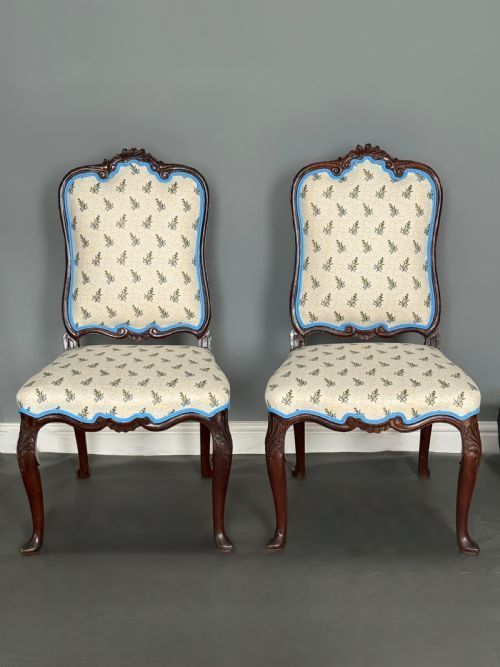
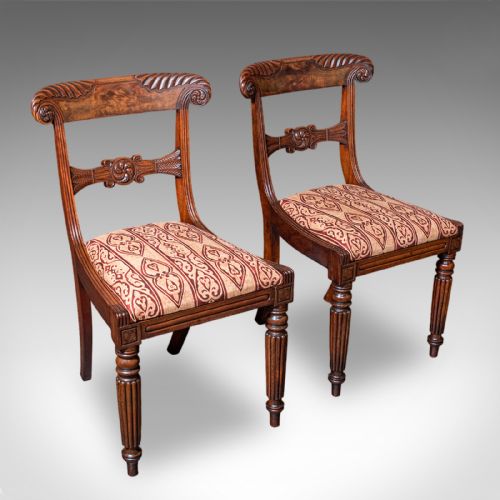
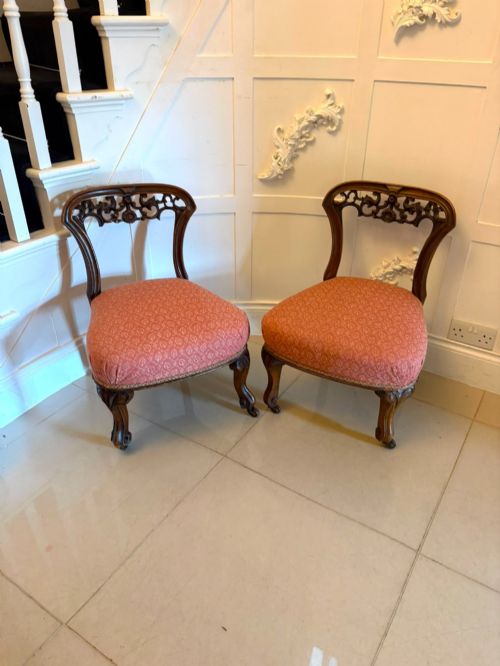
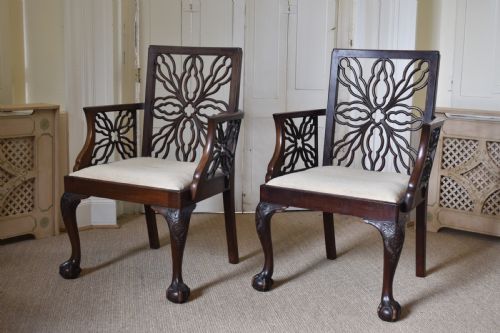
A pair carved dining chairs brings symmetry and proportion to a room, offering functional seating shaped by centuries of stylistic evolution.
Pair Carved Dining Chairs
When you search for a pair carved dining chairs, you encounter seating designed to match, spanning periods from the eighteenth century through to the twentieth century. These objects function primarily as dining seats, occasional chairs, or hall chairs within domestic spaces.
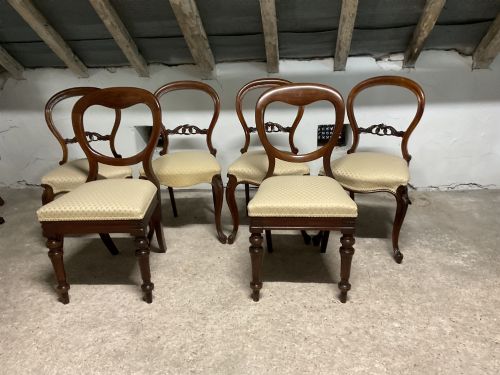
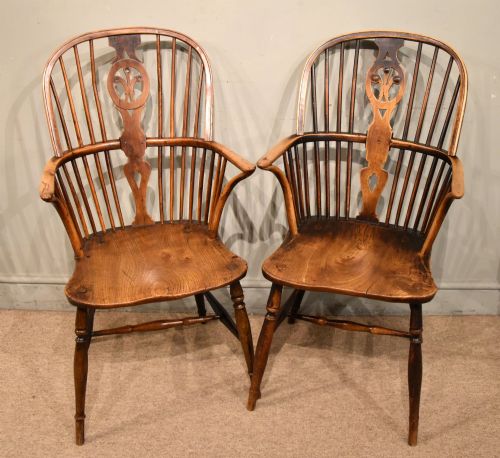
The materials represented across the selection include mahogany, walnut, oak, and rosewood, alongside finishes in fabric, brass, velvet, and upholstery fabric. Formats range from side chairs and open armchairs to balloon back and high back variations.
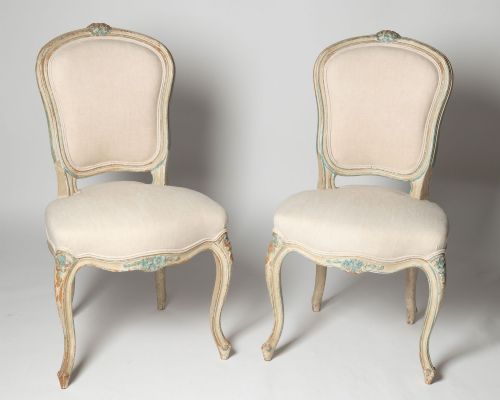
Origins stretch across English, Scottish, Welsh, Dutch, French, Swedish, and Anglo-Indian workshops. Stylistic influences incorporate Regency, Victorian, Georgian, William IV, Chippendale Revival, George II, Gothic Revival, and Louis styles.
How They Were Made
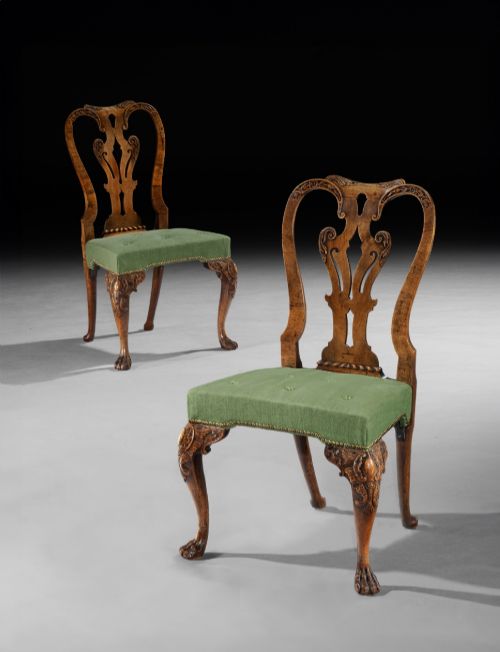
Cabinet makers utilised dense hardwoods such as Cuban mahogany, walnut, oak, padauk, and rosewood to construct the frames. These timbers were carved with motifs or turned with bobbin and barley twist details.
Joinery methods involved traditional framing to ensure stability across side chairs and armchairs. Upholstery materials like leather, needlework, velvet, and specialised fabric were subsequently applied to seat pads and backs.
Armorial clan chairs carry centuries of heraldic crests into modern dining rooms.
What Varies in Quality
The standard of carving distinguishes individual examples, where depth and crispness of detail indicate the hand of a skilled artisan. Wood selection also dictates visual weight, with figured timbers and rich grain patterns holding greater presence.
Proportion and structural integrity define the architectural merit of each pair. Retaining original show wood, cohesive timber matching between both chairs, and authentic upholstery specifications elevate the piece.
Charles Tozer
The Pair Carved Dining Chairs Glossary
- Balloon back
- A rounded, oval-shaped chair back popular during the Victorian era. This contour provides ergonomic support while presenting a light profile.
- Side chair
- A seat without arms designed primarily for dining tables. These chairs are proportioned to tuck neatly beneath tabletops when not in use.
- Bobbin turned
- A method of woodturning that creates a series of rounded, spherical shapes resembling bobbins along a stretch or leg. This decorative technique appears frequently on seventeenth and eighteenth-century furniture.
- Grecian style
- A classical design movement drawing inspiration from ancient Greek art and architecture. Elements include bold scrolls, curule forms, and heavy timber framing.
- Splati
- A central vertical slat of wood within a chair back connecting the crest rail to the seat. The shape of this element often defines the period and stylistic attribution.
Pair Carved Dining Chairs: Frequently Asked Questions
How do I date these chairs?
Dating relies on observing timber choices, construction techniques, and prevailing artistic styles visible in the frame. Secondary woods and tool marks often provide further clues regarding age.
Comparing structural details against documented examples helps narrow down the decade of production.
Can I use them daily?
Most antique seating is structurally robust enough for regular domestic use provided the joints remain sound. Professional assessment can confirm stability before placing them into daily service.
Weight distribution and seat height should match modern dining tables for comfortable dining.
What is a matched pair?
A matched pair consists of two similar chairs gathered together after manufacture rather than created simultaneously as a set. Minor variations in timber grain or carving depth often reveal this pairing.
They share identical forms and periods, offering visual symmetry around a table.
How do I care for antique wood?
Maintain timber surfaces by dusting with a soft dry cloth and avoiding direct sunlight or heat sources. Natural waxes nourish the grain without building up heavy chemical residue.
Stable indoor humidity prevents the timber from splitting or warping over time.