
Antique Wood Relief Panel
An antique wood relief panel brings tactile depth and centuries of hand-carved craft directly onto a wall.
Antique Wood Relief Panel
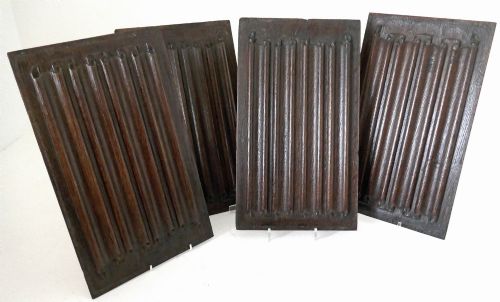
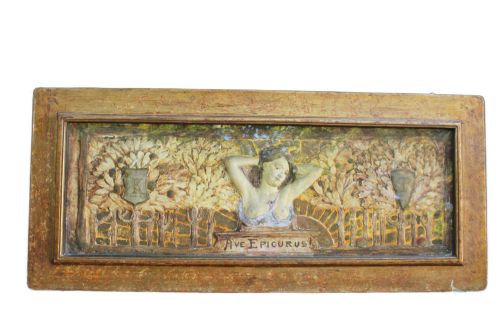
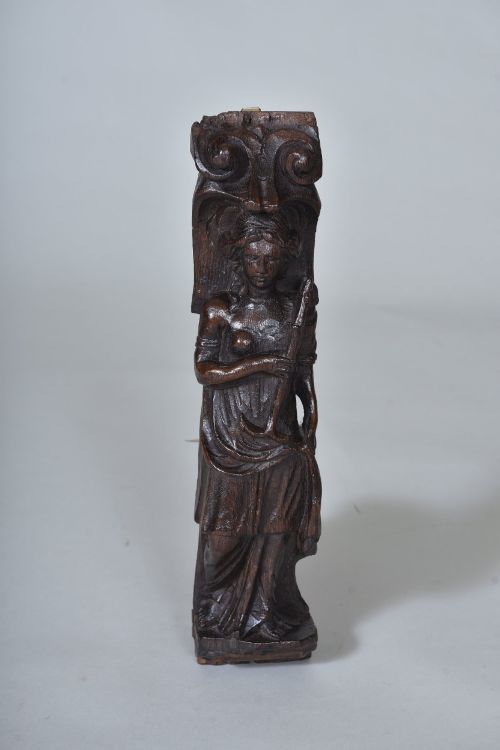
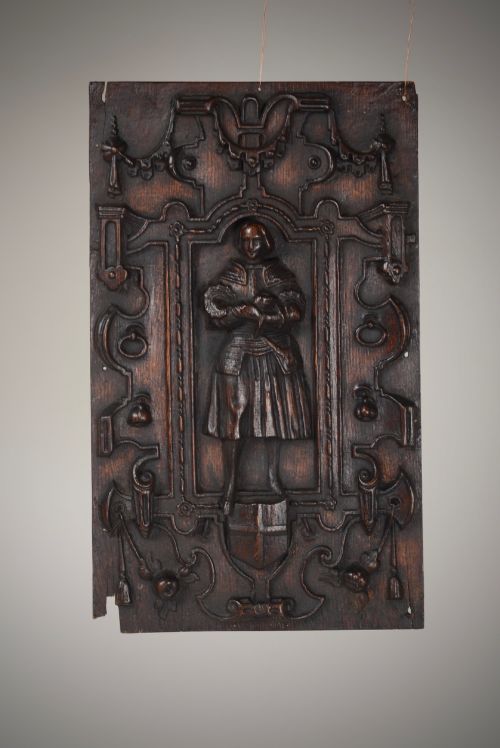
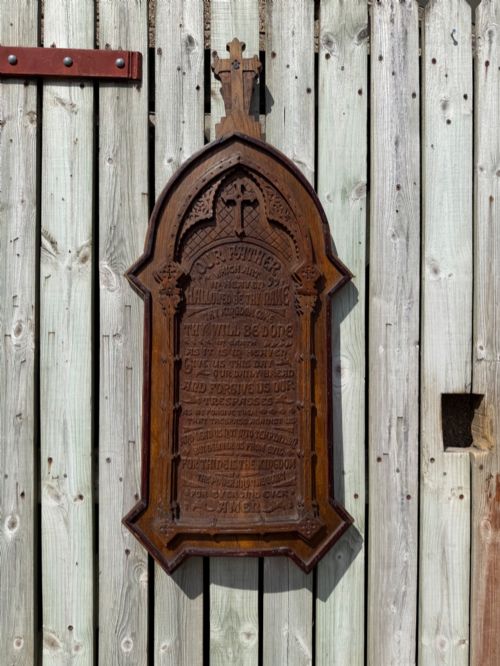
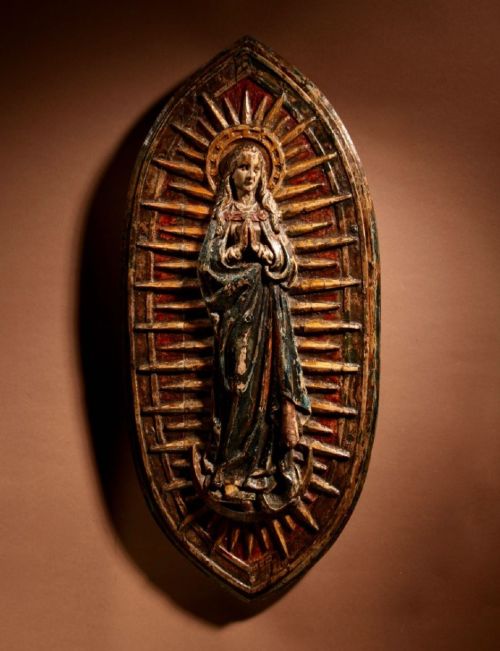
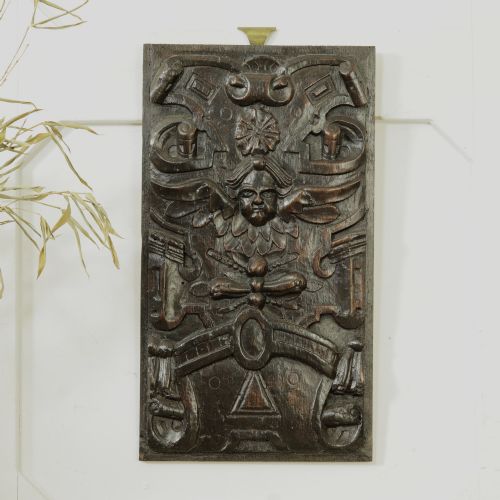
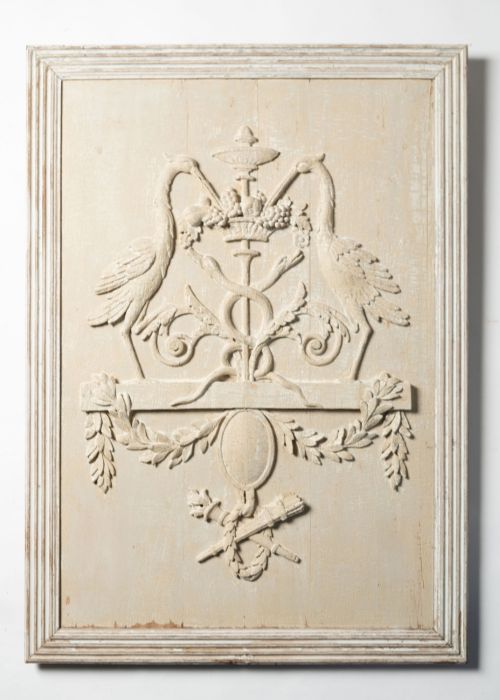
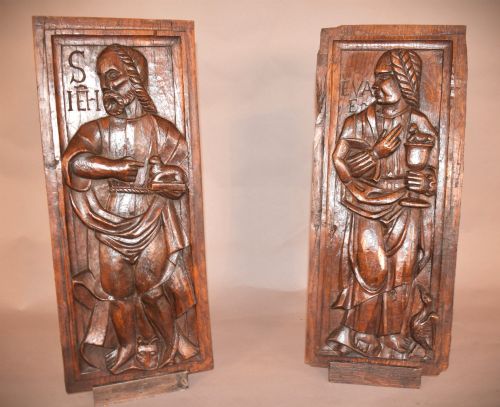
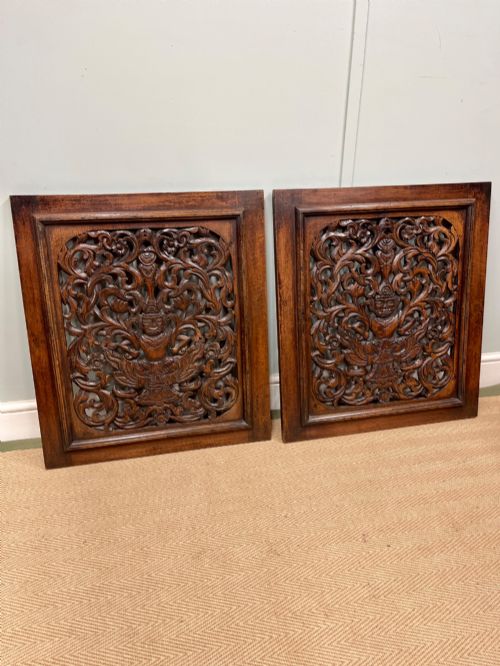
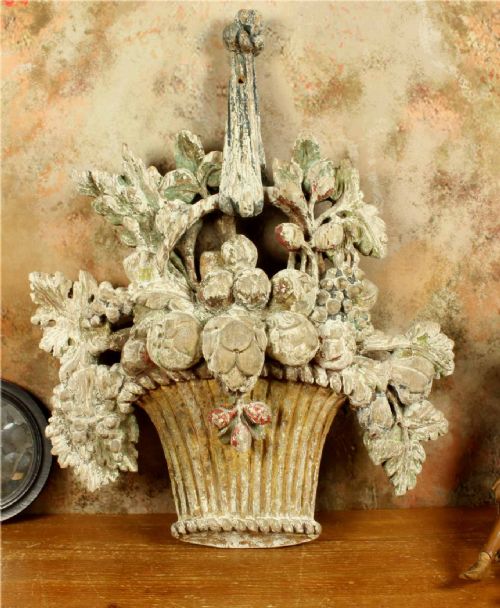
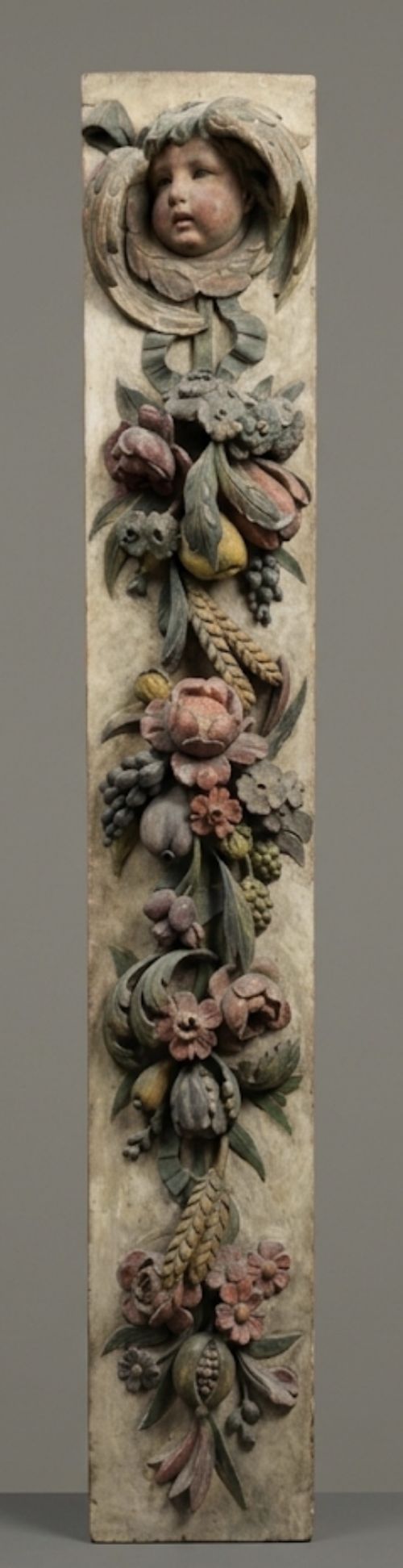
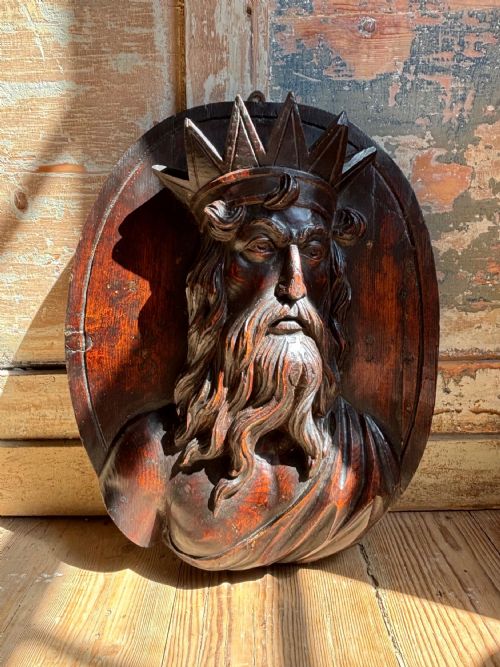
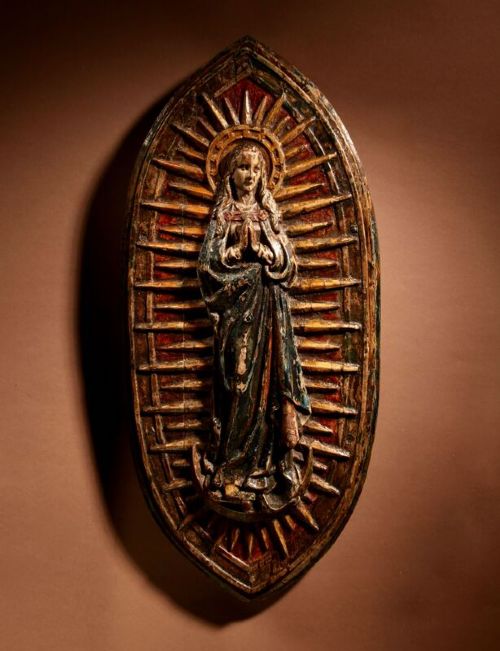
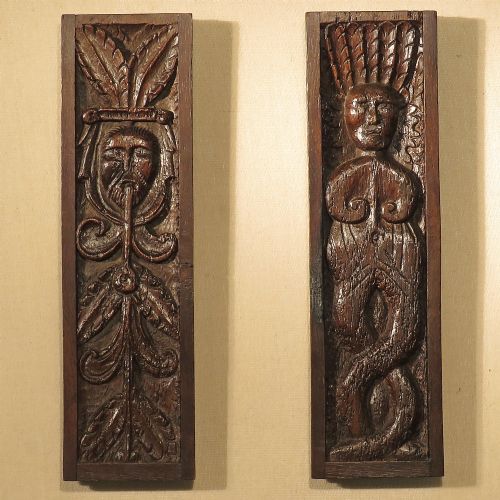
When you search for an antique wood relief panel, you encounter sculptural woodwork salvaged from domestic interiors, altarpieces and architectural fragments spanning several centuries. The selections range from early Tudor linenfold carvings and seventeenth-century oak panels depicting religious figures to nineteenth-century continental floral trophies and Chinese giltwood temple carvings.
The format typically manifests as a flat architectural element meant for wall hanging, wall plaques or decorative wall art. Oak and walnut dominate the earlier periods, while limewood, fruitwood and exotic hardwoods appear in later continental and Asian pieces.
Buyers look for these items to anchor a room with genuine age, texture and historic narrative. The most frequent encounters on this page involve oak panels from the sixteenth and seventeenth centuries, alongside nineteenth-century decorative carvings and architectural fragments.
How they were made
Carvers shaped these works using hand chisels and gouges directly into dense timber, most commonly oak, walnut, chestnut or fruitwood. Relief carving required cutting away the background field to leave the figures, foliage or heraldry standing proud of the surface.
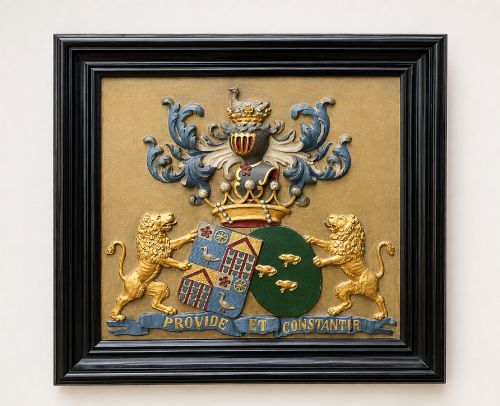
Many historical panels received surface treatments including gesso, gold leaf, polychrome paint or dark wax finishes to enhance their sculptural details. Architectural salvage pieces often show evidence of structural joinery, such as tenons and peg holes, reflecting their original placement within larger wall schemes or furniture.
The listings on this page encompass timber varieties from native English oak and walnut to exotic hardwoods and fruitwood.
What varies in quality
The standard of a carved relief rests entirely on the confidence and precision of the hand behind the chisel. Superior pieces display crisp undercut details, anatomical understanding in figures, and naturalistic flow in drapery or foliage, whereas lesser examples rely on stiff, shallow incisions.
Original surface integrity significantly separates ordinary examples from exceptional ones. Retained traces of early polychrome paint, original gilding or unvarnished historic timber patination elevate a piece, while heavy modern stripping or aggressive later sanding diminishes the artistic merit.
The Antique Wood Relief Panel Glossary
- Relief
- A sculptural technique where figures or motifs project from a flat background. High relief means the elements stand well away from the plane, while low relief keeps them close to the surface.
- Linenfold
- A style of wood carving that imitates vertical folds of stiff fabric. It appears frequently on sixteenth-century oak panels.
- Polychrome
- Decorated in a variety of colours. Historic panels often used gesso and paint layers over the wood to bring figures to life.
- Giltwood
- Wood that has been treated with a thin layer of gold leaf or gold paint. This technique frequently highlights temple panels and mirrors.
- Architectural salvage
- Building elements removed from older structures for reuse. These pieces often form the basis of decorative wall plaques and panels.
Antique Wood Relief Panel: Frequently Asked Questions
How do I hang a heavy wood panel safely?
Heavy carved oak or hardwood panels require robust wall fixings anchored directly into studs or masonry. Using concealed French cleats provides steady support for uneven timber weights.
Avoid relying on simple picture wire for dense historic panels. The mounting system must bear the full dead weight of the solid timber safely against the wall.
How do I clean an antique wood carving?
Dust the surface gently using a dry, soft-bristled brush to clear debris from deep recesses. Avoid using commercial liquid polishes or water on historic wood and gilt surfaces.
If the panel requires deeper attention, consult a professional conservator. Modern cleaning products can strip historic wax and destabilise original polychrome paint layers.
How can I tell a sixteenth-century panel from a later copy?
Early panels display tool marks left by hand chisels, irregular shrinkage, and timber shrinkage cracks consistent with centuries of age. Oak from this period often shows distinct medullary rays.
Later copies frequently exhibit mechanical uniformity or signs of artificial ageing. Examining the back and joinery reveals whether the timber was cut by hand or modern machinery.
Where were these panels originally placed?
Many panels originated as structural components within domestic wall panelling, church altarpieces, or furniture such as cupboards and settles. Architectural settings integrated them to display status, faith or familial heraldry.
Over the centuries, these elements were often removed from their original context and framed as standalone wall art. This transformation preserved intricate carvings that would otherwise have been lost.