
Antique Wood Bedroom Storage
Antique wood bedroom storage comprises substantial timber chests, wardrobes, and presses designed to hold garments across several eras of domestic life.
Antique Wood Bedroom Storage
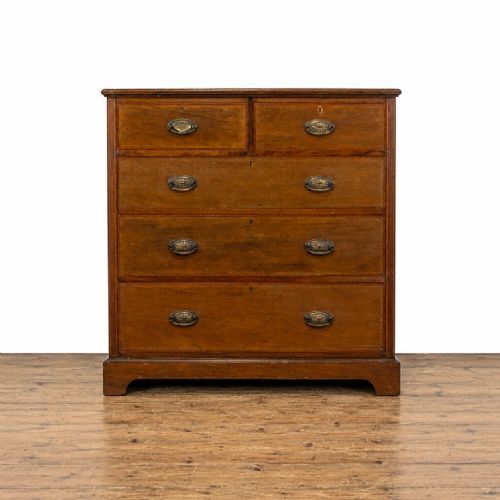
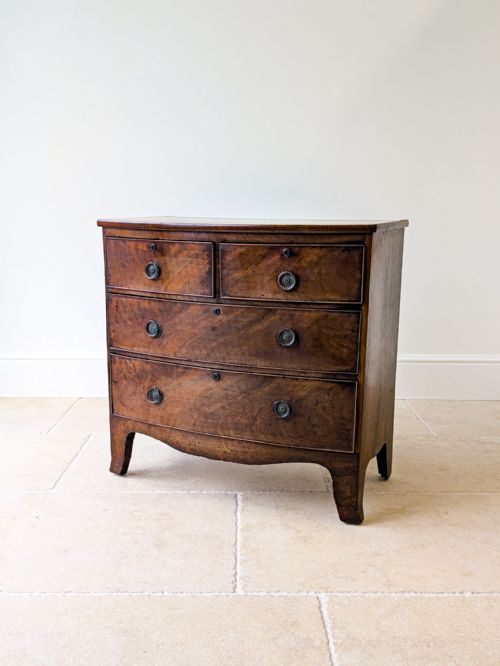
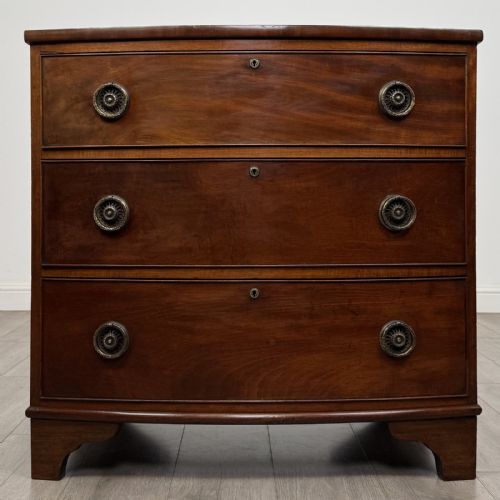
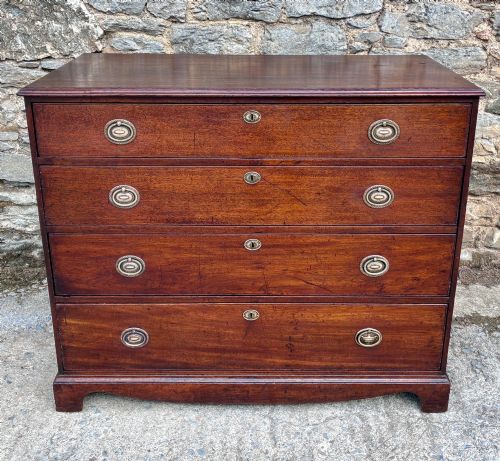
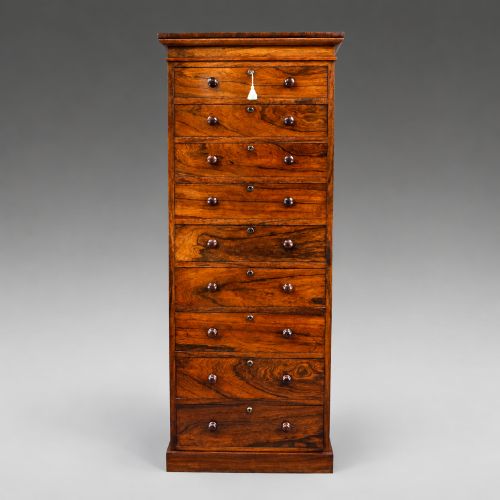
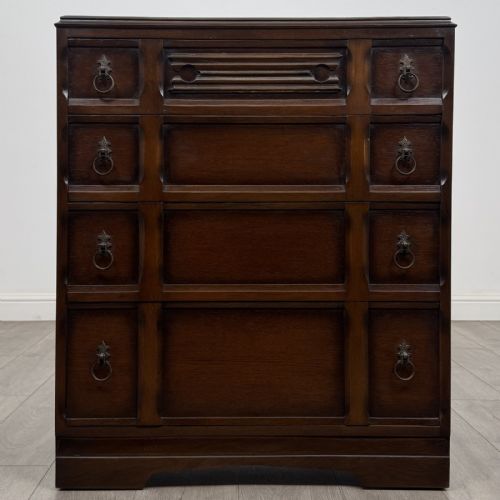
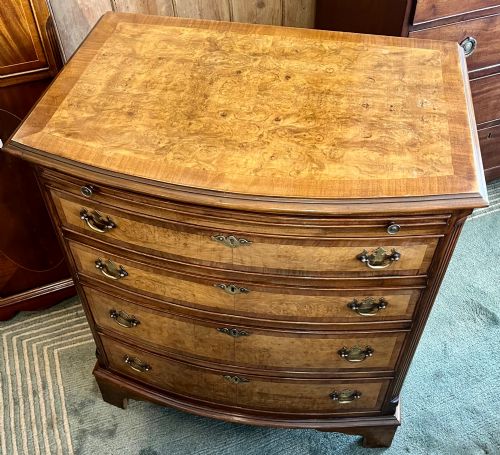
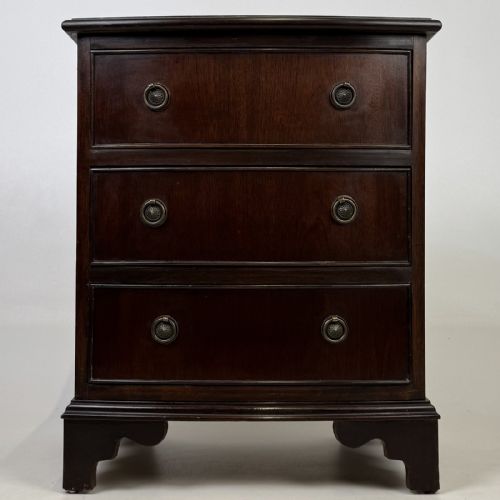
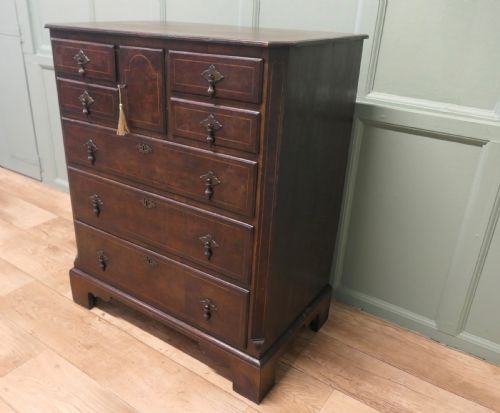
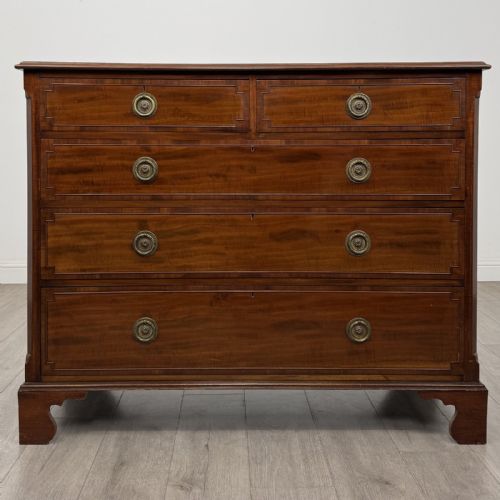
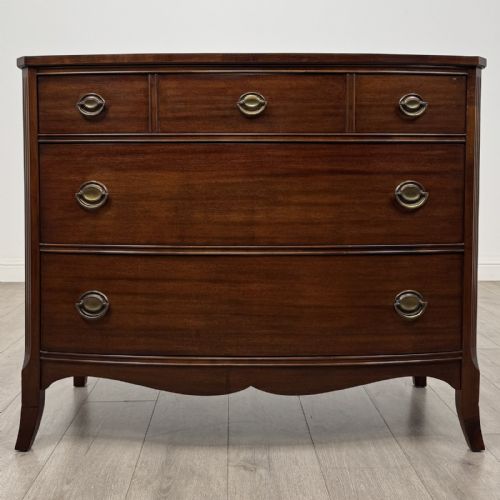
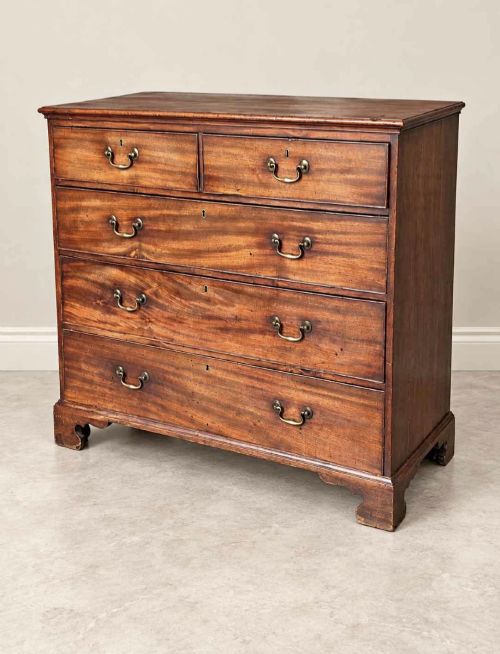
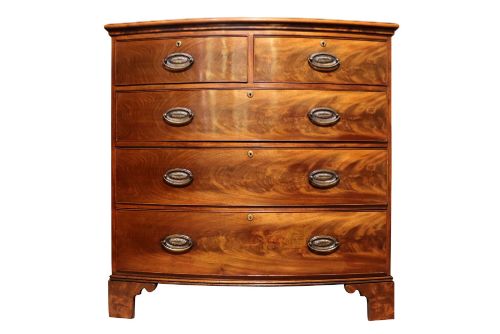
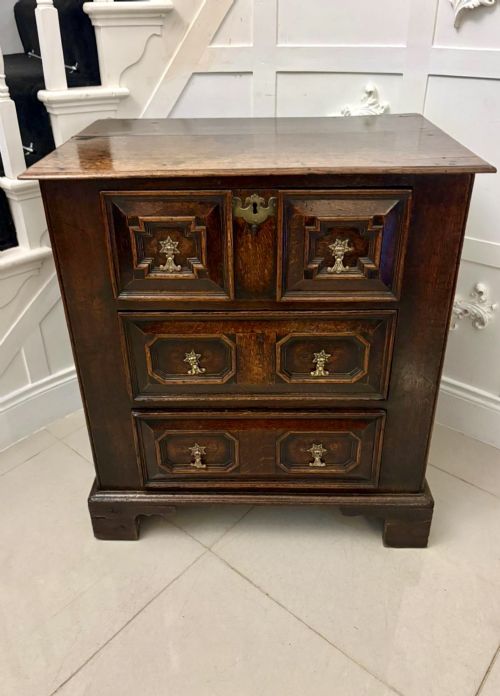
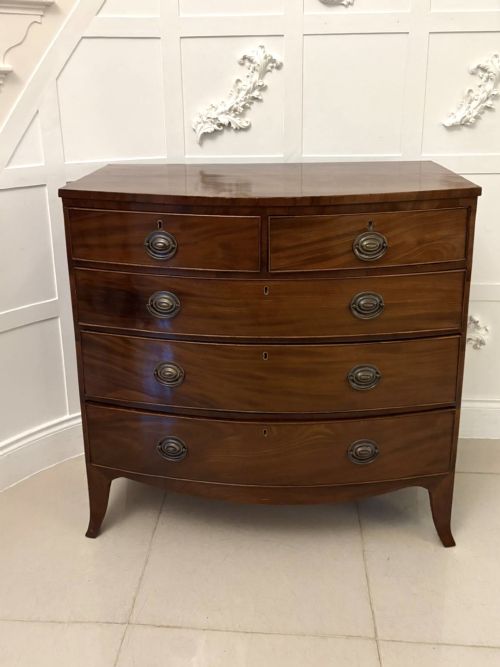
When you examine antique wood bedroom storage, chests of drawers dominate the selection in straight, bow front, and serpentine profiles. These pieces originate from Georgian, Regency, and Victorian periods, alongside Edwardian and Art Deco examples.
Wardrobes and linen presses provide larger hanging and shelving space, while bedside cabinets and tables offer compact storage. Timber varieties range from dark mahogany and walnut to lighter pine, ash, and satinwood.
Materials and construction
Cabinet makers utilised dense hardwoods such as mahogany, walnut, and oak for structural integrity and refined exterior surfaces. Secondary timbers like pine appear on internal drawer linings and carcass backs.
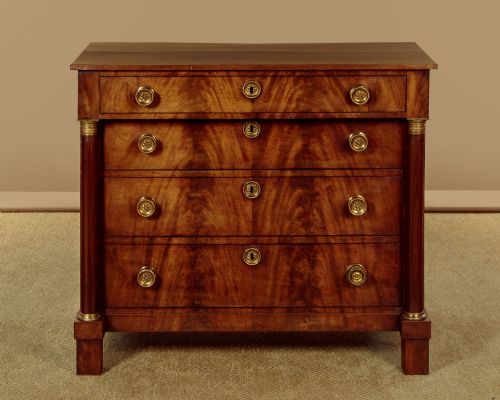
Decorative elements involve flame mahogany veneers, satinwood banding, marquetry, and brass hardware. Tongue and groove joints construct interior sections while dovetails secure drawer construction.
The listings span from the 18th century through the Art Deco era, encompassing mahogany, walnut, oak, pine, and satinwood.
Distinctions in craftsmanship
Figured timber selections define the visual weight of a piece, where matched flame mahogany or burr walnut veneers elevate the surface. Simple straight-grain pine or standard mahogany sits at the functional end of domestic output.
Refined cabinet making shows in tight dovetail joints, uniform drawer movement, and integrated secondary timbers. Maker attributions or signatures from workshops such as Whytock & Reid or T & G Seddon separate standard regional work from documented output.
Whytock & Reid·T & G Seddon·Maple & Co
The Antique Wood Bedroom Storage Glossary
- Bow front
- A convex curved cabinet front that projects outward at the centre. This shape gained popularity during the Georgian and Regency periods.
- Brushing slide
- A pull-out shelf integrated above drawers, traditionally used for folding clothes or brushing garments. It sits flush within the cabinet framework when closed.
- Serpentine
- A cabinet front featuring a concave curve flanked by two convex curves, or the reverse. This undulating profile requires skilled carpentry to execute.
- Linen press
- A tall cupboard featuring upper doors enclosing sliding trays or shelves, paired with lower storage drawers. They originated for storing household textiles.
- Flame mahogany
- A veneer cut from the fork of a mahogany tree where the grain pattern creates a flickering flame effect. Cabinet makers deployed this on primary drawer fronts.
Antique Wood Bedroom Storage: Frequently Asked Questions
How do I identify a Georgian chest of drawers?
Georgian chests typically display solid proportions in mahogany or walnut, often featuring hand-cut dovetails and brass pull handles. The arrangement commonly includes two small drawers over three large graduated drawers.
Bracket feet or ogee bracket feet support the base, while higher quality examples incorporate brushing slides or satinwood stringing.
What is the difference between a tallboy and a chest on chest?
A chest on chest consists of two distinct cabinet sections stacked vertically, providing significant drawer capacity while maintaining a narrow floor footprint. These units frequently pair a smaller upper chest with a deeper lower base.
Tallboys generally refer to single-carcass vertical cabinets or wardrobes that combine hanging space with internal drawers, reflecting changing bedroom requirements through the twentieth century.
Can I use an antique linen press as a wardrobe?
Historic linen presses were designed with internal sliding shelves for folded garments rather than full-height vertical hanging space. Many modern owners adapt these interiors by removing internal trays to accommodate standard coat hangers.
Alternatively, unadapted presses serve effectively for storing folded knitwear, bedding, or media equipment within a bedroom setting.
How should I care for antique bedroom timber?
Maintain stable indoor humidity levels and keep wooden furniture away from direct heat sources such as radiators to prevent timber splitting or veneer lifting. Regular dusting with a dry, soft cloth preserves the wax or polish finish.
Avoid silicone-based sprays, applying traditional beeswax sparingly when the wood surface appears dry.