

Antique Wood Animal Statues
These antique wood animal statues bring character to a room through centuries of carving traditions.
Antique Wood Animal Statues
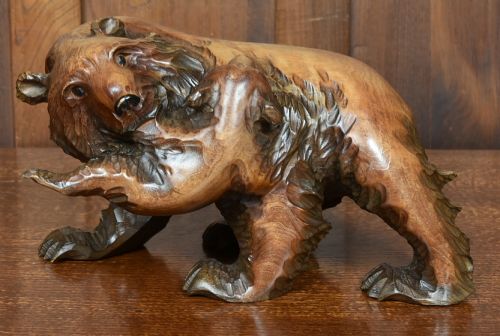
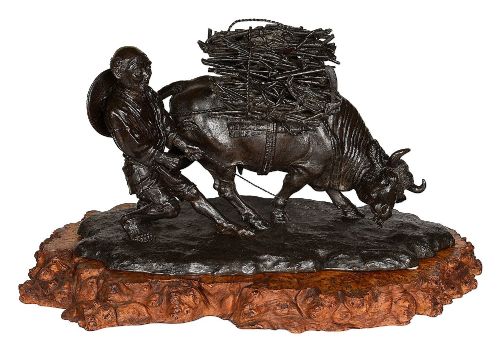
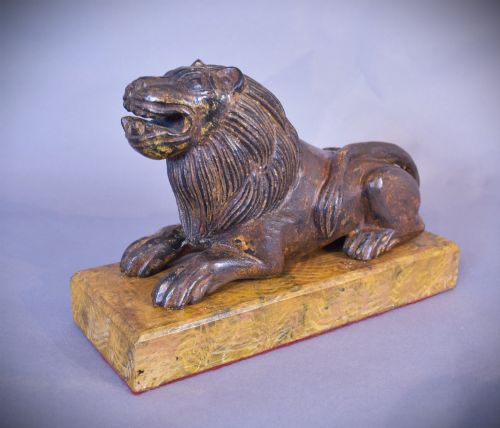
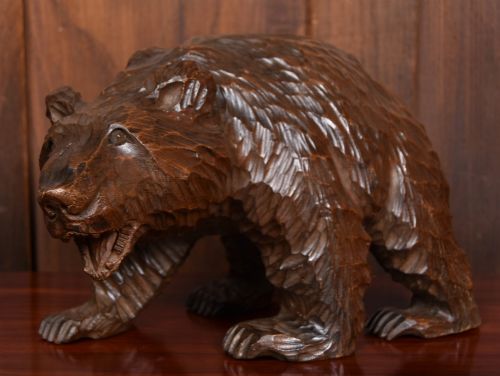
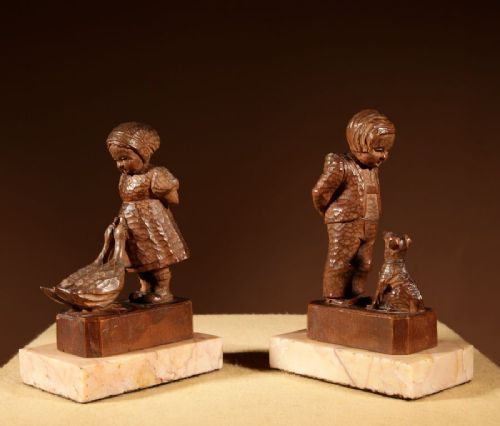
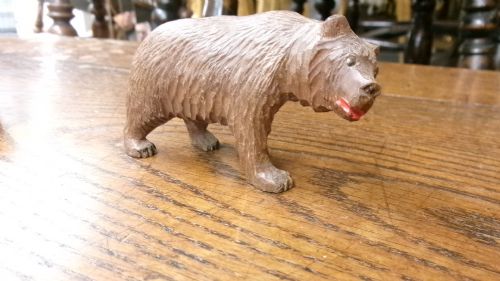
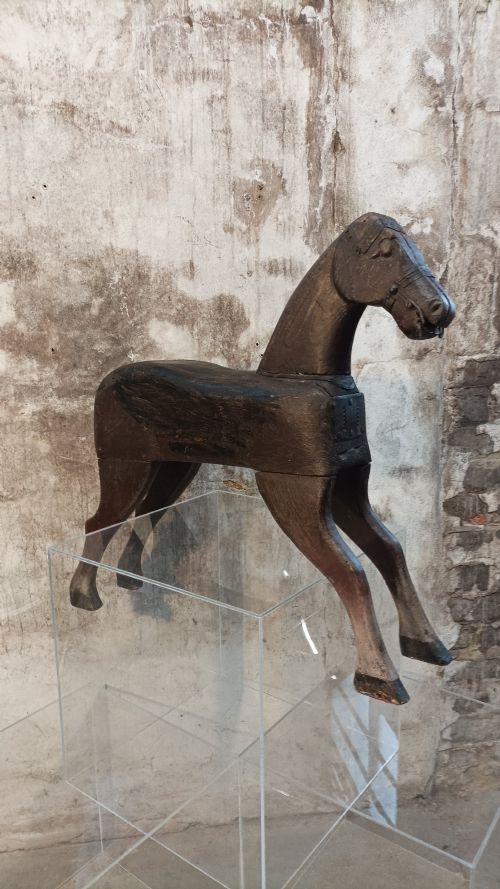
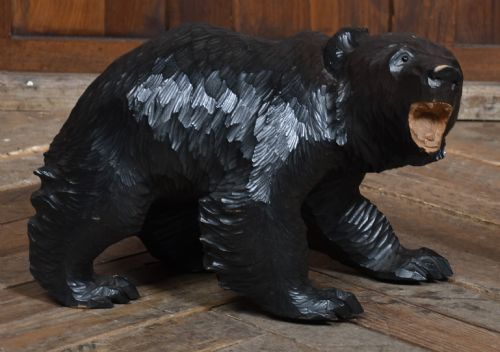
When you search for antique wood animal statues, you meet carved figures originating from European, Asian and African workshops. These pieces take the form of bears, elephants, lions, horses and deer, serving as decorative sculptures or bookends.
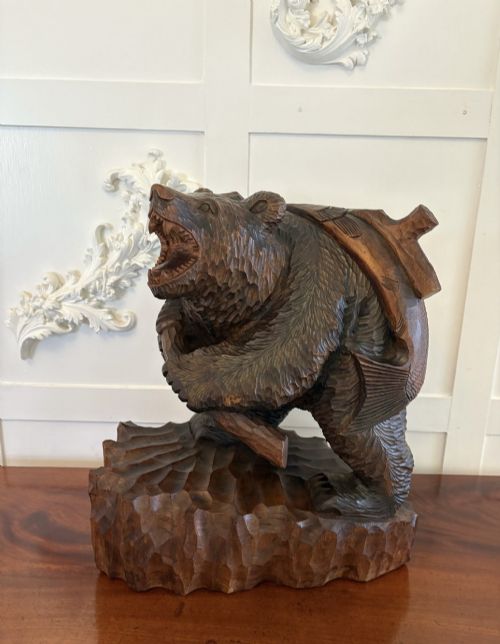
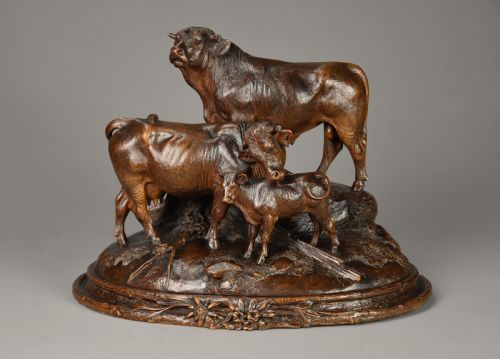
The selections on this page draw heavily from the Black Forest region, Japanese Meiji period workshops and the Indian Raj period. You encounter everything from small linden wood bears to life-size wooden antelopes and goats.
Sculptors utilised local timbers to render realistic studies of wildlife alongside stylised folk art interpretations. A buyer typically chooses between European chalet carvings, Asian hardwood fauna and naive primitive models.
How They Were Made
Carvers shaped these animals from linden wood, limewood, walnut, teak, ebony and general hardwood using chisels and gouges. Woods were selected for their grain and density, allowing artisans to render fur, muscle and hide with precision.
Surface finishes include natural wax, applied paint, or gilt highlights, while some Japanese and African examples incorporate bone details. Workshops employed hand-carving techniques passed down through generations, leaving tool marks visible across unpolished surfaces.
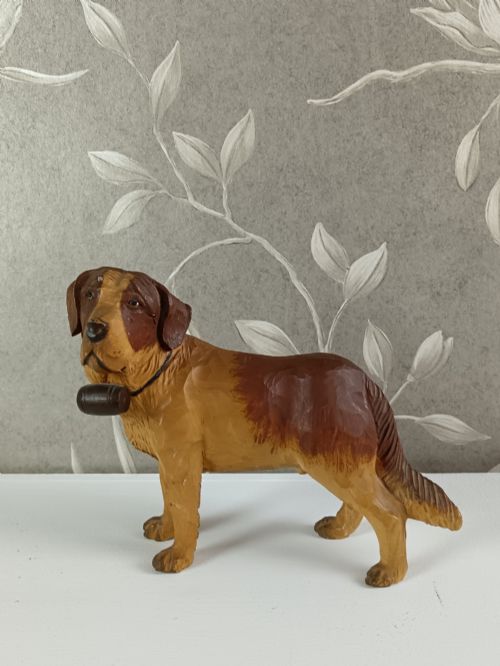
A Saint Bernard rescue dog stands ready to save travellers, complete with a tiny carved barrel around its neck.
What Varies in Quality
Quality rests in the anatomical accuracy of the carving and the expressiveness of the animal's posture. A superior study captures tension in a tiger or softness in a deer's coat through confident, varied chisel work rather than flat smoothing.
The choice of timber and the depth of the carving separate standard workshop pieces from exceptional commissions. Integrated bases, signed maker marks, and well-preserved original surface patination elevate a sculpture within its category.
J Huggler
The Antique Wood Animal Statues Glossary
- Black Forest
- A style of wood carving originating from the mountains of Central Europe during the nineteenth century. These pieces predominantly depict bears, deer and dogs in naturalistic poses.
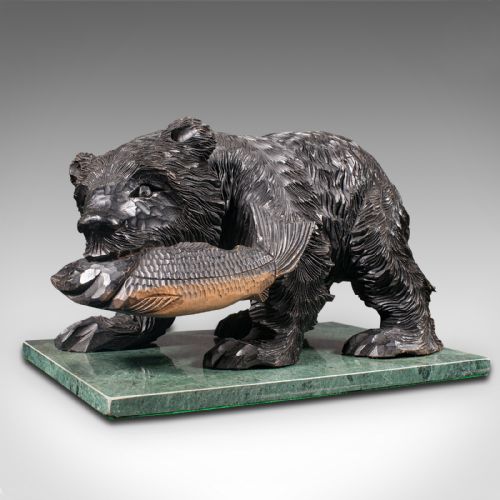
- Kibori Kuma
- A style of Japanese wooden bear sculpture originating from Hokkaido. These hand-carved animals often hold fish in their jaws.
- Raj Period
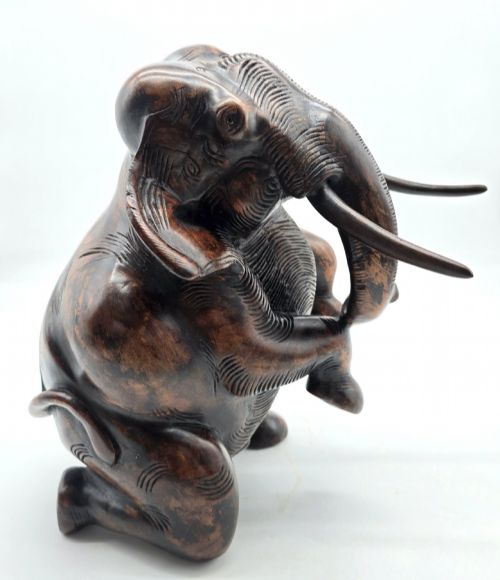
- The era of British rule in the Indian subcontinent spanning the nineteenth and early twentieth centuries. Carvings from this period frequently depict elephants and horses in dense hardwoods like ebony and teak.
- Linden Wood
- A pale timber with a fine, even grain favoured by European carvers for detailed animal studies. It allows for deep undercut details without splintering.
Antique Wood Animal Statues: Frequently Asked Questions
How do I identify Black Forest carvings?
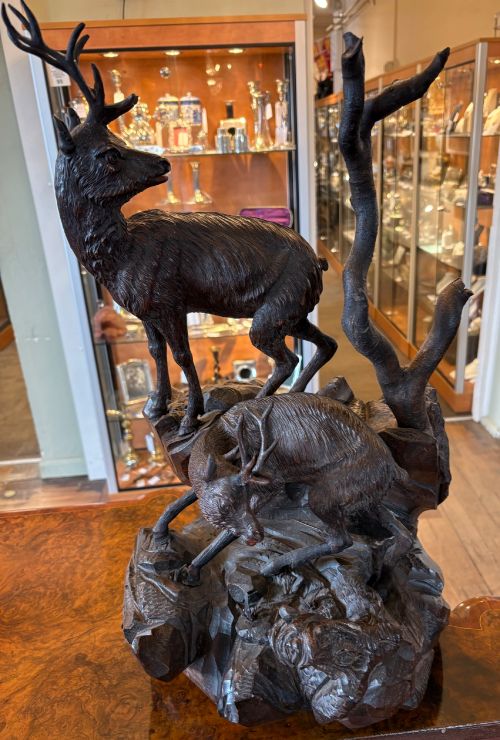
Black Forest carvings typically depict woodland animals such as bears, deer and chamois rendered in linden wood or walnut. They originate from Swiss and German regions during the nineteenth century and often display a dark waxed finish.
Look for naturalistic poses, glass eyes, and characteristic alpine foliage motifs integrated into the bases or supports.
What woods were used for these statues?
Carvers utilised a variety of timbers depending on the geographic origin of the workshop. European pieces frequently employ linden wood, limewood and walnut for detailed animal forms.
Asian and Indian pieces rely on dense tropical hardwoods like teak and ebony, while folk art items make use of basic local woods paired with paint.
How should I care for wooden animal statues?
Keep wooden sculptures away from direct heat sources and strong sunlight to prevent the timber from drying out and splitting. Dust the carved surfaces gently with a dry, soft brush.
A light application of beeswax can be used occasionally to nourish unpainted hardwood surfaces, but avoid modern chemical polishes.
Are these figures signed by makers?
Most antique wooden animal statues remain unsigned as they were produced as commercial decorative items in regional workshops. However, notable carvers or specific factories occasionally stamped their work, such as Swiss Black Forest figures marked on the base.
Signed pieces or stamped atelier marks are uncommon and generally command greater interest from collectors.