


Hand Carved Wooden Bears
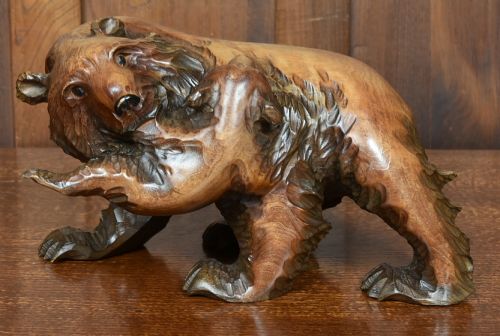
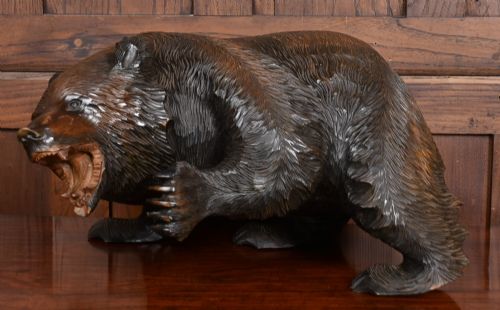
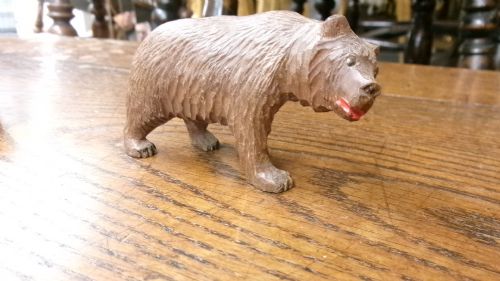
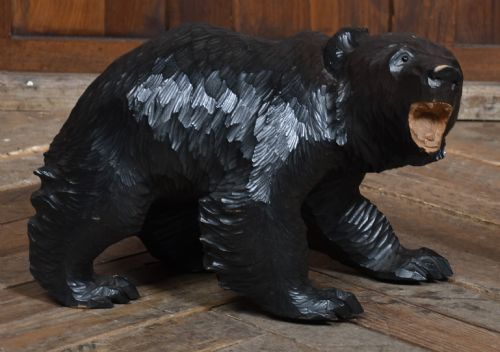
These hand carved wooden bears combine rustic charm with remarkable animal expression, bringing centuries of European and Asian folk art straight into your home.
Hand Carved Wooden Bears
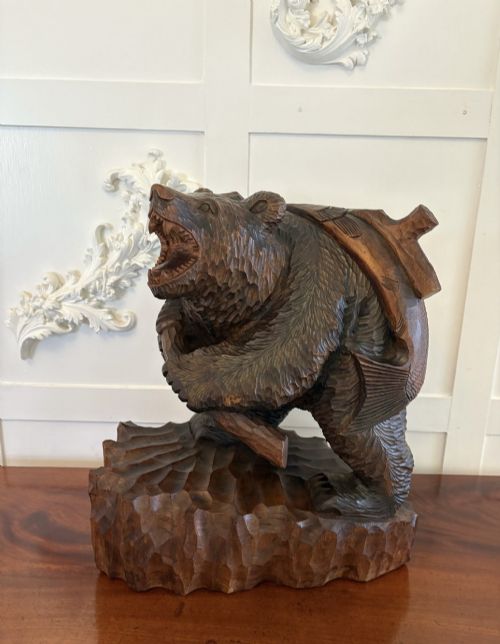
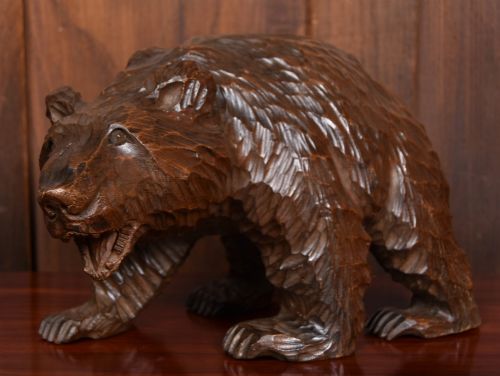
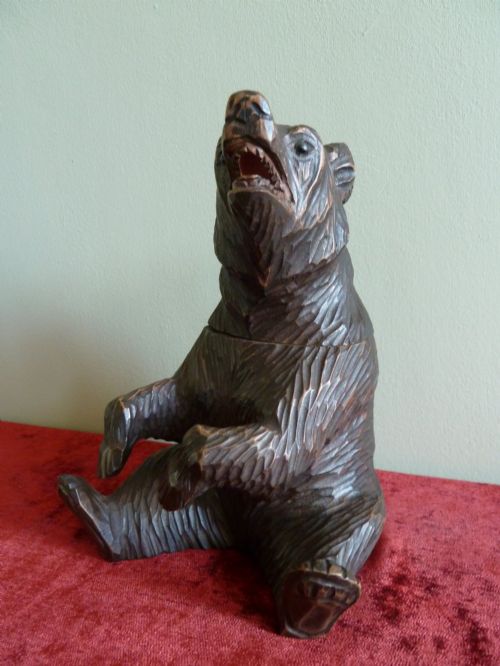
When you search for hand carved wooden bears, you encounter sculptural objects spanning the Victorian era through the early twentieth century. The selection ranges from tabletop sculptures and bookends to functional items like tobacco holders, inkstands, and table lamps.
Black Forest and Japanese folk art traditions dominate the pieces seen here, reflecting distinct regional carving styles. You find both single animal figures and pairs, alongside miniature groupings and larger statement sculptures carved with notable detail.
How they were made
Carvers predominantly utilised linden wood and other hardwoods for these sculptures, valuing the timber for its fine grain and responsiveness to chisels. Some examples incorporate contrasting materials such as glass for eyes or metal fittings for functional desk accessories.
Several bears hold fish, while others manage to keep books upright or stare out with tiny glass stud eyes.
What varies in quality
Quality rests upon the naturalism of the carving and the precision of the animal's posture, separating standard decorative objects from superior sculptural works. Finer examples capture realistic tension in the limbs and detail in the fur without relying on excessive surface finish.
The integration of utility also defines the tier of the piece, distinguishing simple figurines from complex items like articulated furniture, fitted inkstands, and functional table lamps.
The Hand Carved Wooden Bears Glossary
- Black Forest
- A regional style of wood carving originating from the mountain region of central Europe, famous for naturalistic animal sculptures and rustic furniture. These pieces often depict bears engaged in human activities or standing alert.
- Linden wood
- A pale, close-grained hardwood favoured by traditional carvers for its ease of cutting and stability. It allows for intricate detailing without splintering.
- Stud eyes
- Inset glass or metal pins used to represent the eyes of carved animals, adding a lifelike glint to the sculpture. They appear frequently on nineteenth-century animal carvings.
Hand Carved Wooden Bears: Frequently Asked Questions
How do I identify Black Forest carvings?
Black Forest carvings are typically distinguished by their use of linden wood and realistic depictions of wildlife, particularly bears shown in dynamic poses or functional roles.
Look closely at the texture of the fur and the regional carving characteristics that define European alpine folk art from this period.
What were these wooden bears used for?
Many of these carved bears served practical functions in nineteenth-century interiors, acting as inkstands, tobacco holders, bookends, and hall chairs.
Others were created purely as decorative sculptures and figurines to bring rustic charm to a mantelpiece or tabletop.
How do I care for antique wood carvings?
Keep wooden bear sculptures away from direct heat sources and strong sunlight to prevent the timber from drying out and splitting over time.
Dust the carved surfaces gently with a soft, dry cloth rather than applying liquid polishes or modern cleaning agents.
Are Japanese and European bear carvings different?
Japanese bear carvings, often termed Kibori Kuma, originate from Hokkaido folk art traditions and display distinct regional tool marks compared to European alpine pieces.
Both traditions share a dedication to hand-carved wood but exhibit subtle variations in posture, facial expression, and fur texturing.