


Dark Wood Animal Figurines
These dark wood animal figurines bring character to a room through varied forms from the nineteenth and early twentieth centuries.
Dark Wood Animal Figurines
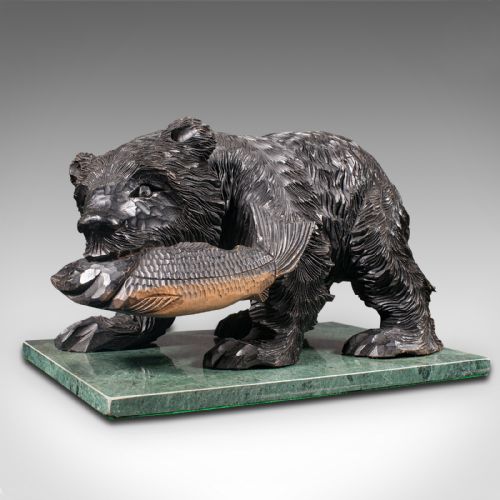
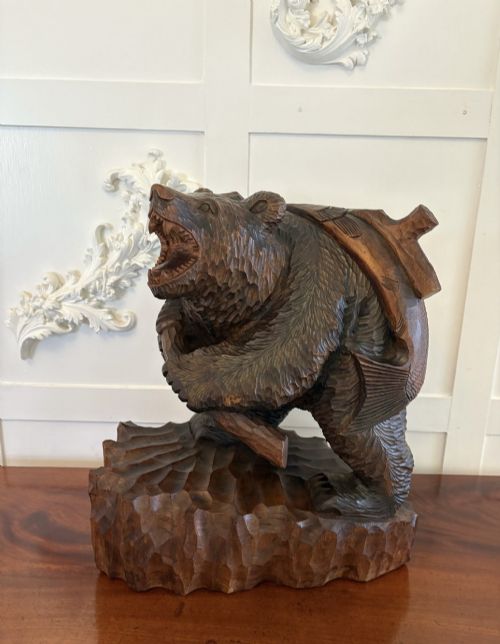
Dark wood animal figurines encompass a broad range of carved sculptures, decorative figures, and snuff boxes depicting wildlife and domestic animals. These items surface frequently in Black Forest, Anglo-Indian, and Japanese folk art traditions spanning the nineteenth century into the twentieth century.
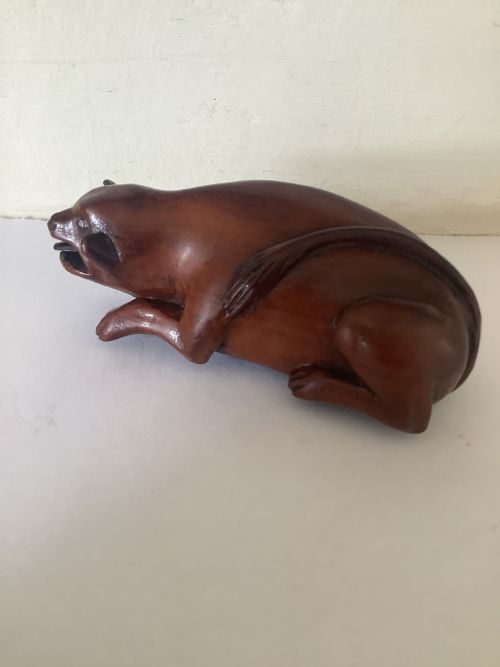
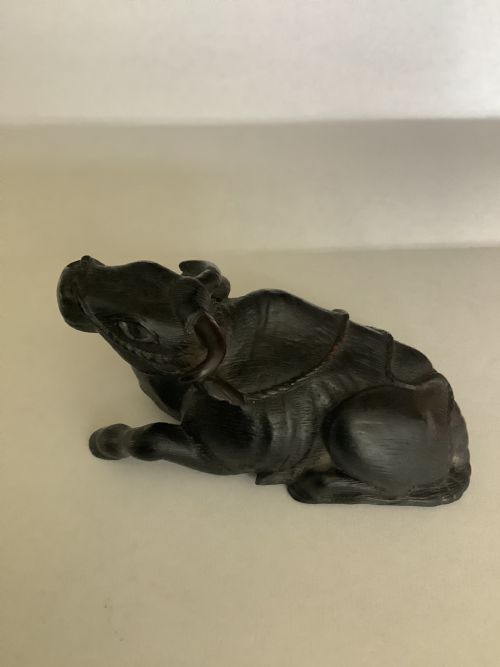
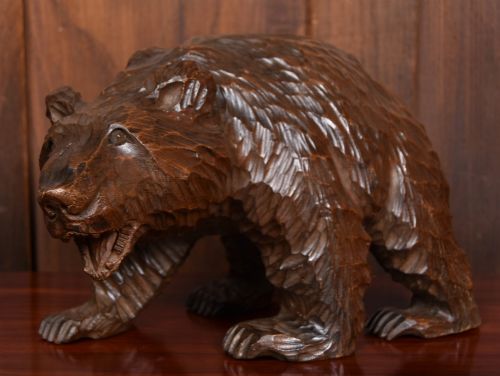
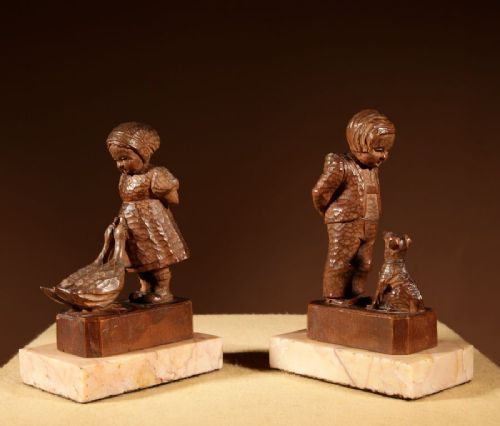
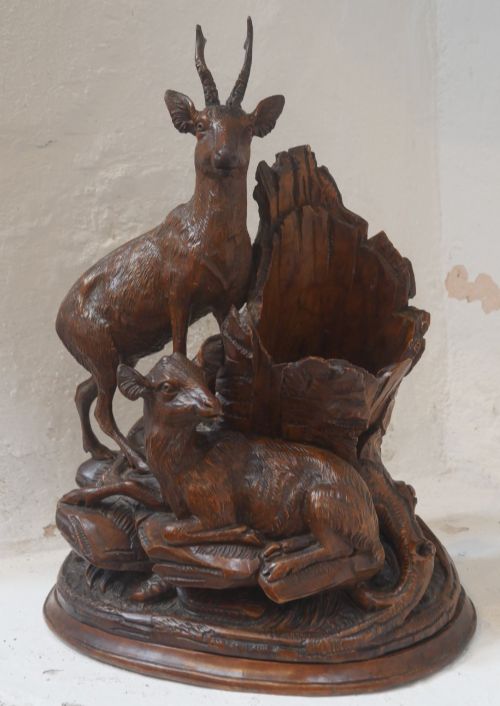
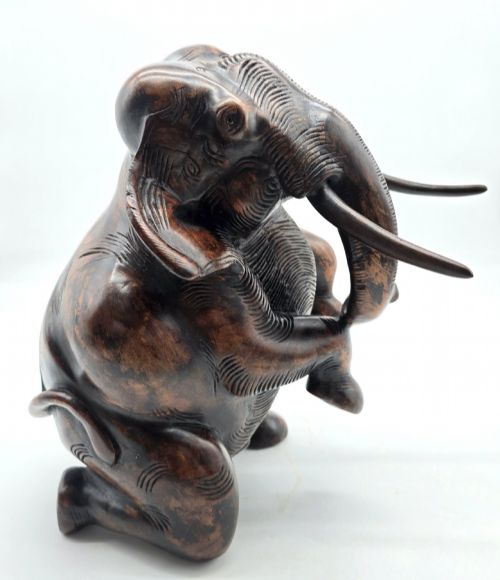
Collectors encounter bears, elephants, panthers, water buffaloes, and domestic animals rendered in varied scales. The inventory includes single studies as well as pairs of creatures, alongside smaller netsuke and okimono carvings.
How they were made
Carvers utilised organic materials such as linden wood, walnut, ebony, and general hardwoods, occasionally incorporating bone or horn for detailing. Artisans shaped these materials using hand tools to achieve textures that mimic fur, hide, and feathers.
Techniques varied by region, from the detailed Swiss and German Black Forest animal carvings to the precision of Japanese Meiji period woodworking and Anglo-Indian Raj period studies.
A set of fifteen miniature Black Forest bears proves that small creatures require just as much growl.
What varies in quality
Quality rests on the depth of the carver's anatomical observation and the crispness of the tool work across the grain. Superior pieces capture the tension in a leaping dog or the heavy weight of an elephant with confident, unhesitating strokes.
The choice of medium also dictates distinction, as dense hardwoods and pale linden wood allow for finer detail than generic timber. Signed pieces or works with integrated naturalistic elements show greater hand engagement from the maker.
The Dark Wood Animal Figurines Glossary
- Black Forest
- A style of wood carving originating from the mountain region of central Europe, noted for realistic portrayals of bears, dogs, and alpine wildlife. Pieces from this tradition often utilise walnut or linden wood.
- Okimono
- A Japanese freestanding ornamental carving designed for display, commonly depicting animals, rodents, or figures. These sculptures display high levels of traditional craftsmanship.
- Netsuke
- A small Japanese toggle used to secure a pouch or container to a kimono sash, frequently carved into the shape of an animal or figure. They require miniature precision.
- Raj period
- An era of Indian production that yielded detailed hardwood studies of elephants and regional fauna. These items often feature traditional trappings and distinct regional timbers.
- Hardwood
- Timber derived from broad-leaved trees, such as walnut and ebony, valued by carvers for its density and durability. It permits sharp definition in animal sculptures.
Dark Wood Animal Figurines: Frequently Asked Questions
How do I identify Black Forest carvings?
Black Forest carvings are typically rendered in European timbers like walnut or linden wood, focusing heavily on bears, goats, and cows. They originate from nineteenth and early twentieth-century European workshops.
Look for expressive postures and textured fur work achieved through deliberate chisel marks. The regional style prioritises naturalistic wildlife representation over stylised abstraction.
What periods do these animal figurines span?
The pieces range from nineteenth-century works through the Edwardian era and into Art Deco designs of the 1930s. Earlier examples often stem from Japanese Meiji traditions or European folk art.
Later items incorporate geometric styling characteristic of the 1930s. Dating relies on stylistic cues, timber choice, and regional carving conventions.
How were Anglo-Indian animal figures made?
Anglo-Indian carvings from the Raj period utilise dense regional timbers such as ebony and general hardwoods. Artisans depicted native animals like elephants with traditional trappings and attendants.
These works reflect a blend of local craftsmanship and British colonial taste. The dense materials allowed for intricate surface pattern work.
Where should I display wooden animal figures?
Wooden animal figurines suit tabletops, mantelpieces, and dedicated display cabinets where their carved details remain visible. Placing them away from direct sunlight protects the timber from drying out.
Pairing pieces from similar periods, such as Black Forest bears or Japanese okimono, creates a cohesive display. The varied scales allow for arrangement alongside books and other artefacts.