





19th Century Carved Miniatures
These 19th century carved miniatures range from intimate netsuke and folk art models to diminutive furniture scaled down for apprentices or display.
19th Century Carved Miniatures
When you search for 19th century carved miniatures, you encounter a diverse gathering of small-scale items spanning European and Asian workshops. These objects include miniature furniture such as chests of drawers, sideboards, and chairs alongside pocket-sized sculptures.
The selections on this page heavily feature Victorian and Regency designs, often produced as apprentice pieces, salesman samples, or intricate folk art carvings. Alongside these British and European pieces sit Japanese netsuke and Chinese decorative carvings created during the same era.
Domestic miniature furniture forms dominate the domestic offerings, constructed in mahogany, walnut, and fruitwood to replicate full-sized counterparts. Meanwhile, natural materials like boxwood, ivory, and stag antler provide the medium for animal and human figures.
How they were made
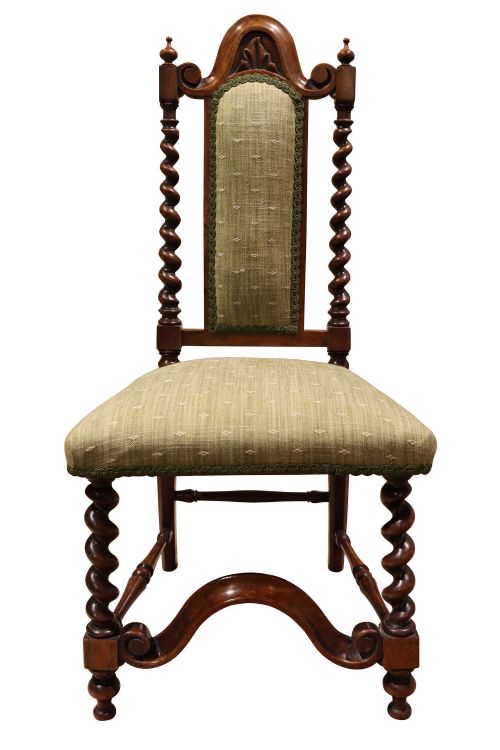
Makers utilised dense hardwoods such as mahogany, rosewood, and walnut for furniture pieces, employing traditional joinery scaled down to tiny dimensions. Turned elements like barley twist legs and carved scrollwork required exceptional bench skill to maintain correct proportions.
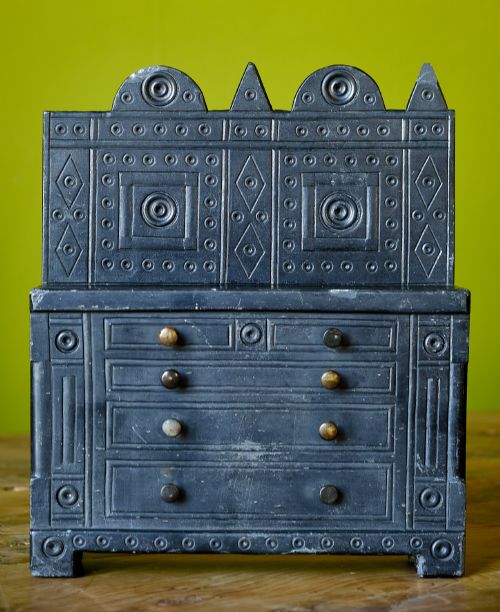
Carving miniatures in organic materials like boxwood, stag antler, and ivory relied on fine hand chisels and drills to achieve deep relief and subtle textures. Folk art objects often incorporated alternative local resources, including carved slate, bone, and painted fruitwood.
Assembly methods mirrored standard cabinetmaking practices of the Regency and Victorian periods, using precise dovetails and concealed pins. Surface finishes typically involved French polish or wax to highlight the grain of the wood.
Listings feature items constructed from boxwood, mahogany, brass, slate, and marble across the 19th century.
What varies in quality
Proportion and fidelity to full-scale furniture separate basic workshop exercises from accomplished cabinetmaking. Superior miniature furniture maintains correct architectural ratios and precise turnings rather than appearing crude or hastily assembled.
The sharpness and depth of the hand carving distinguish finer figurative pieces. Skilful undercutting and expressive detailing in materials like boxwood or ivory indicate a maker with high technical mastery.
Condition and originality of timber surfaces dictate the integrity of each piece. Retaining original hardware, glass, and uncompromised patination preserves the historical character of these small works.
The 19th Century Carved Miniatures Glossary
- Netsuke
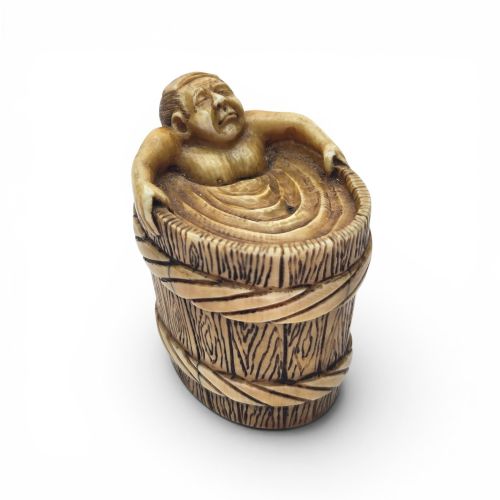
- A small Japanese toggle carved from wood, boxwood, or stag antler, used to secure a pouch or small container to a kimono sash. These pieces often depict animals or figures with intricate surface detail.
- Apprentice piece
- A miniature item of furniture created by a craftsman in training to demonstrate mastery of joinery and turning before joining a guild. They replicate full-scale domestic forms with working drawers and doors.
- Grand Tour
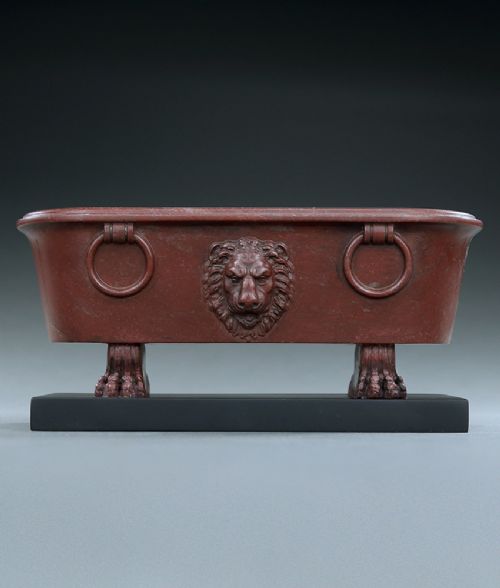
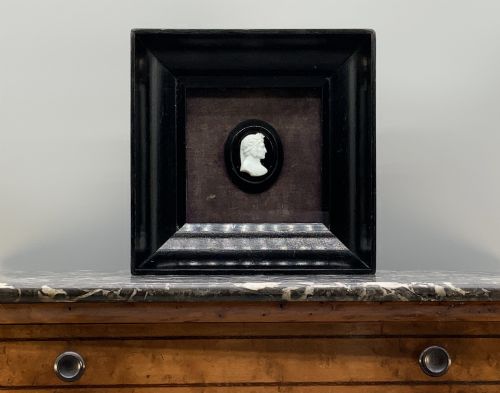
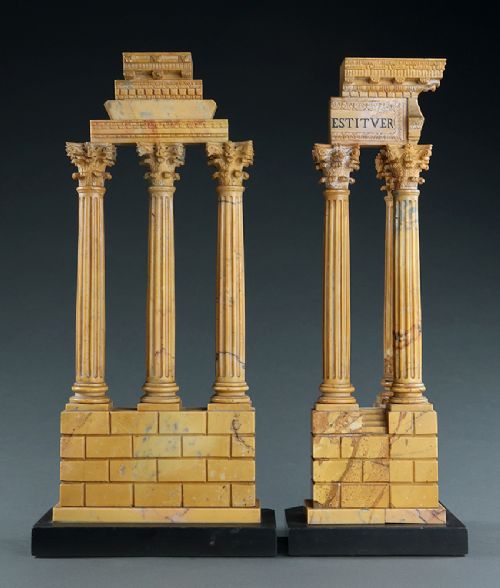
- A cultural journey undertaken by wealthy young Europeans in the 19th century, resulting in the acquisition of small souvenirs like marble plaques and architectural models. These items captured classical antiquity for home display.
- Tramp art
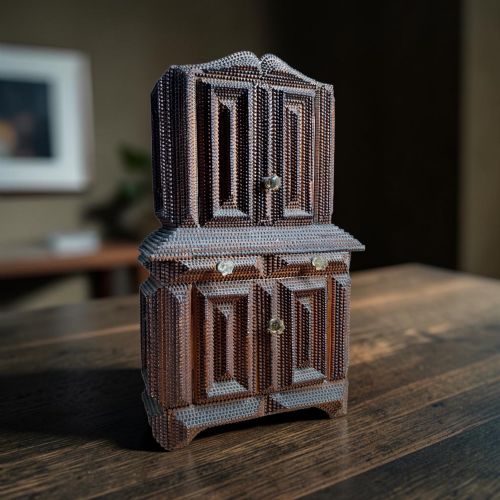
- A style of decorative woodwork characterised by chip-carving layers of salvaged wood, frequently utilising discarded cigar boxes. The technique produced textured boxes, frames, and small cabinets.
19th Century Carved Miniatures: Frequently Asked Questions
What are apprentice pieces?
Apprentice pieces are small-scale furniture items constructed by trainees to prove their competence in complex woodworking techniques. They mirror standard domestic forms like sideboards, chests, and chairs.
Craftsmen created these scaled models to test skills in dovetailing, turning, and drawer fitting. They serve today as accurate representations of full-size period furniture.
How do you display miniatures?
These small objects suit display on dedicated shelves, desks, or inside shallow glass cabinets where their fine details remain visible. Protection from direct sunlight preserves organic materials like wood, ivory, and leather.
Grouping items by material or period creates a coherent focal point in a room. Their compact scale allows them to fit into spaces where larger antiques cannot go.
What is a netsuke?
A netsuke is a small Japanese carving historically worn as a clothing accessory in traditional Japanese dress. They feature through-holes for cords used to suspend small containers.
Carved from boxwood, stag antler, or ivory, these pieces depict natural subjects like animals and figures. Their miniature scale required exceptional sculptural precision.
How are periods identified?
Period identification relies on matching timber choices, turning styles, and construction methods to established eras like Regency or Victorian. Mahogany and rosewood point towards early and mid-century British workshops.
Stylistic cues such as neoclassical motifs or folk art carving techniques narrow down the date of creation. Comparing joinery methods to dated examples helps confirm the timeline.