

Victorian Indian Carved Wood
Victorian indian carved wood brings dense foliage, scrolling animals and heavy colonial forms into British rooms.
Victorian Indian Carved Wood
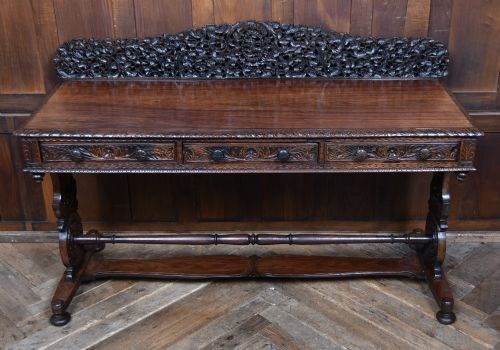
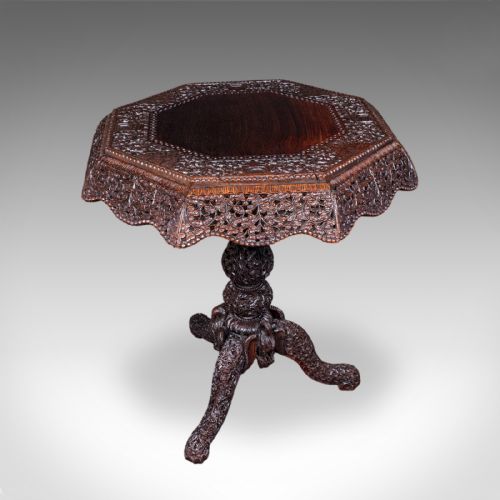
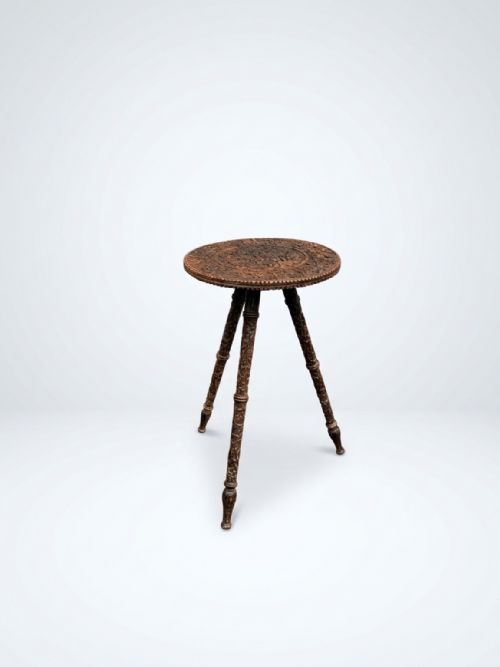
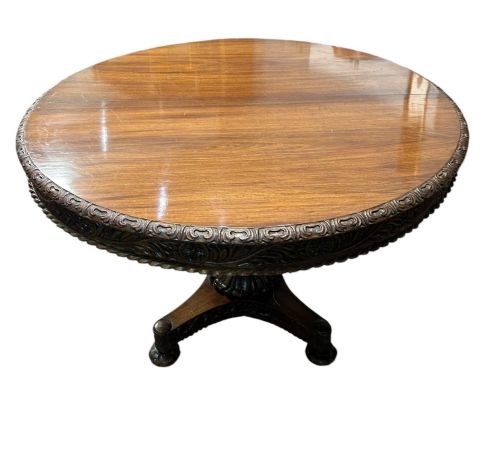
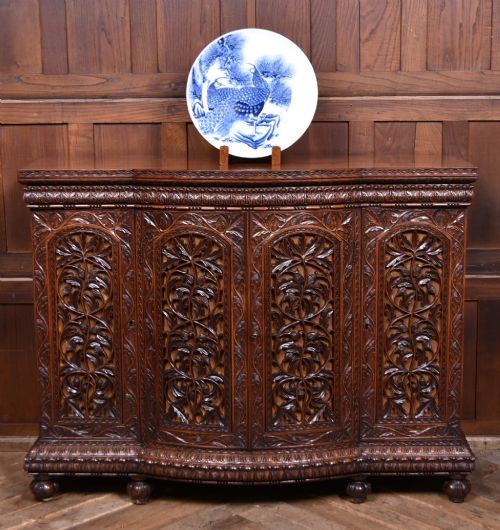
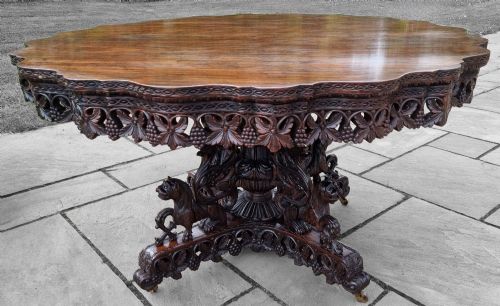
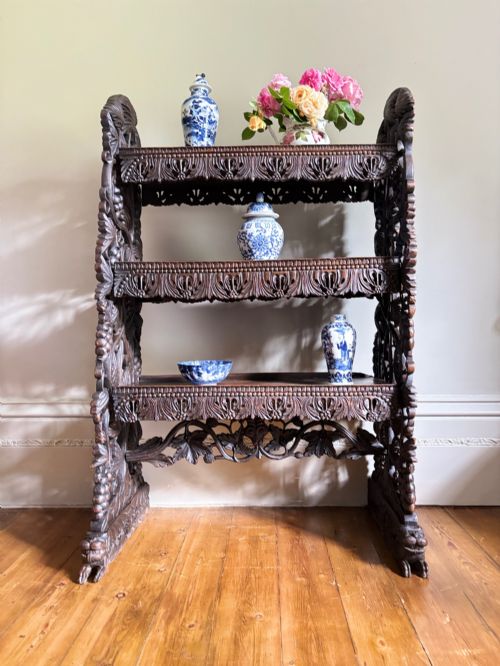
When searching for victorian indian carved wood, buyers encounter sturdy tables, cabinets and seating shaped by British colonial presence in the subcontinent. These items span occasional tables, centre tables and sideboards created in dense tropical timbers.
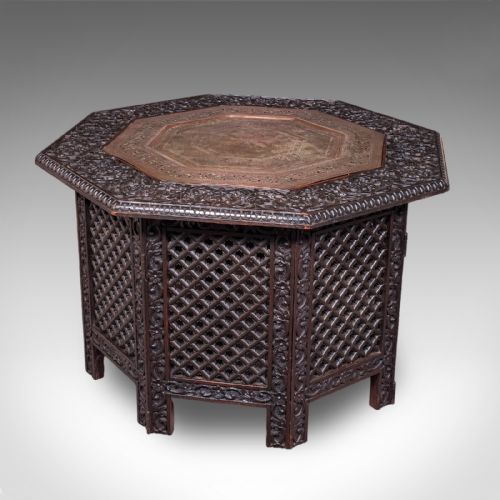
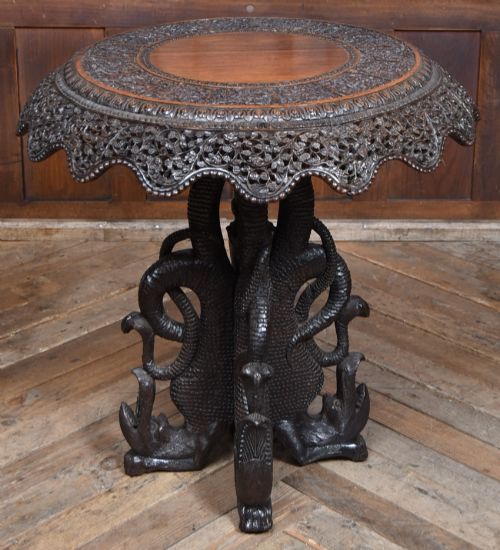
The objects frequently appear in styles such as Anglo-Indian, Anglo-Burmese and Moorish Revival. Tables range from octagonal Hoshiarpur designs to heavy padauk centre tables with deep relief work.
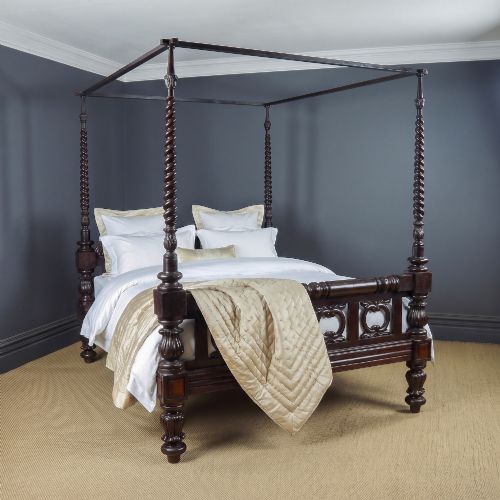
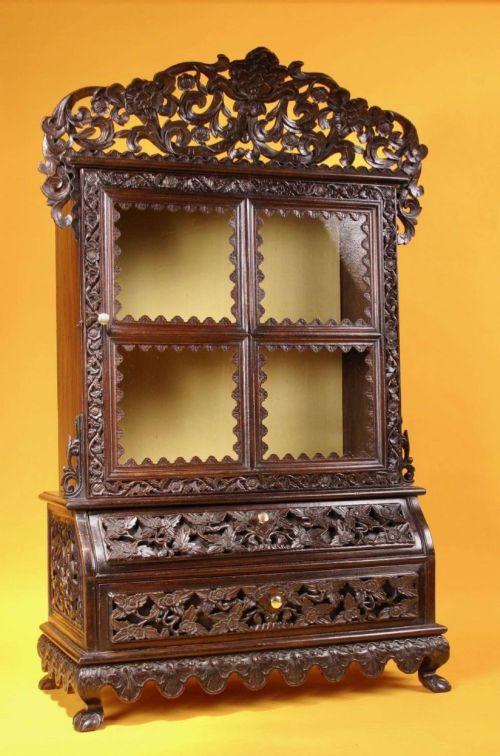
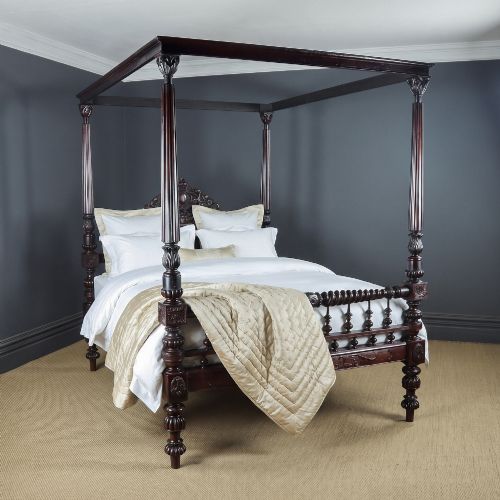
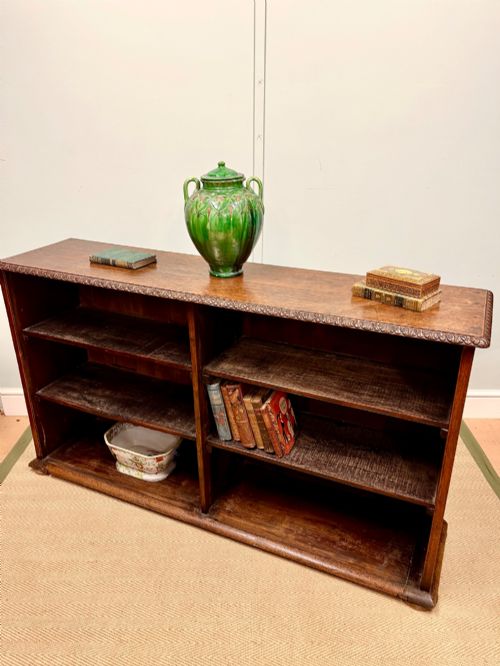
Larger forms like four-poster beds, partners desks and bookcases also emerge from the nineteenth century. Smaller domestic accessories include serving trays, stationery boxes and magazine stands.
How they were made
Maker workshops utilised dense exotic timbers including teak, padauk, rosewood, ebony and general hardwood. These heavy woods provided stable foundations for intricate chiselling.
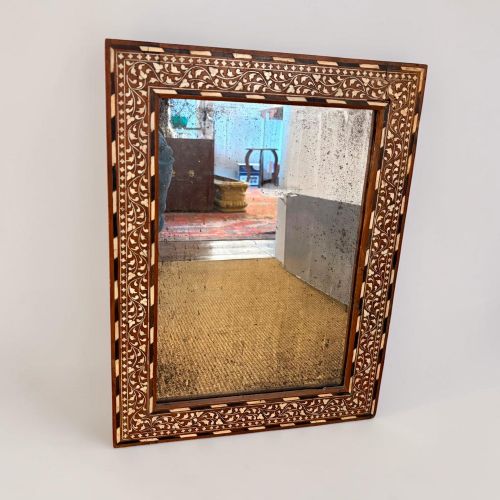
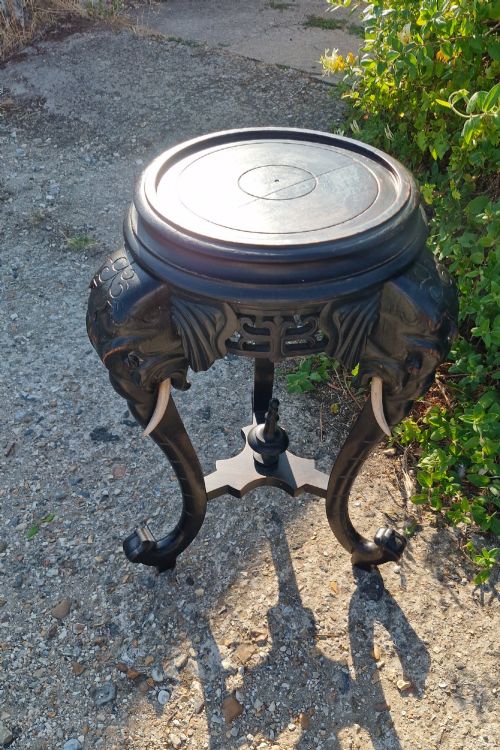
Craftsmen enriched the timber surfaces using relief carving alongside inlaid brass wire and cut bone sections. Some examples combined carved figures of elephants with painted wooden tusks and mother-of-pearl details.
Listings feature teak, rosewood, padauk and ebony alongside brass and bone inlay.
What varies in quality
Quality separates in the crispness of the chisel work and the depth of the undercut foliage. Superior examples maintain sharp relief across dense animal and leaf motifs without soft or blurred edges.
The selection of timber and the precision of inlaid bone or brass elements determine the tier of a piece. Well-joined frames and stable turning distinguish workshop production from simpler output.
Liberty & Co
The Victorian Indian Carved Wood Glossary
- Padauk
- A dense, heavy tropical timber favoured for nineteenth-century colonial furniture. It accepts deep carving and develops a dark reddish-brown tone.
- Hoshiarpur
- A town in Punjab known for intricate woodwork. Tables and stands from this region typically feature dense geometric patterns inlaid with brass and bone.
- Anglo-Indian
- A descriptive term for furniture made in India under British rule. These pieces combine traditional Indian carving techniques with European furniture forms.
- Teapoy
- A small occasional table or stand originally designed to hold tea canisters. In colonial contexts, these often feature elaborate carved borders and sturdy pedestals.
- Tilt-top
- A table mechanism allowing the surface to fold vertically when not in use. This construction saved domestic space in colonial and Victorian homes.
Victorian Indian Carved Wood: Frequently Asked Questions
How do I identify Hoshiarpur tables?
Hoshiarpur tables are recognisable by their octagonal or square tops covered in minute geometric carving. They rely heavily on contrasting brass wire and bone inlay.
These pieces reflect specific regional craftsmanship from northern India during the Victorian period.
What timber was used most?
Padauk and teak appear most frequently among these nineteenth-century furnishings. Rosewood, ebony and general hardwoods also support the heavy relief work.
These timbers offered the structural density required for deep undercutting and intricate piercing.
Where were these pieces used?
British families living in India utilised these furnishings in colonial bungalows and administrative offices. Later, owners brought them back to Britain for drawing rooms and studies.
Their exotic appearance suited Victorian tastes for eclectic interior decoration.