
Antique Winged Chair
An antique winged chair offers deep comfort and high sheltering sides, designed originally to block draughts from the fire.
Antique Winged Chair
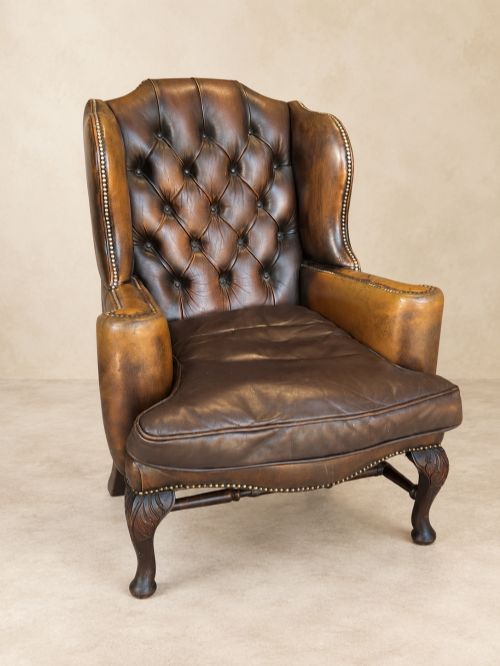
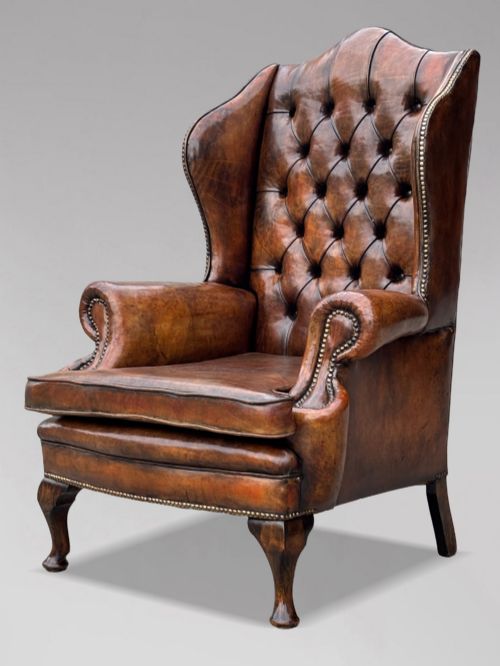
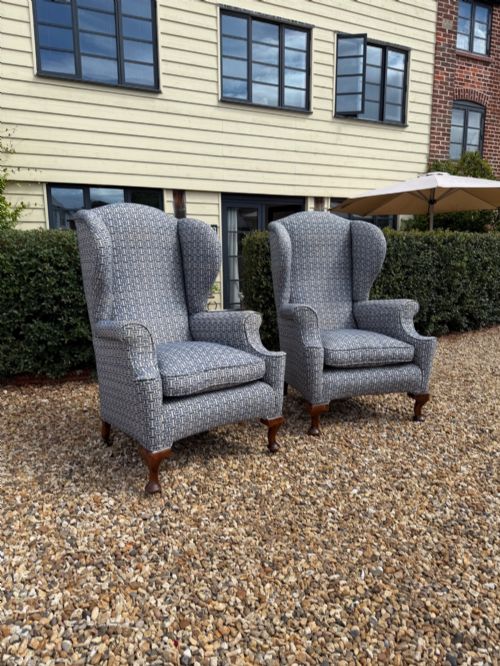
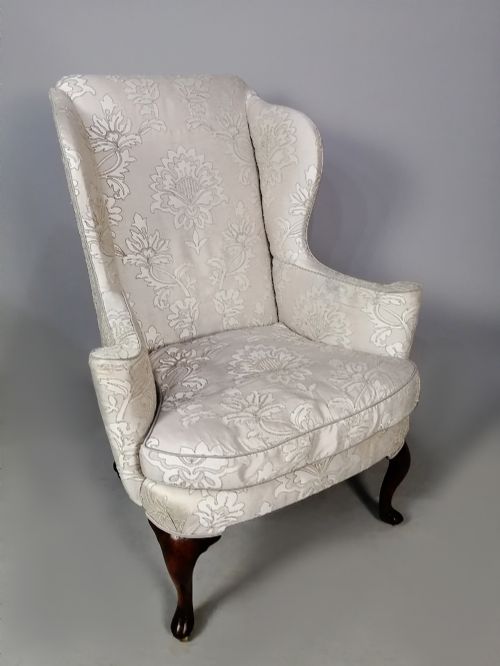
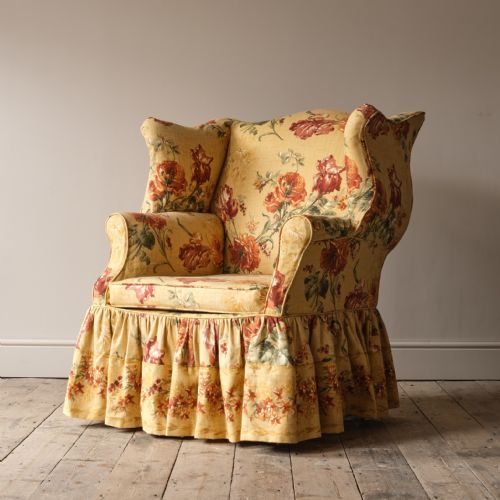
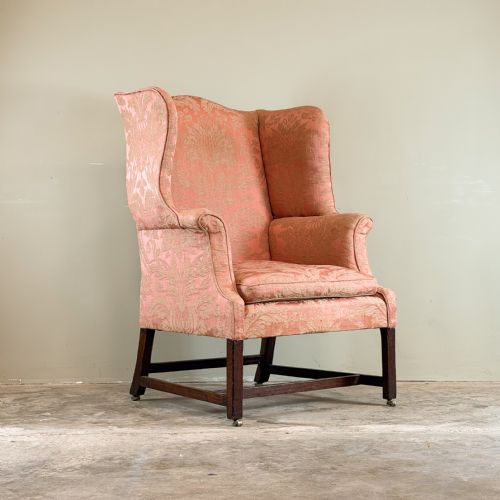
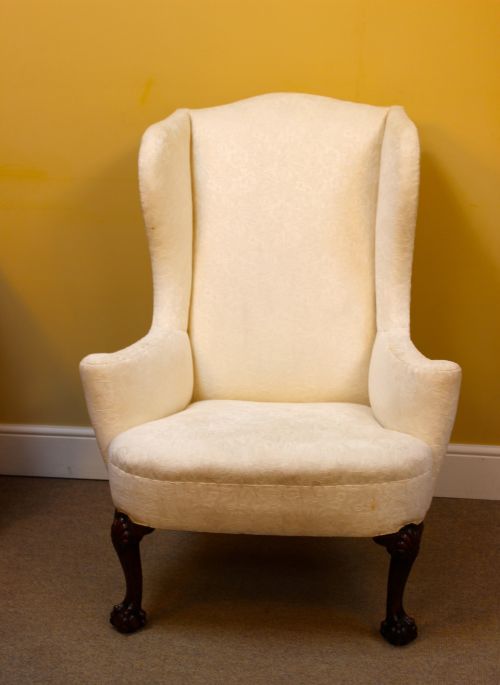
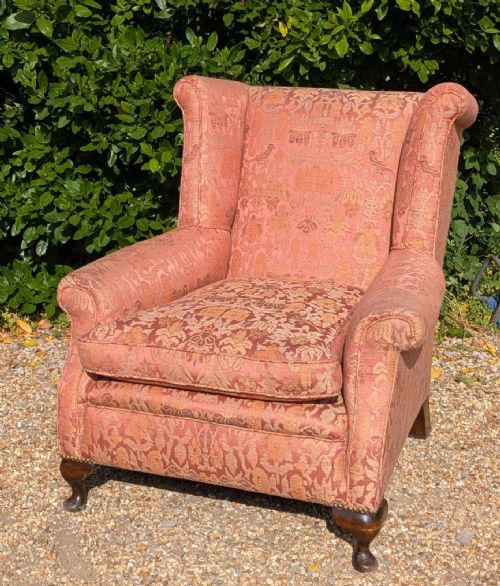
An antique winged chair provides a high back and distinct side panels, known as wings, framing the sitter. These seating pieces appear across various periods, notably the eighteenth and nineteenth centuries, alongside revival expressions.
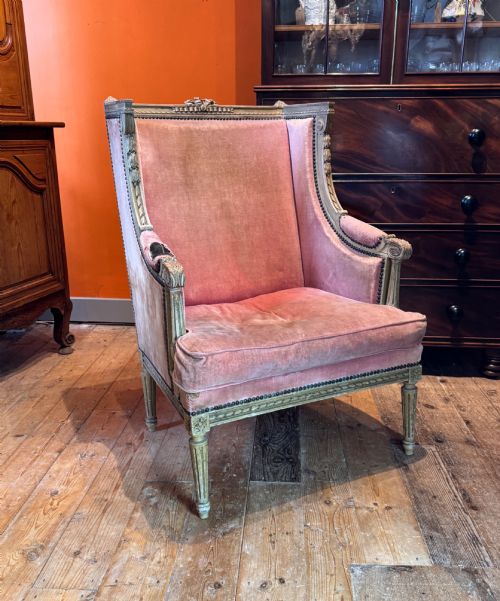
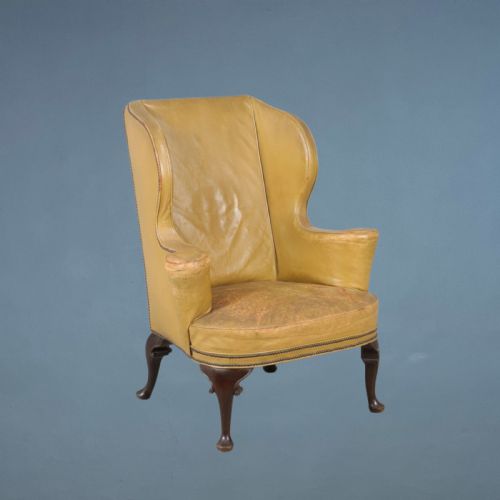
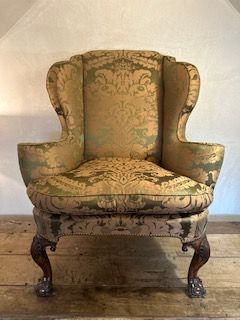
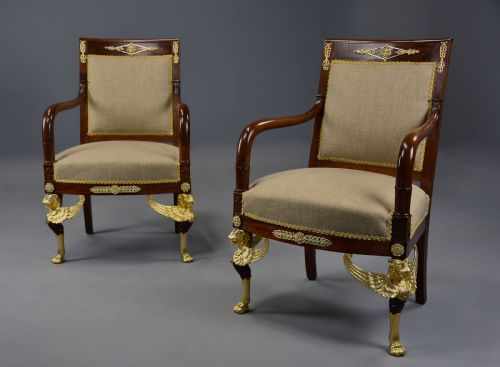
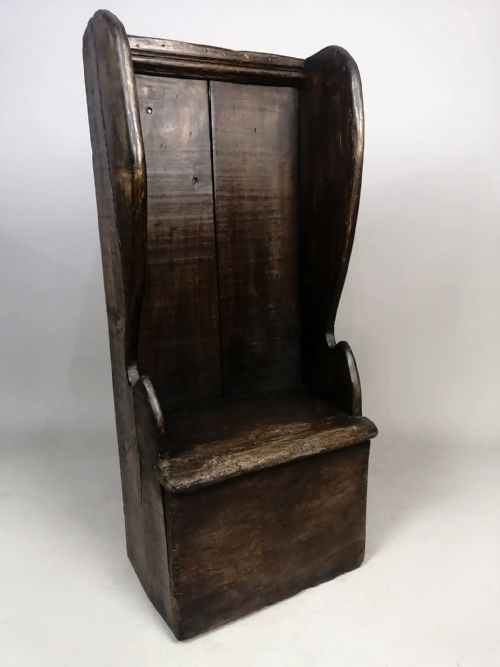
The form encompasses formal Georgian mahogany and walnut examples, vernacular oak lambing chairs, and later leather upholstery. Makers incorporated styles ranging from Queen Anne to French Empire and George III.
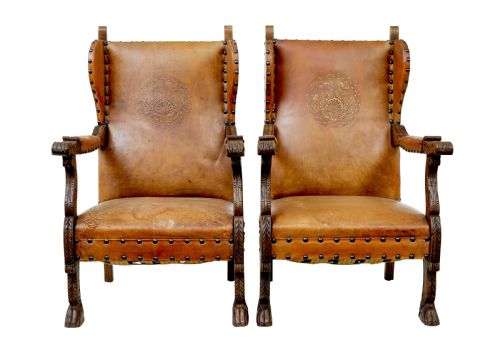
Buyers encounter standard armchairs, child variants, and occasional pairs sharing the characteristic high back and side panels. Proportions vary from standard domestic seating to large-scale library models.
How they were made
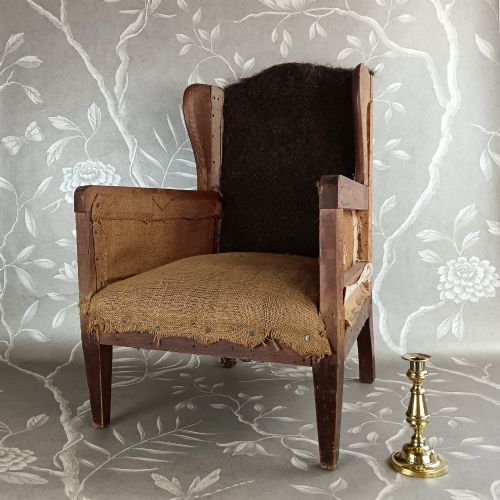
Carpenters constructed the structural frames using hardwoods such as mahogany, oak, walnut, and fruitwood. Joinery relied on traditional framing methods to support the substantial weight of the upholstered upper section.
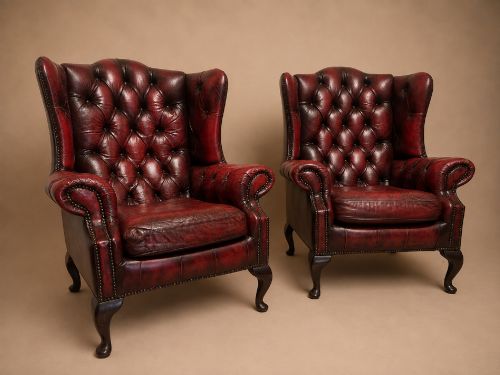
Upholstery utilised traditional fillings like feathers and animal hair, secured beneath top layers of leather, velvet, fabric, or calico. Brass decorative tacks frequently finished the leather edges on nineteenth-century examples.
The listings show frames constructed from mahogany, oak, walnut, fruitwood, and brass, spanning the seventeenth to twentieth centuries.
What varies in quality
The integrity of the timber frame and the purity of the stylistic period dictate standard. Original show wood, uncompromised cabriole legs, and untouched carved details elevate particular pieces above later reproductions or heavy alterations.
Materials contribute significantly to distinction, where period leather patination or original fabric coverings outrank later re-coverings. Proportional balance between the wings, back height, and arm support separates standard workshop output from exceptional furniture.
The Antique Winged Chair Glossary
- Wing
- The protective side panel attached to the back of the chair. It functioned to shield the face from cold draughts.
- Cabriole leg
- A furniture leg that curves outward and then tapers inward. This form mimics animal limbs and appears on eighteenth-century examples.
- Lambing chair
- A vernacular wooden seating form with a hooded back and solid sides. These often incorporate enclosed storage boxes beneath the seat.
- Monopodia
- A carved furniture support shaped like a single animal leg or paw. Thomas Hope incorporated this classical motif into nineteenth-century designs.
- Fauteuil
- An open-framed armchair with upholstered arm pads. The term originates from French seating design.
Antique Winged Chair: Frequently Asked Questions
How do I identify a Georgian winged chair?
A Georgian piece typically displays disciplined proportions, walnut or mahogany show wood, and specific leg forms like cabriole supports. Construction methods align with eighteenth-century cabinet-making standards.
Later nineteenth-century interpretations often exhibit heavier framing and softer carving details compared to eighteenth-century originals.
Were winged chairs used only by firesides?
The enclosed wings served a practical purpose in drafty rooms by trapping body heat and blocking air movement around the head. This made them suited to living spaces and libraries.
Over time, the form transitioned into a standard reception room seat for reading and relaxation.
What is a lambing chair?
A lambing chair is an early vernacular form, usually constructed from oak or fruitwood, featuring a high hooded back and solid sides. Farmers used them during lambing season to keep warm.
These pieces differ from upholstered winged chairs by relying on solid wood construction rather than padded textile surfaces.
How do I distinguish between periods?
Stylistic cues such as claw-and-ball feet, stretcher bases, or French Empire mahogany veneer point directly to specific decades of manufacture. Timber choice also shifts between centuries, from early oak to eighteenth-century walnut and mahogany.
Revival pieces from the late nineteenth century often blend elements from multiple earlier reigns.