
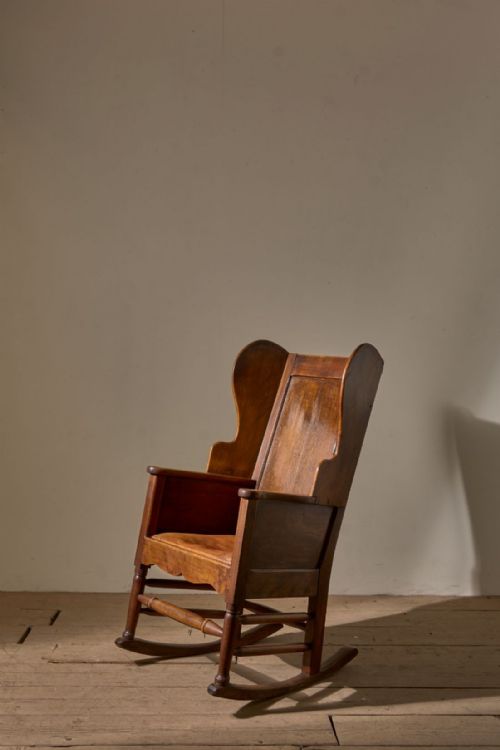


Country Wing Chair
A country wing chair offers deep-seated comfort with draught-defending side panels, spanning centuries of vernacular and formal design.
Country Wing Chair
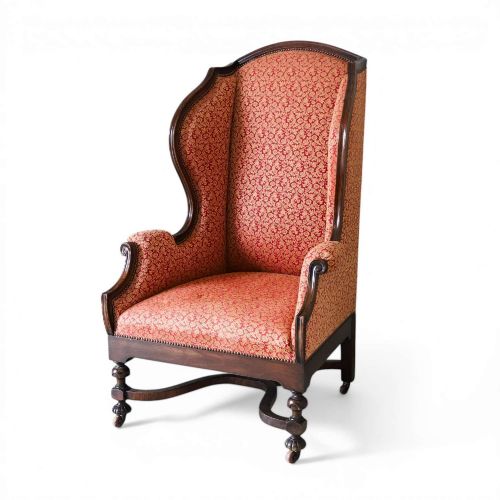
A country wing chair brings high sides and an enclosed seat to domestic interiors, originating in utilitarian forms and evolving through successive centuries of cabinetmaking. You meet pieces spanning the seventeenth, eighteenth, and nineteenth centuries, alongside Edwardian and later interpretations.
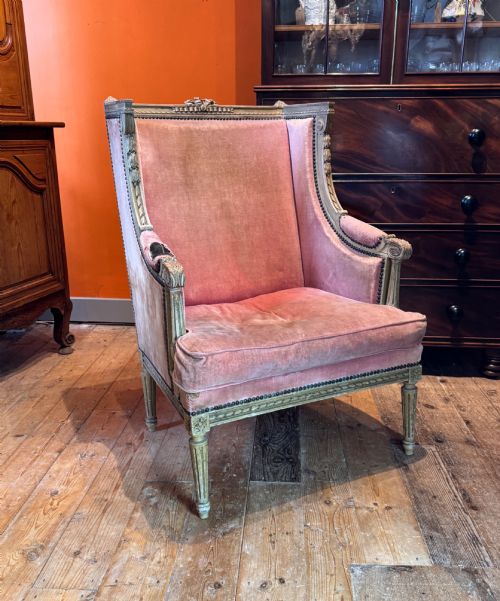
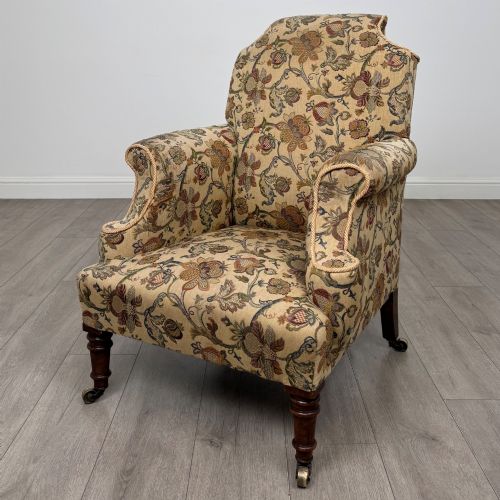
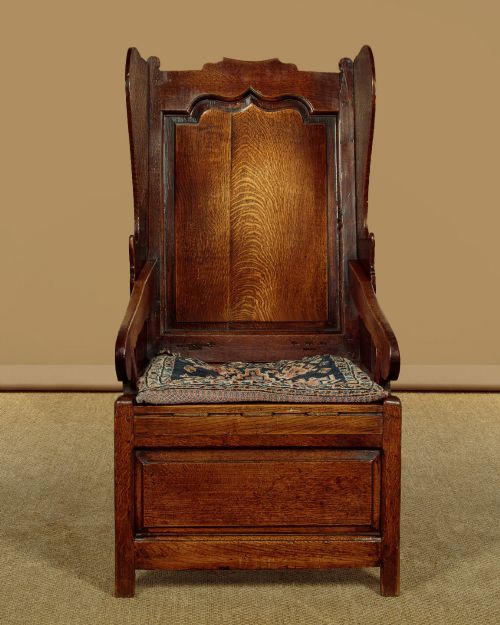
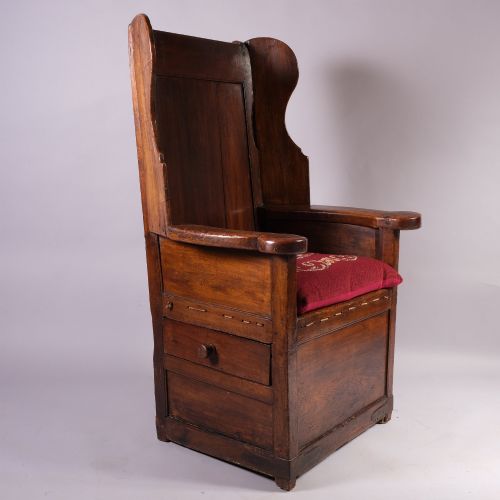
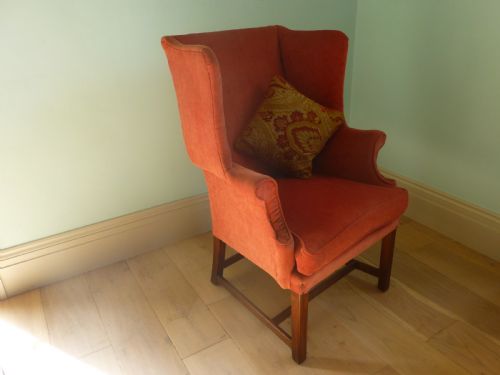
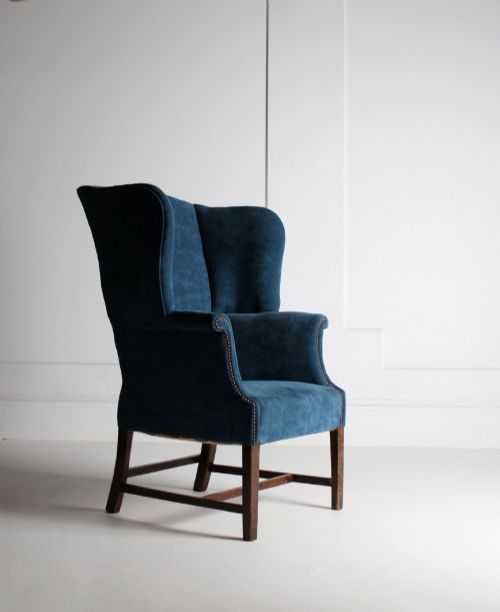
The selection ranges from early oak and fruitwood lambing chairs with solid hoods to large George III wingback armchairs and relaxed Edwardian country house seating. Frames vary from modest vernacular timbers to carved walnut and mahogany, often upholstered in modern wools, velvets, or traditional ticking.
Materials and construction
Construction relies heavily on native hardwoods such as oak, elm, walnut, and mahogany for the structural frames, often complemented by secondary fruitwoods in vernacular examples. Joinery is traditionally robust, utilising pegged mortise and tenon joints in earlier periods before moving to more refined frame assembly in later centuries.
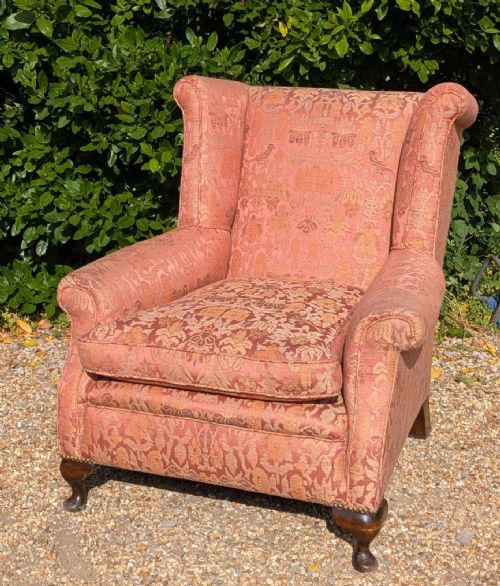
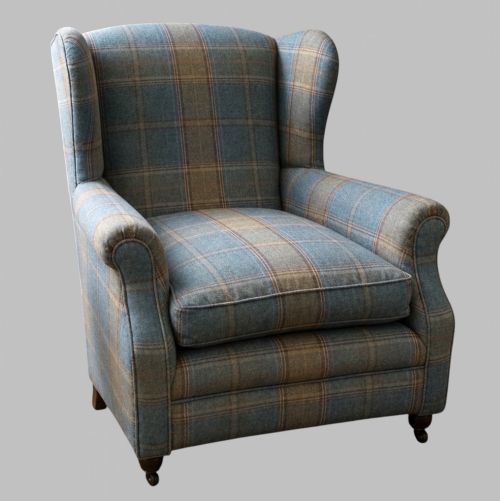
Upholstery techniques dictate the profile and comfort of the piece, progressing from simple stuffing in early lambing chairs to sophisticated sprung interiors and feather fillings in later nineteenth and twentieth-century examples. Outer coverings span original or replacement fabrics including wool plaid, chenille twill, leather, and velvet.
Several miniature child-sized lambing chairs survive alongside full-scale fireside seating.
Judging the standards
Quality rests primarily in the integrity of the wooden frame, the purity of the period proportions, and the survival of original structural elements. Early lambing chairs demonstrate superior merit when the timber retains its unreduced sides and original rocker bases.
Later upholstered versions are judged by the crispness of the cabriole or tapered leg supports and whether the stuffing retains its correct supportive crown. Examples bearing maker stamps or specific regional vernacular traits command greater interest among collectors.
Howard And Sons·Sopwith
The Country Wing Chair Glossary
- Wingback
- An armchair featuring protective side panels attached to the arms to deflect draughts from an open hearth. These wings define the silhouette of traditional fireside seating.
- Lambing chair
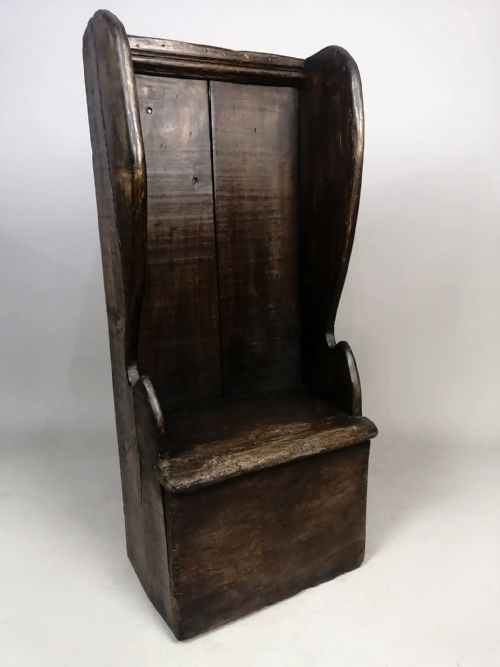
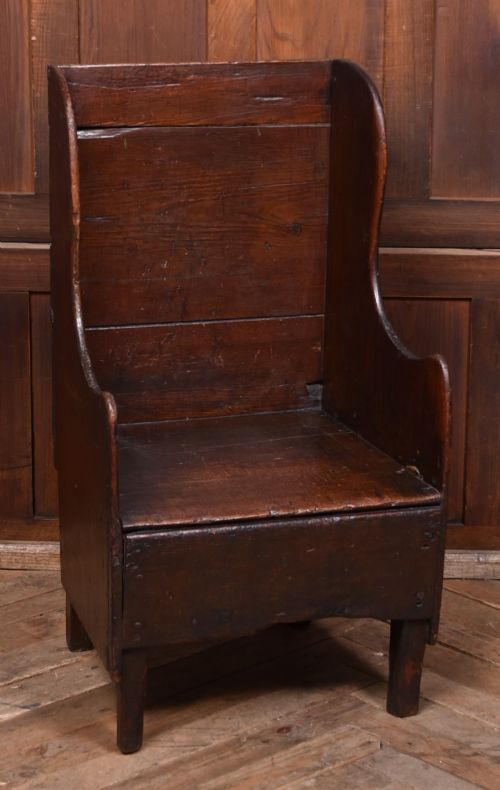
- A traditional vernacular armchair featuring a high wooden back and enclosed sides, frequently incorporating a storage box beneath the seat. Early examples often date to the seventeenth and eighteenth centuries in oak or fruitwood.
- Cabriole leg
- A furniture leg that curves out in a convex arc and tapers inward in a concave arc, terminating in a pad or claw foot. This form is frequently seen on eighteenth-century and revival frames.
- Vernacular
- Objects made by regional craftsmen for local domestic use rather than following high-style metropolitan fashion. These pieces utilise readily available local timbers and practical construction methods.
- Ticking
- A tightly woven cotton or linen fabric historically used to contain feather or down fillings in upholstery. It provides a durable, utilitarian cover for traditional fireside seating.
Country Wing Chair: Frequently Asked Questions
What is a lambing chair?
A lambing chair is an early form of vernacular seating featuring high wooden sides and a hooded top designed to keep out fireside draughts. They are typically constructed from native timbers like oak or elm and often include a compartment beneath the seat.
These pieces date back to the seventeenth and eighteenth centuries and represent a distinct rural tradition compared to fully upholstered urban armchairs.
How do I date a wing chair?
Dating relies on examining the timber species, the shaping of the legs, and the construction methods used in the frame. Earlier examples utilise solid oak or fruitwood with vernacular joinery, while eighteenth and nineteenth-century pieces introduce mahogany, walnut, and more refined cabriole or straight leg supports.
Upholstery materials also offer clues, though most historic chairs have been re-covered multiple times to suit changing domestic tastes.
Are these chairs comfortable for daily use?
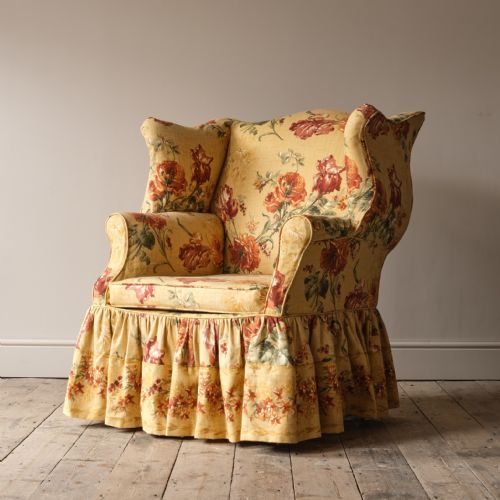
Many Edwardian and later wing armchairs provide deep, sprung seating designed for relaxed lounging in country house interiors. Their generous proportions and padded backs make them well-suited for modern living spaces.
Earlier vernacular models with solid wooden seats offer a firmer, more upright sit that prioritizes shelter and posture over deep cushioning.
What is a country house style chair?
A country house style chair refers to upholstered seating chosen for large rural residences, prioritizing comfort, loose feather fillings, and relaxed traditional fabrics. These pieces often feature generous proportions and deep seats.
They blend formal framing with comfortable, lived-in textiles such as plaid, velvet, or ticking, suiting both traditional and eclectic interiors.