


Antique Wine Pitcher
An antique wine pitcher brings period character to the table, uniting practical serving vessels with fine historical craftsmanship.
Antique Wine Pitcher
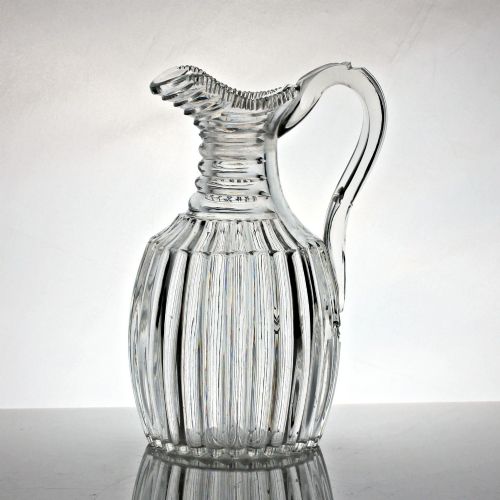
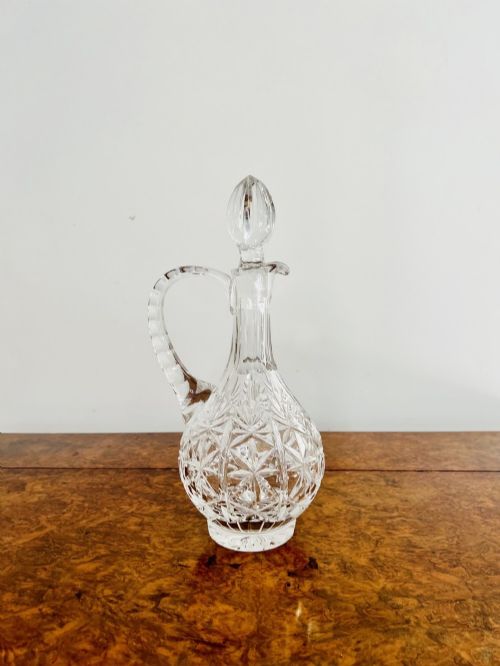
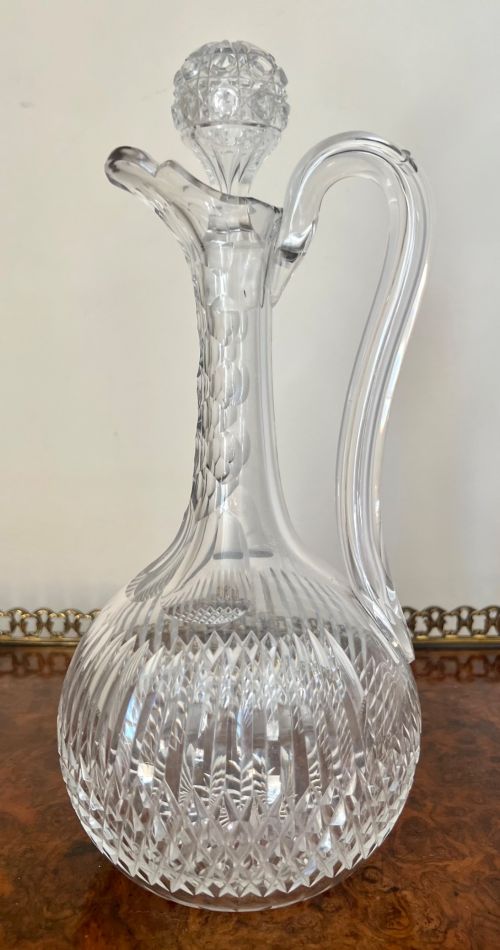
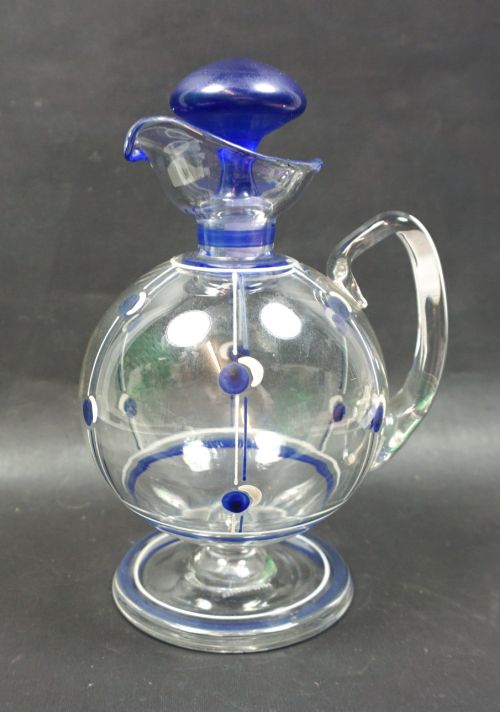
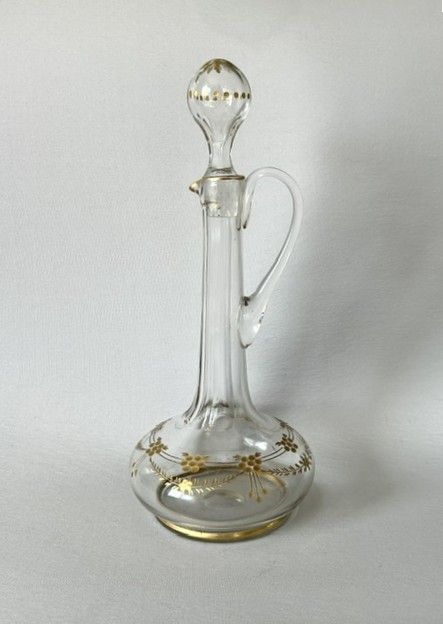
When searching for an antique wine pitcher, buyers encounter several distinct forms including claret jugs, decanters, ewers, and handled vessels designed for serving wine and water. These pieces span the Victorian, Edwardian, and nineteenth-century periods, alongside examples utilising earlier stylistic references.
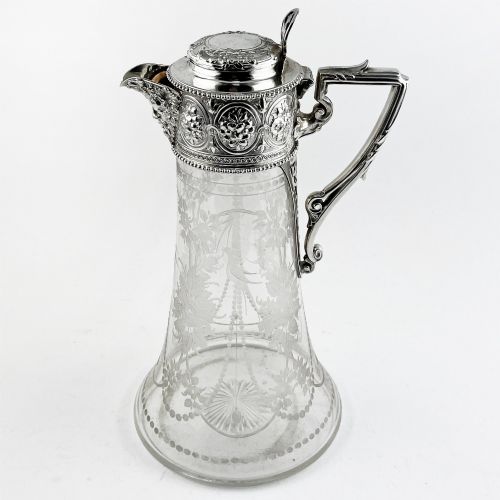
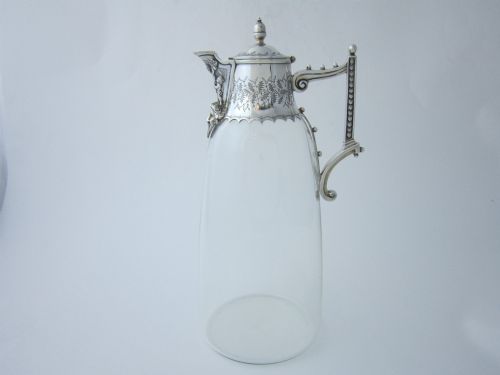
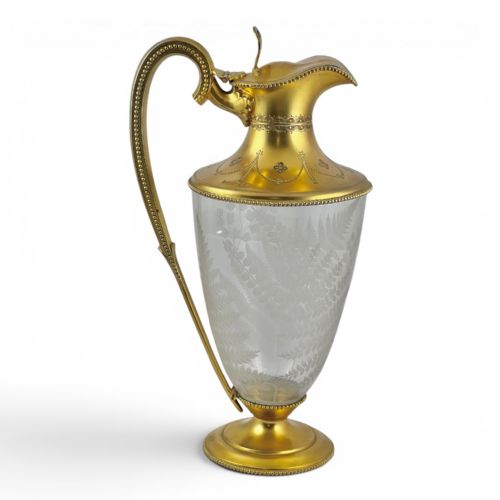
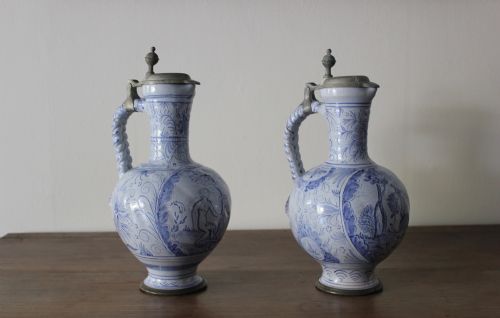
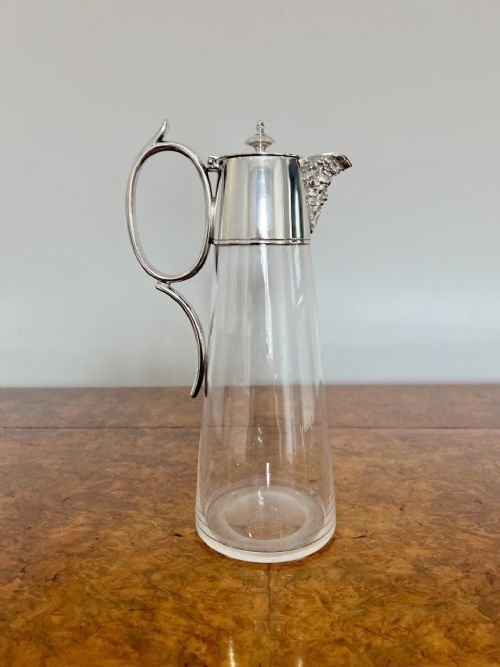
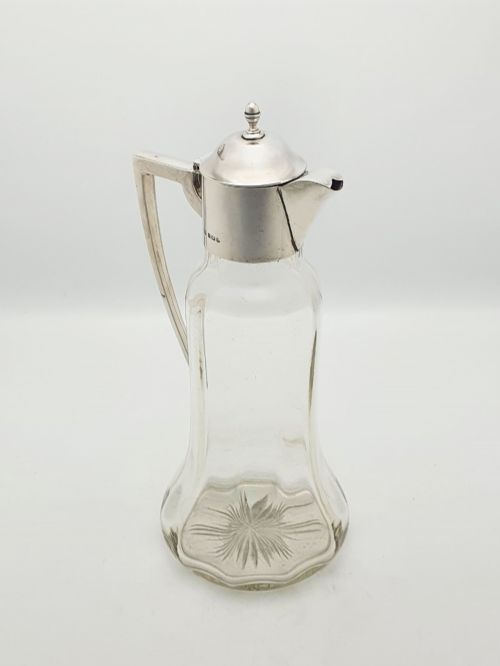
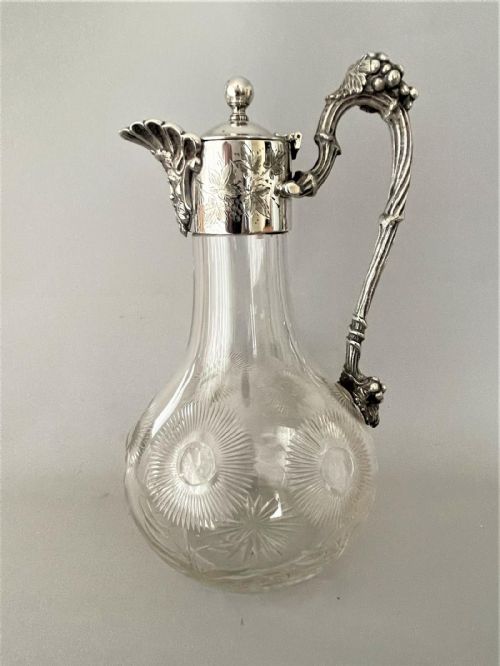
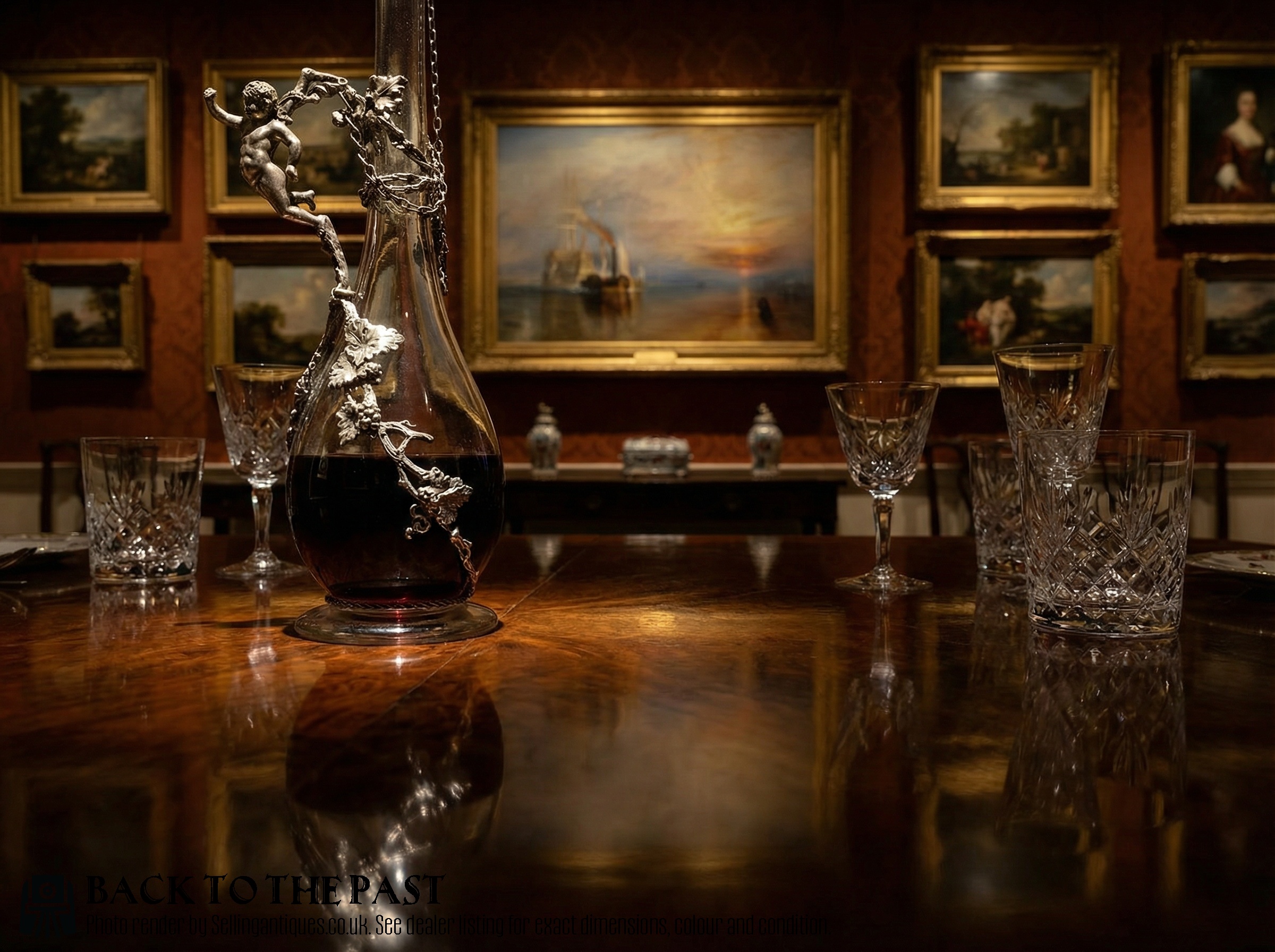
The most common variations seen on this page combine glass bodies with silver-plated or sterling silver mounts, though ceramic, porcelain, and bronze examples also appear. Formats range from tall, cut-glass bodies with hinged metal lids to figurative ewers featuring classical motifs and mythological handles.
Originating from British, European, and Asian workshops, these vessels reflect the dining customs and decorative arts of their respective eras. Whether utilising intricate crystal cutting or bold ceramic glazing, each piece serves both a functional and ornamental purpose.
Materials and construction methods
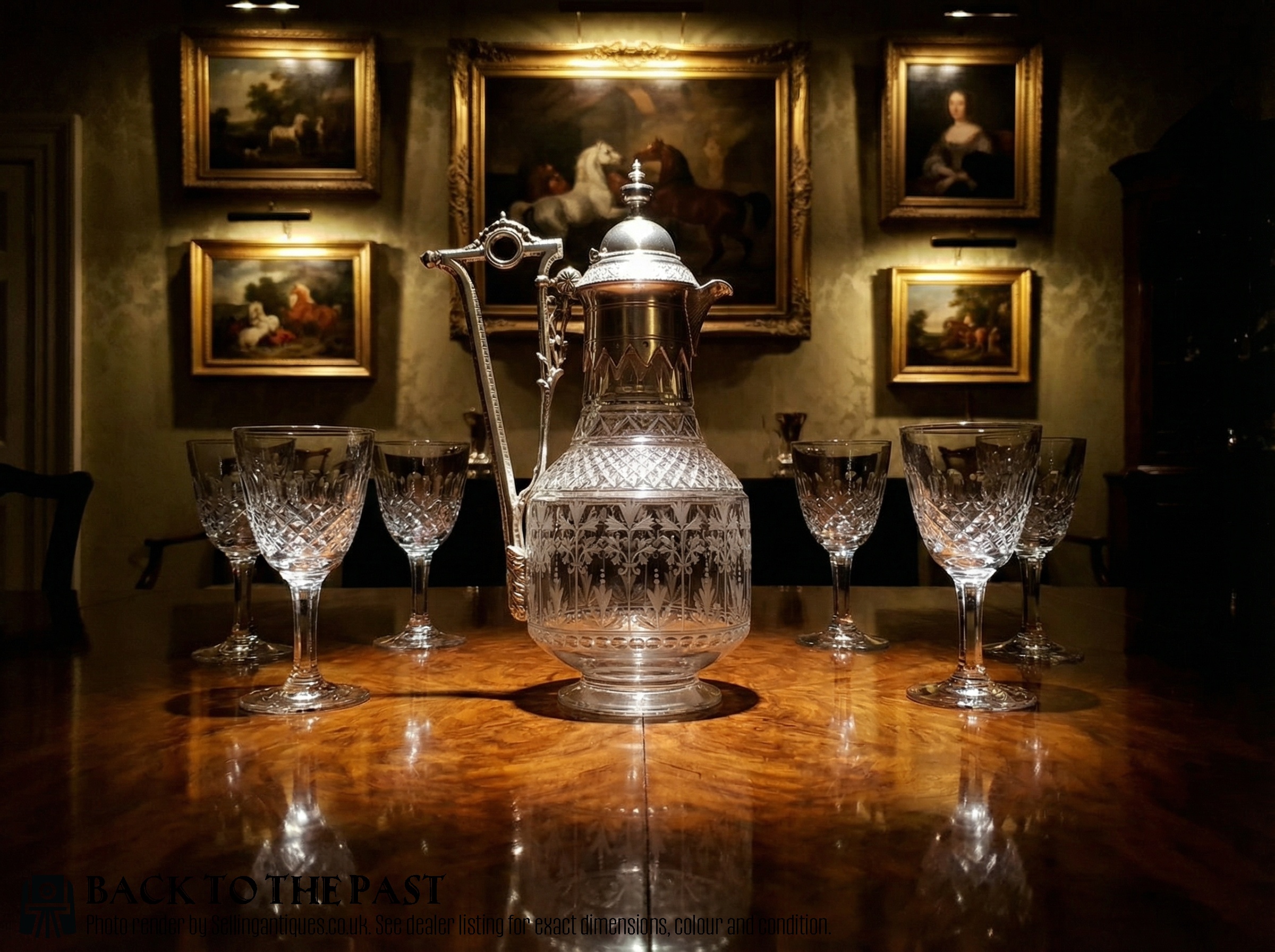
Makers utilised clear, cut, crystal, cranberry, and overlaid glass for the bodies, often shaping vessels through hand-blowing or deep wheel-cutting. These glass elements frequently pair with cast and chased sterling silver or silver-plated mounts, secured by hinged lids and collars.
Metal components often incorporate detailed decorative work such as bacchus masks, serpent handles, and floral engraving executed by silversmiths. Ceramic and stoneware pieces employ techniques like salt-glazing, enamel painting, and moulded relief decoration to achieve textured surfaces.
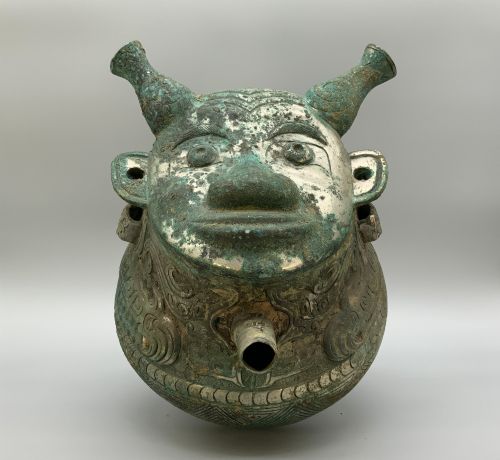
Bronze and pewter vessels demonstrate metal casting methods, utilising electrotyping or traditional foundry techniques to produce figural handles and sculptural spout details.
Antique Wine Pitcher Retail Price Guide 2026
Typical asking prices for wine pitcher among the pieces listed under this phrase on Sellingantiques today, from the lower quarter to the upper quarter. They describe what is for sale here now, not the wider market.
Several pitchers incorporate watchful serpent handles and classical wine god masks peering directly from the spout.
Distinguishing quality across examples
The standard of a piece depends heavily on the crispness of the glass cutting and the weight of the metal mounts. Superior items display deep, precise facets in the crystal that catch the light, alongside substantial silver work rather than thin plating.
Artistic execution in the secondary elements defines the upper tier of the range. Master silversmiths and notable glasshouses produced mounts and bodies with meticulous attention to anatomical detail in handles, well-fitted hinges, and balanced proportions.
Condition and originality dictate lasting merit, particularly where glass bodies and metal hardware remain original to one another without replacement parts or structural compromise.
Asprey and Co. Ltd·Simon Peter Gerz·Henry Bourne·Archibald Knox for Liberty Co
The Antique Wine Pitcher Glossary
- Claret jug
- A specialised vessel designed specifically for serving claret or red wine, typically featuring a glass body with a metal mount, handle, and hinged lid.
- Ewer
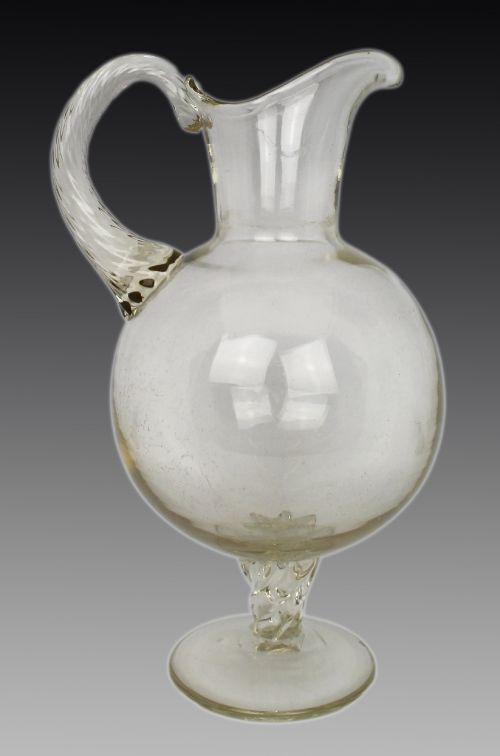
- A pitcher with a large base, bulbous body, and a flared spout, historically used for pouring water or wine.
- Cut glass
- Glass decorated by cutting facets or patterns into the surface using a rotating wheel, creating reflective geometric designs.
- Silver plate
- A base metal object coated with a thin layer of silver, common in domestic tableware from the nineteenth century onward.
- Bacchus mask
- A decorative motif depicting the face of Bacchus, the god of wine, frequently cast into the silver mounts of wine vessels.
Antique Wine Pitcher: Frequently Asked Questions
What is a claret jug?
A claret jug is a specialised serving vessel created to hold and pour red wine at the dining table.
These pieces typically combine a glass or crystal body with a metal handle, collar, and hinged lid.
How do I date a silver mounted jug?
Dating relies heavily on hallmarks stamped into the metal mounts, which indicate the assay office, year, and maker.
Stylistic indicators such as Victorian engraving or Edwardian cut glass patterns also provide chronological context.
Are these pitchers safe for serving wine?
Many antique glass and ceramic vessels remain structurally sound and capable of holding liquids for modern use.
Buyers should inspect the interior condition and ensure any metal mounts are clean before using them for dining.
What materials were commonly used?
The primary materials consist of cut glass, crystal, and clear glass paired with sterling silver or silver-plated mounts.
Other examples utilise porcelain, stoneware, bronze, and pewter depending on the regional origin and period style.