



Antique Wine Goblets Pair
These antique wine goblets pair selections offer matched drinking vessels in glass, crystal, and metal, bringing historical craftsmanship directly to your table.
Antique Wine Goblets Pair
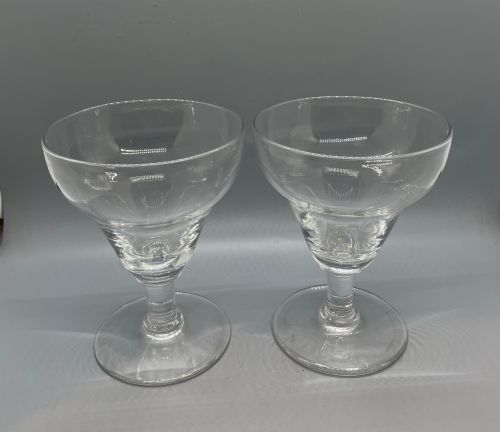
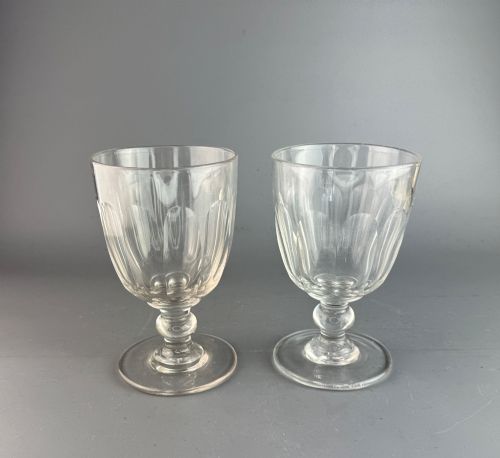
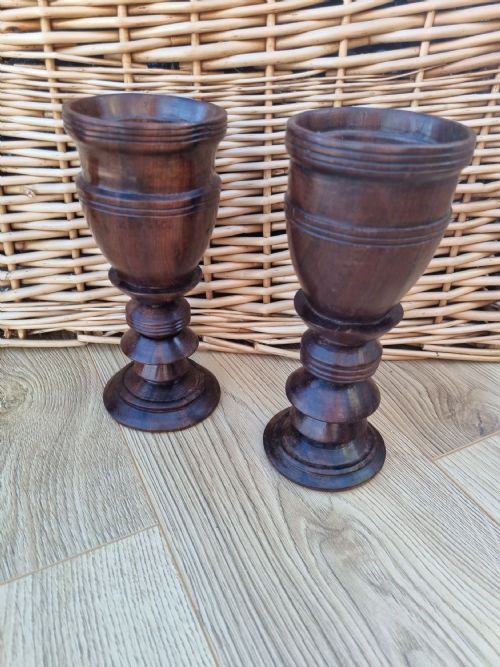
When searching for an antique wine goblets pair, collectors encounter matched sets of two drinking vessels spanning the Georgian, Victorian, and Edwardian periods. These objects take the form of wine glasses, rummers, chalices, and heavy lead crystal vessels intended for formal dining or ceremonial use.
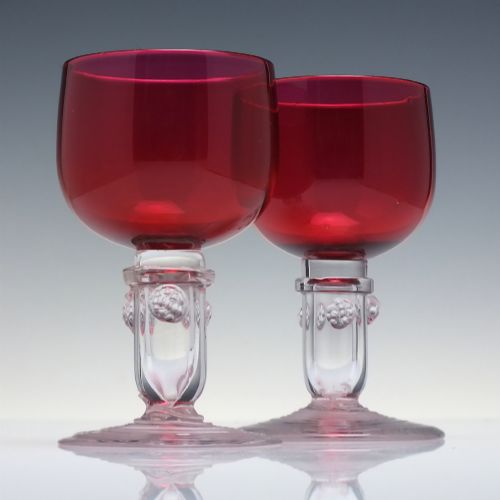
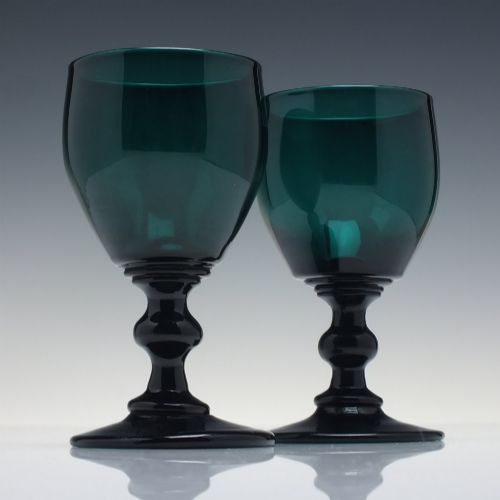
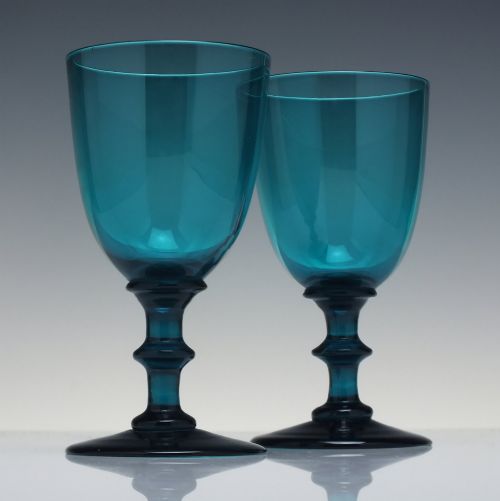
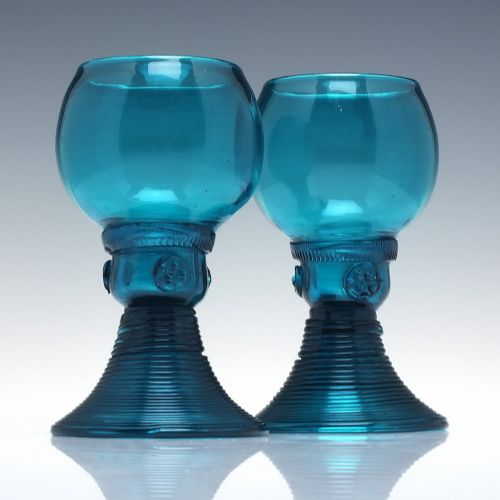
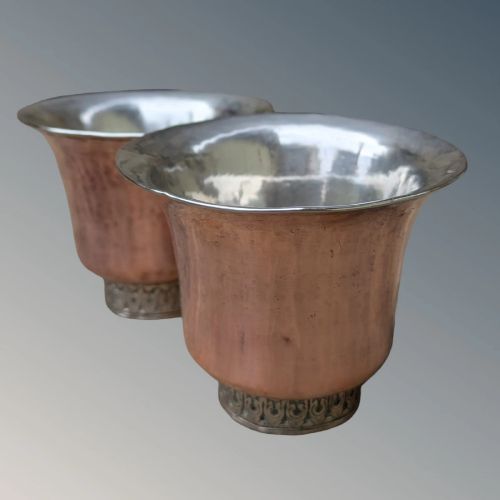
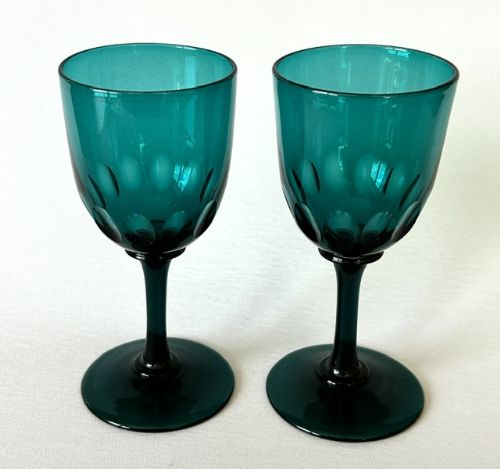
The material selection leans heavily toward hand-blown and clear glass, alongside rich coloured glass in emerald, cranberry, peacock, and aqua hues. Some examples incorporate metalwork, including pewter, copper, silver, and Old Sheffield Plate, reflecting diverse domestic and ritual traditions.
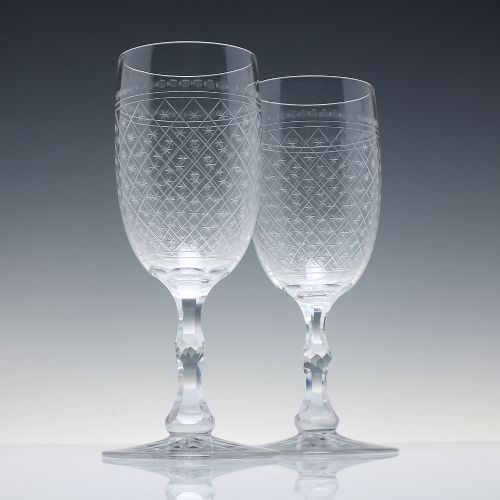
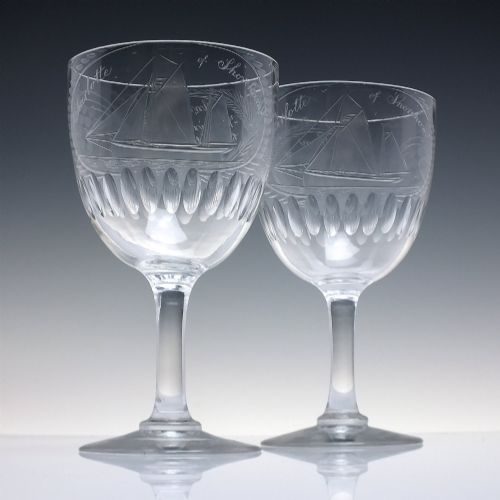
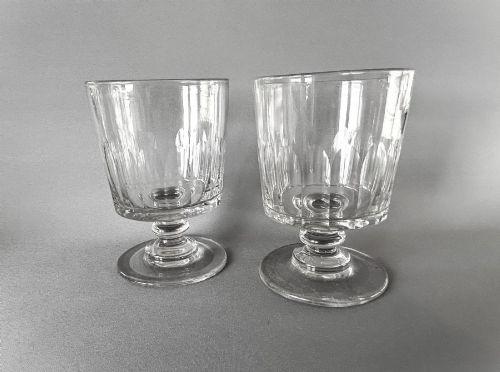
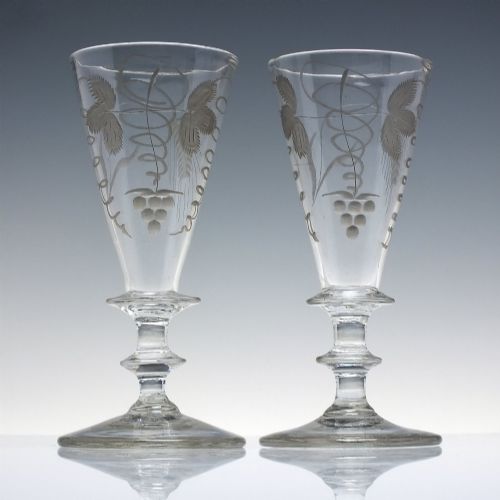
Georgian and Victorian examples dominate the available selection, ranging from facet-cut rummers to engraved presentation pieces and tall ecclesiastical chalices. Buyers find everything from simple ovoid bowls to heavily cut lead crystal designed for wine, ale, and hock.
Manufacturing methods and materials
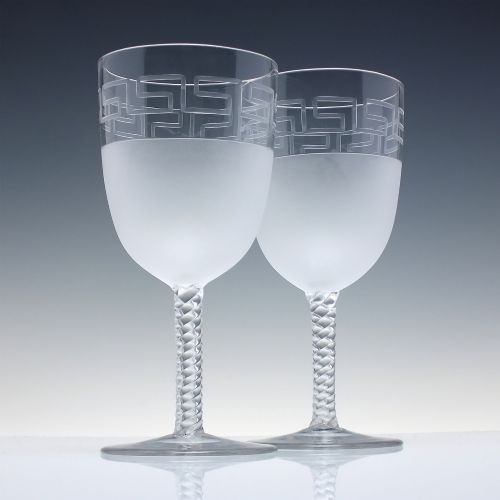
Glass vessels in this category were typically hand-blown, utilising lead glass or lead crystal to achieve clarity and weight before undergoing hand-cutting, engraving, or acid etching. Artisans shaped bowls, stems, and feet individually, resulting in the slight asymmetries characteristic of pre-industrial production.
Coloured glass variations required precise chemical additives in the melting pot to create deep greens, blues, and cranberry tones, which were sometimes layered as over-crystal before being cut back. Metal chalices and vessels relied on traditional smithing, casting, and plating techniques to shape copper, silver, pewter, and Old Sheffield Plate.
Antique Wine Goblets Pair Retail Price Guide 2026
Typical asking prices for wine goblets pair among the pieces listed under this phrase on Sellingantiques today, from the lower quarter to the upper quarter. They describe what is for sale here now, not the wider market.
Coloured glass options include cranberry, emerald green, peacock blue, aqua, and turquoise alongside traditional clear crystal.
Determining quality and distinction
Quality rests in the precision of the hand-cutting and wheel engraving, where crisp, deep facets and detailed motifs distinguish superior glassware from simpler moulded production. The weight and purity of the lead crystal or the consistency of colour saturation further separate standard domestic items from exhibition pieces.
Matched pairing authenticity dictates value, as true period pairs must exhibit identical dimensions, tool marks, and wear patterns. The sophistication of the form, whether an ovoid rummer or an engraved presentation goblet, reflects the original ambition of the glasshouse or workshop.
Baccarat·Stevens and Williams·Theresienthal
The Antique Wine Goblets Pair Glossary
- Rummer
- A heavy, large-bowled drinking glass popular during the Georgian and Victorian eras for wine or ale. These sturdy vessels typically feature short stems and thick feet.
- Lead Crystal
- Glass containing metallic lead oxide that increases weight, refractive index, and clarity. This material allows for deep, sharp wheel-cutting.
- Ogee
- An S-shaped curved profile seen on the bowls of certain Georgian drinking glasses. This contour combines a concave upper section with a convex lower portion.
- Old Sheffield Plate
- A composite material formed by fusing a sheet of silver to a thicker copper base. This technique preceded modern electroplating and leaves a characteristic edge where copper shows.
- Faceting
- The technique of grinding flat geometric planes into the surface of glassware. Facet cutting enhances the way light passes through lead crystal.
Antique Wine Goblets Pair: Frequently Asked Questions
Are these antique goblets safe for drinking?
Most antique glass and metal goblets remain suitable for holding beverages, provided the surfaces are thoroughly cleaned and free from active corrosion. Lead crystal used for short periods poses minimal risk, though acidic liquids should not be stored in lead vessels for extended hours.
Pewter or silver-plated chalices intended for ecclesiastical use should be checked for interior lining integrity before serving beverages.
How can I tell Georgian glass from Victorian?
Georgian glass frequently displays pontil marks on the base where the punty rod was snapped off, accompanied by a darker metal colour and lighter weight in earlier examples. Victorian pieces often utilise heavier lead crystal with more elaborate machine-assisted cutting and varied chemical colours like cranberry and vaseline.
Form also guides attribution, as deep ogee bowls and heavy bucket shapes are typical of Georgian rummers, while taller, slender stems appear more frequently in Victorian service.
What defines a true matched pair?
A matched pair consists of two vessels sharing identical dimensions, bowl profiles, stem configurations, and base diameters, indicating they were blown and finished together. Hand-blown items from the eighteenth and nineteenth centuries often display minor individual variations that confirm their authentic period origin.
Inspect the engraving style and wear patterns on the foot ring to verify that both objects accumulated age and usage under identical conditions.