







Victorian Crystal Goblet
These Victorian crystal goblet pieces are heavy glass drinking vessels of the nineteenth century that bring period weight and engraved detail to a table.
Victorian Crystal Goblet
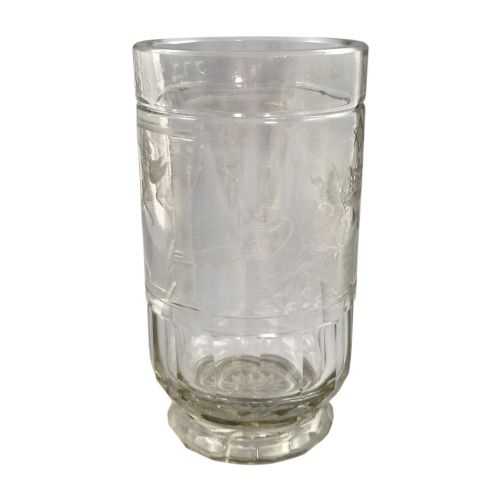
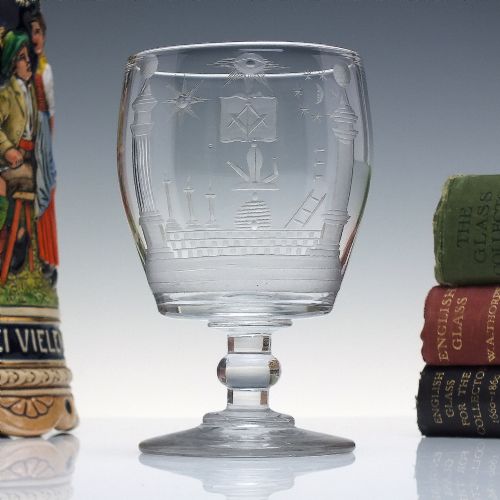
A buyer seeking a victorian crystal goblet encounters large rummers, stemmed wine glasses, and ceremonial beakers originating from the nineteenth century. These vessels range from single heavy items to sets of matching or harlequin glasses.
The pieces on this page span several decades of the Victorian era alongside Georgian and Bohemian examples. Forms vary from wide-bowled rummers to engraved roemers and tall stemmed goblets.
Materials and Working Methods
The makers utilised clear glass, lead crystal, and coloured glass including cranberry and emerald hues. Methods involved heavy blowing, moulding, and substantial lead glass formulation.
Decoration relied on deep wheel cutting, intaglio engraving, acid etching, and occasional surface gilding. Some pieces employ frosted finishes or cameo casing to create contrast.
Victorian Crystal Goblet Retail Price Guide 2026
Typical asking prices for victorian crystal goblet among the pieces listed under this phrase on Sellingantiques today, from the lower quarter to the upper quarter. They describe what is for sale here now, not the wider market.
Some nineteenth-century drinkers required glasses substantial enough to survive a hearty toast slammed onto an oak table.
Factors of Quality
Quality rests in the clarity of the metal and the depth of the wheel cutting or engraving. Crisp lines in intaglio work and heavy, balanced stems distinguish finer examples from simpler moulded production.
The weight of the lead crystal and the precision of the rim and foot finish dictate the standing of a piece. Intricate Masonic or Bohemian engraving executed with high detail elevates the work.
Moser Bohemian·Stevens and Williams
The Victorian Crystal Goblet Glossary
- Rummer
- A large, heavy drinking glass popular in the nineteenth century for ale, wine, or punch. These sturdy vessels often feature thick stems and deep bowls.
- Roemer
- A traditional Germanic or Bohemian stemmed drinking glass, frequently produced in green or amber glass. They typically display elaborate wheel-engraved decoration.
- Intaglio
- A method of engraving where the design is sunk below the surface of the glass. This technique creates a three-dimensional effect when light passes through the vessel.
- Baluster stem
- A thick, turned stem resembling an architectural column, often found on heavy eighteenth and nineteenth-century drinking glasses. It adds substantial weight to the lower section.
- Cameo glass
- A glass vessel formed of two or more distinct layers of contrasting colours where portions of the outer layer are carved away. This technique requires considerable skill from the glassmaker.
Victorian Crystal Goblet: Frequently Asked Questions
What is a Victorian rummer?
A rummer is a large, sturdy drinking glass designed for substantial toasts and everyday nineteenth-century dining. They sit firmly on short, thick stems with wide bowls.
These glasses were utilised for ale, wine, or punch before smaller glassware became standard at the dinner table.
How do I clean antique glass?
Wash antique crystal and lead glass by hand in warm water using a mild detergent. Avoid sudden temperature changes to prevent thermal shock.
Dry the pieces immediately with a lint-free cloth to maintain the clarity of the cut and engraved surfaces.
Can I use these for wine?
Many nineteenth-century goblets and wine glasses suit modern dining and handle generous pours of red or white wine. Their generous bowl capacity allows the wine to breathe.
Take care with heavy lead crystal and delicate engraved rims during use and storage.