
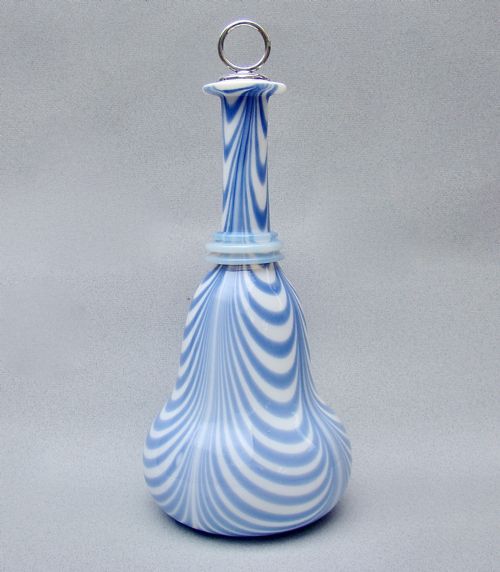
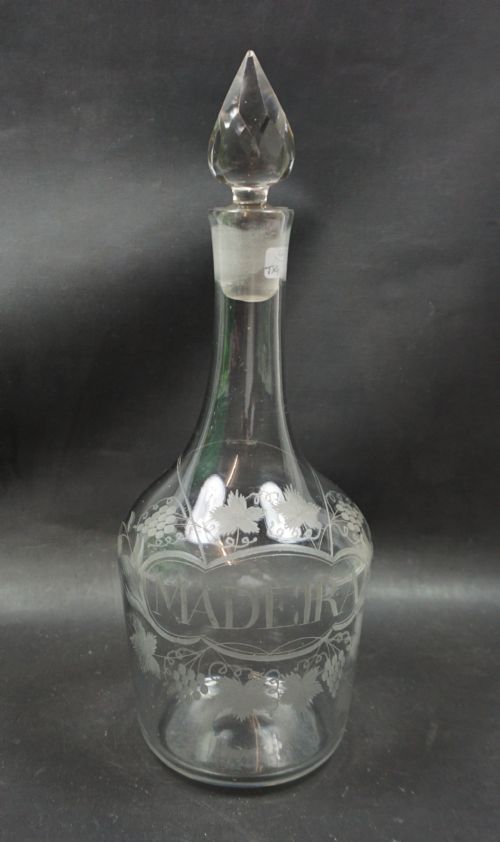

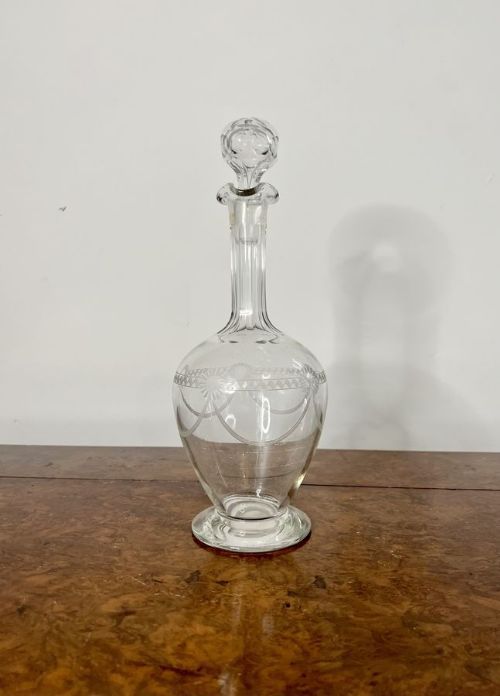


Antique Wine Flagon
An antique wine flagon brings heft and history to the table, and these pieces offer tangible connections to centuries of shared drinking.

Identifying an antique wine flagon
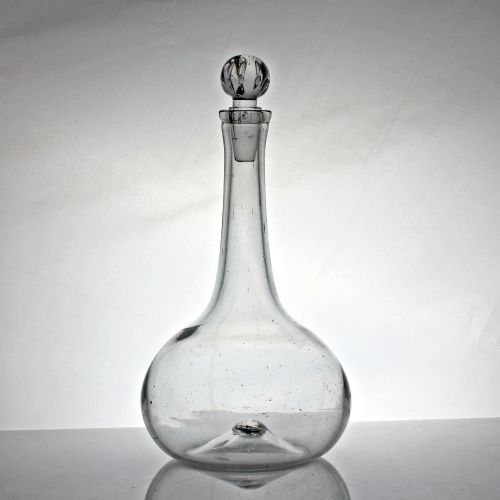
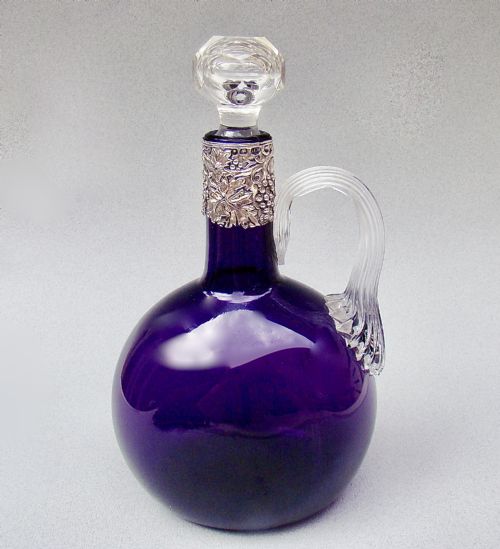
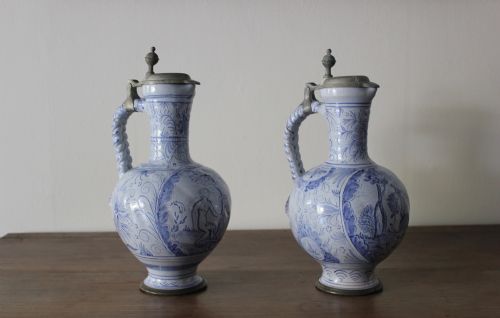
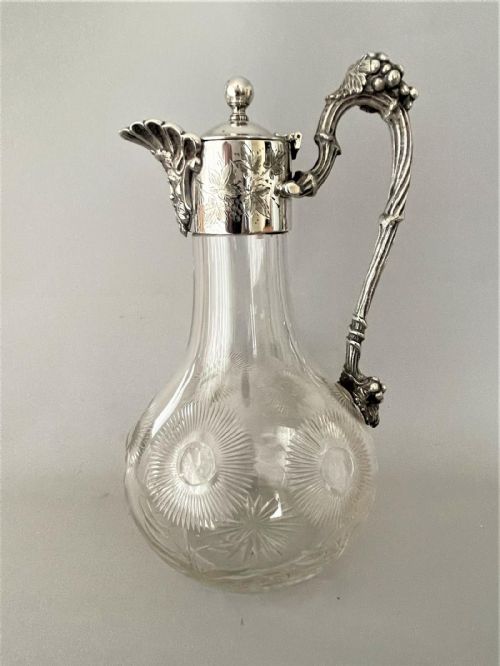
When you search for an antique wine flagon, you encounter a surprisingly varied group of vessels spanning multiple centuries. The selection ranges from early salt-glazed German stoneware bottles to sparkling Victorian silver-mounted claret jugs.
The versions most frequently met on this page include Georgian glass bottles and nineteenth-century decanters designed for formal dining. Every piece reflects the prevailing drinking customs of its specific period.
Form follows function across these examples, shifting from heavy earthenware containers fitted with loop handles to slender blown glass cylinders. Whether intended for storage at the table or pouring at the sideboard, each object served a distinct domestic purpose.
Materials and construction methods
Makers utilised robust natural materials, shaping dark green glass, blown glass, and stoneware through traditional hand methods. Stoneware pieces display distinct salt-glazed surfaces achieved by throwing clay on a wheel and firing at high temperatures.
Glass vessels exhibit the characteristic bubbles and uneven thickness of early hand-blown manufacturing techniques. Later Victorian examples incorporate finely chased silver mounts fitted securely around cut glass bodies.
Retail Price Guide 2026
Typical UK retail prices for wine flagon, calculated from the Sellingantiques database of over a million retail prices indexed since 2003. This retail price guide relies exclusively on Sellingantiques data; no external sources or auction records are used, so the figures do not describe the wider market.
Assessing craftsmanship and finish
Quality reveals itself in the balance of the vessel and the precision of the applied mounts. Superior examples display crisp silver work, clean glass cutting, and well-proportioned handles that sit comfortably in the hand.
Lesser pieces often show crude repairs or heavy-handed modern replacements where original mounts once stood. The distinction rests entirely on the integrity of the materials and the skill evident in the initial forming.
The Antique Wine Flagon Glossary
- Claret jug
- A specialised pouring vessel designed specifically for serving red wine during the Victorian era. These typically combine a glass body with a silver handle, collar, and hinged lid.
- Salt glaze
- A decorative and protective finish applied to stoneware by throwing common salt into the kiln during high-temperature firing. This creates a characteristic textured surface resembling orange peel.
- Silver mount
- Metalwork fitted to the rim, handle, or base of a glass bottle or jug. It reinforces the structure while adding decorative refinement.
- Cylinder glass
- A blown glass bottle form characterised by straight sides and a flat base. This shape became common during the eighteenth century for secure storage and stacking.
Frequently Asked Questions
How were these flagons used?
Earlier flagons often served as utilitarian containers for holding and pouring wine or oil in domestic settings. Over time, the form evolved into more decorative decanters and claret jugs meant for formal dining rooms.
They were filled from larger casks or bottles to present the wine cleanly and attractively to guests during meals.
How do I date an old flagon?
Dating relies on observing the materials, manufacturing marks, and stylistic clues inherent in the piece. Stoneware vessels often feature characteristic glazes and forms tied to specific German or English production periods.
Glass flagons display pontil marks, colour variations, and silhouettes that shift discernibly from the eighteenth century into the Victorian era.
Can I still use these for serving wine?
Many glass and silver-mounted flagons remain structurally sound for occasional modern use at the dining table. Care must be taken to hand wash them gently, avoiding extreme temperature changes that could stress aged glass or historical joints.
Stoneware and older clay pieces are best appreciated as display items due to their porous nature and historical fragility.