

Antique Wine Cooler Chest
These antique wine cooler chest pieces are historic receptacles designed to keep bottles chilled at table, offering both timeless utility and stately presence.
Antique Wine Cooler Chest
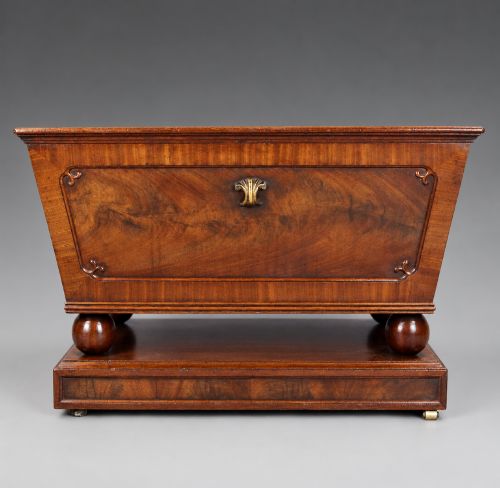
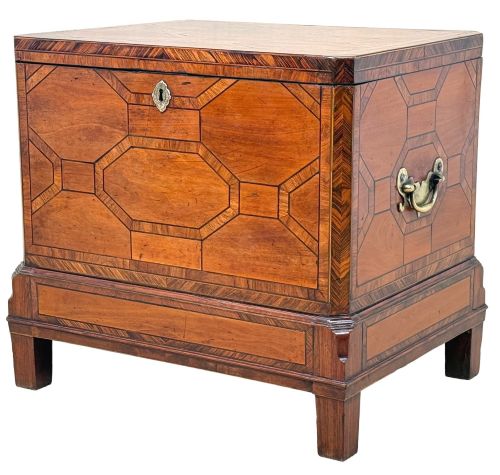
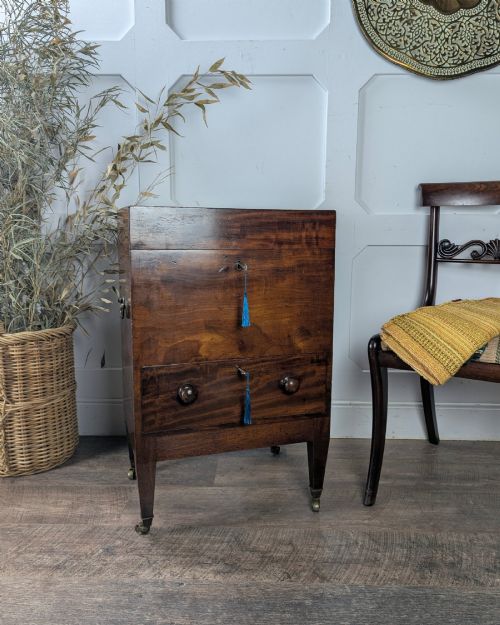
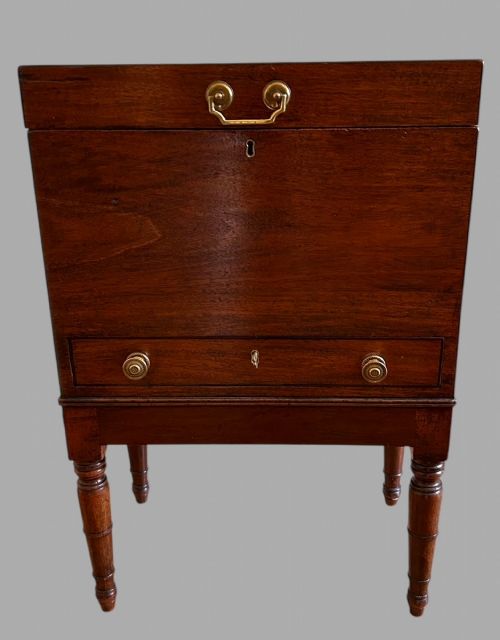
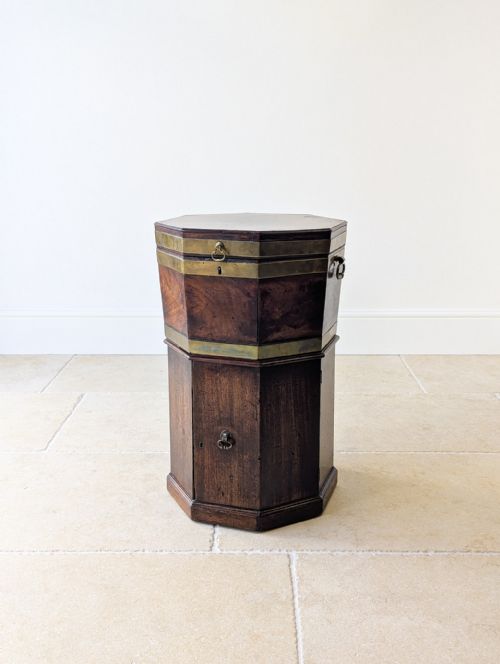
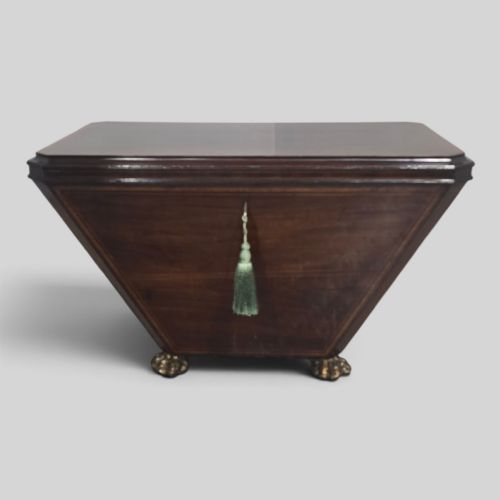
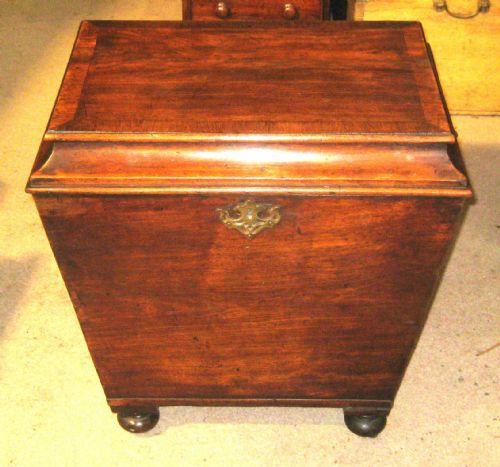
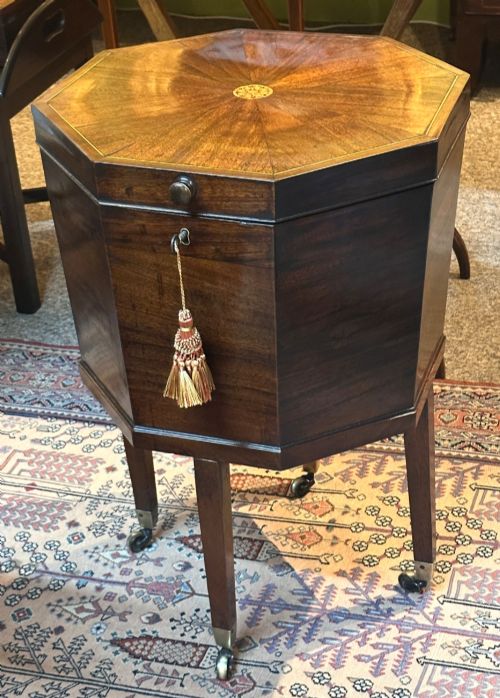
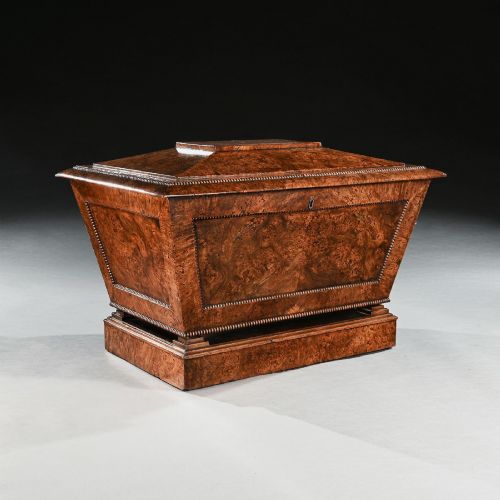
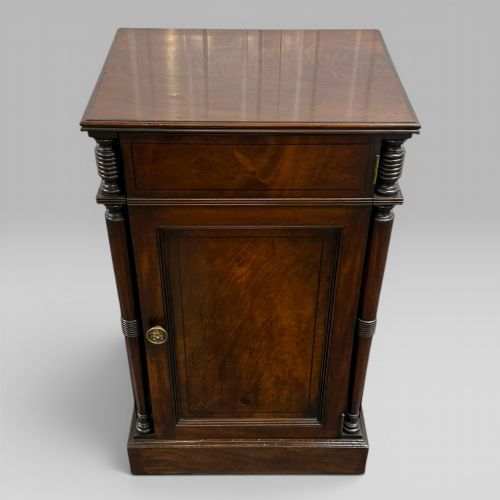
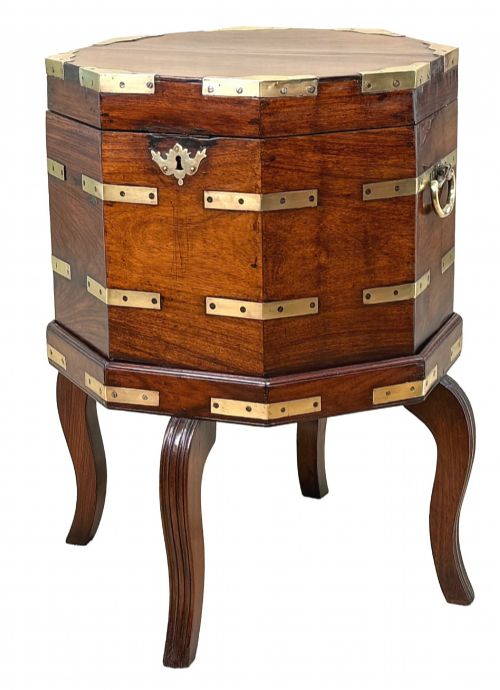
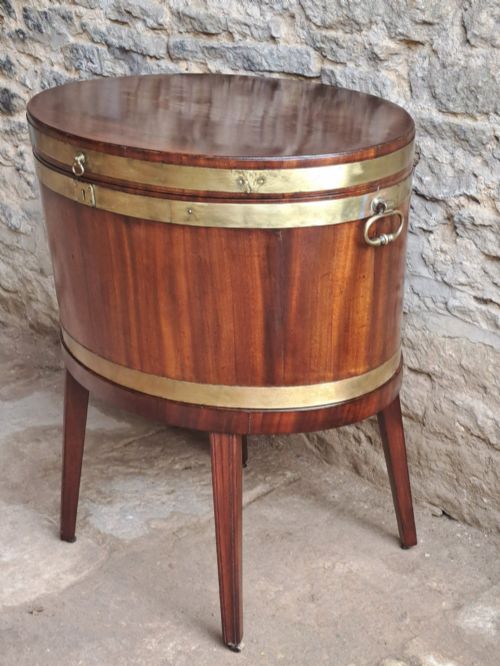
An antique wine cooler chest encompasses heavy storage vessels traditionally utilised for dining room hospitality across the eighteenth and nineteenth centuries. The most common iteration met here is the mahogany cellarette dating from the Georgian and Regency periods, often taking an octagonal or sarcophagus form.
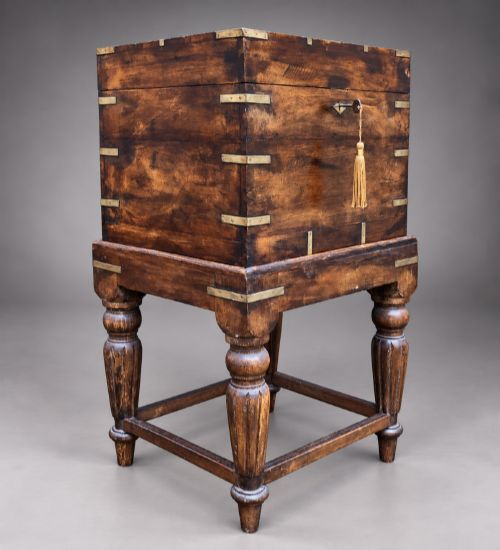
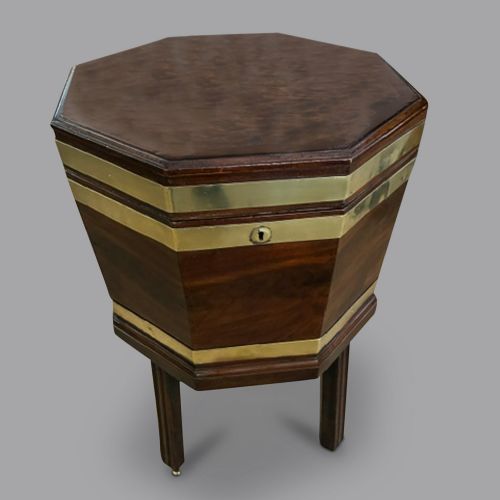
These pieces range from simpler brass-bound boxes designed to sit beneath a sideboard to grander examples raised upon fitted stands or feet. Alongside standard mahogany, variations include padouk, satinwood, and pollard oak, reflecting shifting tastes throughout the Georgian, Regency, and Victorian eras.
Materials and construction
Cabinetmakers constructed these chests predominantly from solid mahogany and flame mahogany, frequently enhancing the exteriors with boxwood inlay, kingwood, or contrasting ormolu mounts. Metal bands in brass provided both structural reinforcement and decorative contrast around octagonal bodies.
Internal engineering remained crucial for their functional purpose, incorporating lead liners or metal reservoirs designed to hold ice and water for cooling bottles. Stands and pedestals were meticulously joined to support the considerable weight of damp timber and heavy glass.
Listings feature multiple periods, spanning from eighteenth-century Georgian designs through to late nineteenth-century Victorian interpretations.
Judging quality
Finer examples retain original brass carrying handles, castors, and locking mechanisms rather than later replacements. The subtlety of proportions and the harmony between the chest and its original stand dictate the higher tiers of craftsmanship.
Edwards and Roberts·Gillows·Gillingtons
The Antique Wine Cooler Chest Glossary
- Cellarette
- A lockable chest or box designed specifically for storing bottles of wine within the dining room. They often sat beneath the sideboard until required at the table.
- Sarcophagus
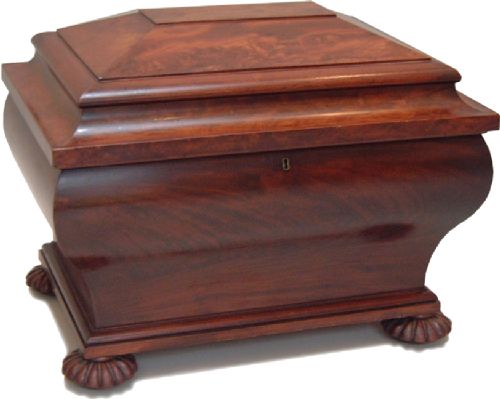
- A monumental chest style featuring a domed lid and tapered sides, popular during the Regency period. This form draws its name from ancient stone coffins.
- Lead liner
- The internal metal tank fitted inside wine coolers to hold ice and bottles safely without damaging the surrounding timber. Original liners significantly elevate a piece.
- Brass bound
- A construction method utilising metal bands around the exterior edges of a wooden chest for added strength and decoration. This treatment is particularly common on octagonal forms.
- Padouk
- A dense tropical timber displaying a reddish hue, utilised in certain Anglo-Indian and Georgian pieces. It provided exceptional durability for heavy storage items.
Antique Wine Cooler Chest: Frequently Asked Questions
How were these coolers used historically?
Staff filled the internal lead-lined compartments with ice and water to keep bottles chilled before serving them at the dining table. The lockable lids kept valuable vintages secure from servants.
After meals, the heavy chests remained in the dining room while guests lingered over their drinks.
How do I tell Georgian from Regency pieces?
Georgian examples often favour straight-sided octagonal shapes with brass bands, dating from the eighteenth century. They display restrained classical proportions and rich mahogany tones.
Regency pieces lean towards heavier sarcophagus forms with carved paw feet, bold veneers like pollard oak, and ormolu mounts reflecting classical revival styles.
How can I live with one today?
These chests make exceptional side tables, coffee table alternatives, or blanket boxes in modern living spaces. Their deep interiors provide useful hidden storage for household items.
Placing them in a hallway or dining room preserves their original context while adding architectural weight to a room.