




Antique Mahogany Cellaret
An antique mahogany cellaret is a sturdy wooden wine box designed to keep bottles cool and secure in the dining room.
Antique Mahogany Cellaret
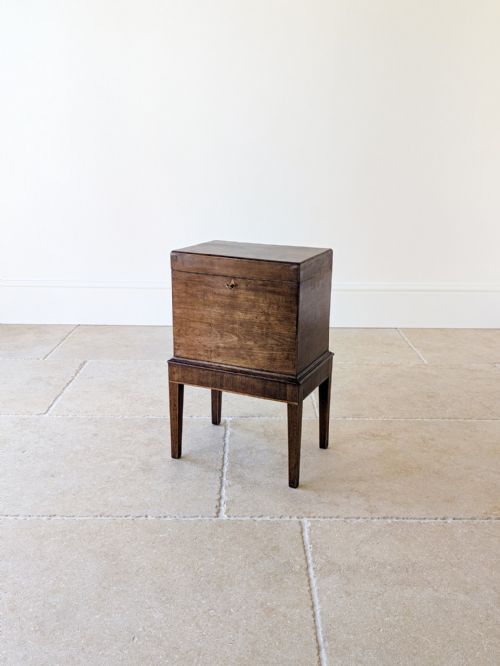
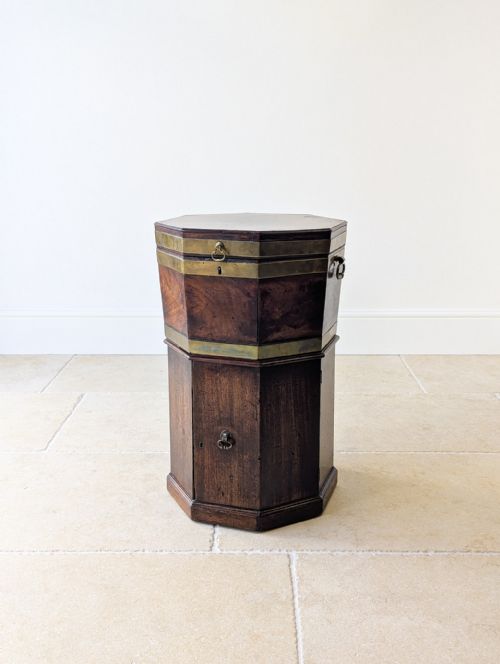
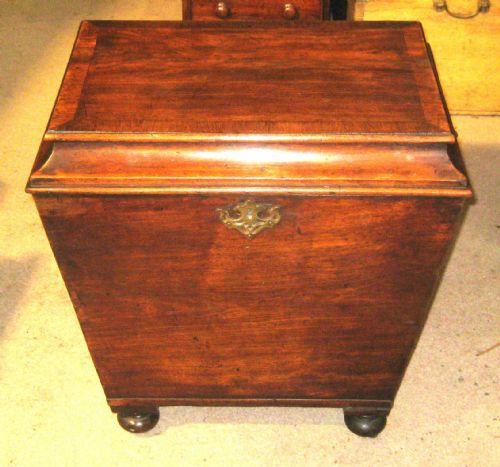
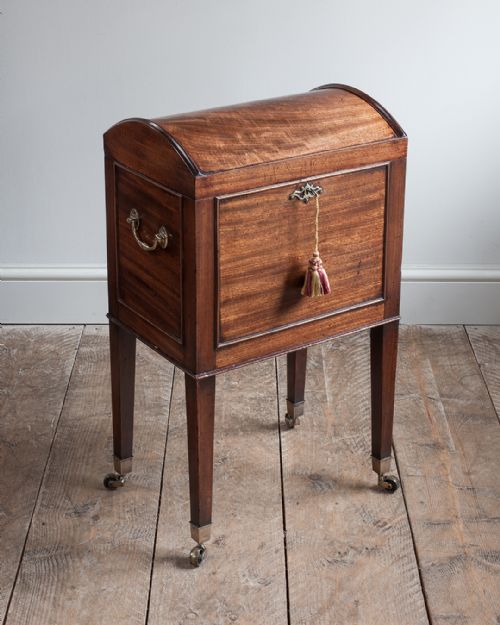
An antique mahogany cellaret is a specialised storage chest for wine, taking forms such as octagonal boxes, sarcophagus shapes, and serpentine fronted coolers. These pieces date from the eighteenth and nineteenth centuries, spanning the Georgian, Regency, and William IV periods, alongside later revivals from the twentieth century.
How they were made
Cabinet makers constructed these pieces using dense timbers like mahogany, occasionally incorporating satinwood inlay and ormolu mounts for decoration. Metal bands of brass often reinforced the structural corners and sides of octagonal and box forms.
Interiors frequently utilised lead linings to hold ice and water for chilling wine safely without damaging the surrounding wood. Cross-banding and detailed timber selection provided visual depth to the outer surfaces.
Early wine drinkers trusted heavy lead linings and ice to chill their bottles, turning dining room chests into portable iceboxes.
What varies in quality
The standard of a piece depends on the figure of the mahogany used in its construction and the precision of the cabinet work in joints and bandings. Finer examples display meticulous attention to detail in brass mounts, handles, and internal compartments.
Proportion and form dictate the visual impact, with serpentine and sarcophagus profiles requiring greater skill from the maker than simple box shapes. Original lead linings and intact stands elevate the integrity of surviving specimens.
Robert Strahan and Co·Gillows
The Antique Mahogany Cellaret Glossary
- Cellaret
- A lockable container used for storing and cooling wine bottles in the dining room. They developed various geometric and sarcophagus forms during the eighteenth and nineteenth centuries.
- Sarcophagus
- A monumental container shape with a stepped or domed lid tapering downwards, popular during the Regency period for wine coolers. This classic classical revival form mimics ancient stone tombs in timber.
- Serpentine
- A curved line that is convex in the middle and concave at the ends, seen on the fronts of select eighteenth century chests and coolers. This subtle shaping requires advanced woodworking skill.
- Cross-banding
- A border of veneer laid with the grain running perpendicular to the main panel, framing the primary timber surface. It provides a crisp visual edge on fine furniture tops and drawers.
- Ormolu
- Gilt bronze mounts applied for decorative effect on furniture and metalwork during the Georgian and Regency eras. These cast elements add metallic contrast to dark wood surfaces.
Antique Mahogany Cellaret: Frequently Asked Questions
What is an antique mahogany cellaret used for?
These boxes were built to store wine bottles securely and keep them chilled in the dining room before meals.
Interior lead linings held ice and water, protecting the timber while keeping beverages at the desired temperature for guests.
How do I date an antique cellaret?
Dating relies on observing the prevailing style, construction methods, and secondary timbers used in the piece. Georgian examples often feature straight lines or octagonal shapes, whereas Regency pieces frequently adopt heavier sarcophagus forms.
Hardware details like brass handles and hinges also shift in design across the eighteenth and nineteenth centuries, offering clues to the decade of manufacture.
Did all cellarets have stands?
Many early pieces rested directly on the floor or upon dedicated low frames, while others incorporated integrated stands with legs. Some smaller boxes sat upon sideboards or side tables.
The inclusion of a stand often depended on the specific period and the preference of the original purchaser.
How do I live with a cellaret today?
A cellaret functions well as a distinctive side table, a container for magazines, or a practical holder for modern bottled drinks. Their robust timber construction suits various rooms beyond the traditional dining space.
Placing them away from direct heat sources helps preserve the mahogany surface and any historic internal linings.