
Antique Wine Cabinet
An antique wine cabinet safeguards your collection within period mahogany, walnut, or oak constructed by cabinetmakers centuries ago.
Antique Wine Cabinet
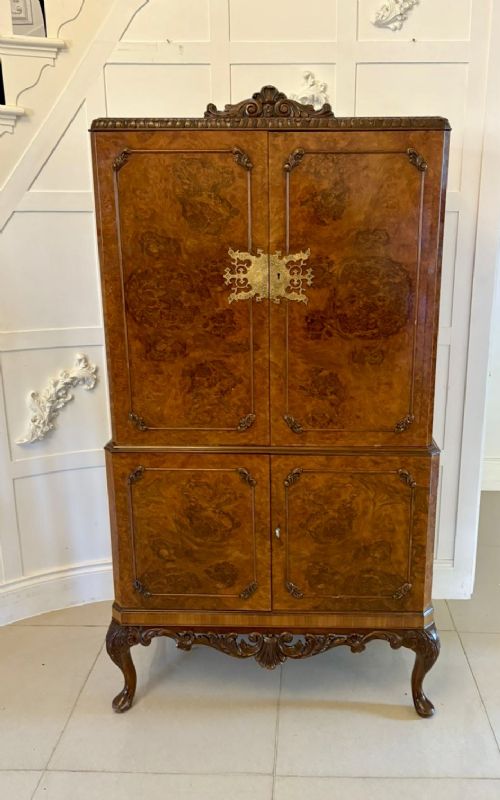
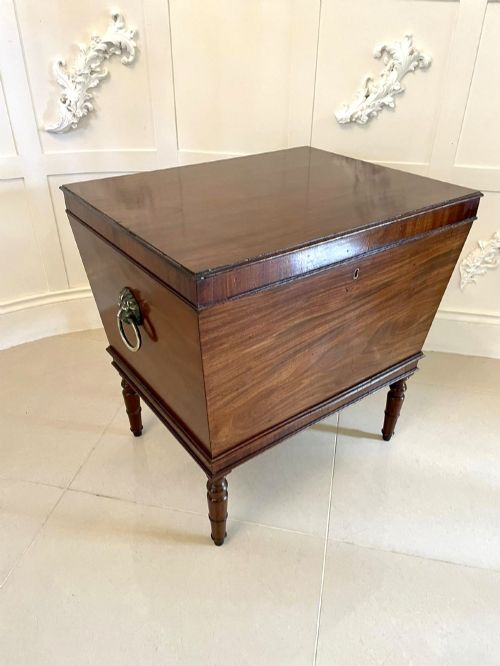
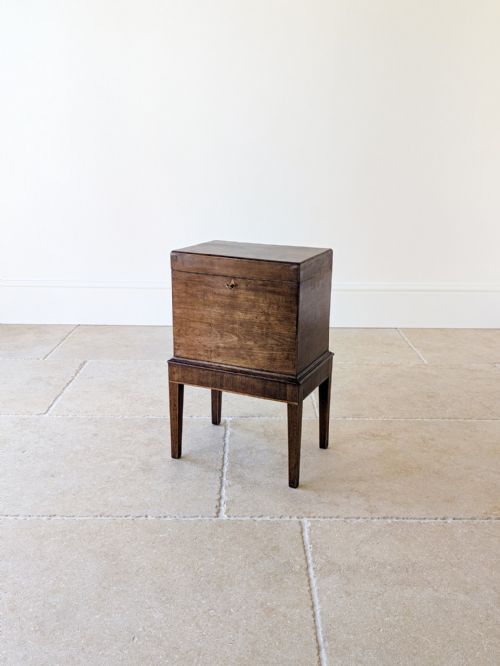
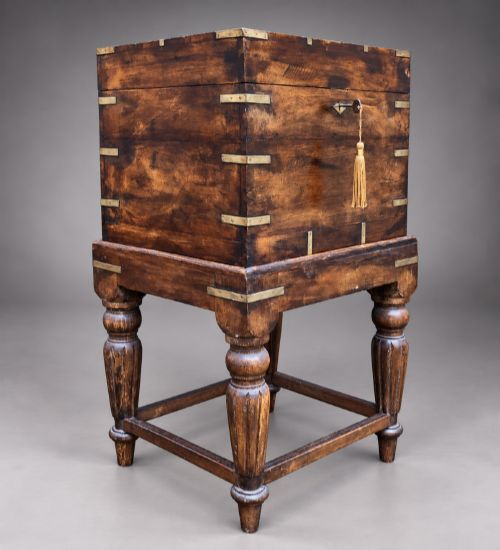
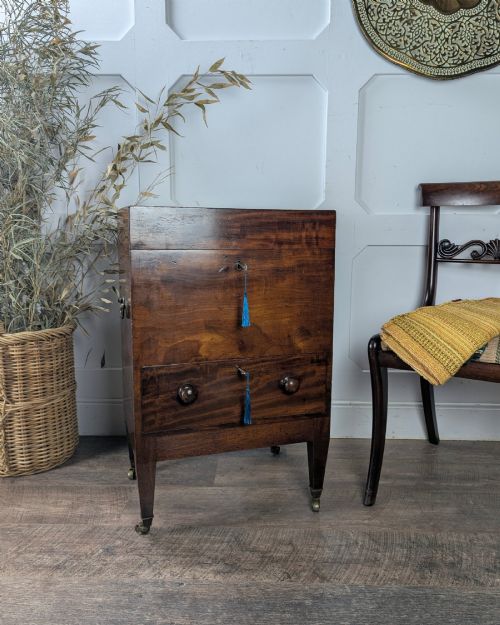
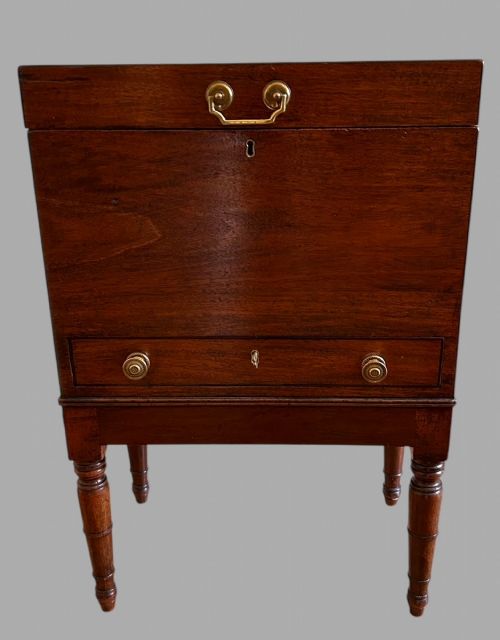
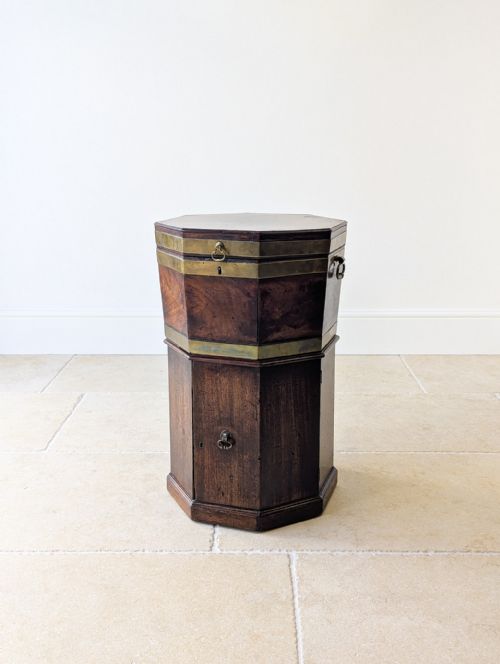
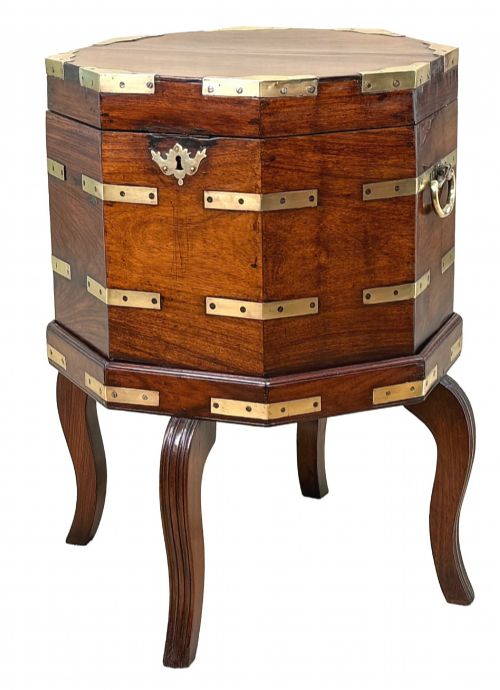
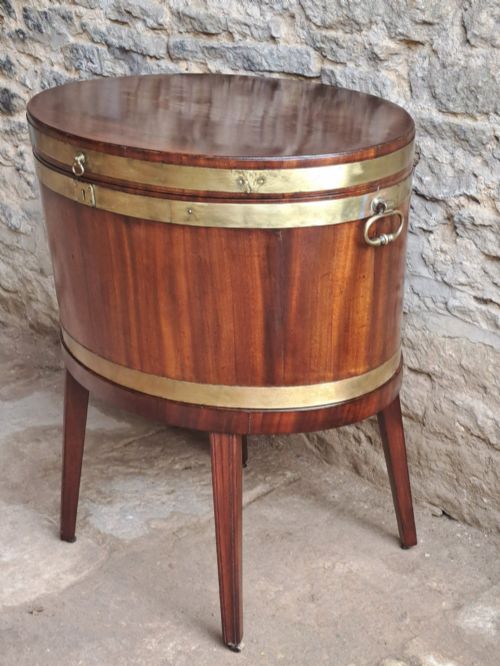
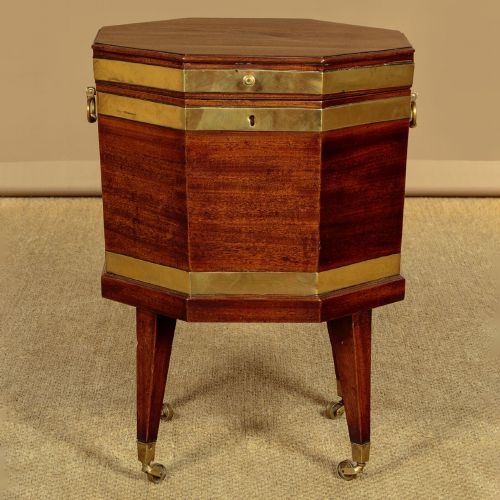
An antique wine cabinet encompasses cellarettes, wine coolers, and drinks chests originating from the eighteenth century through the Edwardian era. Buyers searching for an antique wine cabinet encounter Georgian mahogany cellarettes, Regency brass-bound designs, and later Edwardian drinks cabinets intended for domestic bottle storage.
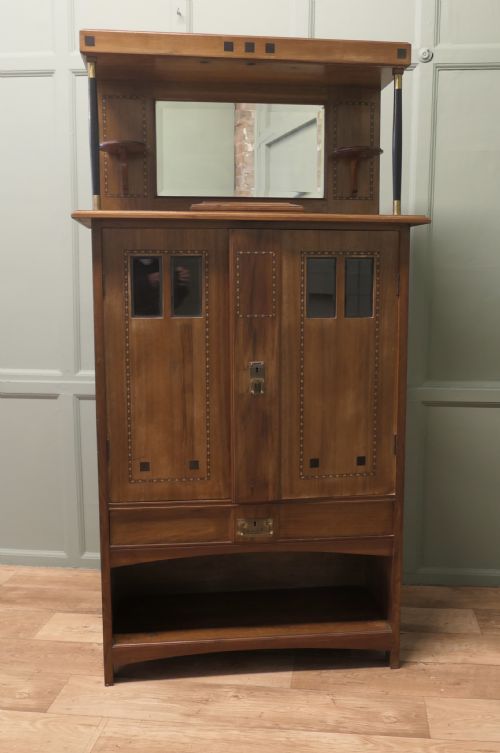
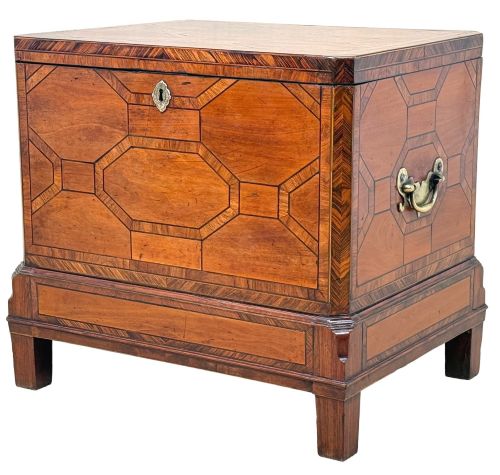
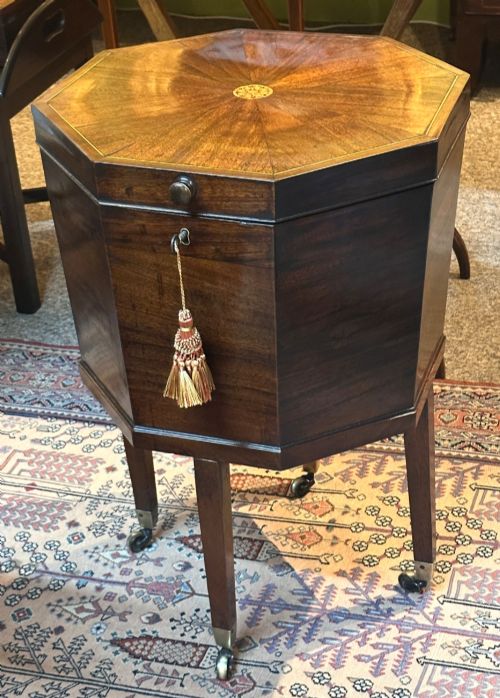
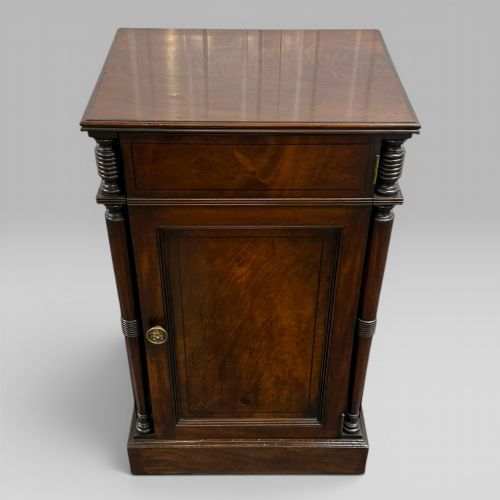
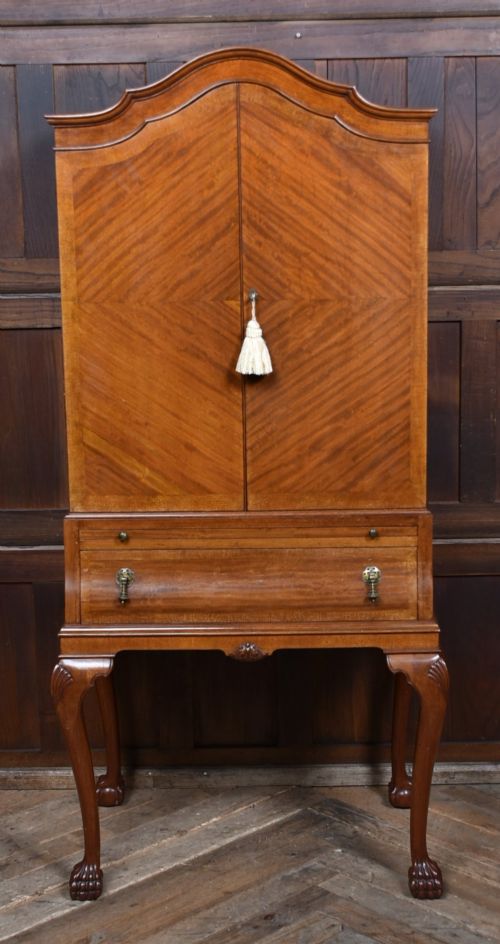
The selection ranges from George III octagonal coolers resting on stands to nineteenth-century side cabinets and cocktail displays. Georgian and Regency pieces dominate the selection, utilising timber frames designed to maintain bottled wine.
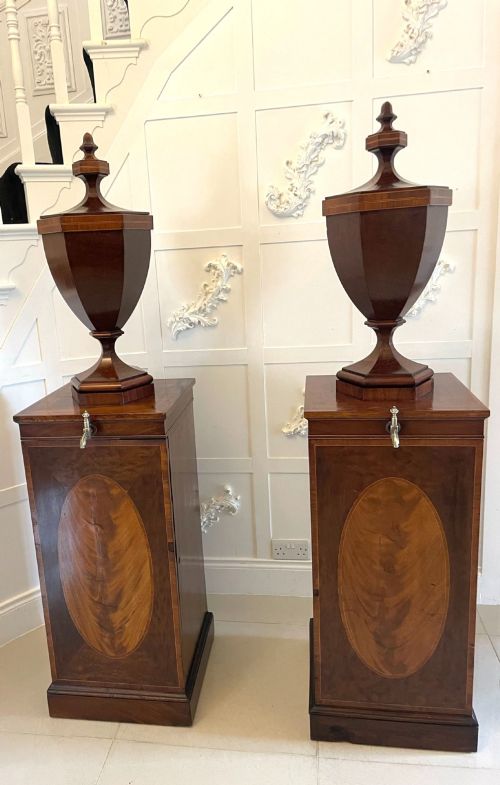
Makers utilised specific forms like pedestals and urns alongside traditional box cellarettes to store bottles securely. These pieces reflect the dining customs of past centuries, evolving from under-table storage into freestanding display furniture.
Materials and construction
Makers constructed these cabinets predominantly using solid mahogany, walnut, and oak, often incorporating flame mahogany veneers and boxwood inlay. Brass bands, ormolu mounts, and metal linings reinforced the internal compartments designed to hold bottles and ice.
Joinery techniques included precise dovetailing for interior linings and sturdy framing for pedestal cupboards and stands. Cabinetmakers selected figured timbers to accentuate the polished exterior surfaces of the storage boxes and side cabinets.
Judging execution
Quality rests on the selection of timber, such as strongly figured flame mahogany or finely matched satinwood, paired with crisp boxwood inlay. Superior examples feature original brass banding, intact lead or metal internal linings, and well-executed joinery.
The refinement of the carving, the integrity of original stands, and the subtlety of brass handles separate standard production from exceptional workshop output. Pieces retaining their original fitted interiors and functional locking mechanisms command greater interest.
Gillows·Gillingtons·Incorporall
The Antique Wine Cabinet Glossary
- Cellarette
- A lockable box or cabinet designed to hold wine bottles near the dining table. They frequently appeared as octagonal or oval vessels during the Georgian period.
- Brass-Bound
- A method of reinforcing wooden wine coolers using metal strips. This technique protected the timber and added decorative contrast.
- Pedestal
- A structural base supporting an urn or cabinet. These architectural forms elevated the storage compartment off the floor.
- Boxwood Inlay
- A contrasting pale timber inserted into dark wood surfaces to create geometric or floral patterns. It marks finer eighteenth-century cabinetwork.
- Orlomu
- Gilded bronze mounts applied to furniture for decoration. They appeared on select Regency pieces alongside mahogany.
Antique Wine Cabinet: Frequently Asked Questions
What is a cellarette?
A cellarette is a specialised storage chest designed to hold wine bottles securely near the dining table. These pieces kept beverages close at hand during formal meals in the eighteenth and nineteenth centuries.
Craftsmen often lined the interior with lead or metal to hold ice, chilling the bottles before serving. They range from compact box forms to large pedestals and urns.
How were wine cabinets used?
These cabinets served to store, cool, and present wine during extended dining rituals. Servants accessed the bottles from floor-standing chests positioned around the room.
Over time, the form evolved into drinks cabinets and cocktail furniture designed for modern entertaining. Interiors adapted to hold glassware and accessories alongside bottles.
How do I date a cellarette?
Dating relies on timber selection, hardware style, and overarching design characteristics. Georgian pieces frequently utilise solid mahogany with brass banding, while Edwardian examples often feature lighter satinwood finishes.
Construction methods inside the box, such as hand-cut dovetails, provide further clues to the manufacturing period. Secondary woods like oak or pine inside the structure help confirm age.
Where should I place a cabinet?
Antique wine furniture suits dining rooms, living spaces, and studies where bottles or glassware require stylish storage. Freestanding pieces with stands function effectively as focal points or side tables.
Protecting the polished timber from direct sunlight and excessive humidity preserves the finish. Placed correctly, these functional antiques integrate seamlessly into contemporary interiors.