











Antique White Wine Glasses
These antique white wine glasses and related drinking vessels bring genuine 18th-century and Victorian craftsmanship to the table.
Antique White Wine Glasses
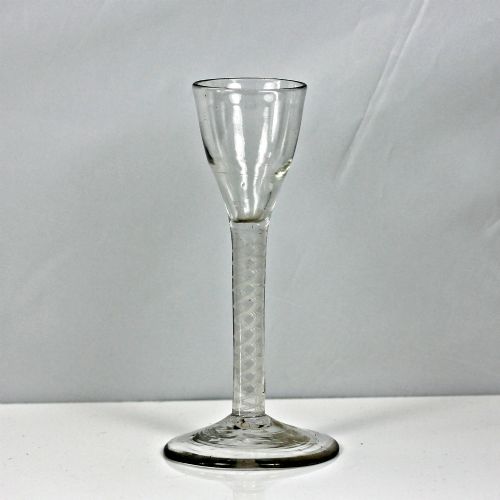
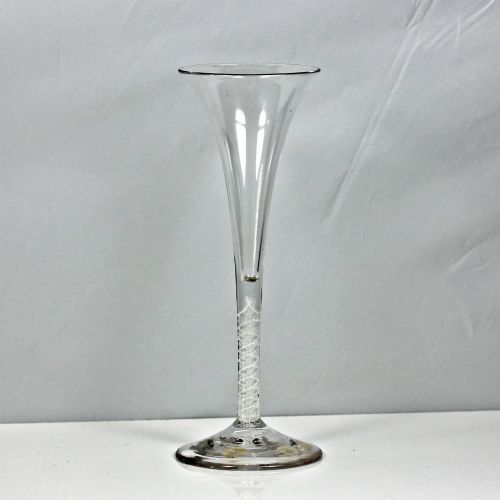
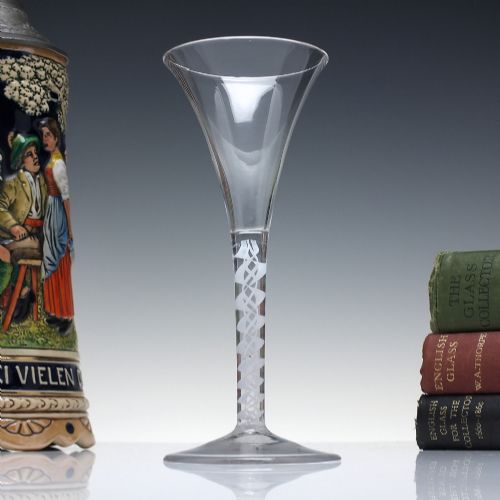
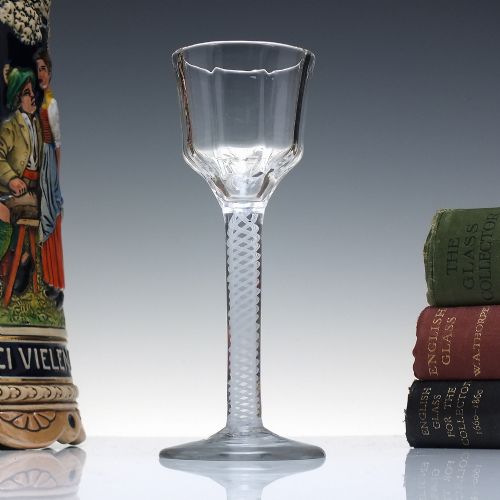
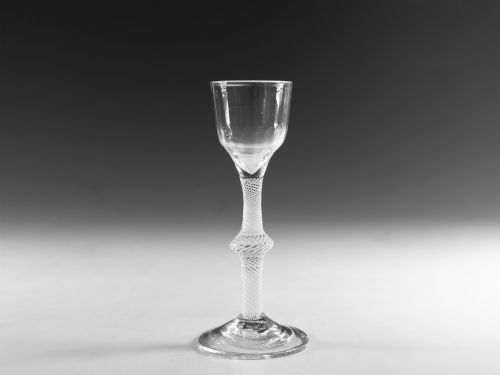
When searching for antique white wine glasses, collectors encounter a strong representation of Georgian lead glass stems alongside Victorian and later European tableware. The selection centres heavily on 18th-century English wine glasses featuring intricate opaque twists, trumpet bowls, and ogee forms.
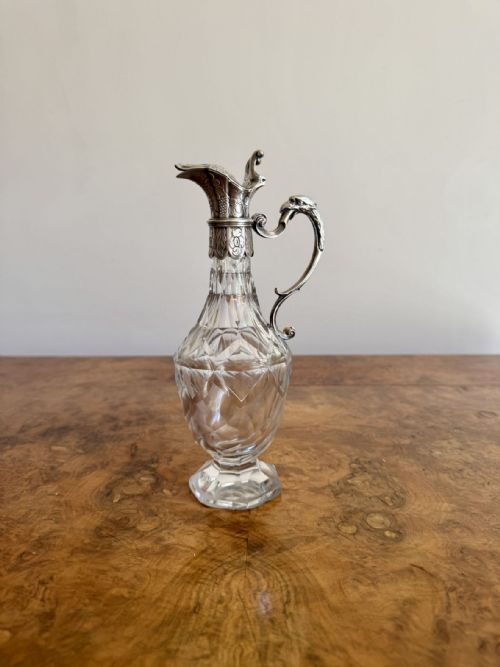
Alongside standard wine glasses, the grouping extends to cordial glasses, champagne flutes, sweetmeat glasses, and related serving pieces such as decanters, carafes, and jugs. Examples range from simple conical footed vessels to multi-knop stems and pieces with latticinio decoration.
How they were made
Additional decorative methods include flute-moulding, engravure, and latticinio work utilising white glass threads embedded within clear crystal vessels. These traditional manual operations produce the characteristic weight and optical clarity seen across the pieces.
Antique White Wine Glasses Retail Price Guide 2026
Typical asking prices for white wine glasses among the pieces listed under this phrase on Sellingantiques today, from the lower quarter to the upper quarter. They describe what is for sale here now, not the wider market.
Anti-Jacobite wine glasses carry secret political toasts hidden in their opaque twists, designed for clandestine drinkers.
What varies in quality
Quality differentiates by the complexity of the stem twist formation, such as the precision of double and multi-spiral opaque twists versus simpler single threads. The crispness of bowl moulding, including flute-moulded ogee profiles and knop construction, marks superior examples.
The clarity and brilliance of the lead glass or flint glass body, combined with the delicacy and symmetry of the foot and bowl, dictate the overall standing of each drinking glass or decanter.
St Louis Massenet·Baccarat
The Antique White Wine Glasses Glossary
- Opaque twist
- A stem decoration formed of white enamel glass threads twisted within the clear glass rod. This technique defines many English wine glasses from the 18th century.
- Ogee bowl
- An S-curve bowl profile curving out at the rim and in at the base. This shape often appears on Georgian wine glasses with ribbed moulding.
- Knop
- A decorative swelling or node on the stem of a glass. Multiple knops enhance the visual complexity of certain 18th-century stems.
- Latticinio
- Fine opaque white glass threads embedded in clear crystal in regular patterns. This decorative technique appears on Victorian jugs and carafes.
- Sweetmeat glass
- A wide-bowled vessel used for serving confectioneries or sweet wines. These pieces share period stem characteristics with standard wine glasses.
Antique White Wine Glasses: Frequently Asked Questions
How do I identify a genuine 18th-century opaque twist?
Examine the stem closely for the characteristic white enamel threads encased within clear lead glass. Eighteenth-century examples display slight irregularities in the twist pattern caused by hand-manipulation during manufacture.
Check the foot for pontil marks and general wear consistent with age. Genuine pieces also exhibit the weight and deep refractive quality typical of early English flint glass.
Can I use antique wine glasses for dining?
Many collectors use sturdy lead glass stems for special occasions, provided they receive careful hand washing. Sudden temperature changes and modern dishwashers can damage delicate antique material.
Store them securely on stable surfaces to prevent accidental knocks to the thin bowls and conical feet. Gentle handling preserves both the glass and any fine surface engraving.
What is the difference between cordial and wine glasses?
Cordial glasses feature smaller bowls designed for potent sweet liqueurs, whereas wine glasses carry larger bowls suited for table wines. Both share identical period stem constructions and decorative twists.
Proportions remain the primary indicator, with cordial vessels offering a more compact capacity and often taller, narrower proportions relative to their base.
How should I date a Georgian wine glass?
Dating relies on stylistic shifts in bowl forms, foot shapes, and stem manufacturing techniques across the Georgian era. Trumpet bowls and simple drawn stems typically point toward the earlier decades of the eighteenth century.
Opaque twists and ogee bowls became prominent around the mid-18th century. Comparing the piece against known dated examples helps narrow its decade of origin.