


Antique Whisky Glass
An antique whisky glass brings tangible weight and historic character to a dram, connecting the modern drinker directly to centuries of spirit heritage.
Antique Whisky Glass
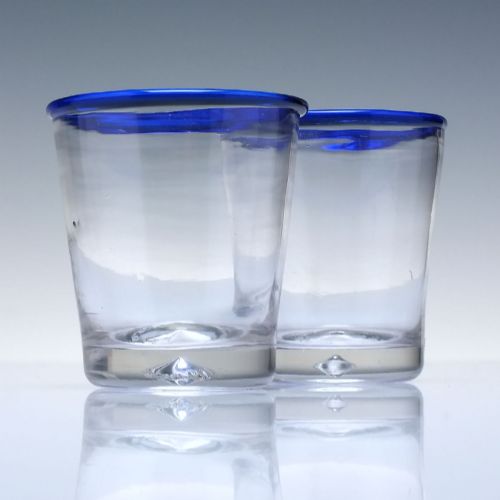
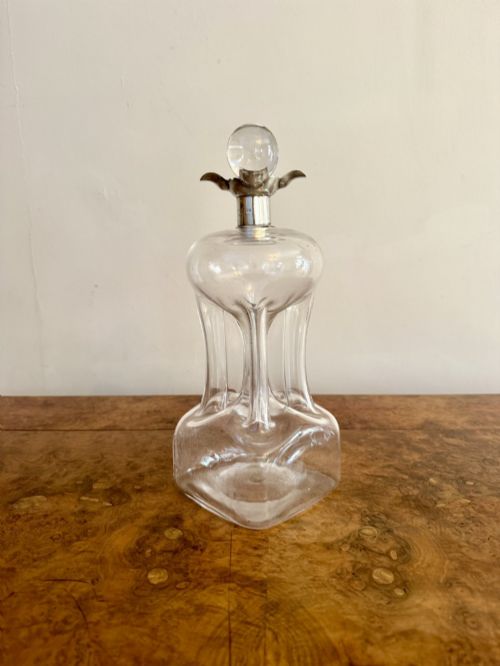
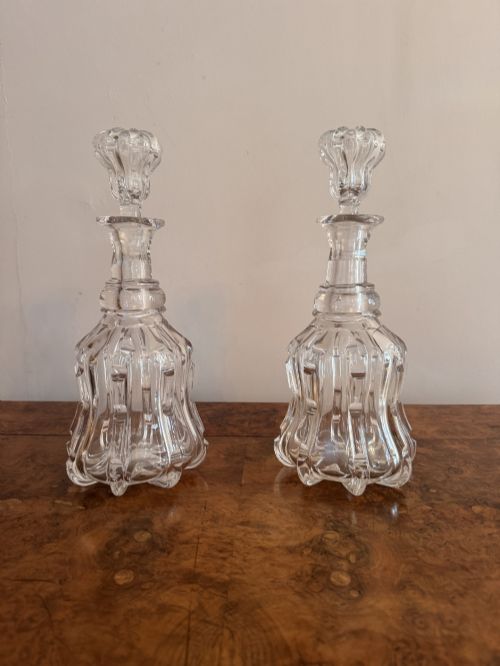
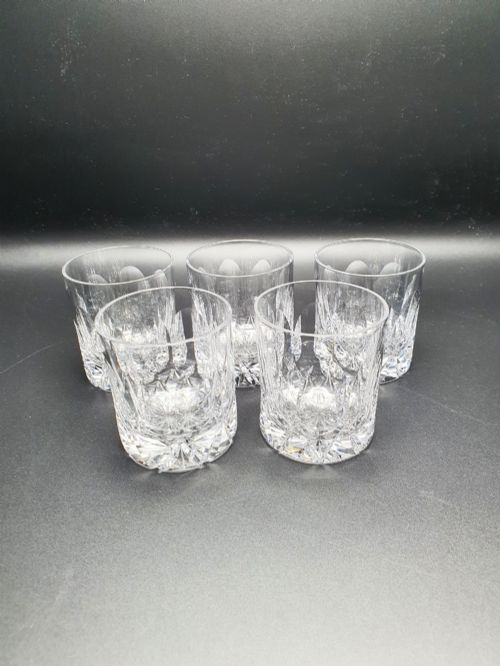
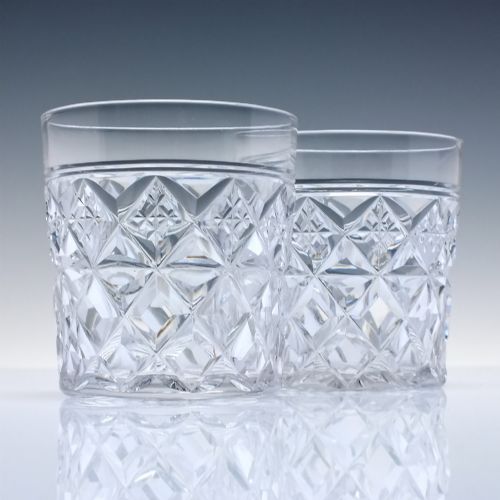
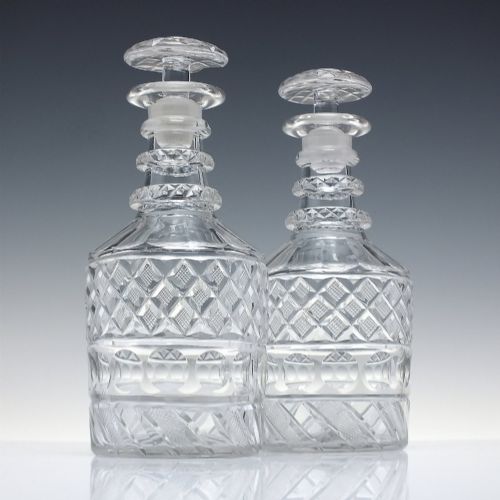
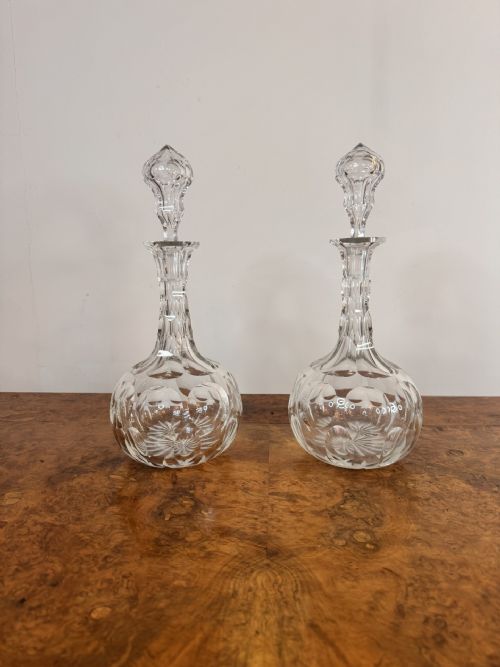
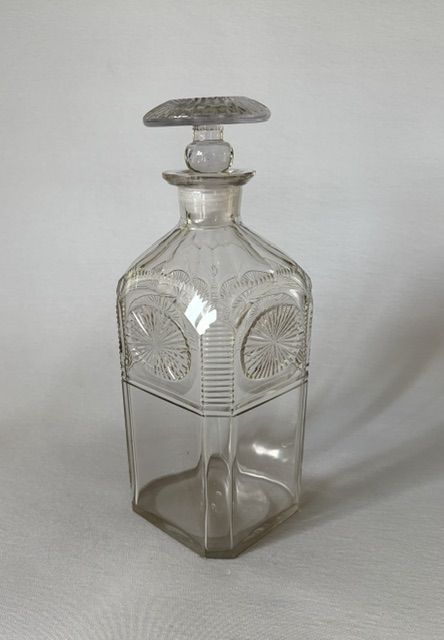
When searching for an antique whisky glass, collectors encounter several distinct forms spanning the Georgian, Victorian, and Edwardian eras. The selection ranges from small ships dram glasses and heavy cut glass tumblers to silver-mounted noggins and square-section decanters.
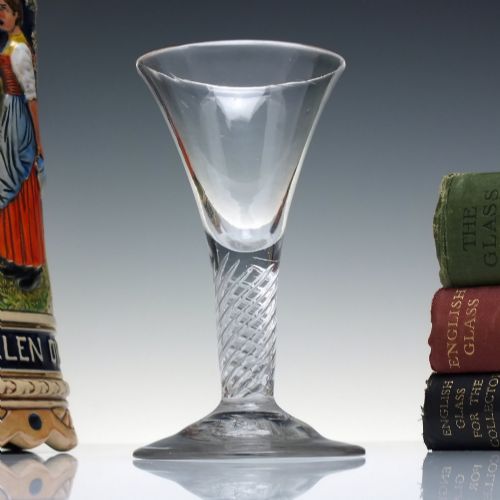
Earlier Georgian examples often include air twist stems and folded feet, whereas Victorian and Edwardian pieces lean towards sturdy cut crystal tumblers and fitted tantalus sets. Each period brings specific drinking vessels designed for serving and savouring spirits.
The material record shows a clear progression from early hand-blown lead glass to precise brilliant-cut crystal. Tumblers and dram glasses dominate the smaller drinking vessels, while decanters and noggins represent the serving ware of the past.
Materials and construction
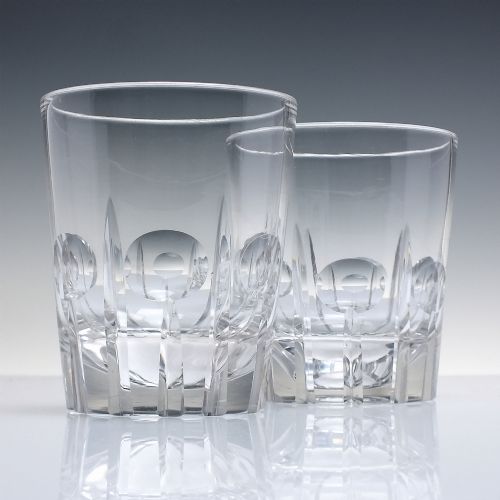
Glassmaking techniques rely heavily on lead crystal and cut glass, utilising deep wheel-cutting to create geometric facets that catch the light. Early pieces demonstrate free-blown and mould-blown methods, sometimes incorporating air twists within the stem.
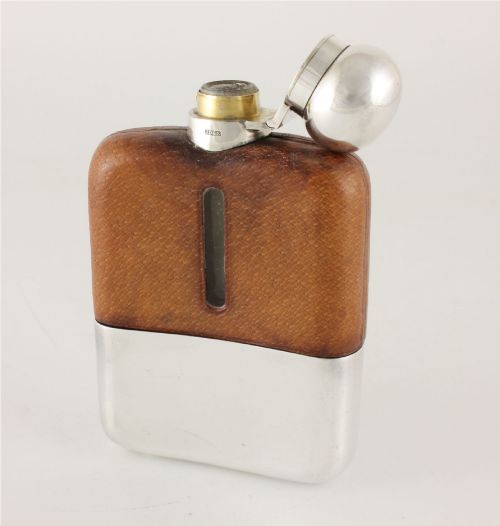
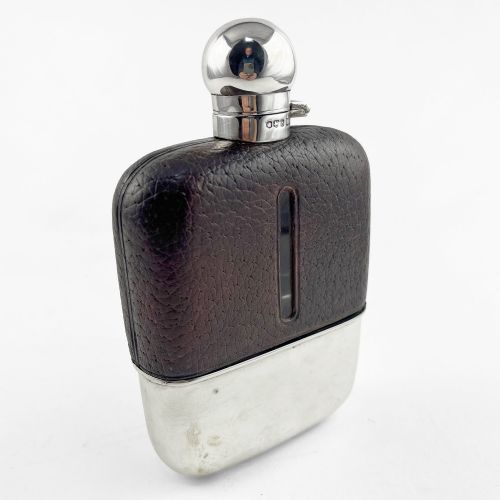
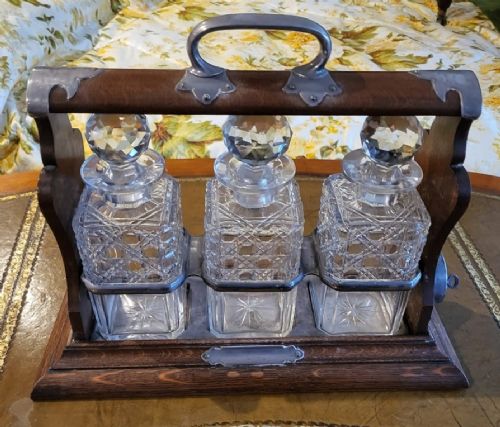
Metal mounts frequently accompany these glass vessels, utilising sterling silver and silver plate for collars, labels, and hinged lids. Oak, coromandel, and satinwood provide the structural housing for tantalus sets and games compendiums.
Antique Whisky Glass Retail Price Guide 2026
Typical asking prices for whisky glass among the pieces listed under this phrase on Sellingantiques today, from the lower quarter to the upper quarter. They describe what is for sale here now, not the wider market.
Nineteenth-century drinkers sometimes utilised locking wooden tantalus frames to safely guard their scotch from thirsty household staff.
Distinctions in quality
Quality rests upon the clarity of the metal, the precision of the wheel-cut facets, and the weight of the crystal. Superior items demonstrate sharp, clean facet edges and balanced proportions without cloudiness in the material.
The integration of precious metals, such as hallmarked sterling silver collars and fitted labels, elevates the execution. Maker marks from established workshops further distinguish finer examples from standard domestic ware.
James Dixon·Walker & Hall·Stuart Crystal·Betjemann
The Antique Whisky Glass Glossary
- Air twist
- A decorative stem formation containing an elongated spiral of tiny air bubbles created during the glassblowing process. This technique is typical of mid-eighteenth-century drinking vessels.
- Tantalus
- A locking wooden frame designed to secure decanters of spirits and prevent unauthorised access while displaying the contents. They frequently incorporate oak or coromandel with silver-plated mechanisms.
- Noggin
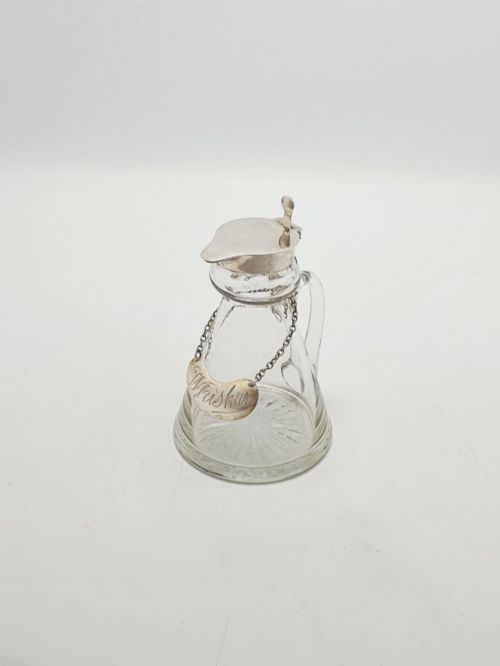
- A small vessel or jug utilised for holding a measured portion of spirits, often fitted with a sterling silver collar and a matching label. These pieces typically accompany a specific decanter set.
- Dram glass
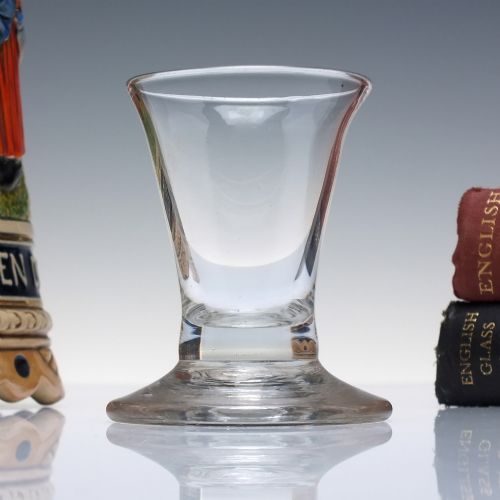
- A small glass designed for holding a single measure of whisky or spirits. Eighteenth-century versions often feature thick folded feet and engraved or enamelled bowls.
- Lead crystal
- A heavy type of glass containing lead oxide, which increases brilliance, density, and refractive index. It allows for deep, sharp cutting patterns.
Antique Whisky Glass: Frequently Asked Questions
How do I date an antique whisky glass?
Dating relies on stylistic clues, manufacturing techniques, and material composition. Georgian pieces often display pontil marks and air twists, while Victorian and Edwardian items show heavier machine or deep hand-cutting.
Associated hardware, such as silver hallmarks with specific date letters, provides precise verification for mounted items like noggins and decanter collars.
What is the difference between a noggin and a decanter?
A decanter is a large vessel intended to hold an entire bottle of spirit for general table service. It usually pairs with matching tumblers or forms part of a tantalus set.
A noggin is a smaller, individual pouring jug equipped with a handle and a spout, designed for personal use alongside a labeled spirit measure.
Are antique whisky glasses safe to use?
Most antique glass is robust enough for occasional modern use, provided it is handled with care. Lead crystal should not be used to store acidic liquids for prolonged periods.
Hand washing in warm water is essential to preserve the historical glass and any delicate silver mounts or engravings.
What defines a tantalus?
A tantalus is a locking cabinet or frame that holds several decanters in place, exposing the bottles while preventing the removal of the stoppers. This ingenious device allowed hosts to lock away their spirits from servants or guests.
Typically constructed from figured oak, coromandel, or satinwood, they often feature brass or silver-plated locking bars.