





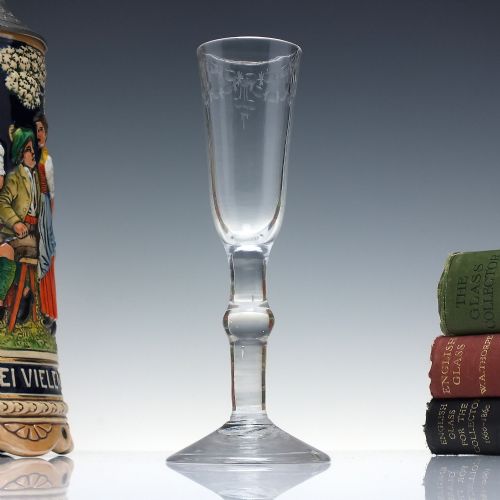


C1750 Georgian Glassware
These c1750 georgian glassware pieces are authentic mid-eighteenth-century drinking vessels and table items that bring genuine domestic history to a modern table.
C1750 Georgian Glassware
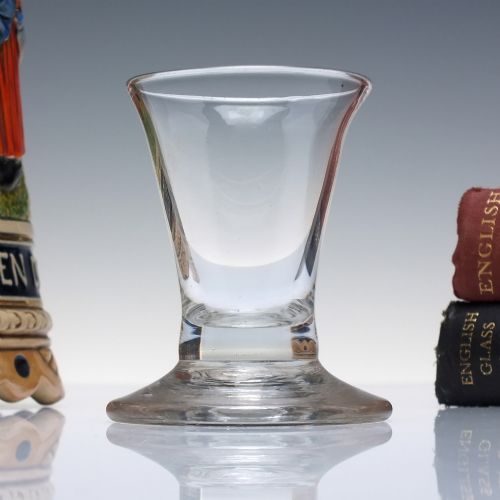
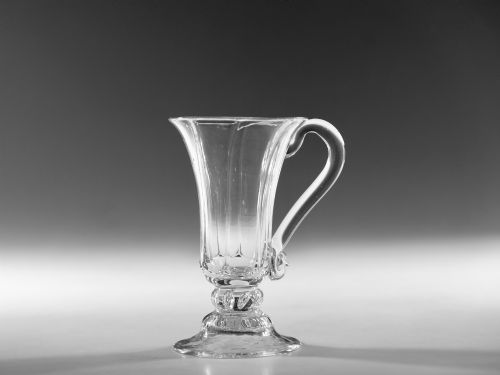
When you search for c1750 georgian glassware, you encounter drinking vessels and table items originating from the mid-eighteenth century. These forms include wine glasses, dram glasses, ale glasses, goblets, jelly glasses, cordial glasses, ratafia glasses, and decanters. The pieces belong to the Georgian and eighteenth-century periods.
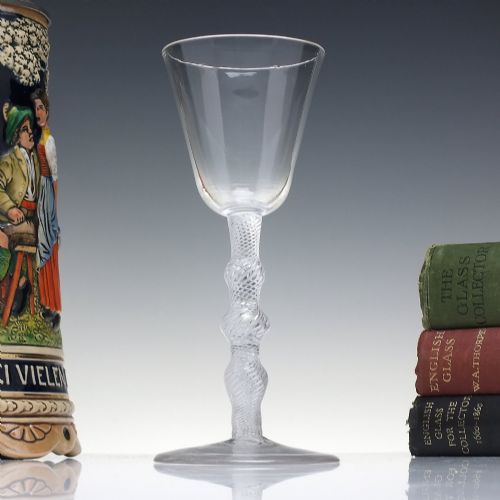
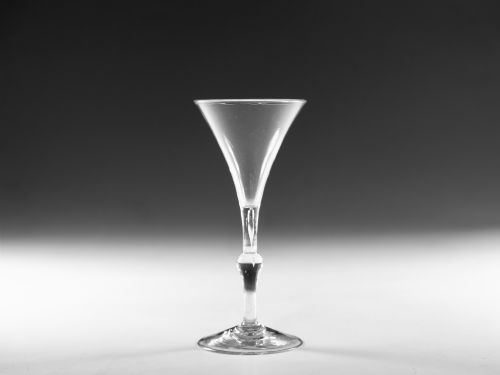
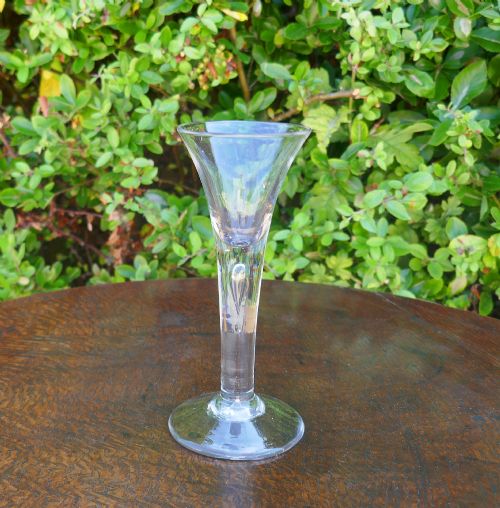
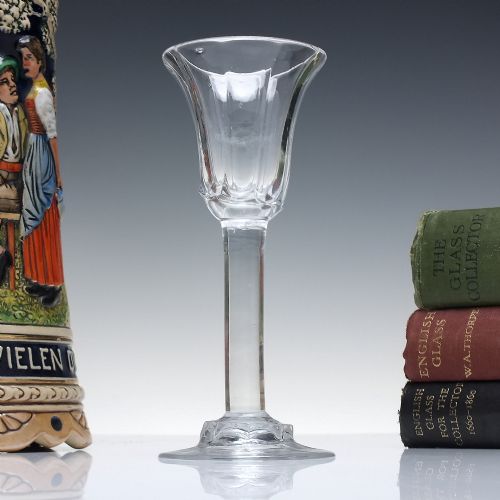
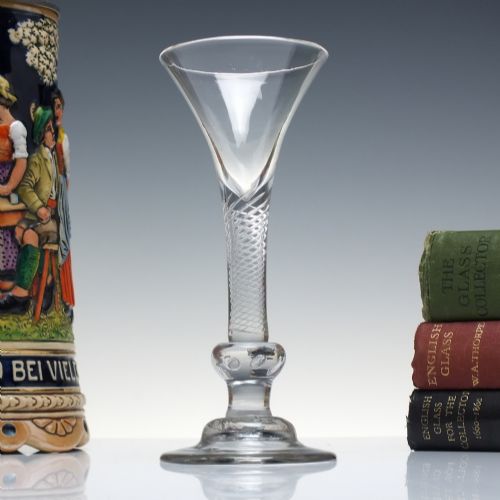
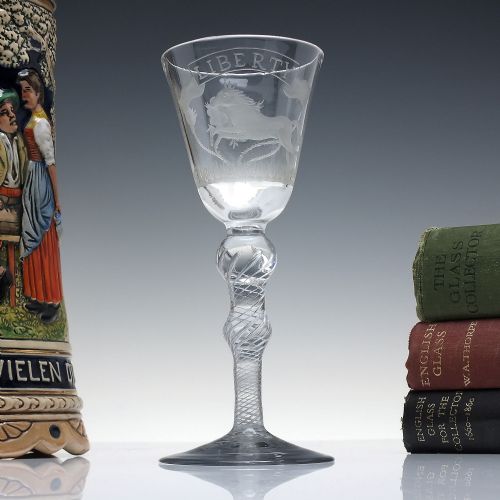
The most common versions met on this page are wine glasses featuring specific stem formations such as air twists, mercury twists, composite stems, and plain stems. Alongside these, buyers find moulded jelly glasses, decanters, and occasional engraved presentation pieces.
English origin dominates the selection, reflecting the manufacturing output of the period. Forms range from tall trumpet bowls and inverted petal moulding to shaft and globe decanters and domed feet.
How they were made
Makers utilised lead glass, lead crystal, clear glass, flint glass, and clear lead glass to form these vessels. The introduction of lead oxide into the metal produced a heavier, more brilliant material capable of holding finer optical clarity than earlier soda glass.
Techniques varied by vessel type, employing mould-blowing for panel-moulded and inverted petal forms, and manual drawing for stems. Twists within stems were created by manipulating entrapped air bubbles or threads within the molten metal before drawing and shaping.
C1750 Georgian Glassware Retail Price Guide 2026
Typical asking prices for c1750 georgian glassware among the pieces listed under this phrase on Sellingantiques today, from the lower quarter to the upper quarter. They describe what is for sale here now, not the wider market.
Several glasses conceal deliberate air bubbles in their stems, giving eighteenth-century drinkers a tiny trapped pocket of atmosphere to ponder.
What varies in quality
The distinction between tiers rests upon the complexity of the stem formation and the crispness of any moulding or engraving. Plain stems sit at the simpler end of the scale, whilst composite stems, mercury twists, and intricate wheel-engravings demand higher technical skill from the glassblower.
Proportion and foot formation also define the standard of a piece, with domed feet and balanced bowl-to-stem ratios representing superior execution. The clarity of the lead metal and the absence of distracting surface flaws elevate the visual merit of an item.
The C1750 Georgian Glassware Glossary
- Air Twist
- A stem formation containing elongated spiral air bubbles trapped inside the glass. These threads are created by drawing out a gathering of glass punctured with air channels.
- Mercury Twist
- A stem variation featuring an internal silver-like thread resembling mercury. It is technically an air twist filled with opaque white enamel or created through a specific optical illusion.
- Ratafia Glass
- A narrow, slender glass designed for sweet fruit liqueurs or cordials. The bowl is typically small and the stem often incorporates balustroid or knop elements.
- Panel Moulded
- A vessel surface decorated with vertical or diagonal raised panels. This effect is achieved by blowing the molten glass into a ribbed or patterned metal or wooden dip mould.
C1750 Georgian Glassware: Frequently Asked Questions
How do I use c1750 georgian glassware today?
These historical vessels can still hold drinks for special occasions or display on a cabinet shelf. Their tactile weight and historical presence suit careful modern use.
Hand washing in lukewarm water without harsh detergents protects the fragile historic metal from thermal shock and chemical clouding.
How do I identify a jelly glass?
Jelly glasses are small, open-topped vessels often featuring panel moulding or handles. They served custards and jellies on eighteenth-century dining tables.
Their short stems and stable bases distinguished them from tall drinking glasses meant for hand-held toasts.
What is a shaft and globe decanter?
A shaft and globe decanter is an early form of wine bottle featuring a globular body and a long, tapering neck. They held wine at the table before pouring.
These pieces often display pontil marks on the base where the glassmaker snapped the iron rod after blowing.