



Antique Watercolour on Paper
When searching for an antique watercolour on paper, you enter a world of pigment, wash and delicate support spanning the nineteenth and twentieth centuries.
Antique Watercolour on Paper
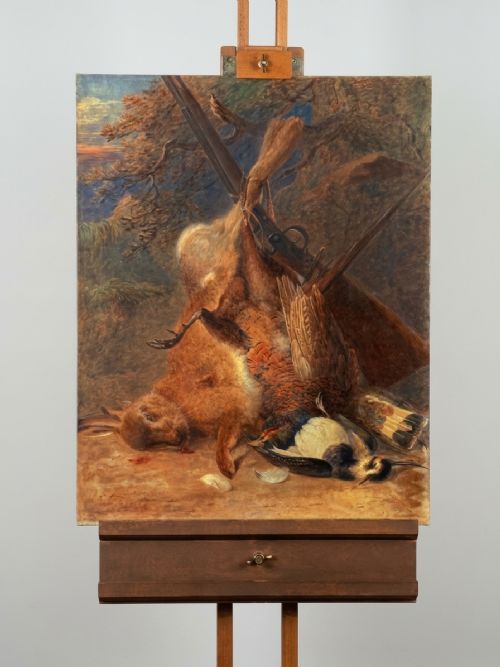
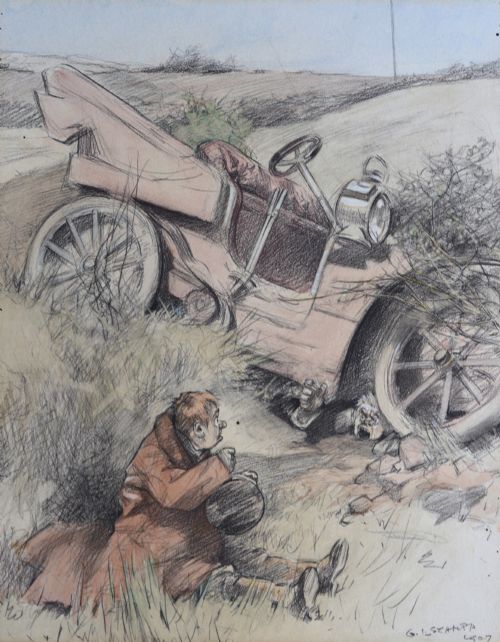
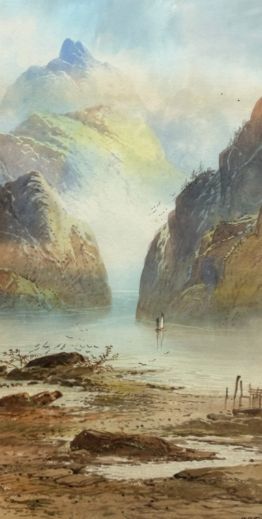
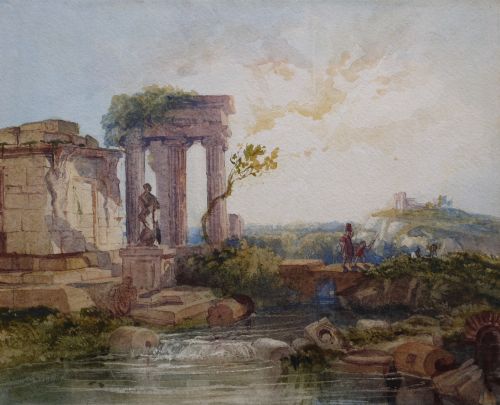
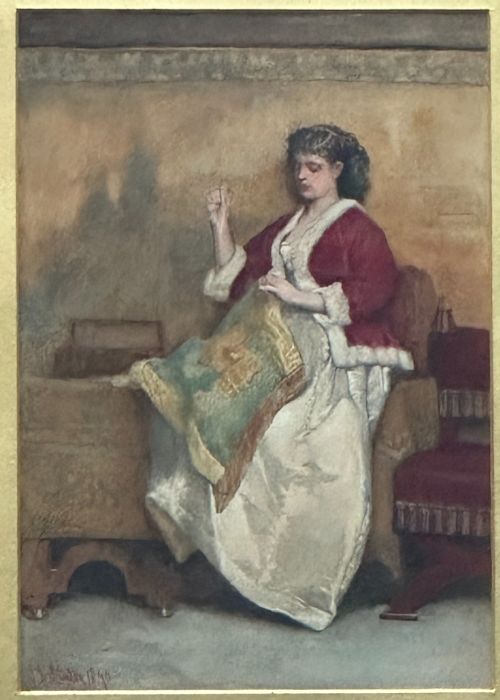
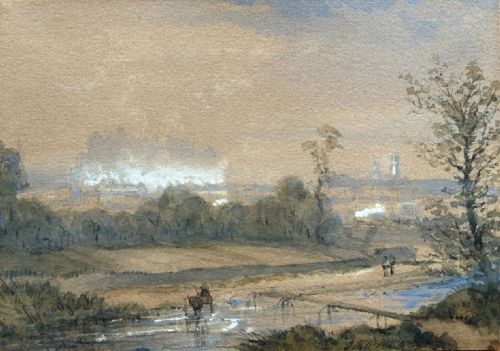
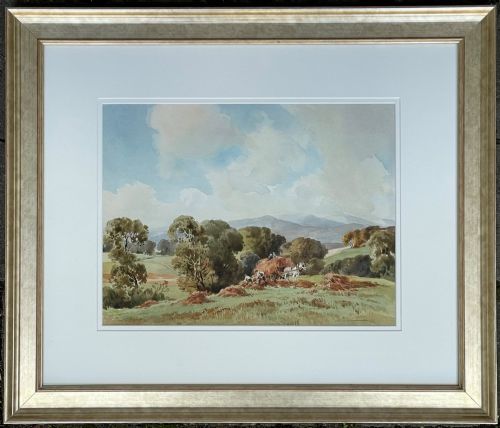
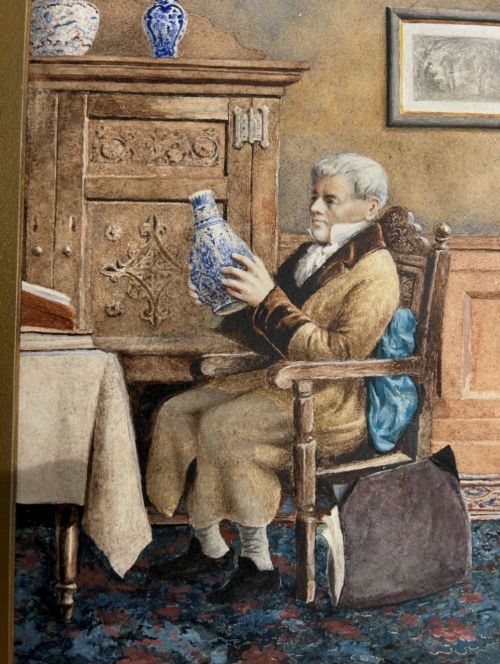
When hunting for an antique watercolour on paper, you encounter works spanning the nineteenth and twentieth centuries, encompassing periods from the Georgian and Regency eras through the Victorian, Edwardian, and later decades up to nineteen-forty. These pieces manifest as framed artwork, wall art, and fine paintings depicting landscapes, maritime scenes, townscapes, and portraits.
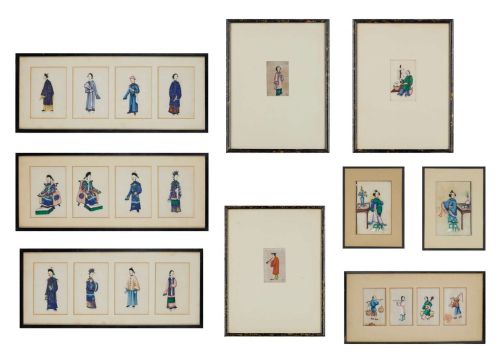
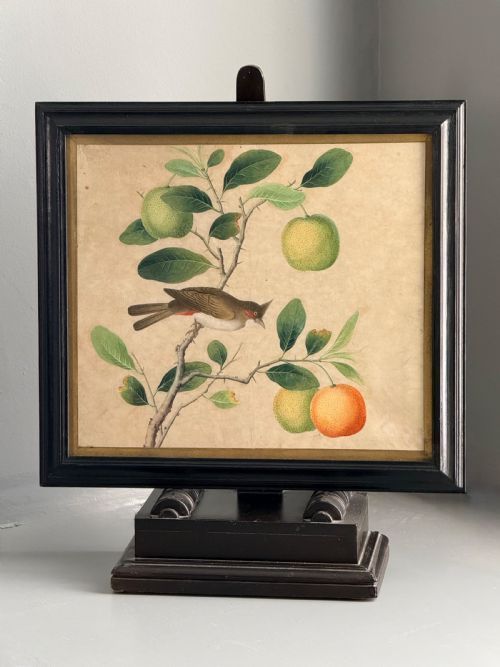
The selections available range from British topographical sketches and coastal views to Chinese export gouache paintings on pith paper. You meet both signed exhibition pieces by named artists and anonymous works reflecting the broader output of British and European schools.
How They Were Made
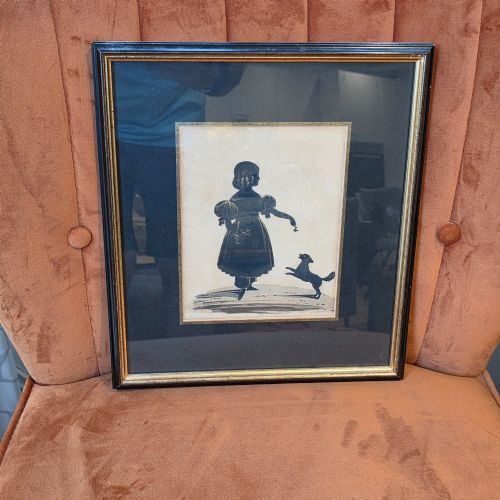
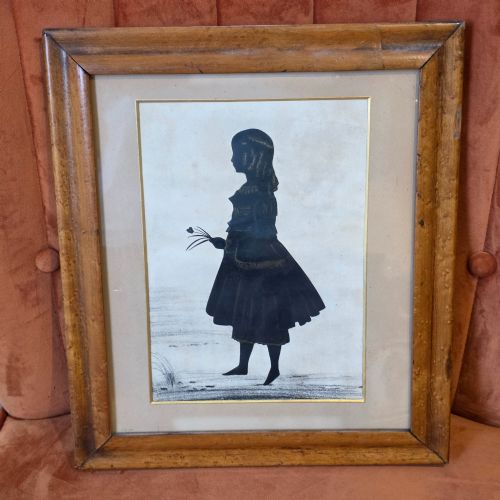
The makers utilised watercolour pigment, bodycolour, ink, gouache, and glass, applying media to various supports including paper, laid paper, buff paper, and pith paper. Technique often involved fluid washes combined with detailed ink and wash work or cut-paper silhouettes.
Many works were framed to protect the fragile paper support from environmental damage, while others served practical or commercial functions such as nineteenth-century wallpaper designs produced for London firms.
Listings feature works from the nineteenth and twentieth centuries, utilising paper, pith paper, watercolour pigment, ink, and gouache.
What Varies in Quality
Quality in these works rests upon the surety of the brushwork, the handling of light and atmospheric perspective, and the preservation of the pigment against fading. A master hand achieves depth and movement with minimal washes, whereas lesser work relies on heavy, laboured application.
The condition of the paper support and the vibrancy of the remaining colour also dictate the stature of a piece. Intact provenance and a clear attribution to a skilled practitioner elevate an item above standard decorative output.
William James Hubard·George Sydney Shepherd·George Lorain Stampa·James Orrock·William Henry Earp·Richard Principal Leitch·Sir James Dromgole Linton·John R Prentice·Thomas Ellison·Alfred Young Nutt·Percy Lancaster·James Smetham·A Marie Parsons·John McDougal·Thomas John Horsley·James E Aitken·William Joseph Boyes·Frank Watson Wood·Henry Silkstone Hopwood·Muriel Metcalfe·Frank William Scarbrough·John Smith Atherton·Th Thibault·Hector Caffieri·Richard Henry Wright
The Antique Watercolour on Paper Glossary
- Bodycolour
- Watercolour pigment mixed with white to form an opaque medium, also known as gouache. This technique allows for highlights that sit above the translucent wash.
- Pith paper
- A delicate material formed from the cellular tissue of the tetrapanax papyrifer plant, commonly used in nineteenth-century Chinese export paintings. It yields a velvety surface that absorbs water-based pigments uniquely.
- Laid paper
- Paper showing parallel wire lines and crosslines from the mould during handmade production. It provides a textured, durable surface valued in earlier works.
- Grisaille
- Painting executed entirely in monochrome shades of grey, typically to imitate sculpture or to create a preparatory tonal study.
- Silhouette
- A portrait profile cut from dark paper or filled in with solid ink. This shadow-like form gained immense popularity during the Regency period.
Antique Watercolour on Paper: Frequently Asked Questions
How do I care for antique watercolours?
Keep watercolours away from direct sunlight to prevent the pigments from fading and the paper from yellowing. Framing with conservation-grade glass and acid-free mounts safeguards the delicate paper support from humidity and atmospheric pollutants.
Were these always framed originally?
Many watercolours were kept in portfolios or sketchbooks by their creators rather than hung immediately on walls. Consequently, framing often occurred later in a piece's history to protect the paper from handling and environmental wear.
How do I identify the period of a painting?
Examine the paper type, the clothing and hairstyles of any figures depicted, and the framing style. Signatures, dates inscribed on the mount or reverse, and stylistic markers such as Victorian realism or Edwardian impressionism offer further chronological clues.
What is pith paper?
Pith paper is a fragile, spongy material cut from plant stems in southern China and used extensively during the nineteenth century for export paintings. It holds gouache and watercolour with a characteristic velvety depth.