



Botanical Illustration Painting
Botanical illustration painting brings accurate natural study into the home, offering delicate floral and faunal detail on paper.
Botanical Illustration Painting
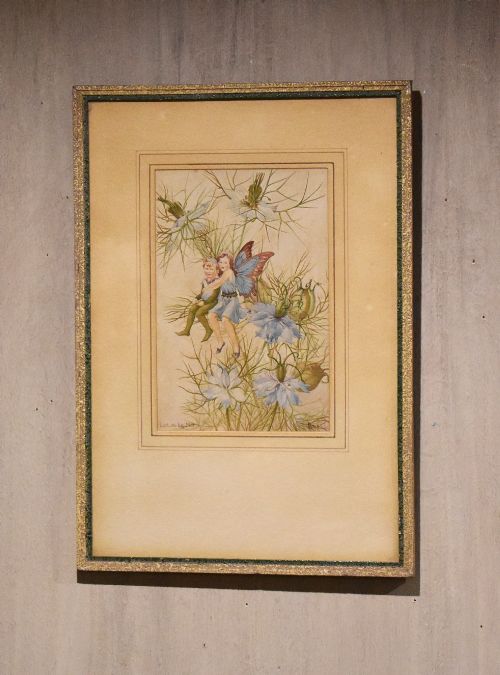
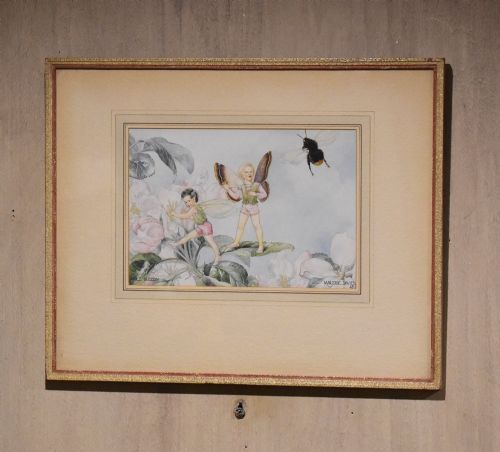
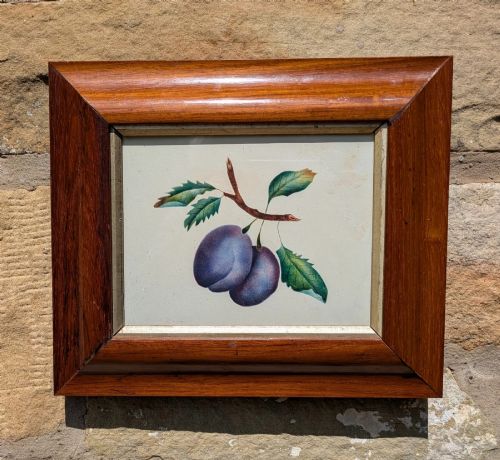
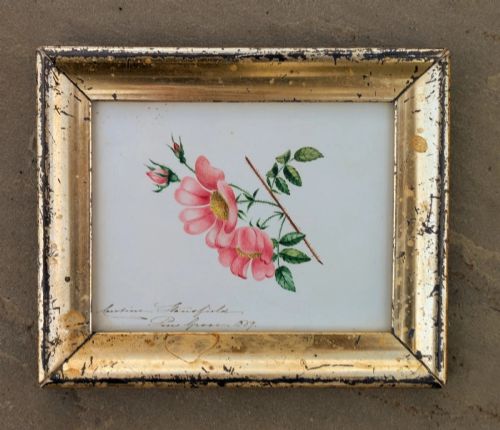
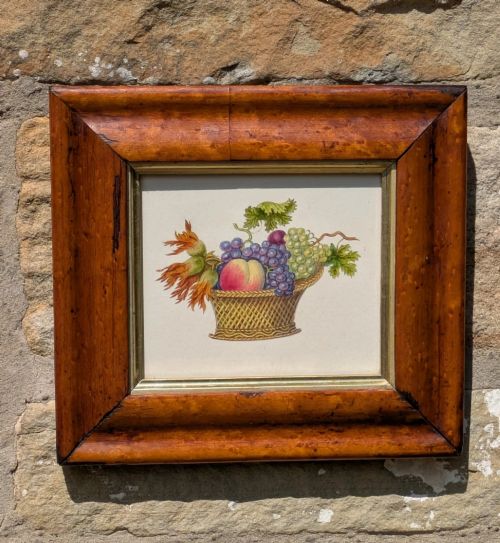
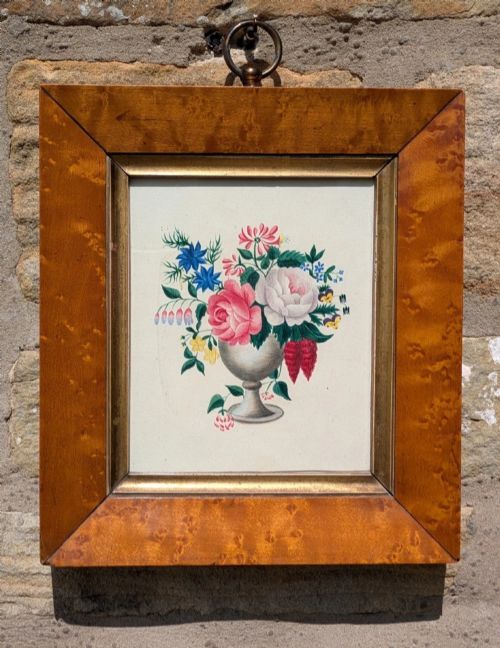
A botanical illustration painting captures flowers, fruit, and natural specimens with scientific observation and artistic precision. These works range from Regency fruit studies and Victorian floral still lifes to later twentieth-century studies.
Buyers encounter framed watercolours and gouache works on paper, often presented in period wood or gilt frames. Many pieces originate from nineteenth-century English and continental schools, alongside works by named botanical artists.
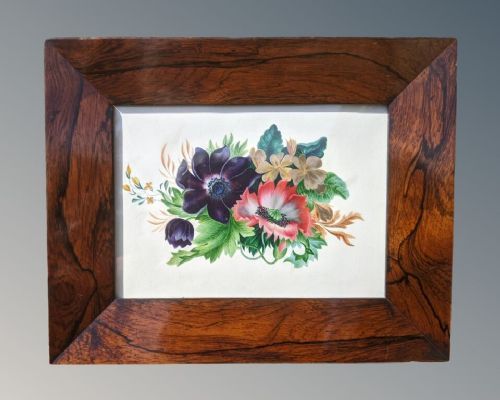
The selection includes individual flower studies, pairs, and sets of natural history watercolours. Subjects extend from garden roses and pelargoniums to exotic birds and greenhouse scenes like Kew Gardens.
Materials and technique
These works rely primarily on watercolour pigment and gouache applied to paper, occasionally combined with pencil underdrawing. Artists built up transparent washes for petals and opaque gouache for denser foliage or highlights.
Framing materials reflect the period of production, utilising rosewood, wood, gilt wood, and glass to protect the delicate painted surface. Engravings after established botanical painters also appear, hand-coloured to mimic original watercolours.
Botanical Illustration Painting Retail Price Guide 2026
Typical asking prices for botanical illustration painting among the pieces listed under this phrase on Sellingantiques today, from the lower quarter to the upper quarter. They describe what is for sale here now, not the wider market.
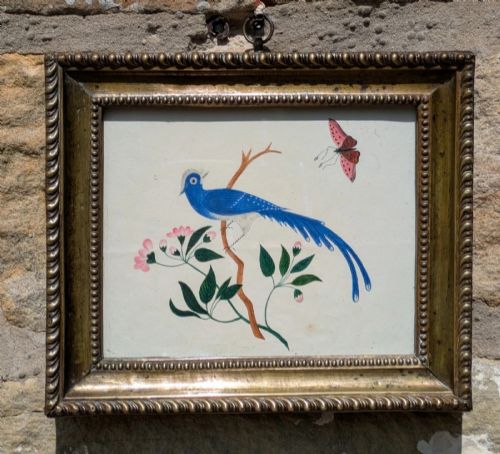
Several botanical studies include unexpected avian companions, featuring exotic blue birds, macaws, and butterflies sharing space with the floral arrangements.
Judging quality
Quality rests on the precision of the brushwork and the botanical accuracy of the subject matter. Finer watercolours display delicate gradations of tone in petals and leaves without muddy colour mixing.
The skill of the composition and the preservation of the paper support elevate a piece. Original period framing and clear attribution to a skilled hand or school add distinction to individual works.
William Andrews Nesfield·Henrietta Creswell·William Hough·Jabez Bligh·Charlotte Isa James·Alice Macallan Swan·Annie Mary Youngman·Edith Alice Andrews·John Sherrin·Pierre-Joseph Redouté·Minnie Smythe
The Botanical Illustration Painting Glossary
- Gouache
- An opaque water-based paint that provides solid colour and dense highlights. It is frequently combined with transparent watercolour in botanical studies to create depth.
- Regency
- A stylistic period spanning the early nineteenth century. Pieces from this era often feature refined botanical accuracy and restrained framing.
- Watercolour
- A paint consisting of pigment suspended in a water-soluble vehicle. It forms the primary medium for the delicate washes seen in natural history studies.
- Still life
- A painting featuring inanimate subject matter, such as cut flowers in jugs, baskets of fruit, or bird nests. These compositions dominate nineteenth-century botanical art.
Botanical Illustration Painting: Frequently Asked Questions
How should I hang botanical watercolours?
Keep watercolours away from direct sunlight to prevent the pigments from fading over time. Direct light damages delicate paper and washes permanently.
Use UV-filtering glass and professional framing to protect the paper from moisture and environmental changes in your home.
How do I identify a nineteenth-century piece?
Examine the paper type, framing materials, and handwriting on the reverse or mount. Nineteenth-century works often use hand-laid or early machine-made paper stock.
Stylistic cues such as Victorian botanical naturalism or Regency palette choices also help confirm the period of execution.
What is the difference between watercolour and gouache?
Watercolour relies on transparent pigments that allow the white of the paper to shine through. This creates luminous, glowing botanical petals.
Gouaches contain an added white pigment that makes the paint opaque, allowing artists to build solid areas of colour and sharp highlights.
Are these paintings original works?
The selection includes unique hand-painted watercolours and gouaches created directly by artists and botanical illustrators. Each brushstroke is specific to that individual sheet of paper.
Some listings also feature hand-coloured historical engravings published in contemporary botanical periodicals and herbariums.