


Antique Washing Pitcher
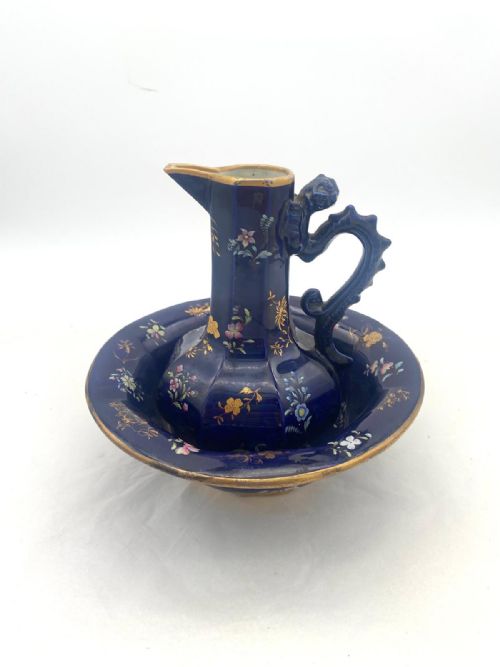
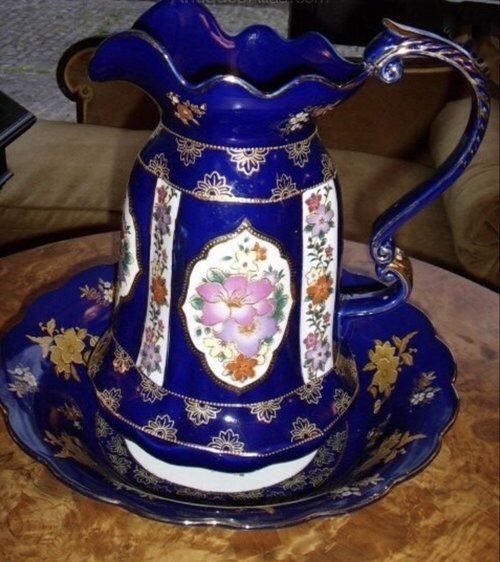
An antique washing pitcher stands ready to anchor a wash set or washstand set.
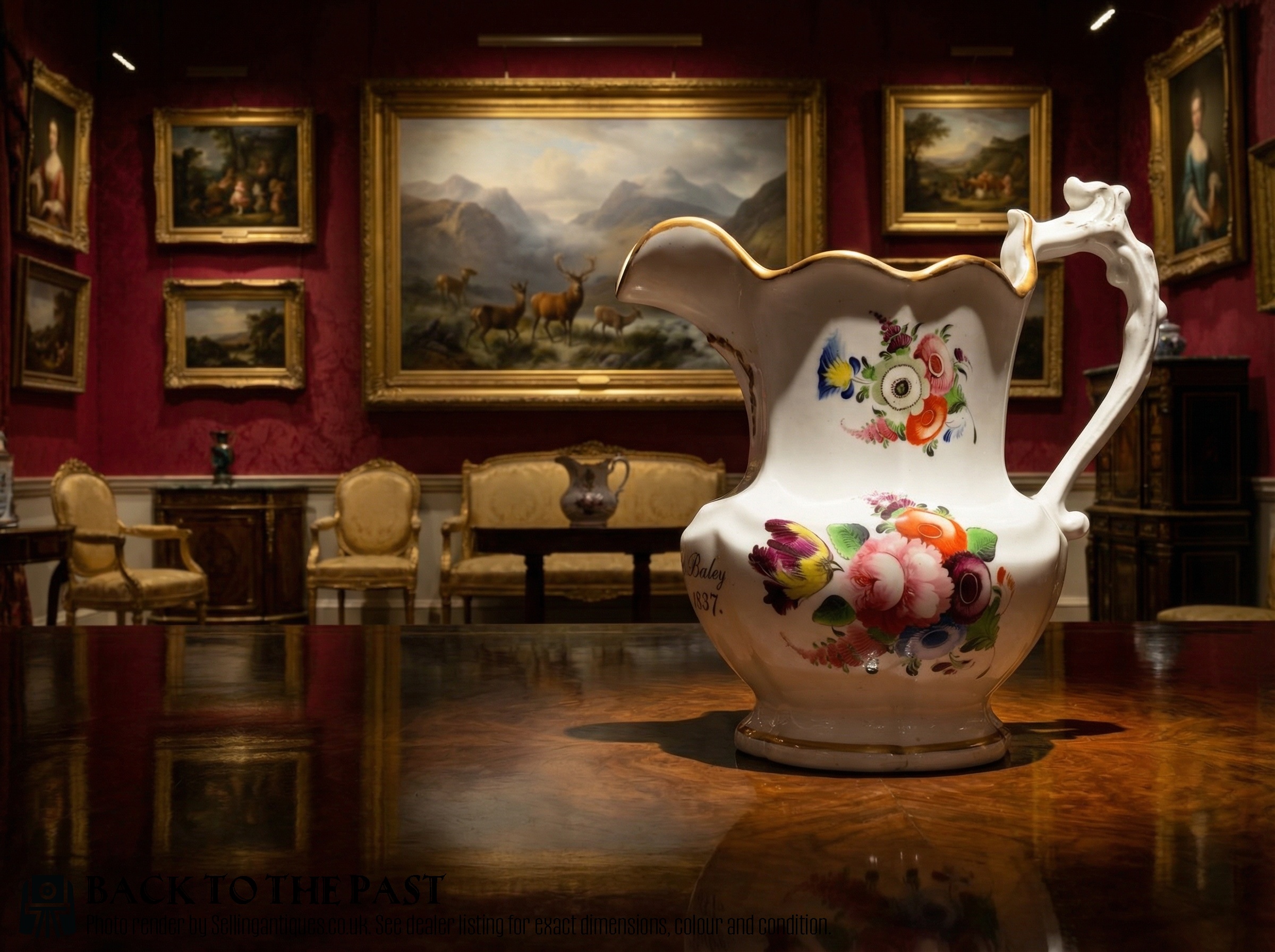
Antique Washing Pitcher
An antique washing pitcher is the central vessel of a wash set, designed for personal ablutions before indoor plumbing became universal in bedrooms. Buyers searching this phrase encounter large ceramic, porcelain, earthenware, ironstone and glass jugs meant to hold water alongside matching basins.
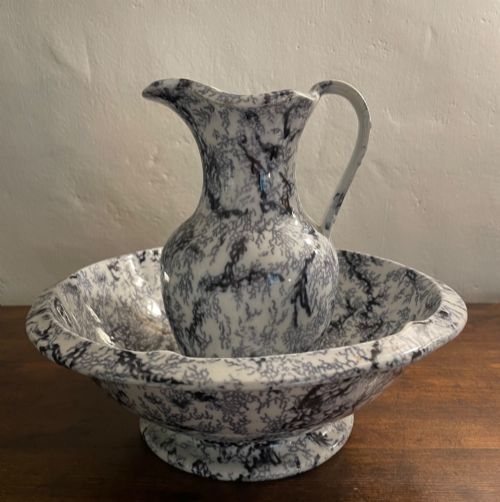
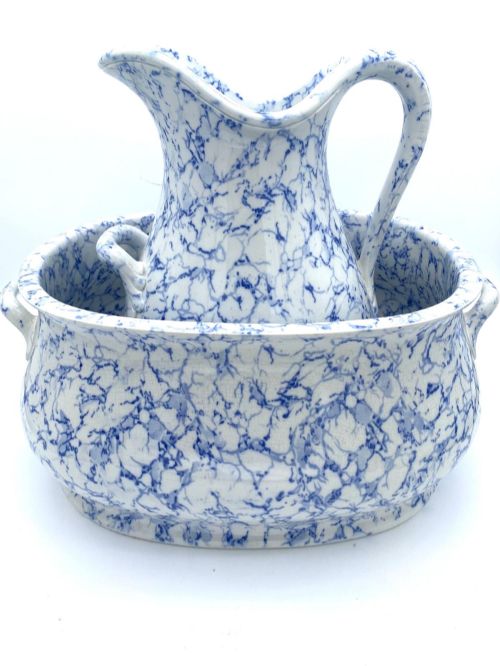
The pieces on this page span from the Georgian and early nineteenth century periods through the Victorian and Edwardian eras up to the nineteen-thirties. Most examples appear as part of complete jug and bowl sets or washstand sets, often rendered in blue and white transfer print or marble patterns.
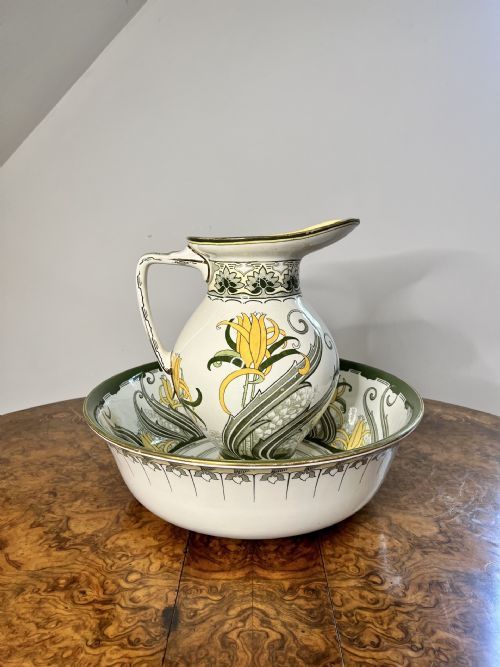
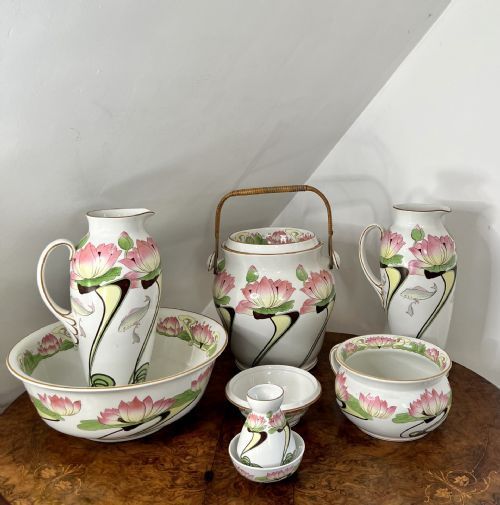
Forms range from standard water jugs and large one-gallon pottery vessels to miniature sets and occasional silver plate or cranberry glass versions. Styles shift from early nineteenth century transfer printing to Victorian Chinoiserie, Aesthetic Movement, and later Art Nouveau designs.
How they were made
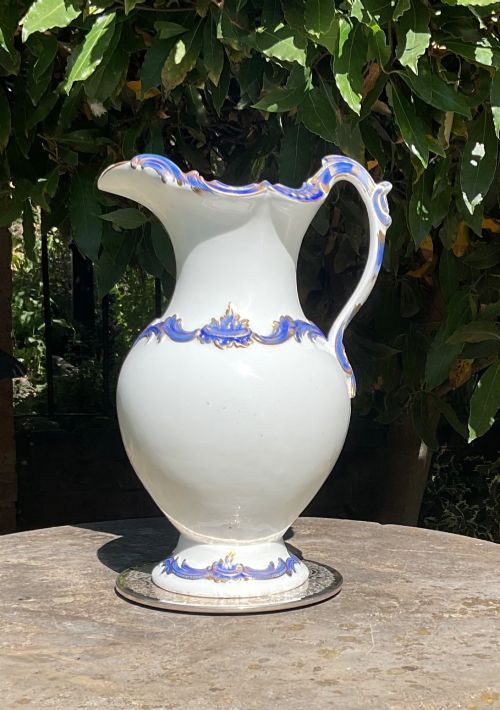
Potters shaped these pitchers from earthenware, ironstone and porcelain, applying glazes and cobalt blue transfer printing beneath the surface. Many vessels received hand-painted details or gold leaf and gilt highlights over the fired body.
Makers utilised specialised ceramic moulding techniques to produce octagonal bodies, heavy footbath jugs, and large basins. Glass and silver plate versions required entirely different workshops, employing hot glass blowing or metal plating methods.
Listings span the Georgian, Victorian, and Edwardian periods, utilising earthenware, ironstone, porcelain, glass, and silver plate.
What varies in quality
The distinction between standard utility ware and top-tier pieces rests on the crispness of the transfer print and the complexity of the ceramic body. Ironstone and fine porcelain examples display sharper moulding and more durable glazes than basic earthenware.
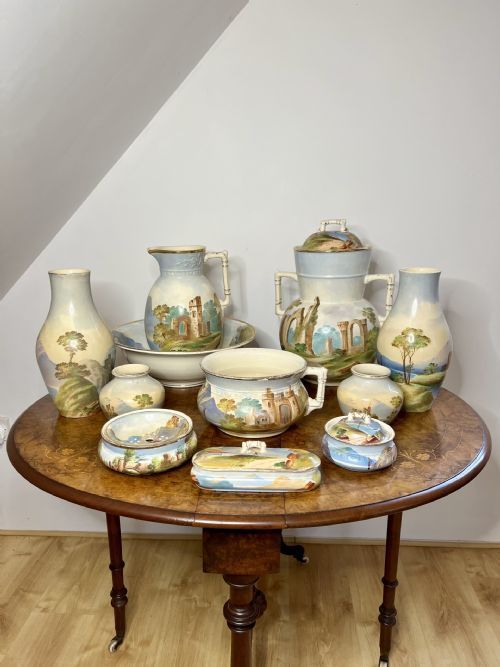
Design ambition separates everyday chamberware from exceptional output, seen in multi-piece bathroom sets, unusual octagonal forms, and distinctive decorative motifs like marble patterns or floral transfers. The presence of well-known pottery marks elevates certain vessels above unmarked utility pieces.
Minton·Masons Ironstone·Doulton Burslem·Mark Jones And Sons·Shelley·Christofle
The Antique Washing Pitcher Glossary
- Ironstone
- A heavy, durable type of earthenware patented in the nineteenth century. It resists chipping better than standard pottery.
- Transfer print
- A decorative technique where an engraved copper plate transfers a design onto paper and then onto unglazed ceramic. This method allowed intricate blue and white patterns to be mass-produced.
- Wash set
- A matching group of ceramic vessels for the bedroom, typically comprising a large water jug and a basin. Additional pieces often included soap dishes and chamber pots.
- Flow blue
- A style of cobalt blue transferware where the blue colour intentionally bleeds into the white glaze during firing. This creates a soft, hazy appearance across the pattern.
- Footbath
- A deep, wide vessel shaped like a tub, used for soaking feet before the widespread use of fitted bathrooms.
Antique Washing Pitcher: Frequently Asked Questions
What is an antique washing pitcher?
An antique washing pitcher is a large ceramic or glass jug made to hold washing water for a bedroom washstand. These vessels were paired with matching basins before running water became standard.
They appear in various styles from the Georgian period through the Edwardian era, often decorated with floral designs or blue and white transfer prints.
How were wash sets used?
Wash sets were placed on wooden washstands in bedrooms to facilitate morning and evening washing. Water was poured from the pitcher into the basin for face and hands.
Complete sets often included smaller containers for soap, sponges, and toothbrushes alongside the main jug and basin.
Are these pitchers waterproof?
Most ceramic and glass pitchers remain fully waterproof and function properly for holding water today. Glazed earthenware and ironstone interiors hold liquid securely without leaking.
Buyers intending to use them daily should inspect glazed surfaces for hairline cracks that might widen with thermal expansion.
How do I date a jug and bowl set?
Dating relies on maker marks stamped on the ceramic base, combined with the overall style and glazing technique. Georgian and early nineteenth century pieces often feature hand-painted details or deep blue transfer prints.
Victorian and Edwardian examples introduce bolder colours, geometric motifs, and distinct registry marks that narrow down the exact decade of manufacture.