


Antique Wash Basin Pitcher
An antique wash basin pitcher represents the functional elegance of nineteenth and early twentieth century bedrooms, offering ceramic utility for the washstand.
Antique Wash Basin Pitcher
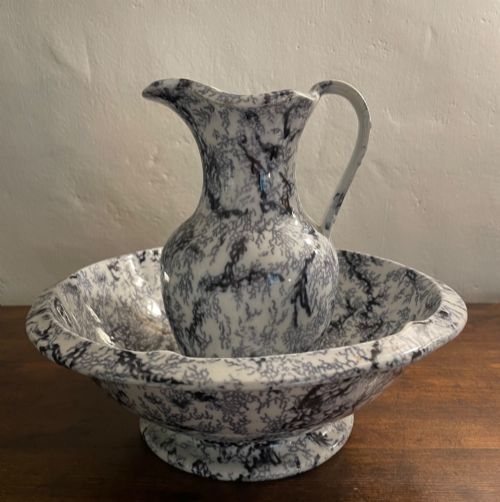
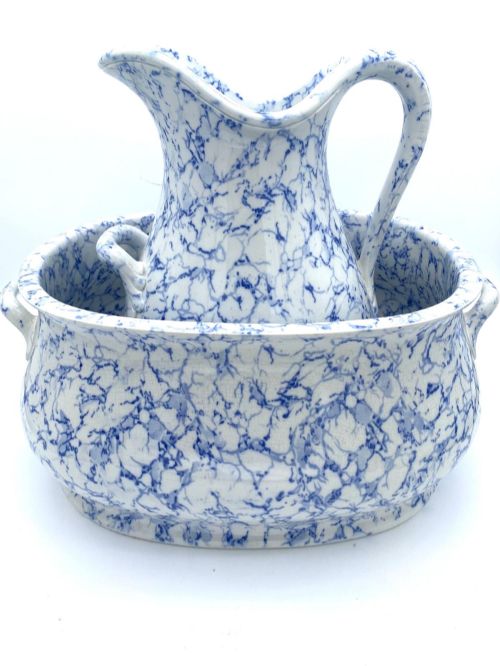
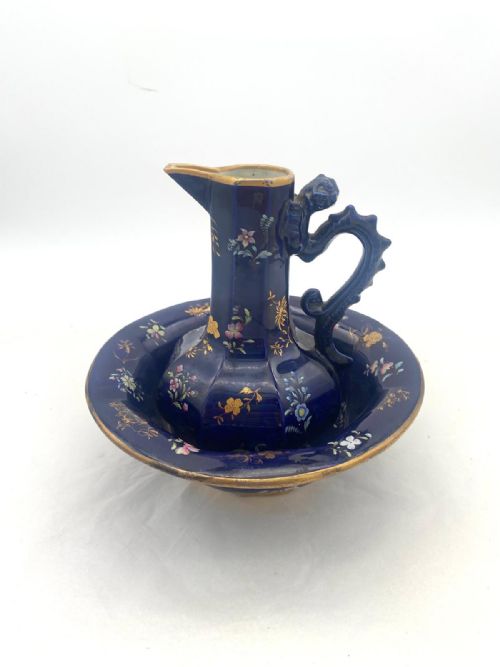
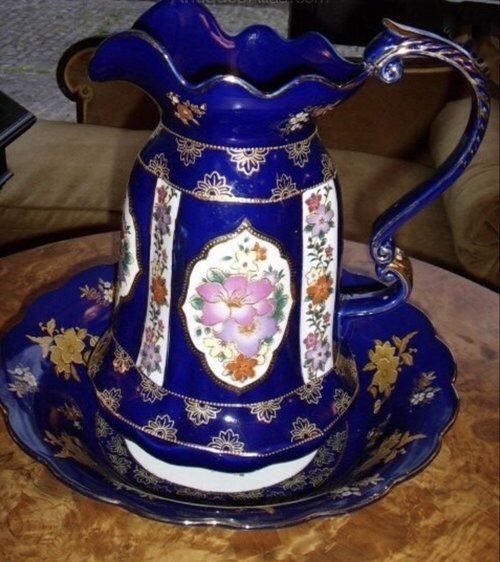
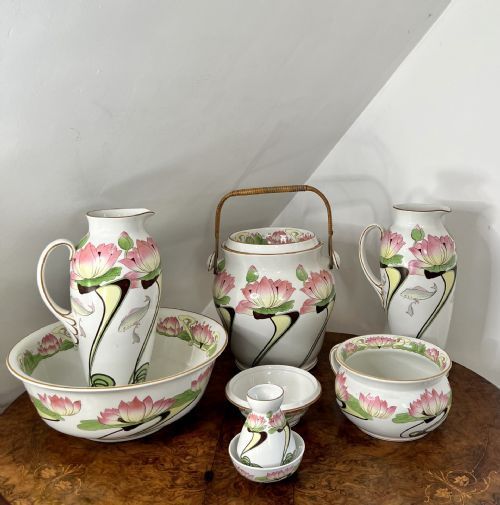
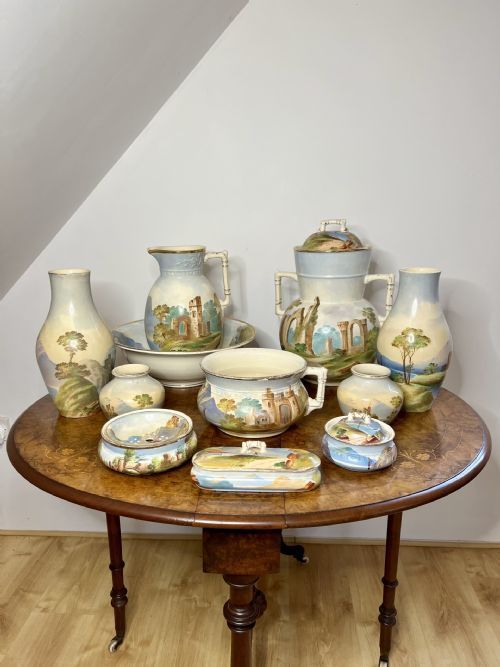
When you search for an antique wash basin pitcher, you are looking at utilitarian ceramic vessels designed for personal hygiene before modern indoor plumbing became standard in homes. These pieces typically form part of a larger set comprising matching basins, jugs, and sometimes soap dishes or chamber pots intended for the bedroom washstand.
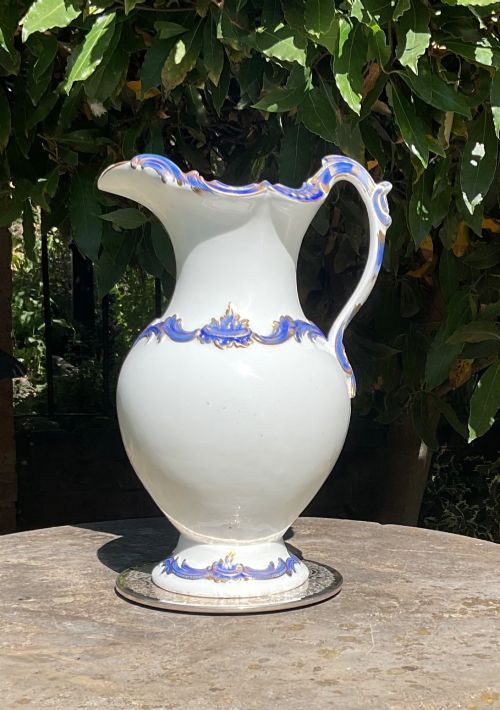
On this page, the version you are most likely to meet dates from the Victorian and Edwardian periods, alongside earlier nineteenth-century examples. They appear in earthenware, ironstone, and porcelain, frequently decorated with flow blue, floral transfers, or gilt accents reflecting the aesthetic tastes of their era.
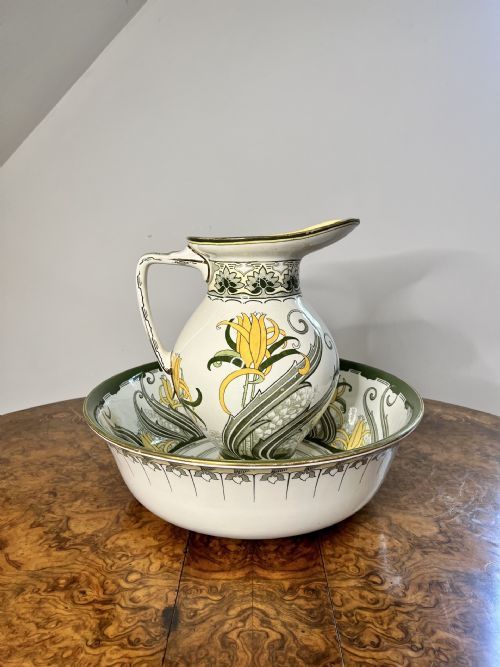
The forms range from miniature novelty sets to large bathroom sets and footbaths. Makers such as Minton, Masons, and Doulton Burslem produced these household utilities, spanning styles from Regency Chinoiserie and Art Nouveau to classic blue and white earthenware.
Materials and Manufacture
Potters utilised earthenware, ironstone, and porcelain as the primary ceramic bodies for these jugs and basins, shaping them on wheels or casting them in moulds. Cobalt blue and enamels provided the colour palette, applied beneath or over the glaze before firing in kilns.
Surface decoration frequently involved transfer printing, seen in flow blue and blue and white patterns, sometimes supplemented by hand-applied gold leaf or gilt details. Glass examples also appear, alongside silver plate items produced by firms like Christofle.
Glazed ceramic finishes protected the porous clay beneath from water damage during daily use. Ironstone offered a heavier, more durable alternative to standard earthenware, while porcelain allowed for finer, more delicate walled vessels.
Listings span the nineteenth and twentieth centuries, incorporating Victorian, Edwardian, and Art Nouveau styles in earthenware, porcelain, and glass.
Distinctions in Quality
Quality in these ceramic sets rests upon the crispness of the transfer print, the depth of the glaze, and the precision of any hand-painted or gilt embellishments. Finer porcelain and ironstone bodies indicate higher production standards than coarse earthenware.
The prestige of the maker influences the standing of a piece, with works from established potteries showing superior potting symmetry and refined decorative composition. Complete sets remaining together across centuries also elevate the status of the surviving items.
Minton·Masons·Doulton Burslem·Shelley·Christofle·Mark Jones And Sons
The Antique Wash Basin Pitcher Glossary
- Flow blue
- A cobalt blue transfer printing style originating in the nineteenth century where the colour intentionally blurred slightly into the white glaze during firing. This effect created a soft, hazy appearance highly prized by collectors.
- Ironstone
- A patented heavy earthenware developed to resemble porcelain while offering greater durability. It resists chipping and cracking better than standard pottery.
- Washstand
- A dedicated piece of furniture designed to hold the jug, basin, and related toilet accessories in a bedroom. They often included marble tops or wooden splashbacks.
- Footbath
- A large ceramic vessel shaped similarly to a basin but intended for soaking the feet rather than general washing. They often match the pattern of the accompanying water jug.
- Transfer printing
- A method of applying intricate designs to ceramics by engraving a copper plate, printing the design on tissue paper, and pressing it onto the biscuit ware. It allowed for detailed pictorial scenes on utilitarian wares.
Antique Wash Basin Pitcher: Frequently Asked Questions
How were wash basin pitchers used?
These pitchers served to transport water from a kitchen or pump to the bedroom washstand for morning and evening hygiene. Users poured the water into the matching basin for washing hands, faces, and hair.
They worked as part of a daily washing routine before running water and permanent bathroom installations became common in domestic houses.
How do I date an antique jug and basin?
Dating relies on identifying the maker's mark stamped or printed on the base of the ceramic piece. Stylistic clues such as Art Nouveau curves or Victorian transfer patterns also narrow down the period of manufacture.
Material composition provides further evidence, as heavier ironstone and distinct earthenware bodies correspond to specific decades of nineteenth-century production.
Can I use these antique sets today?
Most collectors treat these pieces as decorative display items for bathrooms, bedrooms, or hallways rather than for daily washing. The old ceramic glazes and ironstone bodies can be fragile after a century or more of existence.
Gentle handling and careful placement away from heavy use ensure these historic vessels survive without accidental chips or staining.
What is the difference between earthenware and ironstone?
Earthenware is a porous, lower-fired pottery that requires a complete glaze to hold water safely. It tends to be lighter and slightly more delicate in daily handling.
Ironstone is a dense, vitrified earthenware patented in the nineteenth century to mimic porcelain. It offers superior strength and resistance to heavy knocks.