
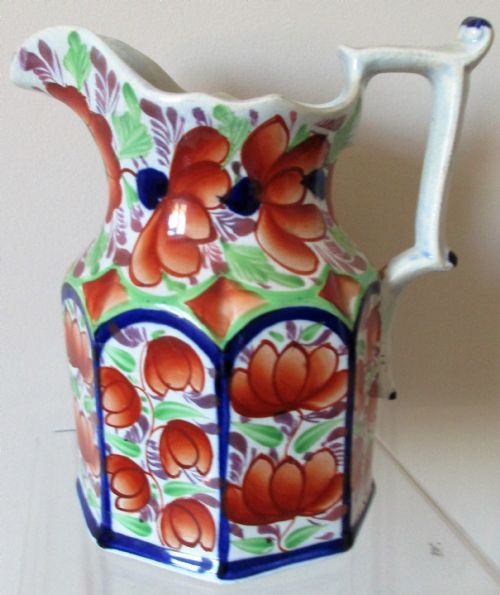
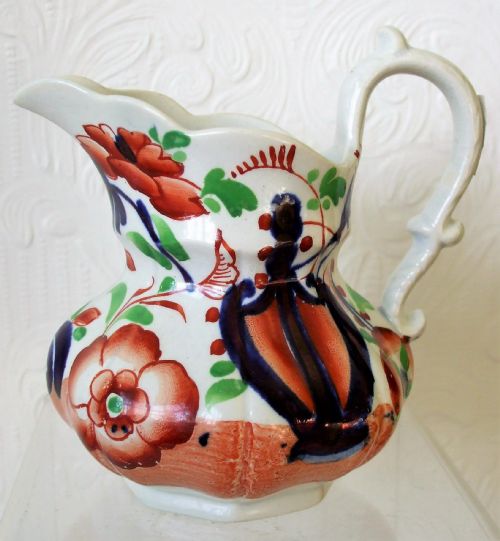
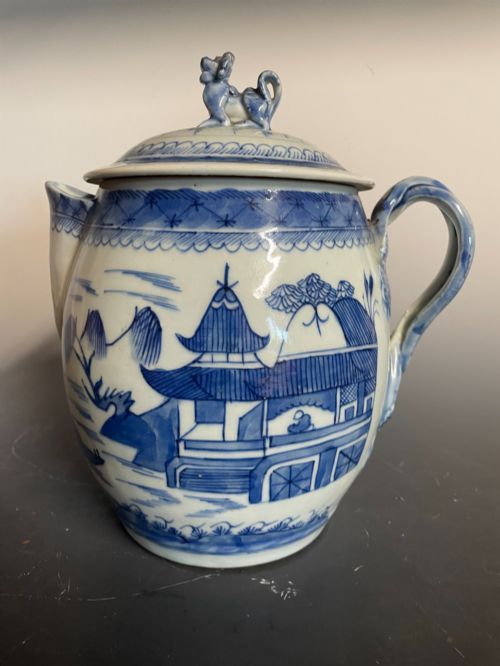

Blue Ceramic Water Jug
These pieces of blue ceramic water jug encompass centuries of earthenware, porcelain and stoneware vessels designed for pouring.
Blue Ceramic Water Jug
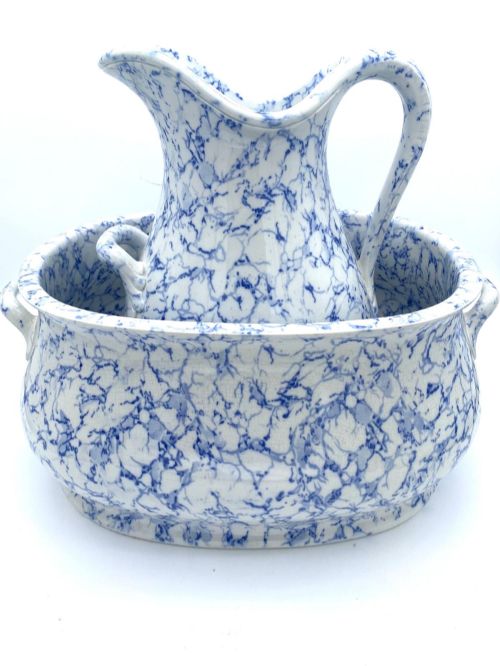
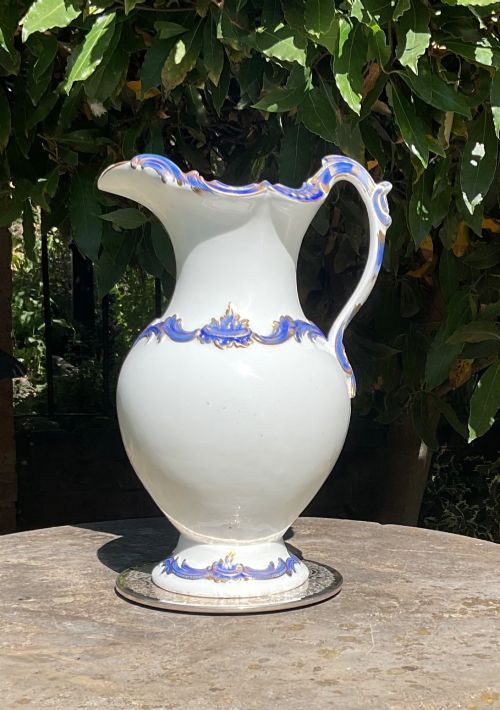
A blue ceramic water jug serves as a functional vessel for holding and pouring liquids, appearing across domestic settings in forms such as pitchers, ewers and footbath sets. Buyers seeking a blue ceramic water jug will encounter examples spanning the seventeenth century through to the twentieth century, originating from English potteries, Dutch Delftware workshops and Asian kilns.
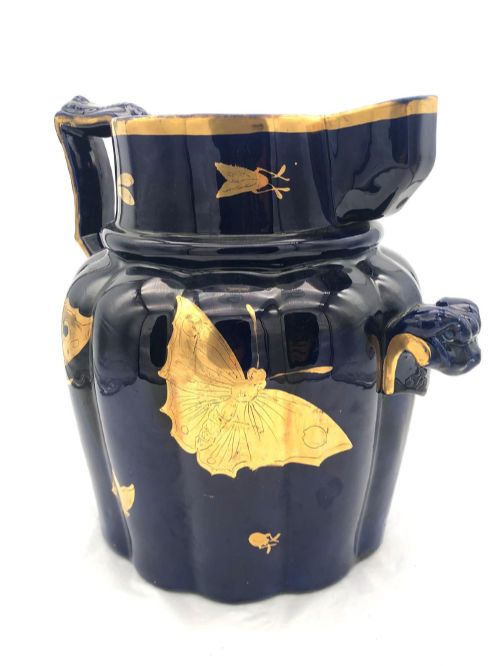
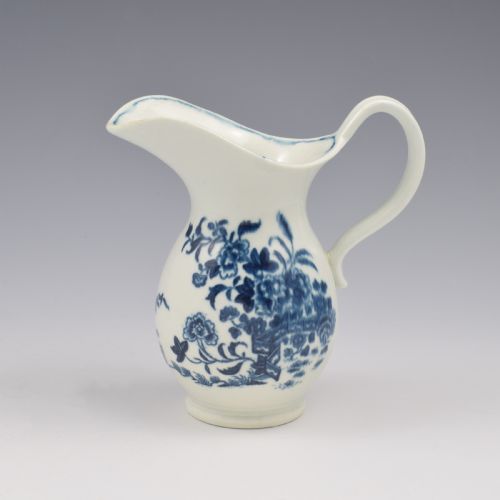
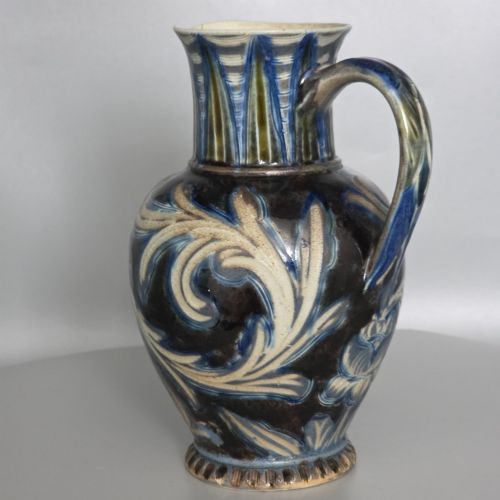
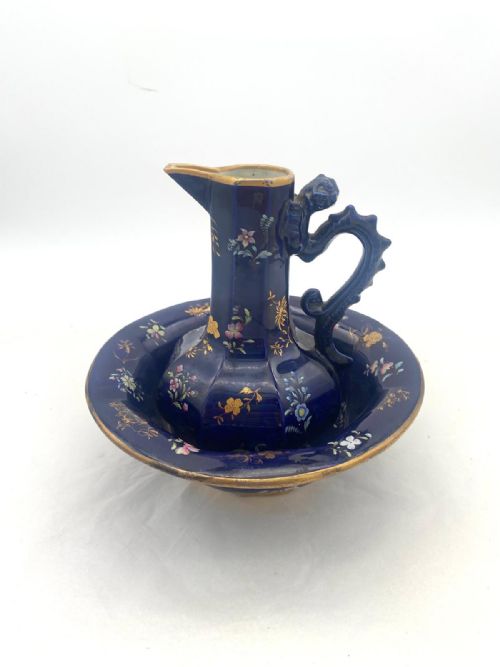
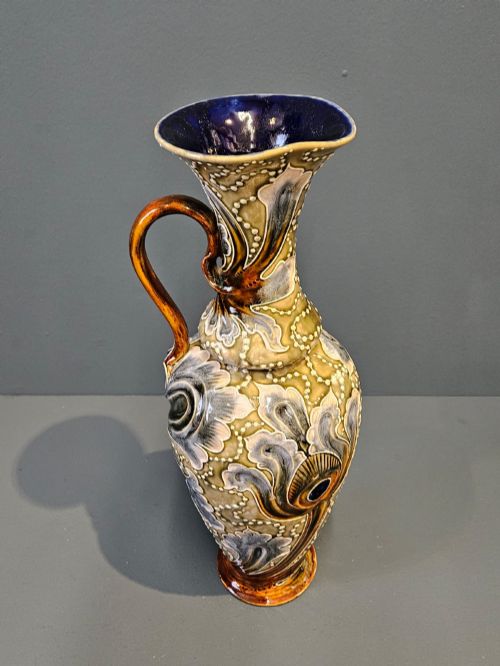
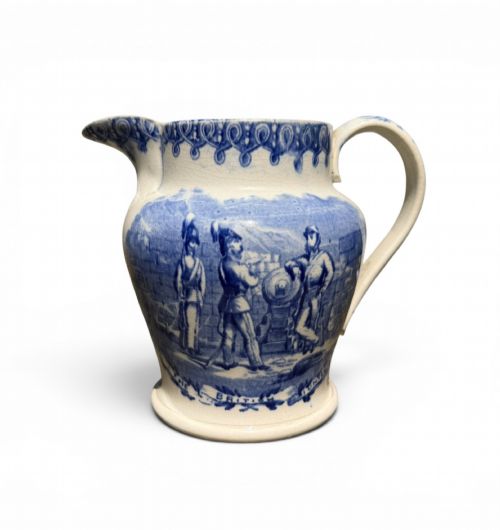
The selection ranges from large Georgian transfer-printed earthenware pieces and Victorian ironstone hydra jugs to delicate porcelain milk jugs and salt-glazed stoneware ewers. Many survivors form part of larger toilet sets or washbasin ensembles, while others stand alone as decorative display objects.
How They Were Made
Potters shaped these vessels using earthenware, heavy ironstone, dense stoneware, fine porcelain and faience, applying cobalt blue pigments beneath or over the glaze before firing. Decoration methods include hand-painted chinoiserie motifs, transfer-printed historical patterns, incised art pottery designs and rich enamel finishes heightened with occasional gold leaf.
Technical execution varies from the thrown and turned bodies of early Dutch and Persian pieces to the moulded ironstone and Parian ware of the nineteenth century, reflecting the prevailing ceramic capabilities of each period.
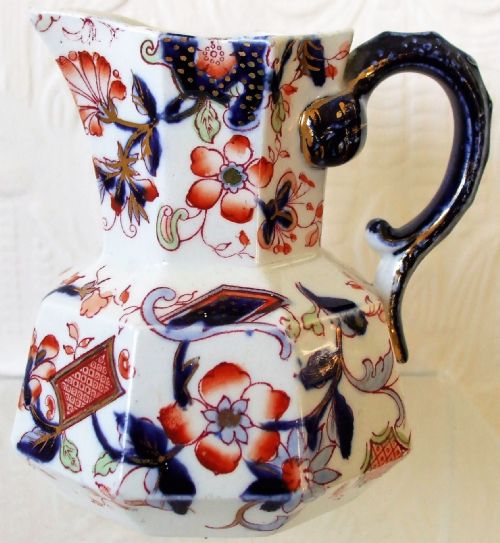
Victorian washstands would have clinked merrily as these heavy ironstone jugs met their matching basins each morning.
What Varies in Quality
The standard of a vessel is judged by the crispness of its moulding, the depth and clarity of the cobalt blue glaze, and the precision of hand-painted or transfer-printed details. Superior items exhibit balanced proportions, cleanly finished handles and spouts, and well-executed maker marks or stamps.
Art pottery pieces distinguish themselves through skilled incising by named makers and artists, whereas mass-produced ironstone relies on the sharpness of the pattern transfer and the durability of the body.
Minton·Doulton Lambeth·Mason's Ironstone·Keeling and Co·Davenport·Caughley Coalport
The Blue Ceramic Water Jug Glossary
- Ironstone
- A dense, durable type of earthenware patented in the nineteenth century to imitate Chinese porcelain. It provides a sturdy body for large water jugs and basin sets.
- Hydra jug
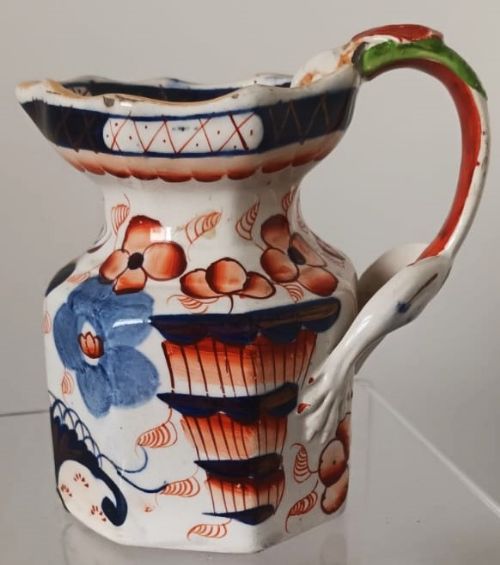
- A distinctive jug shape featuring a serpent-form handle and moulded Greek revival body details. Popularised by Mason's and other English potteries during the nineteenth century.
- Kendi
- A spouted drinking or pouring vessel originating in Asia and the Middle East, produced without a handle. Early examples feature underglaze blue painting.
- Parian ware
- A fine-grained, unglazed porcelain resembling white marble, developed in the nineteenth century. It is utilised for decorative beverage jugs and figural pieces.
- Ewer
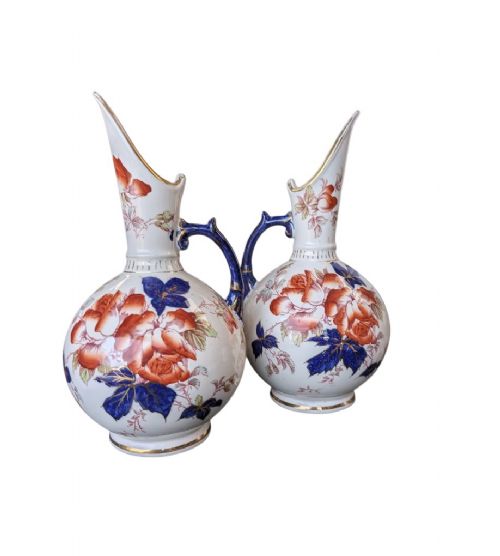
- A large ornamental jug with a flared spout and curved handle, historically used for washing alongside a matching basin.
Blue Ceramic Water Jug: Frequently Asked Questions
What were these jugs originally used for?
These vessels served practical domestic purposes, carrying water for washing, milk for the table, or holding liquids during formal dining.
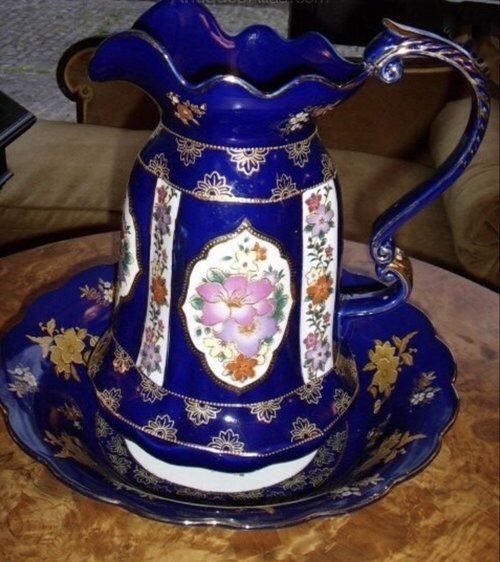
Many large examples operated as washbasin ewers or formed part of toilet sets within nineteenth-century bedrooms.
How do I date a blue ceramic water jug?
Dating relies on examining the ceramic body type, glaze characteristics, base marks, and the style of transfer printing or hand painting.
Georgian and Victorian pieces often display registration stamps or maker ciphers that narrow down the year of manufacture.
Can I use antique water jugs for serving drinks?
While structurally sound, antique earthenware and porous historic bodies require careful handling and gentle hand washing rather than heavy daily use.
Crazing in the glaze can absorb liquids over time, so many collectors prefer to display these pieces as decorative objects.
What is the difference between ironstone and porcelain?
Ironstone is a heavy, opaque semi-vitrified earthenware designed to resist chipping and heavy wear during daily household tasks.
Porcelain is a finer, more translucent ceramic fired at higher temperatures, often reserved for delicate milk jugs and decorative tableware.