


Gilded Porcelain Water Pitcher
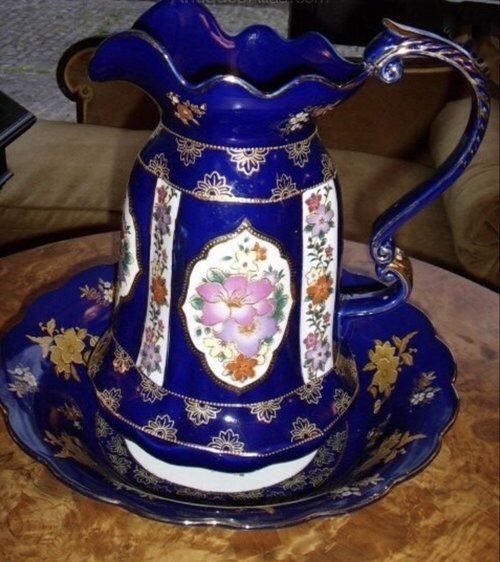
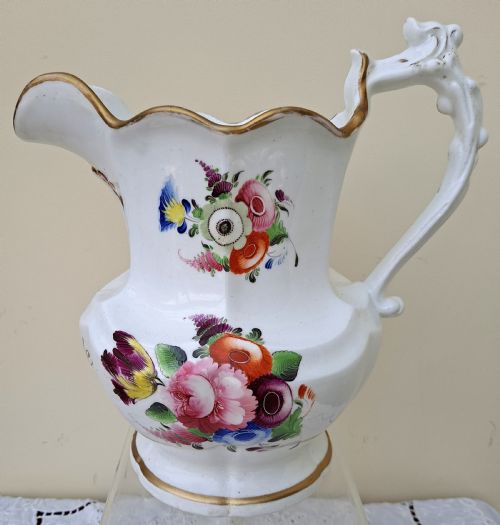
These gilded porcelain water pitcher selections range from Regency ewers to Victorian washstand sets, offering rich decorative presence for the home.
Gilded Porcelain Water Pitcher
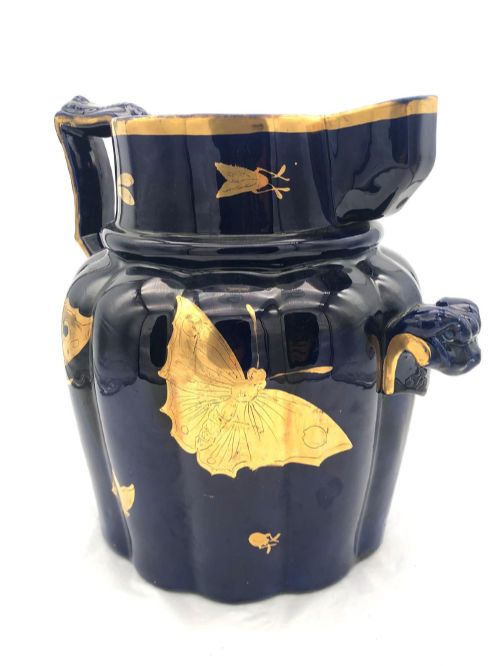
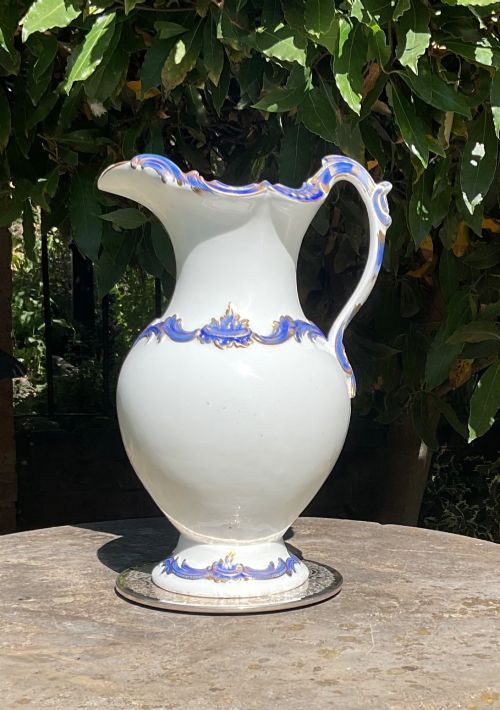
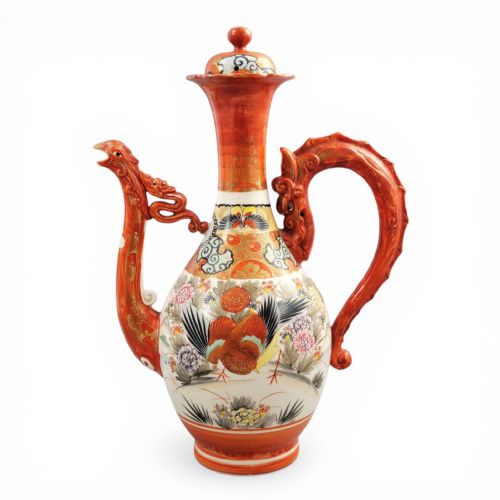
A gilded porcelain water pitcher brings together useful vessel forms and rich surface decoration, spanning periods from the late Georgian era through to the early twentieth century. When searching for a gilded porcelain water pitcher, collectors encounter diverse styles including Victorian Rococo Revival, French Restoration, and Japanese Meiji period pieces. These items often served functional roles on washstands or functioned purely as decorative ewers in formal rooms.
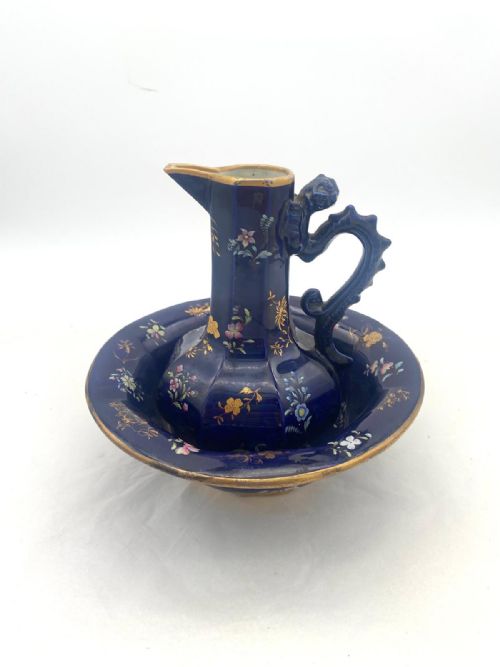
The selection here encompasses various utilitarian and ornamental forms, from large chamber water jugs to diminutive miniature ewers and complete washstand sets. Pieces hail from English factories like Royal Worcester, Derby, and Coalport, alongside continental makers such as Meissen. Such variety allows buyers to choose between robust ironstone bodies and delicate porcelain versions adorned with hand-painted scenes or armorial crests.
What varies in quality
The crispness of the porcelain moulding and the delicacy of the hand-painted details set finer examples apart from standard utilitarian wares. Superior pieces display finely articulated handles, such as dragon forms or foliate scrolls, executed with sharp definition.
The application and preservation of the gold leaf or gilding also dictate the grade of a piece. Thick, hand-applied burnished gold that remains largely intact across high-wear areas like rims and spouts indicates superior original manufacture and careful ownership.
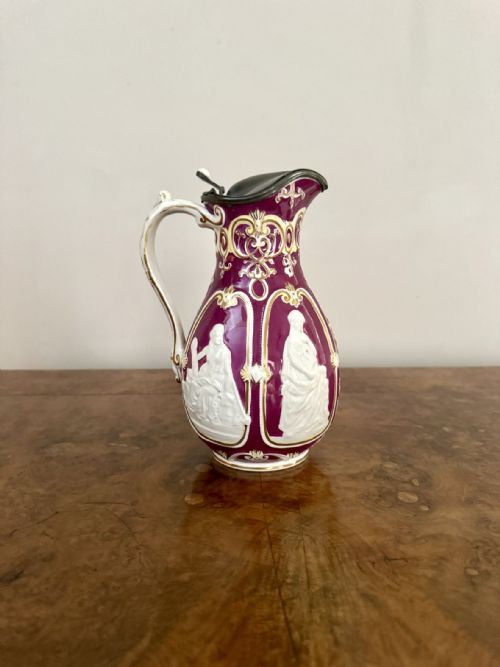
Some nineteenth-century makers equipped water pitchers with pewter lids, perhaps to keep bedroom dust out of the morning wash water.
Royal Worcester·Chamberlain Worcester·Coalport·Crown Derby·Meissen·Masons
The Gilded Porcelain Water Pitcher Glossary
- Ewer
- A large jug with a wide spout and handle, traditionally used for holding water or serving wine. In antique contexts, these often served decorative display purposes rather than practical dining functions.
- Gilding
- The application of gold leaf or gold powder to the surface of porcelain or metal. This technique adds ornamental brilliance and highlights moulded details.
- Ironstone
- A heavy, durable type of earthenware patented in the nineteenth century. It mimics porcelain in strength while offering a robust body suitable for daily utility wares.
- Mazarine
- A deep blue colour often utilised in nineteenth-century ceramic decoration. It provides a rich background tone for contrasting gilt motifs and floral designs.
Gilded Porcelain Water Pitcher: Frequently Asked Questions
How should I clean a gilded porcelain pitcher?
Gilded porcelain requires gentle maintenance to protect the delicate gold leaf and hand-painted enamel details from wearing away. Wash the vessel by hand using lukewarm water and a mild, non-abrasive detergent.
Avoid soaking antique ceramics for extended periods, particularly if there are hairline cracks or historical repairs. Dry the piece immediately with a soft, lint-free cloth to prevent water spots on the metallic surface.
Were these pitchers used for water?
Many of these pieces served practical functions on washstands in nineteenth-century bedrooms before indoor plumbing became standard. Servants filled them with fresh water for morning washing routines.
Other examples, particularly smaller miniature ewers or heavily gilded decorative pieces, served purely ornamental purposes in drawing rooms and display cabinets.
How can I date a porcelain pitcher without a mark?
Dating unmarked pieces relies on examining the ceramic body, glaze characteristics, and stylistic clues like handle shapes and moulding styles. Regency pieces often feature clean neoclassical lines, whereas Victorian items lean towards elaborate Rococo Revival curves.
The weight of the clay body and the composition of the glaze also provide clues to whether a piece originates from the early nineteenth century or the Edwardian era.