
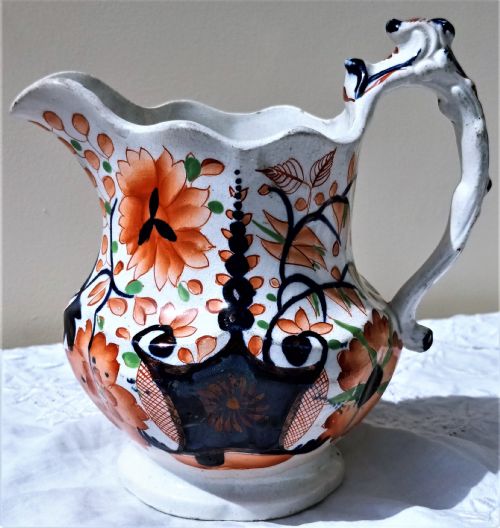
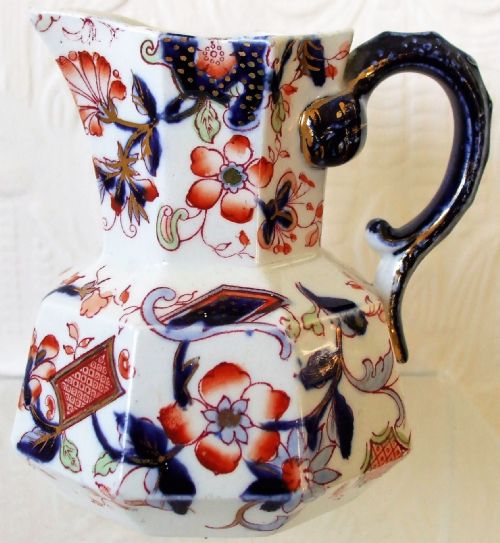
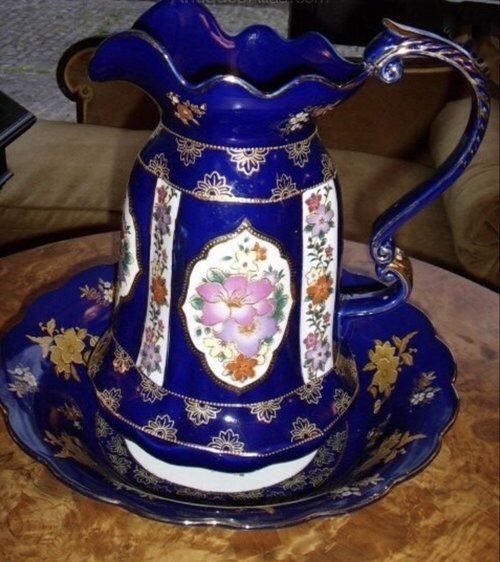


Victorian Decorative Ceramic Jug
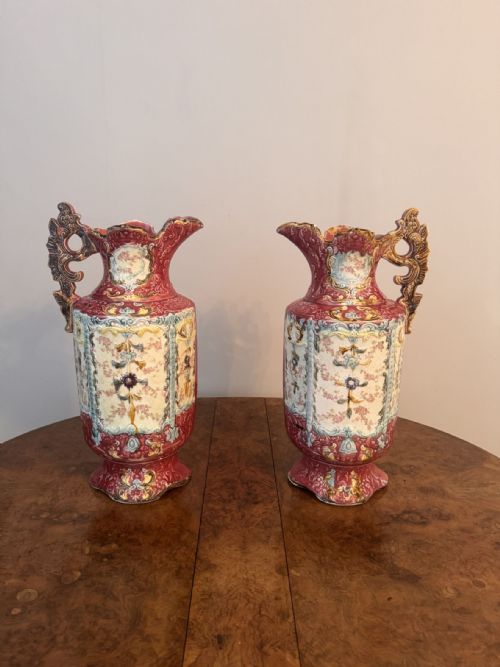
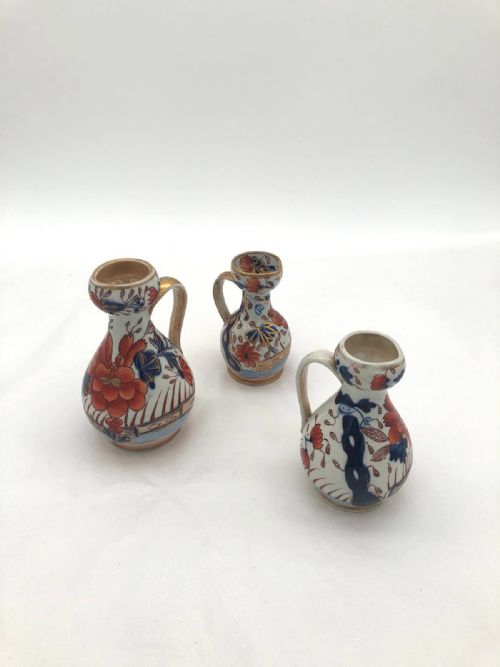
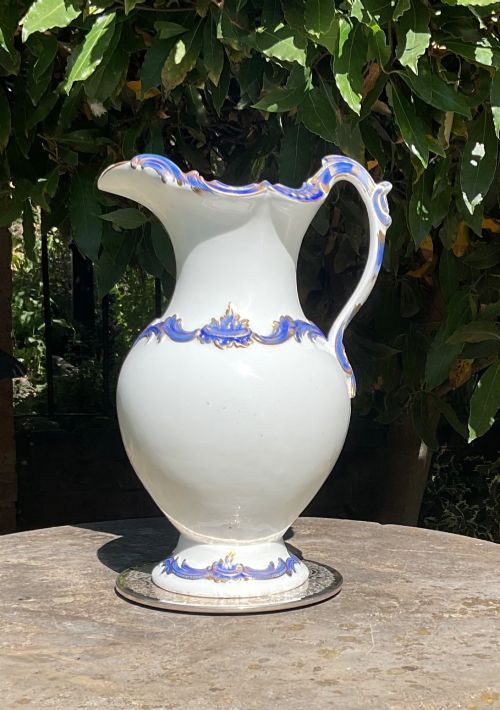
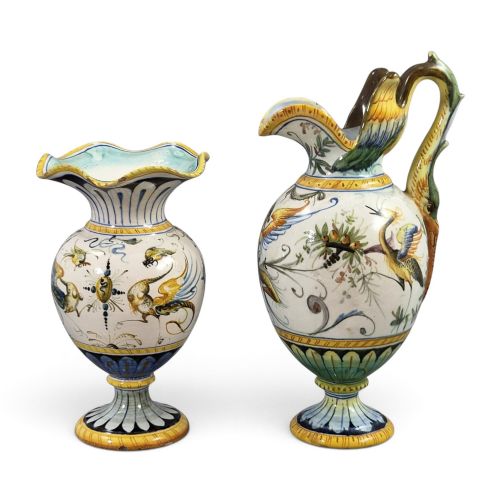
A victorian decorative ceramic jug brings colour and presence to a room, holding flowers or standing alone on a shelf.
Victorian Decorative Ceramic Jug
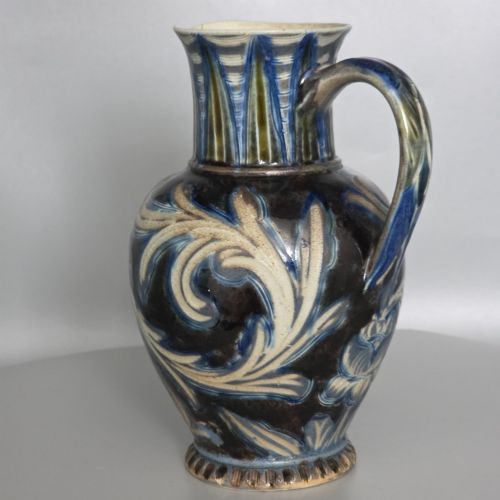
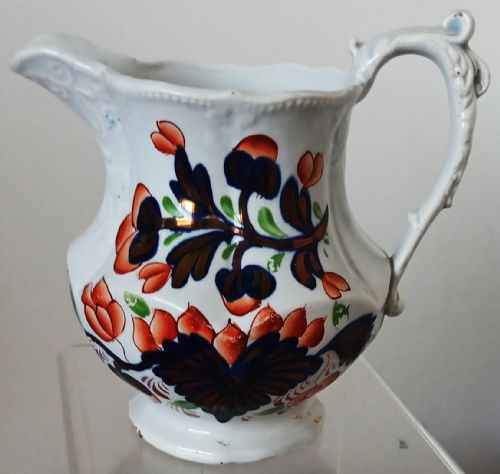
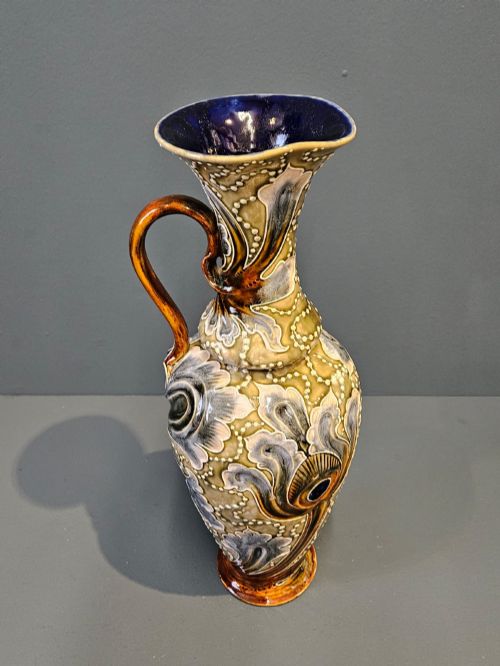
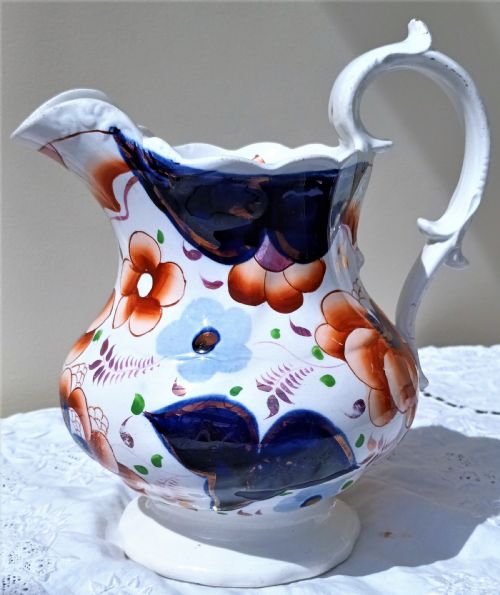
A victorian decorative ceramic jug encompasses pitchers, ewers, and washstand sets spanning from the mid-nineteenth century into the early twentieth century. These vessels range from functional water containers to elaborate cabinet ewers designed entirely for display.
The most common examples on this page are earthenware and stoneware pieces produced by major English potteries like Doulton Lambeth and Royal Worcester. Stylistic influences vary from traditional floral patterns to Aesthetic movement designs and Renaissance revival majolica.
Many of these objects were created as pairs or part of larger washstand sets, though individual ewers and jugs frequently survived independently. Their forms reflect both domestic utility and the high artistic ambition of Victorian ceramic production.
Materials and methods
Potters shaped these vessels using earthenware, ironstone, porcelain, and heavy stoneware, applying glazes that ranged from rich cobalt blues to lustrous metallic finishes. Techniques such as incising, reticulation, and slip decoration added texture and depth to the body of the jug.
Many pieces incorporate applied enamel and gold leaf, particularly in the gilt detailing seen on Royal Worcester and Royal Crown Derby productions. Salt glazing and majolica enamels provided durable, colourful surfaces that maintained their vibrancy over generations.
The selection includes washstand sets, cabinet ewers, and transfer-printed pitchers decorated with floral, Japanese, and classical motifs.
Assessing the execution
Quality in a victorian decorative ceramic jug depends on the crispness of the modelling, the control of the glaze, and the precision of hand-painted or transferred details. Elaborate pieces by leading factories demonstrate superior kiln management and finer artistic execution in handles and spouts.
Art pottery examples derive distinction from individual studio work, such as incised patterns and hand-applied ornament that mark them out from standard factory output. The depth of the relief and the complexity of the decorative palette separate standard domestic items from exhibition-grade ewers.
Mason's·Cantagalli·Doulton Lambeth·Keeling and Co.·Grainger Worcester·Royal Worcester·Sir Edmund Elton·Doulton Burslem·Minton·Royal Crown Derby·Coalport
The Victorian Decorative Ceramic Jug Glossary
- Ewer
- A large jug with a wide spout and shaped handle, traditionally used for pouring water or as a purely decorative ornament. Ewers often feature classical revival shapes and elaborate handles.
- Majolica
- A type of earthenware coated with an opaque tin glaze and painted with brightly coloured metallic oxides. It produces a glossy, richly hued surface popular for Victorian decorative wares.
- Reticulation
- An openwork ceramic technique where parts of the clay body are cut away before firing to create a lattice or net-like pattern. This delicate work appears on fine porcelain ewers.
- Ironstone
- A heavy, durable type of earthenware patented in the nineteenth century to imitate Chinese porcelain. It provided a strong body for colourful transfer-printed patterns.
- Slip
- Liquid clay applied to the surface of a ceramic vessel before firing to create raised patterns, lines, or contrasting background colours. It adds tactile relief to studio pottery jugs.
- Transfer printing
- A method of applying detailed decorative patterns to ceramics by transferring inked designs from a copper plate onto paper and then onto the clay body. This technique allowed for consistent production of intricate motifs.
Victorian Decorative Ceramic Jug: Frequently Asked Questions
What were decorative jugs used for?
These vessels served various domestic functions, from holding fresh water on bedroom washstands to serving wine at the table. Many larger ewers were produced specifically as ornamental cabinet pieces rather than working utensils.
Over time, their roles shifted as domestic habits changed, turning functional pitchers into valued decorative objects displayed in reception rooms and parlours.
How do I distinguish different Victorian styles?
Styles shifted across the nineteenth century, moving from heavy floral patterns and Gothic revivals towards the stylised naturalism of the Aesthetic movement. Examining the motifs, colour palettes, and glaze types helps place a piece within its proper decade.
Factory marks and registered design numbers stamped on the base provide definitive clues to the exact period of manufacture.
Are these jugs suitable for daily use?
While many pieces were built robustly from ironstone or stoneware, most antique jugs benefit from gentle handling and display use rather than heavy daily service. Glazes and applied gold leaf can wear with frequent washing and handling.
Using them to display dried stems or fresh flowers with a protective liner preserves the interior while allowing them to be enjoyed in a domestic setting.
How can I identify the maker?
Makers marked their wares using impressed stamps, printed backstamps, and painted ciphers on the underside of the base. These factory marks often include date ciphers or registration numbers that pinpoint the year of production.
Unsigned studio pottery pieces rely on distinctive stylistic traits, incised signatures, and characteristic clay bodies for attribution.