
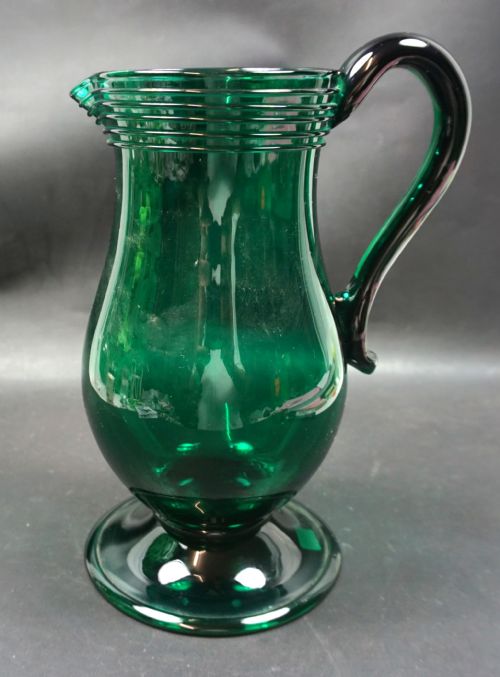


Large Victorian Water Jug
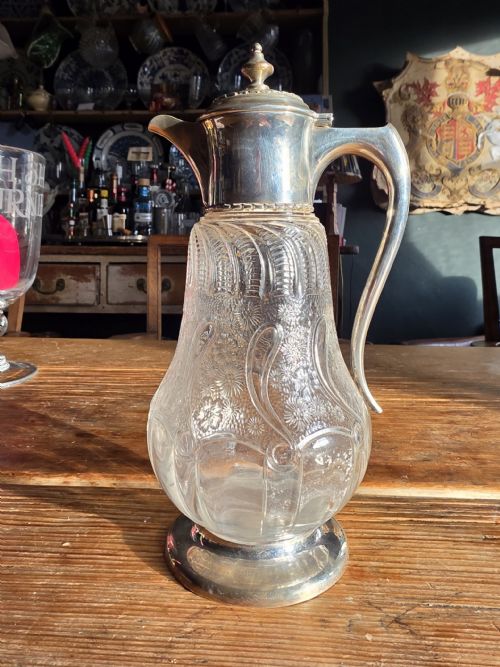
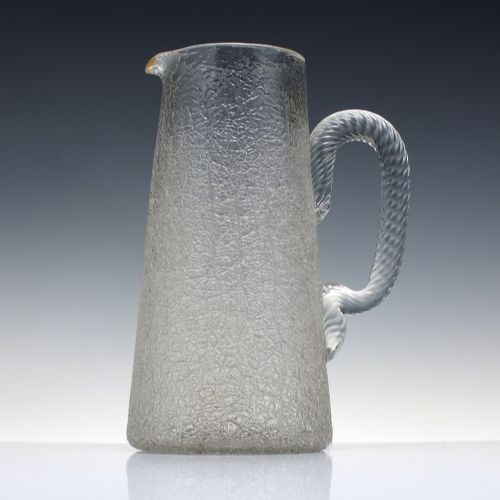
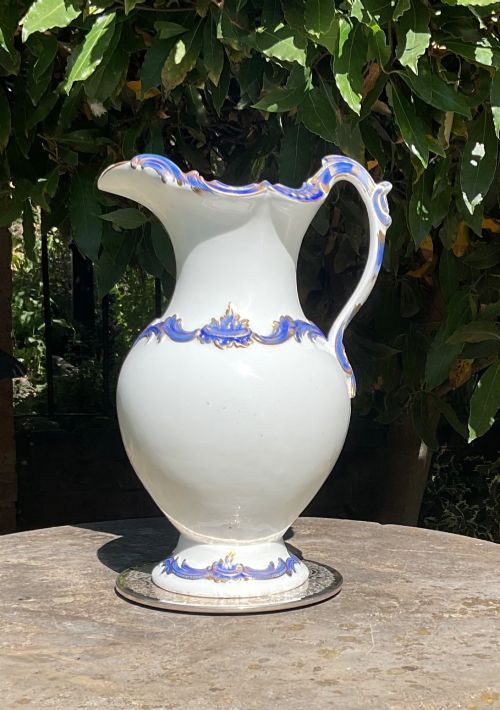
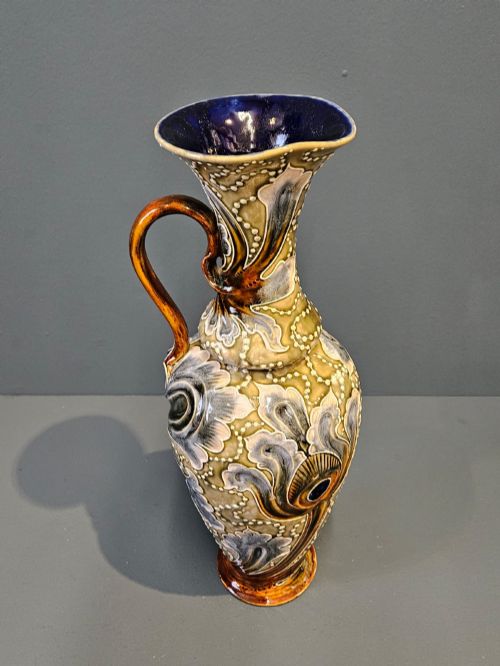
A large victorian water jug brings generous capacity and robust nineteenth-century utility to the table, combining heavy glass, stoneware, and polished metal.
Large Victorian Water Jug
A large victorian water jug encompasses vessels designed for table service, washing, and beverage carriage during the nineteenth century. Buyers encounter robust stoneware flagons, tall glass pitchers with gilded rims, and heavy copper or brass carriers spanning the Victorian era.
Makers shaped these utilitarian and decorative forms from earthenware, porcelain, and metalplate for daily household tasks or formal dining. The surviving examples range from plain coopered oak and brass measures to ornate salt-glazed stoneware and cut glass ewers.
Evaluating Craftsmanship
The standard of modelling and relief work separates ordinary vessels from exceptional exhibition pieces, particularly in salt-glazed stoneware and porcelain moulded scenes. Crisp definition in bacchanalian dances or armorial sprigs indicates superior studio execution.
Weight, metal gauge, and handle attachment dictate durability in copper, brass, and silver-plated items. Heavy-gauge metal with secure seaming and balanced pouring spouts demonstrates proper utilitarian construction rather than hasty assembly.
Victorian tavern keepers measured ale and water with heavy-gauge vessels stamped with royal cyphers.
William Comyns·Doulton Lambeth·Charles Meigh·Elkington and Co·Henry Loveridge
The Large Victorian Water Jug Glossary
- Salt glaze
- A vitreous silicate coating formed by throwing common salt into the kiln during high-temperature firing. This technique produces a characteristic textured surface resembling orange peel on stoneware jugs.
- Sprigging
- The application of moulded clay reliefs onto the unfired body of a vessel using slip as adhesive. Potteries utilised this method to add contrasting decorative motifs such as figures or floral garlands.
- Toleware
- Tin-plated steel or iron painted with japanned varnishes and enamels. Makers applied these protective and decorative layers to domestic utensils and hot water cans.
- Ewer
- A large pitcher with a wide spout and curved handle, historically used for washing or formal water service. The form often incorporates neoclassical revival or gothic ornamentation.
- Coopered
- Constructed from wooden staves bound together with metal hoops, much like a barrel. This method gave heavy oak water jugs structural integrity for holding large volumes of liquid.
Large Victorian Water Jug: Frequently Asked Questions
How were large Victorian water jugs used?
Households utilised these large vessels for serving water at dining tables, carrying washing water to bedrooms, or measuring liquids in domestic and commercial settings.
Heavier metal and stoneware versions transported larger volumes, while cut glass and porcelain examples served guests directly during formal meals.
What materials did Victorian makers prefer?
Potters relied on salt-glazed stoneware and earthenware for heavy-duty vessels, while glassmakers produced clear, cranberry, and overshot glass pitchers.
Metalworkers shaped copper, brass, toleware, and silver plate to withstand daily handling and heavy liquid loads.
How do I identify a Victorian piece?
Inspect the manufacturing techniques, such as relief-moulded stoneware bodies, applied glass trailed rims, or VR measurement stamps.
Stylistic cues like Gothic revival, Arts and Crafts influences, and Victorian registration marks help narrow the production era.
Can I use these antique jugs daily?
Many sturdy stoneware, glass, and metal vessels remain completely functional for serving water or displaying floral arrangements.
Careful hand washing preserves fragile gilt rims, painted ceramic decoration, and historic metal patinas.