

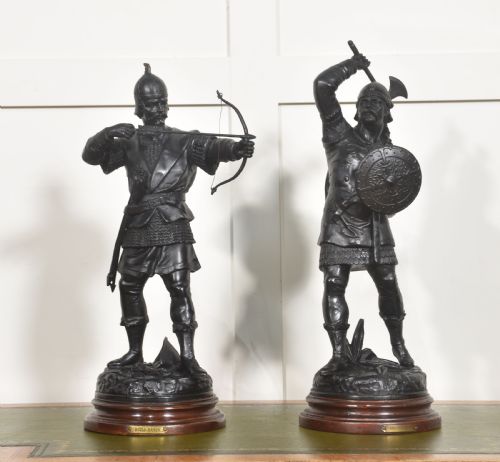


Antique Warrior Statue
An antique warrior statue captures the fierce nobility of history and myth, offering collectors a striking centrepiece cast in bronze or carved from wood.
Antique Warrior Statue
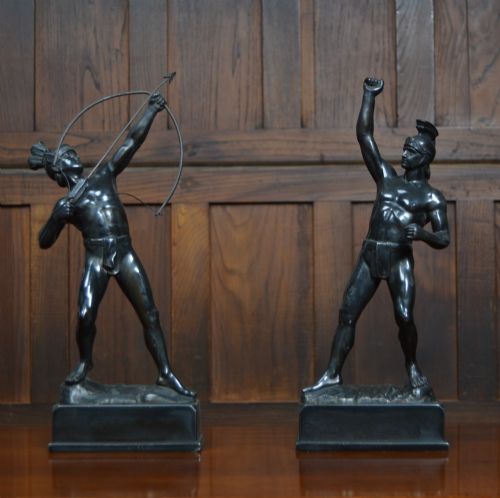
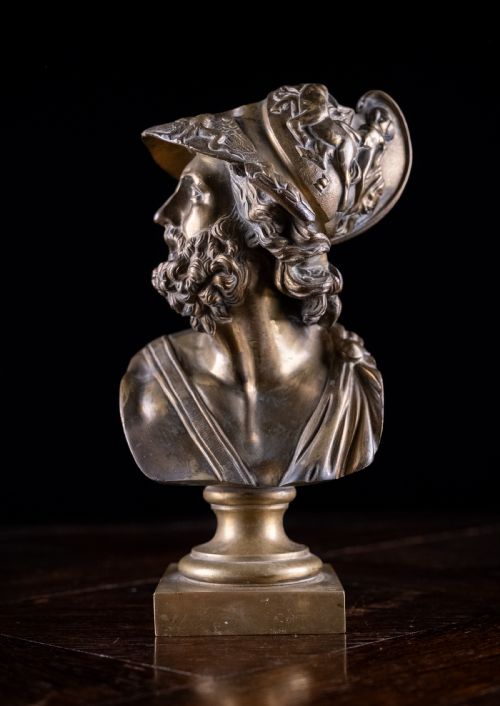
An antique warrior statue represents historical commanders, mythological fighters, and tribal defenders from global traditions. These sculptural pieces take the form of standing figures, mounted horsemen, and dramatic busts produced during the nineteenth and early twentieth centuries.
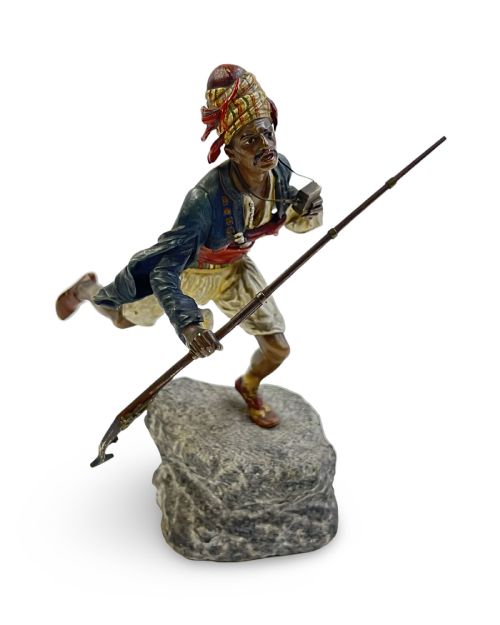
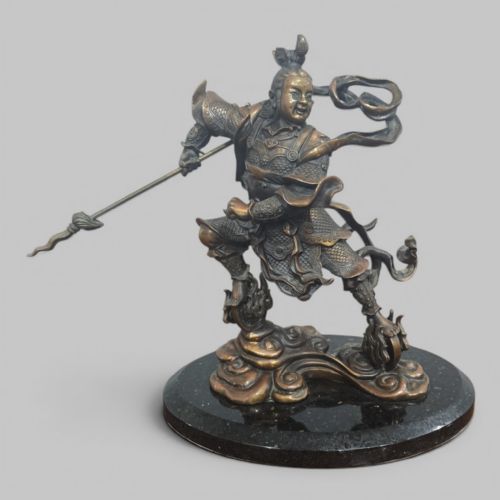
The selections encountered here span diverse cultural origins, including classical Greek and Roman heroes, North African subjects, Asian figures, and European knights. Sculptors rendered these subjects in scales ranging from cabinet pieces to large floor-standing works.
Makers drew upon Neoclassical, Orientalist, Renaissance Revival, and Art Deco idioms to shape these martial subjects. Buyers encounter both monumental cast metal editions and intimate hand-carved wooden sculptures.
How They Were Made
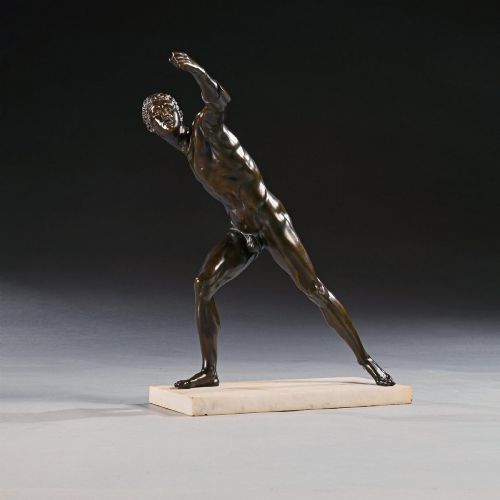
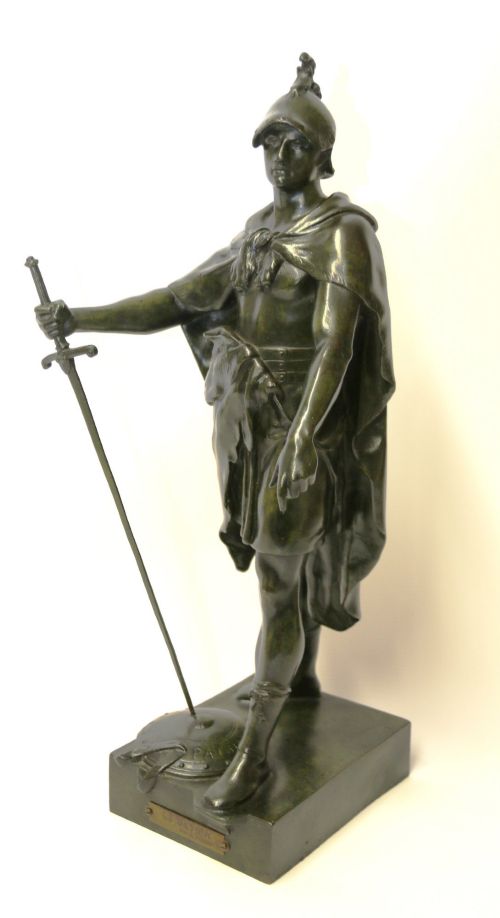
Foundries employed the lost-wax casting method to produce intricate bronze figures with sharp detail in armour and musculature. Artisans then applied chemical patination or cold-painting techniques to achieve realistic skin tones and metallic sheens on the surface.
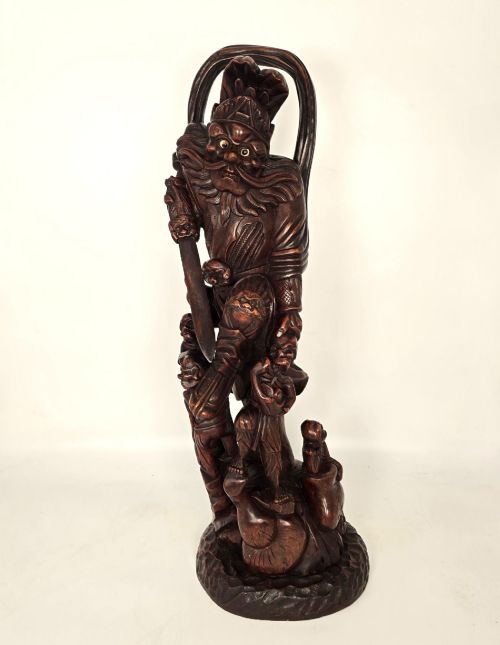
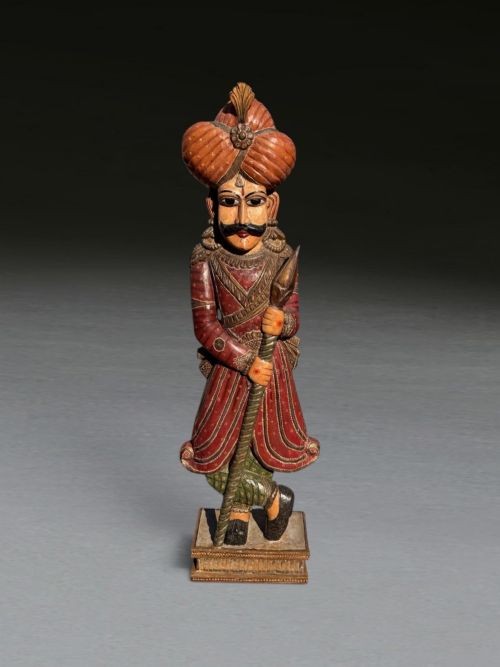
Carvers worked with dense tropical hardwoods, root wood, and marble to execute figures using traditional hand-chizzling tools. Painters subsequently added polychrome finishes to enhance the textiles and ceremonial garments of the carved subjects.
Spelter and zinc alloy served as accessible alternatives to bronze, poured into moulds to satisfy nineteenth-century demand for decorative metal figures. Gilt or gold leaf was frequently applied to highlight specific elements of the costume or weapon.
Even fierce Roman gladiators and Spartan kings sometimes spent their centuries keeping watch over a quiet Victorian mantelpiece.
What Varies in Quality
The fidelity of the casting dictates the sharpness of facial expressions, the articulation of chain mail, and the realism of drapery. Superior works retain crisp chisel marks and clean transitions where separate components join.
The application of cold-painted enamel or nuanced patination separates standard production pieces from master foundry outputs. Rich, multi-layered patinas provide depth that flat, uniform chemical treatments lack.
The integrity of the material foundation influences longevity, distinguishing heavy, solid metal casts from brittle spelter and stable hardwoods from structurally compromised carved timber.
Émile Louis Picault·Franz Xaver Bergman·Eugene Barillot·Raoul Francois Larche·Desire Grisard·Chiparus·Franz Iffland·Emile Laporte
The Antique Warrior Statue Glossary
- Spelter
- A zinc alloy frequently utilised as a cost-effective substitute for bronze in nineteenth-century figure production. It possesses a lighter weight and a softer surface than copper-based metals.
- Cold-painted
- A technique where enamel paint is applied to a metal sculpture without subsequent kiln firing. This method was particularly favoured by Viennese bronze workshops.
- Grand Tour
- A cultural journey undertaken by wealthy young Europeans in the nineteenth century, resulting in the acquisition of small-scale classical bronzes and portrait busts. These souvenirs often depicted ancient rulers and mythological deities.
- Patina
- The surface coloration and sheen developed naturally through age or applied artificially by an artist using chemical treatments. It protects the metal and defines sculptural contours.
Antique Warrior Statue: Frequently Asked Questions
What materials were used?
Foundries cast these figures primarily in bronze, alongside accessible alternatives such as spelter and zinc alloy. Artisans also carved subjects from various woods, marble, and plaster.
Surface treatments include cold-painted enamel, gold leaf, and chemical patination to simulate aged metal or enrich polychrome wooden surfaces.
How do I identify periods?
Nineteenth-century pieces often reflect revival movements like Neoclassical, Renaissance, or Orientalist styles, corresponding to the dates marked on foundry stamps or signatures. Stylistic cues, such as Art Deco geometries, help narrow down early twentieth-century works.
Examining the casting technique, patination style, and fastening methods provides further physical clues regarding the manufacturing era.
Where were they displayed?
Original owners placed these sculptures upon library desks, mantelpieces, and dedicated pedestals within nineteenth-century drawing rooms and studies. Grand Tour figures served as intellectual conversation starters for travellers returning home.
Today, collectors position them as focal points in studies, hallways, and living spaces alongside complementary historical artefacts.
How do I care for them?
Bronze and metal sculptures require dusting with a soft, dry cloth to prevent particulate accumulation on the patinated surface. Avoid liquid cleaners that can strip applied finishes or cold-painted enamel.
Wooden and carved figures benefit from stable indoor humidity levels away from direct sunlight to prevent timber cracking or paint fading.