

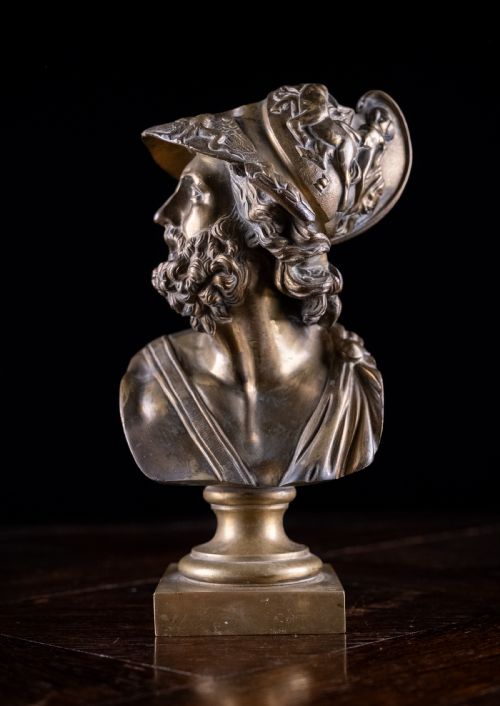
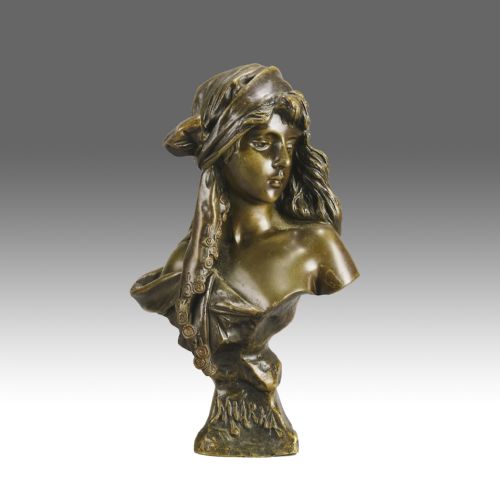
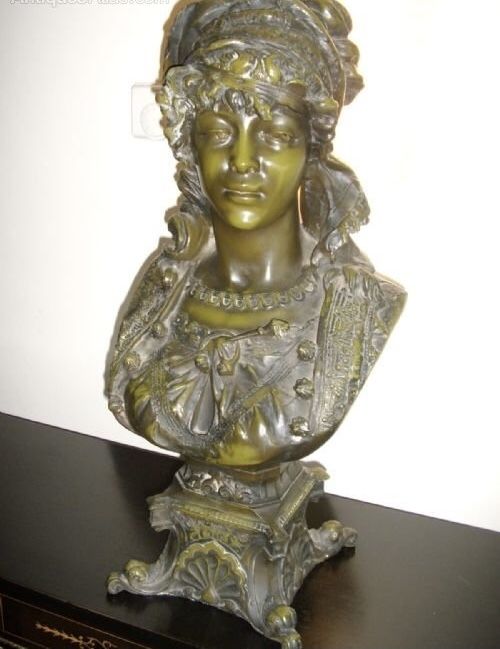
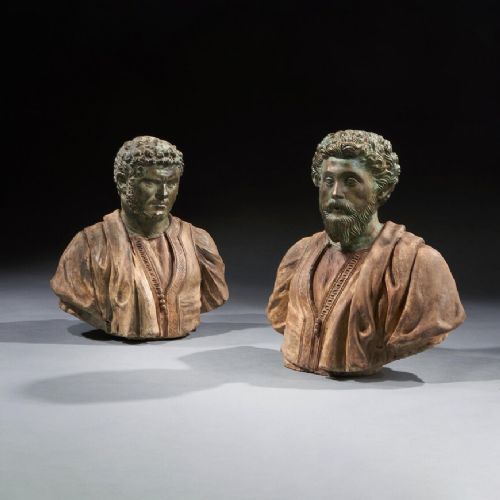
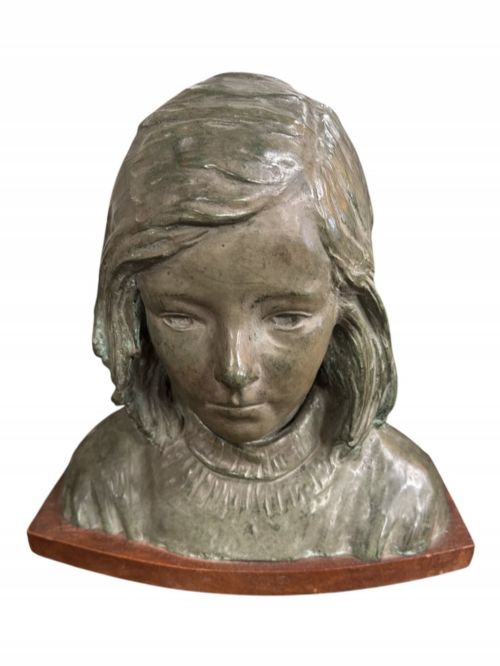
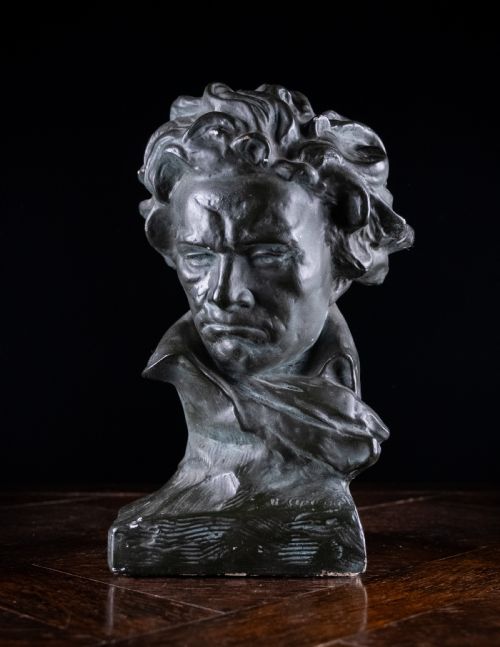


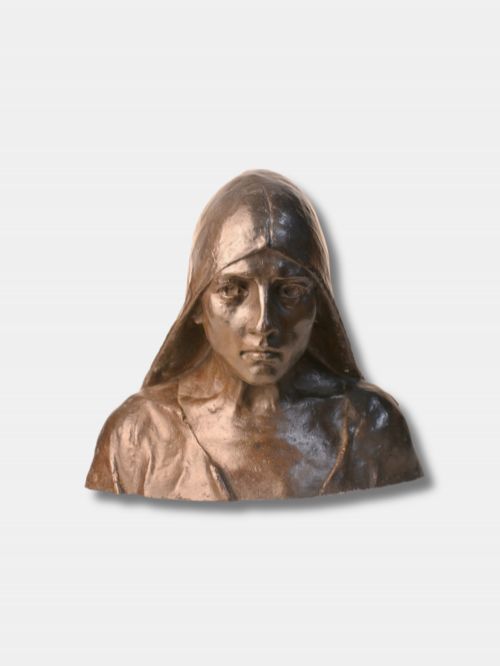


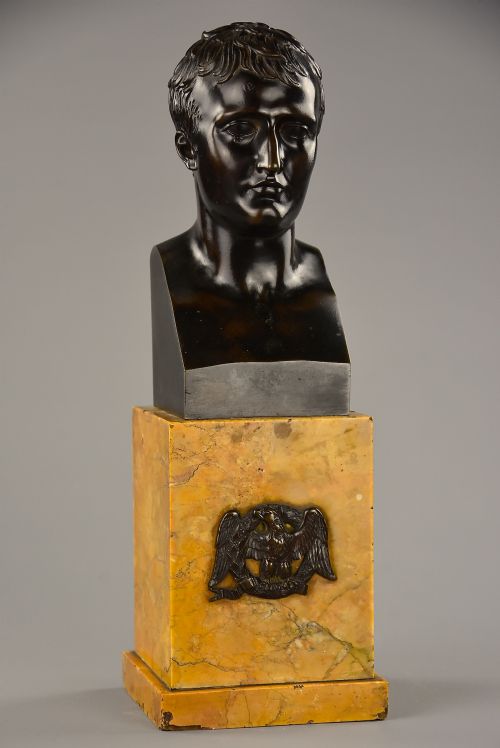


Bronze Head Bust
A bronze head bust brings classical subjects, historical figures and literary icons into a room through cast metal.
Bronze Head Bust
When searching for a bronze head bust, a buyer encounters portrait sculptures that focus on the head and shoulders of historical figures, mythological characters, emperors and fictional subjects. These pieces draw from neoclassical, Art Nouveau, Art Deco and Grand Tour traditions spanning the nineteenth and early twentieth centuries.
The most frequent versions on this page are French and Italian portrait studies cast in bronze, often mounted upon integrated marble bases. Subjects range from Roman emperors and Greek gods to literary figures and contemporary maidens.
Makers and foundries produce these works in various scales, from small cabinet souvenirs to large exhibition-standard castings. The resulting portrait busts capture likenesses through distinct regional and period styles.
How they were made
Foundries utilise the lost-wax casting method or sand casting to transform sculpted models into solid or hollow metal. Molten bronze flows into moulds, creating durable metal figures that receive detailed hand-chasing after cooling.
Finishing techniques involve chemical patination to produce dark brown, verdigris or golden surfaces, sometimes enhanced with paint, gilt bronze or ormolu mounts. Many pieces combine metal casting with carved marble socles or wooden supports.
Listings feature portrait sculptures cast in bronze alongside alternative materials like terracotta, plaster, marble and cast iron.
What varies in quality
The quality of the material composition and the depth of the chemical patina contribute to the visual presence of the portrait. Heavier bronze casts combined with high-grade sculpted marble plinths indicate superior workshop standards.
Emmanuel Villanis·Sir Thomas Brock·Alajos Strobl·Mathurin Moreau·Adolphe Jean Lavergne·Ernest Eugene Hiolle·Leonhard Posch
The Bronze Head Bust Glossary
- Patina
- A chemical surface alteration on bronze caused by age or intentional treatment. This finish produces distinctive green, brown or black tones across the metal.
- Grand Tour
- A nineteenth-century travel tradition where wealthy collectors acquired bronze souvenirs of classical sculptures in Italy. These miniature busts replicate famous antique statues from Roman and Greek history.
- Socle
- A short plinth or pedestal supporting a bust. Many nineteenth-century bronze portraits attach directly to a turned marble socle.
- Ormolu
- Gilded bronze applied as an ornamental mount or finish. This technique creates a bright gold-coloured metallic surface on decorative elements.
Bronze Head Bust: Frequently Asked Questions
What is a bronze head bust?
A bronze head bust is a three-dimensional portrait sculpture cast in metal that depicts the head, neck and upper shoulders of a person or mythological subject.
These pieces originate predominantly from the nineteenth and early twentieth centuries, reflecting neoclassical taste, historical commemoration or Grand Tour travels.
How do I identify the period?
Dating relies on stylistic markers such as Art Nouveau curving lines, neoclassical austerity or Victorian realism. Foundational marble bases and casting marks often provide clues to the exact decade of manufacture.
Inscriptions naming historical subjects or sculptors help place the piece within nineteenth or early twentieth-century production periods.
Where should I display one?
These sculptures suit tabletops, mantelpieces, bookcases or dedicated pedestals where lighting highlights the metallic contours and surface patina. Sturdy wooden furniture provides secure support for heavier bronze and marble combinations.
Placing the bust at eye level allows the viewer to appreciate the facial expression and fine chasing work of the cast.
Are all pieces solid bronze?
Many bronze busts are hollow castings produced to reduce weight and metal usage while maintaining structural stability. Other pieces combine cast bronze elements with terracotta, plaster, iron or marble socles.
Surface treatments like gilt bronze, paint or verdigris patination are applied over the primary base material during finishing.