




Neoclassical Bronze Bust
A neoclassical bronze bust brings classical antiquity into a room, drawing on Greek and Roman subjects cast during the nineteenth century and the Grand Tour era.
Neoclassical Bronze Bust
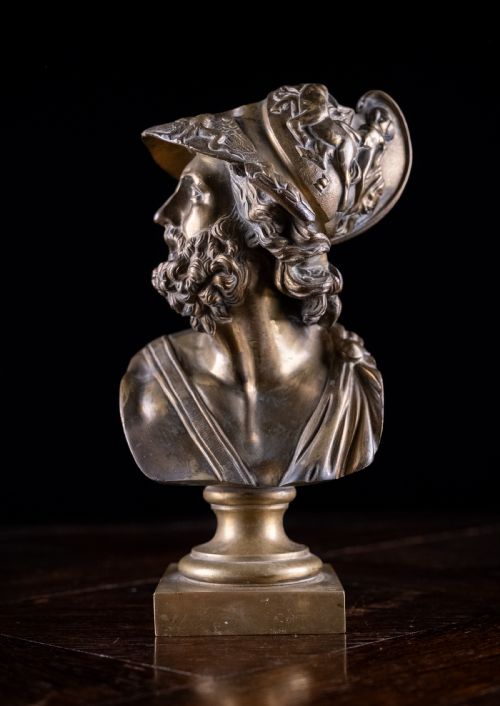
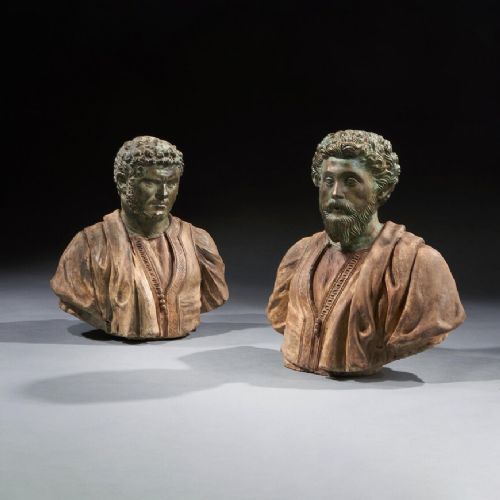
A neoclassical bronze bust represents historical figures, emperors, philosophers and mythological characters cast in bronze and patinated metal. These pieces reflect the nineteenth century fascination with classical antiquity, often originating from the Grand Tour through Italy and France.
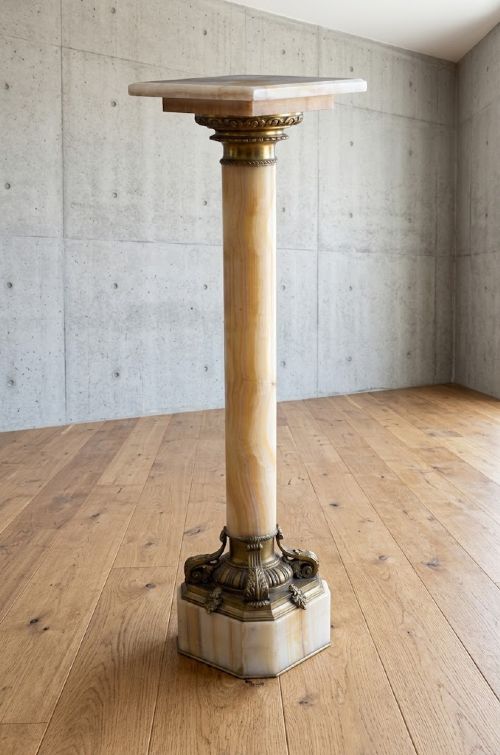
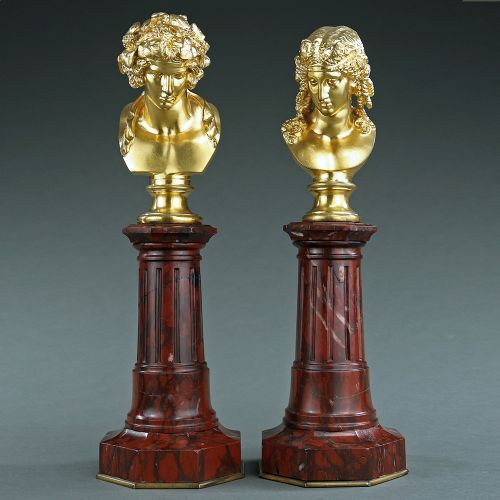
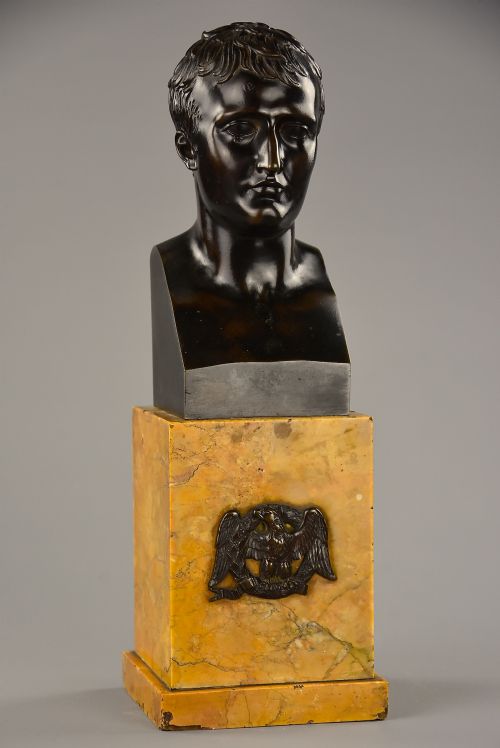
Buyers encounter portraits of figures such as Napoleon, Roman emperors, and classical philosophers mounted on marble plinths or onyx columns. The selection spans miniature desk ornaments to large cabinet sculptures created in the French Empire and Regency styles.
Makers drew directly on ancient sculpture traditions, translating marble originals into metal casts for domestic display. These portraits capture the austere profiles of antiquity through disciplined casting methods.
Materials and casting techniques
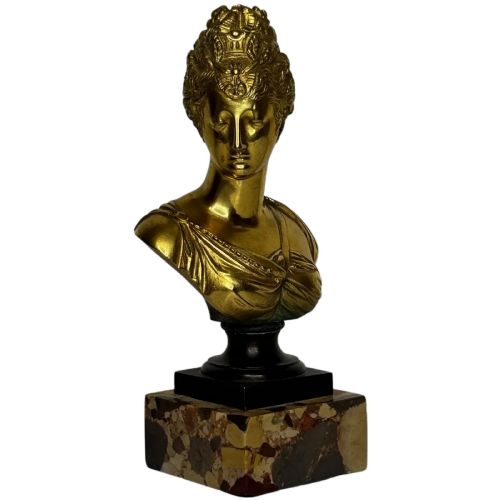
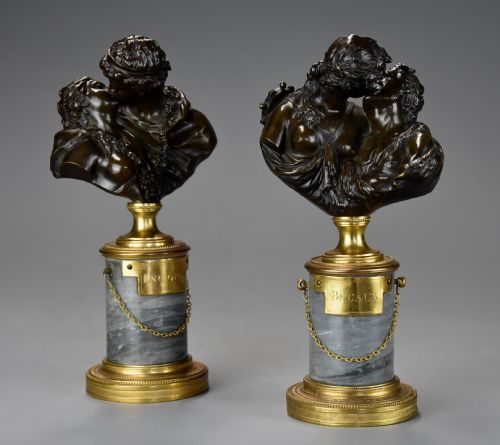
Makers combined bronze with contrasting materials, mounting metal portraits onto marble, onyx or brass bases. Gilt bronze and ormolu details highlighted specific elements like armour, collars and drapery against dark patinated surfaces.
Listings feature materials including bronze, marble, gilt bronze, ormolu, onyx, patinated bronze, paint and brass.
Distinctions in execution and finish
Quality rests in the crispness of the chase-work across hair, beard and facial expressions, distinguishing sharp foundry work from soft secondary casts. The weight and selection of the supporting marble or onyx column also indicate ambition.
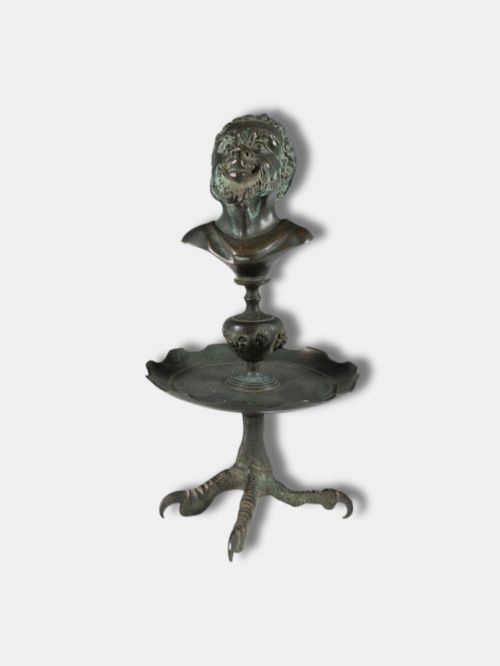
The sophistication of the chemical patination determines depth of tone, moving from flat dark finishes to rich layered browns and greens. Signed pieces associated with known sculptors demonstrate superior artistic interpretation of classical prototypes.
Jean Antoine Houdon·Mathurin Moreau·Leonhard Posch·Richard Aurili
The Neoclassical Bronze Bust Glossary
- Grand Tour
- A traditional trip through Europe undertaken by upper-class young men to study classical art. This travel generated demand for miniature bronze sculptures and architectural models.
- Patinated Bronze
- Bronze treated with chemical solutions to produce a specific surface colour or aged finish. This technique protects the metal while enhancing visual depth.
- Ormolu
- Gilt bronze created by applying a mercury and gold amalgam to a bronze object and heating it to drive off the mercury. This produces a bright golden surface finish.
- Pseudoseneca
- A famous antique bronze head discovered at Herculaneum, long misidentified as the philosopher Seneca. Numerous nineteenth century copies replicate this specific portrait.
Neoclassical Bronze Bust: Frequently Asked Questions
What is a grand tour bronze bust?
A grand tour bronze bust is a small or cabinet-scale sculpture purchased by travellers visiting ancient sites in Italy during the nineteenth century. These objects served as portable reminders of classical sculpture seen in museums and excavations.
Foundries in France and Italy produced these pieces to satisfy collector demand for accurate representations of ancient Greek and Roman heroes, philosophers and emperors.
How do I display a bronze bust?
These sculptures require stable surfaces such as side tables, mantelpieces or dedicated marble and onyx pedestal columns. Placing them at eye level allows the viewer to appreciate the fine details of the casting and patination.
Because bronze is heavy and stable, pairing the bust with a contrasting stone base helps anchor the piece visually within a room furnished in classical or traditional styles.
How are different periods identified?
Periods are identified through casting methods, surface patination, mounting styles and the choice of supporting stone bases. Nineteenth century works often feature crisp chasing and distinct patination that mimics ancient metalwork.
Makers' signatures, foundry marks and the specific style of the marble plinth also provide chronological markers for dating the sculpture accurately.
Were these busts made as copies?
Most nineteenth century bronze busts were cast as reductions or interpretations of famous marbles housed in European collections. Sculptors sought to capture the essence of ancient Greek and Roman art rather than invent new forms.
These reductions allowed collectors to build private galleries of classical portraits inside domestic interiors.