

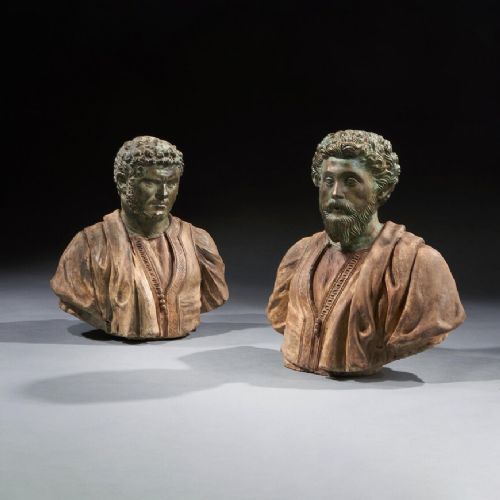
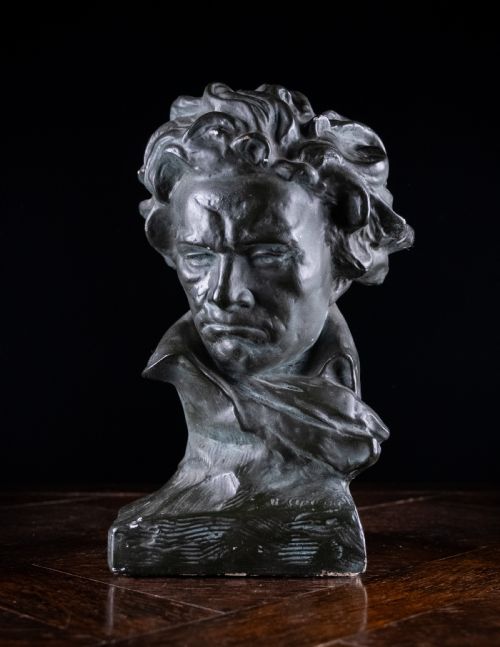

Classical Portrait Bust Sculpture
A classical portrait bust sculpture brings the gravity and permanence of antiquity into a room.
Classical Portrait Bust Sculpture
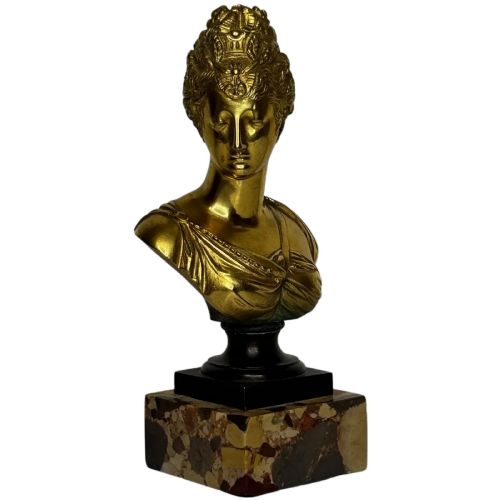
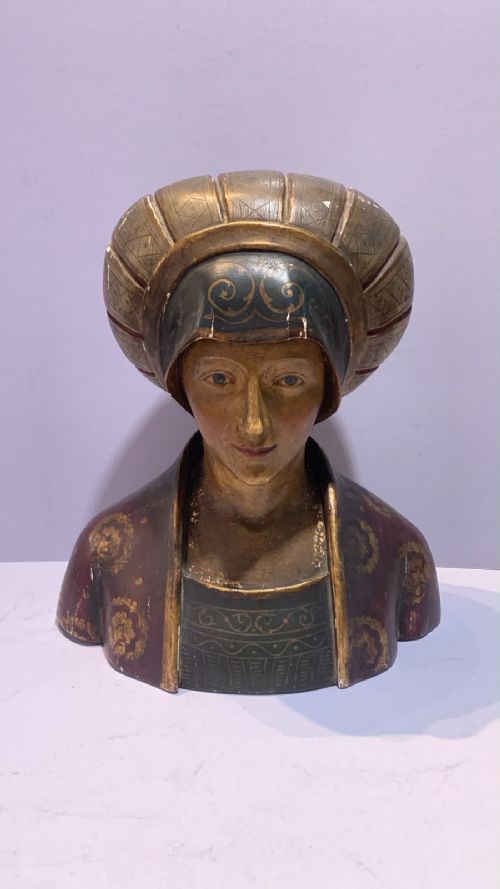
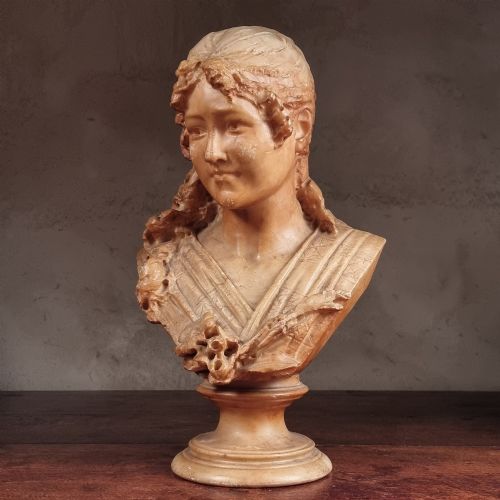
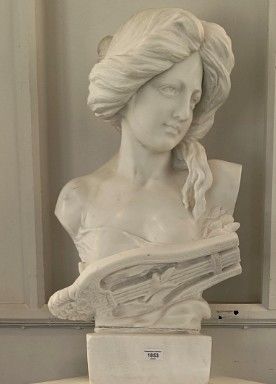
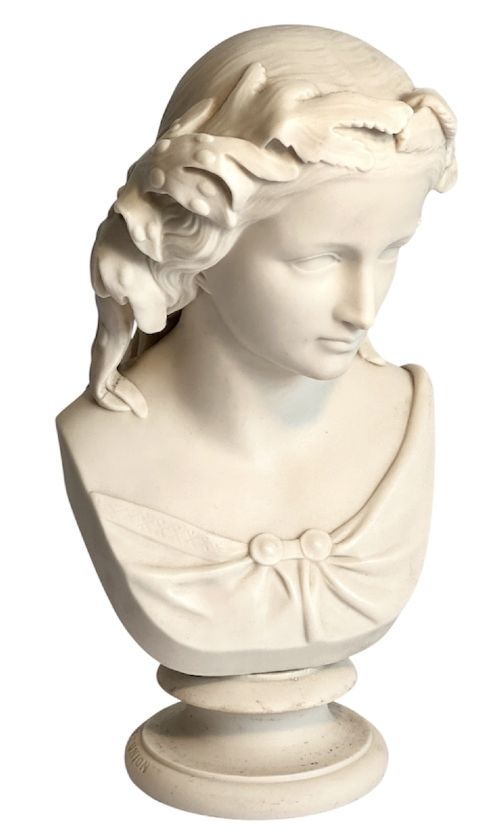
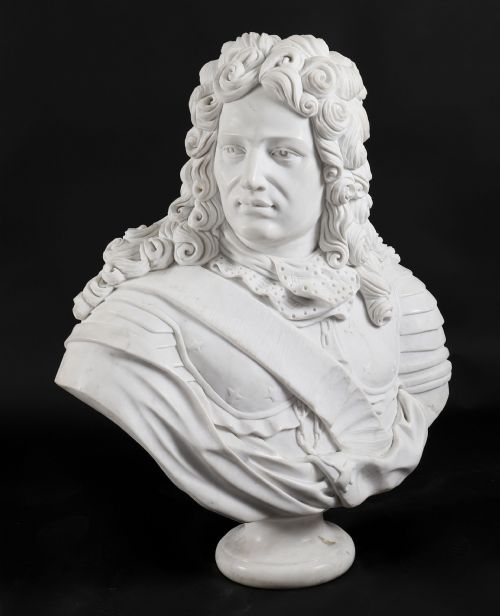
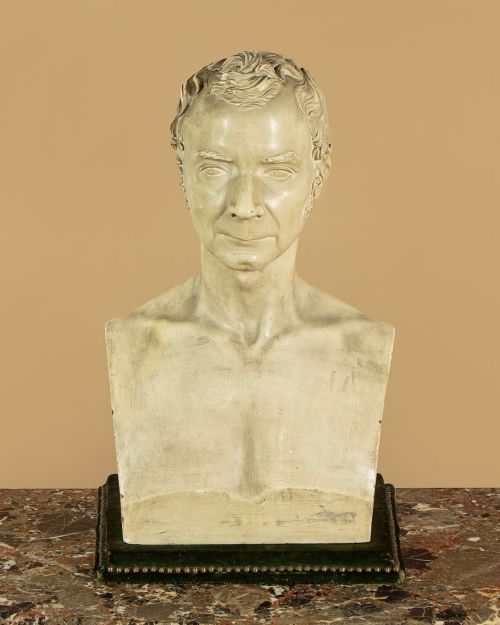
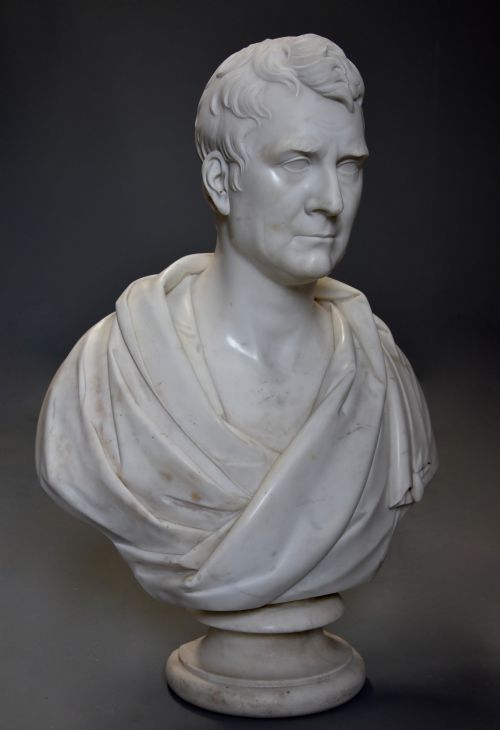
A classical portrait bust sculpture captures the likeness of historical figures, mythological characters, and nobility in solid form. When you search for a classical portrait bust sculpture, you encounter depictions ranging from Roman emperors and Italian poets to anonymous Victorian gentlemen.
The versions most common on this page hail from the nineteenth century, reflecting a strong Victorian and Grand Tour appetite for classical antiquity. These pieces take the form of library busts, wall plaques, and substantial carved representations meant for domestic display.
Origins stretch from British workshops to Italian studios, uniting classical revival styles with period materials. Sculptors drew upon ancient Greek and Roman prototypes to create dignified likenesses of both real individuals and literary figures.
Materials and methods
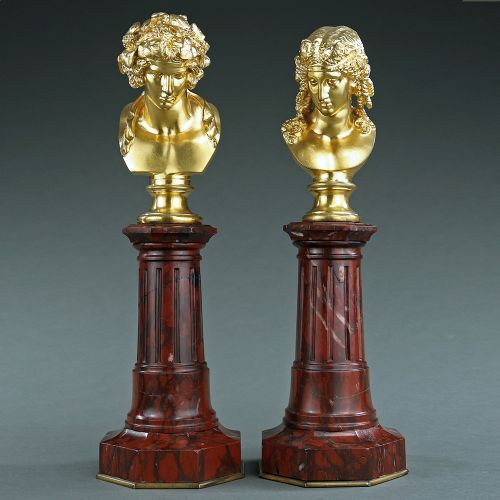
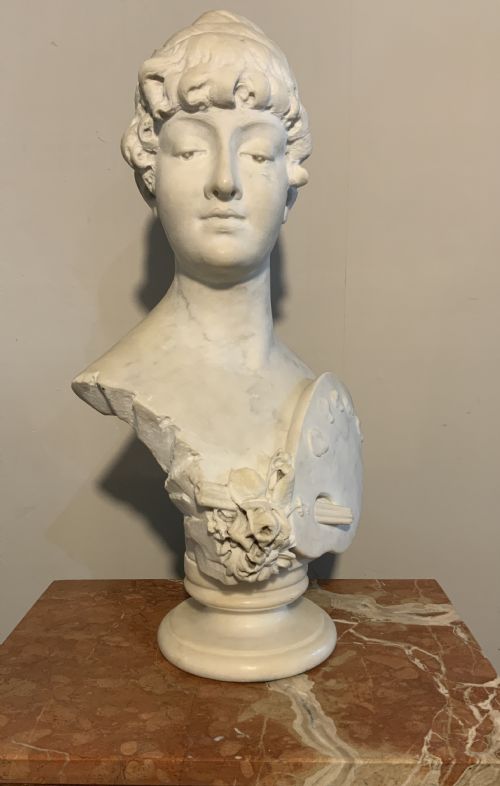
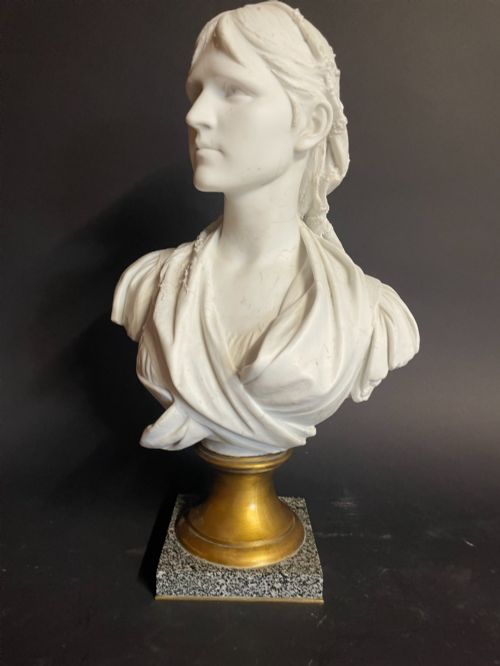
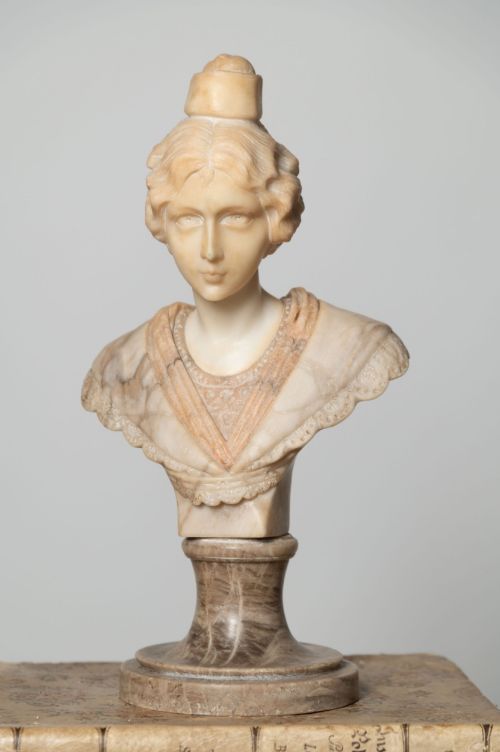
Carved marble and alabaster form the backbone of these sculptures, relying on the natural grain of the stone to catch the light. Workshops shaped these materials with chisels and rasps, sometimes mounting the finished heads on contrasting marble bases.
Bronze casting utilised the lost-wax method or sand casting, followed by chasing and patination to achieve deep brown or gilt surfaces. Plaster and terracotta served as more direct mediums, often painted or bronzed to simulate heavier metals.
Moulders used gelatin or waste moulds to capture fine detail from original models, allowing plaster and parian ware to replicate complex hair and drapery economically.
Listings feature materials spanning white marble, bronze, terracotta, and plaster, reflecting diverse nineteenth-century studio practices.
Factors of quality
The precision of the carving dictates the distinction between standard production and masterwork execution. Fine stone pieces reveal subtle transitions in musculature, individual strands of hair, and sensitive rendering of expression.
Casting quality in bronze separates works with sharp, clean chaser marks from softer, blurred secondary casts. The weight and selection of the supporting marble plinth also signal the original maker's ambition.
Signatures by known sculptors or reliable foundry marks elevate a piece beyond unsigned decorative output, rooting the work in a specific artistic hand.
J Francis·Raffaelo Monti·E Villanis·Georges-Charles Coudray·Giuseppe Moretti
The Classical Portrait Bust Sculpture Glossary
- Grand Tour
- A traditional trip through Europe undertaken by upper-class young men to absorb classical art and culture. Souvenirs from these journeys included small-scale bronze and marble busts.
- Parian Ware
- A fine-grained biscuite porcelain developed in the nineteenth century to imitate white marble. It allowed factories to issue affordable portrait busts with a smooth, matte finish.
- Neoclassical
- An artistic movement drawing inspiration from the art and culture of classical antiquity. It prioritised clean lines, noble simplicity, and historical subjects.
- Patina
- The surface sheen or colour acquired by bronze and other materials through age and handling. A rich patina adds depth to sculptural details.
- Alabaster
- A soft, translucent stone used extensively for carved figures. Its natural veining gives portrait busts a warm, glowing quality distinct from white marble.
Classical Portrait Bust Sculpture: Frequently Asked Questions
What periods do these busts represent?
The pieces span the nineteenth and early twentieth centuries, though their subjects reach back to ancient Rome, Greece, and the Renaissance. Nineteenth-century makers frequently reinterpreted earlier historical figures.
Victorian and Edwardian workshops produced the majority of these sculptures, drawing heavily on Neoclassical and Renaissance revival aesthetics.
How were marble busts displayed originally?
Owners placed these sculptures on library tables, heavy pedestals, or bespoke brackets in hallways and studies. They served as scholarly focal points and declarations of classical learning.
Library busts were specifically scaled to sit among book collections, bringing dignity to domestic interiors.
How do I care for a marble bust?
Dust the stone regularly with a soft, dry brush to prevent particulate accumulation in carved crevices. Avoid using household cleaning liquids, which can stain porous marble.
Alabaster requires particular care as it dissolves in water; keep it strictly dry and away from humid environments.
What is the difference between marble and parian ware?
Marble is a natural metamorphic rock carved directly by hand, possessing unique veining and crystalline depth. Parian ware is a moulded ceramic material fired in a kiln to imitate marble's matte appearance.
Ceramic busts show uniform composition without natural stone inclusions, though they achieve high levels of detail.