




Antique Royal Porcelain Sculpture
These pieces of antique royal porcelain sculpture range from Victorian figures to Art Deco nudes, offering character and craftsmanship for the collector.
Antique Royal Porcelain Sculpture
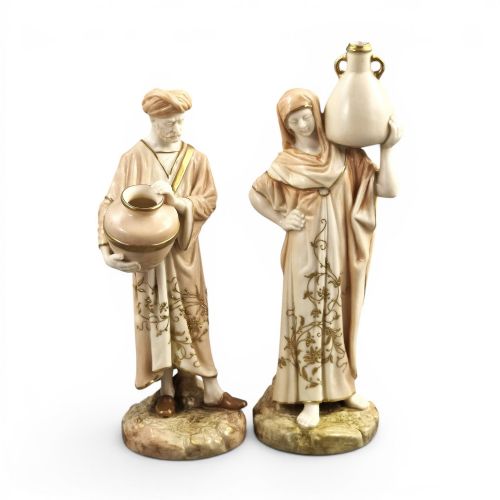
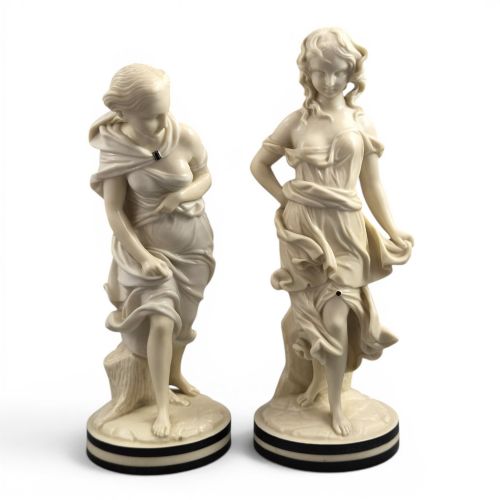
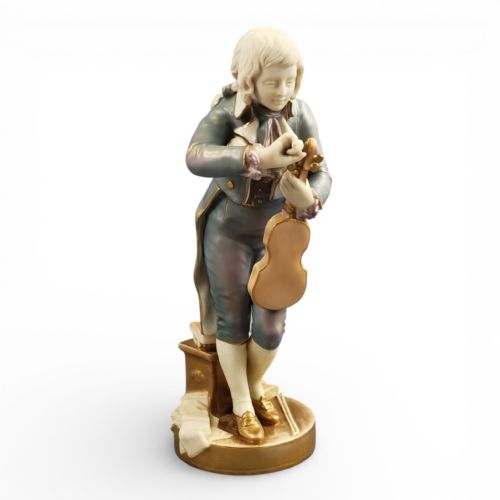
When you search for antique royal porcelain sculpture, you encounter figures, busts, centrepieces and jardinieres originating from notable manufactories like Royal Worcester and Royal Dux. The forms depict classical maidens, water carriers, musicians and animals modelled during the Victorian, Edwardian and early twentieth-century periods.
The versions most commonly met on this page include blush ivory pieces and glazed porcelain figures styled in Victorian Neoclassical, Art Nouveau and Art Deco designs. These ceramic works capture specific historical aesthetics through detailed sculptural modelling and painted or gilded ornamentation.
How They Were Made
Potters utilised porcelain, ceramic and biscuit porcelain to form the body of each sculpture, often applying detailed glazes and enamel finishes. Techniques such as shot enamel and painted gilding highlight the contours of figures and decorative elements.
Makers integrated gold leaf and metallic finishes to accentuate robes, bases and accessories on works produced by factories like Royal Worcester. Model numbers and moulded signatures indicate the workshop production methods of the nineteenth and twentieth centuries.
The listings span from the Victorian era through the Edwardian period into the 1930s, featuring porcelain, biscuit porcelain and enamel.
What Varies in Quality
The standard of modelling defines the upper tier of these sculptures, where facial expressions, hand positions and drapery folds show crisp detail rather than softening. Proportions and the balance of large figure groups also indicate the skill involved in the original design.
The preservation of delicate enamel, gilding and blush ivory surfaces influences the overall appeal of a piece. Clean application of glaze and the absence of clumsy restoration distinguish finer examples from standard production.
Royal Worcester·Royal Dux Bohemia·James Hadley·Sevres
The Antique Royal Porcelain Sculpture Glossary
- Biscuits porcelain
- Unglazed ceramic material fired once to produce a matte, marble-like texture ideal for detailed figurative sculpture.
- Blush ivory
- A soft cream-coloured porcelain ground developed by Royal Worcester, often decorated with pastel enamel and gilt highlights.
- Parian ware
- A fine-grained unglazed porcelain resembling white marble, popular for Victorian portrait busts and classical figures.
- Jardiniere
- An ornamental ceramic pot or stand designed to hold large plants or floral arrangements.
- Centrepiece
- A large decorative sculptural object placed in the middle of a dining table or sideboard.
Antique Royal Porcelain Sculpture: Frequently Asked Questions
How do I identify Royal Worcester blush ivory?
Blush ivory pieces feature a distinctive matte, cream-coloured ceramic ground that resembles ivory rather than bright white porcelain. They are frequently decorated with delicate floral enamels and subtle gilding.
Makers' marks on the underside often include specific date codes or factory ciphers confirming the nineteenth or early twentieth-century production period.
How should I display a porcelain centrepiece?
Large centrepieces and figural groups require a sturdy surface with adequate depth to support their proportions safely away from edge traffic. Placing them where natural light can highlight the modelling and gilding enhances their visual detail.
Keep these ceramic sculptures away from direct heat sources and areas of high humidity to protect painted enamel and gold leaf.
When were Royal Dux Art Nouveau figures made?
Royal Dux Art Nouveau figures typically date from the late nineteenth century through the Edwardian era up to the 1910s. These pieces often feature graceful maidens, natural motifs and flowing lines characteristic of the movement.
Pink triangular marks applied to the base are traditional indicators of authenticity for pieces originating from this Bohemian pottery.