


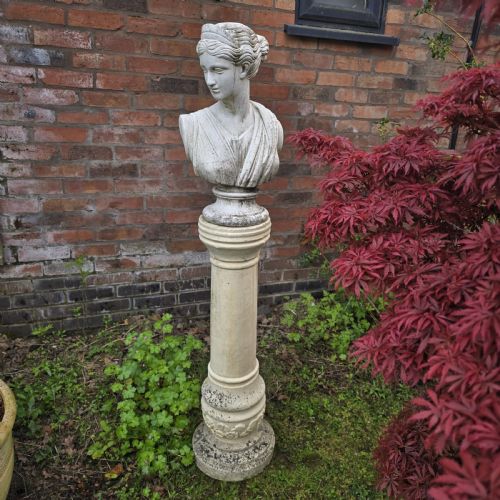


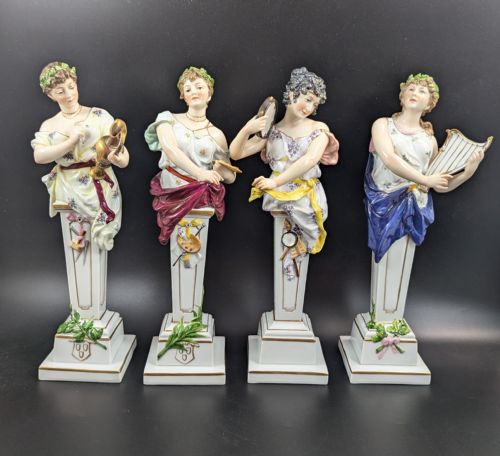
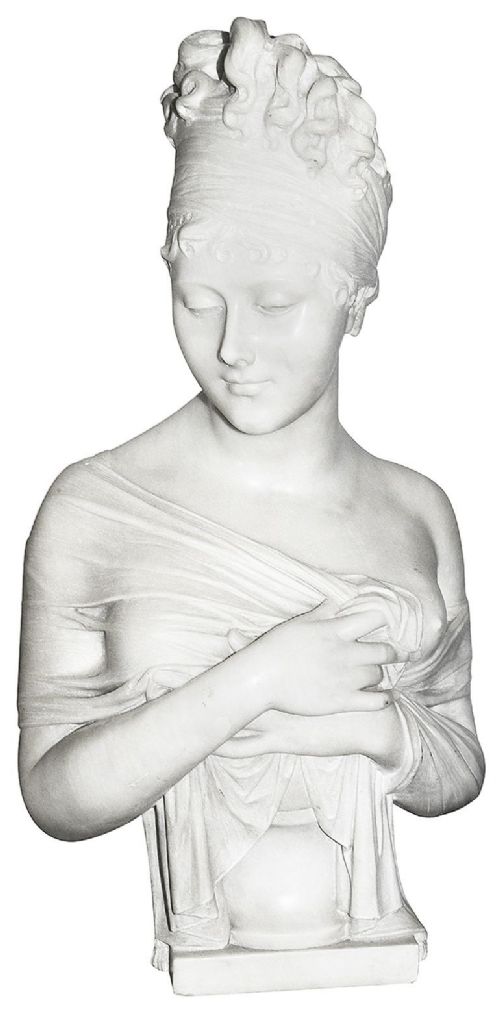

Neoclassical Female Bust Statue
A neoclassical female bust statue brings classical antiquity into your home through sculpted marble, terracotta, and porcelain figures.
Neoclassical Female Bust Statue
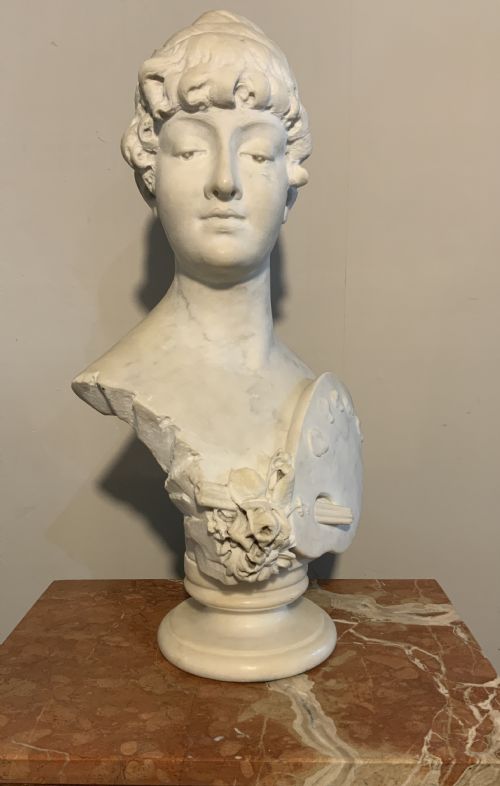
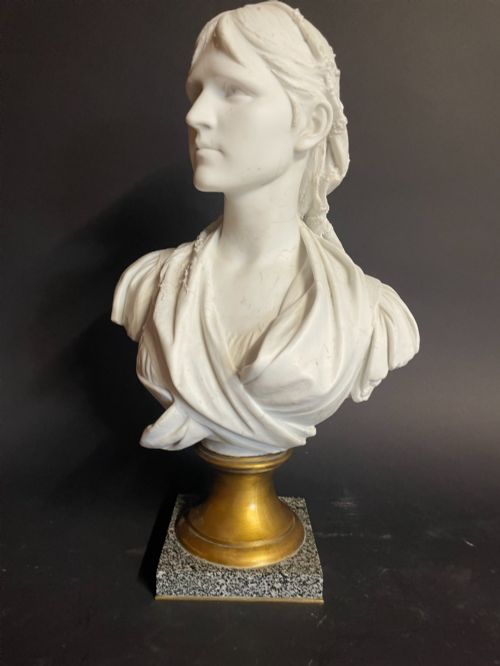
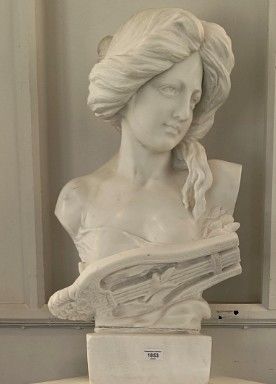
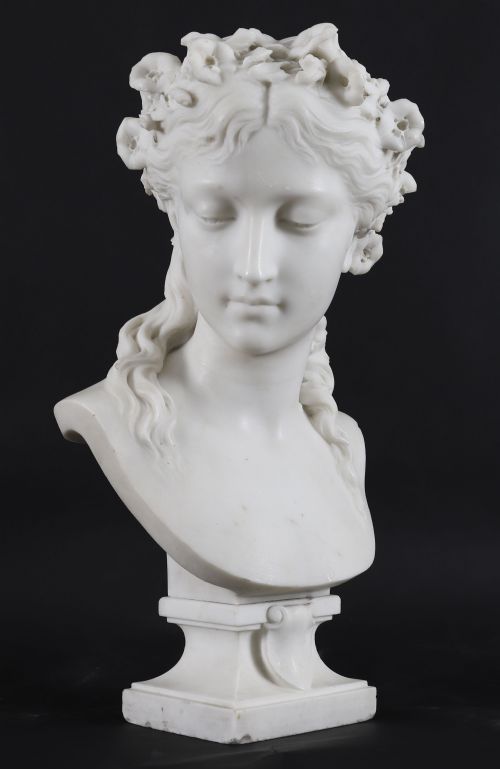
When you search for a neoclassical female bust statue, you encounter sculpted representations of classical women, mythological figures, and historic ladies originating predominantly from the nineteenth century. These sculptures draw heavily on ancient Greek and Roman models, often rendered as portraits of specific figures like Athena, Erato, or the Venus de Medici.
The pieces on this page appear in various formats, ranging from carved Carrara marble and alabaster to terracotta, porcelain, and cast iron. You will find both monumental works on plinths and smaller decorative figurines suitable for interior display or garden statuary.
Materials and Techniques
Carved stone works utilise high-grade materials such as white Carrara marble and translucent alabaster, shaped by sculptors using traditional chisels and abrasive stones to achieve smooth flesh tones and detailed drapery. Many nineteenth-century workshops also produced pieces after antique models by casting terracotta, plaster, or bisque porcelain in moulds before finishing the surface details by hand.
Some sculptures incorporate mixed media elements, pairing white marble with coloured stone or adding surface treatments like gold leaf and bronze patination to terracotta bases. Cast iron examples utilise industrial moulding techniques adapted for ornamental household and garden statuary.
One terracotta lady wears a Florentine fashion, proving that even ancient goddesses appreciate a well-turned Renaissance collar.
Assessing Quality
Material selection also dictates the standing of a piece, with solid Carrara marble and finely detailed terracotta commanding greater artistic respect than heavy plaster or standard cast iron. Signed works attributed to known modellers or specific French and Italian studios demonstrate a higher level of execution and provenance.
Eugene Aizelin·Achille Mollica·GREUZE
The Neoclassical Female Bust Statue Glossary
- Carrara marble
- A type of white or blue-grey marble quarried in the city of Carrara in Tuscany, prized by sculptors for its fine grain and consistent texture. This material was the primary choice for nineteenth-century artists producing classical copies and original busts.
- Terracotta
- Fired clay used for sculptural modelling before or instead of casting in metal or carving in stone. The material allows for expressive surface marks and can be left natural or given a bronze-like patina.
- Alabaster
- A fine-grained, translucent stone that is softer than marble, making it suitable for delicate carving. Its natural transparency gives sculpted skin a lifelike glow when illuminated.
- Bisque porcelain
- Unglazed white porcelain that has been fired once, producing a matte surface texture similar to smooth marble. It is frequently found on nineteenth-century portrait busts and allegorical figurines.
- Neoclassical
- The revival of classical Greek and Roman aesthetic styles that influenced European art and architecture from the mid-eighteenth through the nineteenth century. Sculptures in this style emphasise balance, noble simplicity, and idealized human forms.
Neoclassical Female Bust Statue: Frequently Asked Questions
What is a neoclassical female bust statue?
A neoclassical female bust statue is a sculpture depicting the head, shoulders, and chest of a woman, created in the revival style of classical antiquity during the nineteenth century.
These pieces often represent mythological deities, literary characters, historical figures, or idealized classical ladies carved from marble or moulded in terracotta and porcelain.
Where were these busts displayed?
In the nineteenth century, these sculptures were designed to adorn the libraries, drawing rooms, and studies of affluent homes, reflecting the classical education and refined taste of the owner.
Today, they function as striking interior decor pieces that sit easily on mantelpieces, sideboards, bookcases, or dedicated pedestals.
How do I identify the material used?
Marble and alabaster feel cold to the touch and show natural crystalline structures or subtle veining, whereas terracotta is heavier and warmer, often revealing a porous clay body where the surface finish has worn.
Porcelain presents a completely smooth, non-porous matte or glazed white surface, while cast iron is magnetic and metallic beneath any applied paint or patination.
What does 'after the antique' mean?
The phrase 'after the antique' indicates that a nineteenth-century sculptor has recreated a famous classical Greek or Roman sculpture known from antiquity.
These works allowed Victorian collectors to own affordable or stylised interpretations of museum-famous masterpieces such as the Venus de Medici.